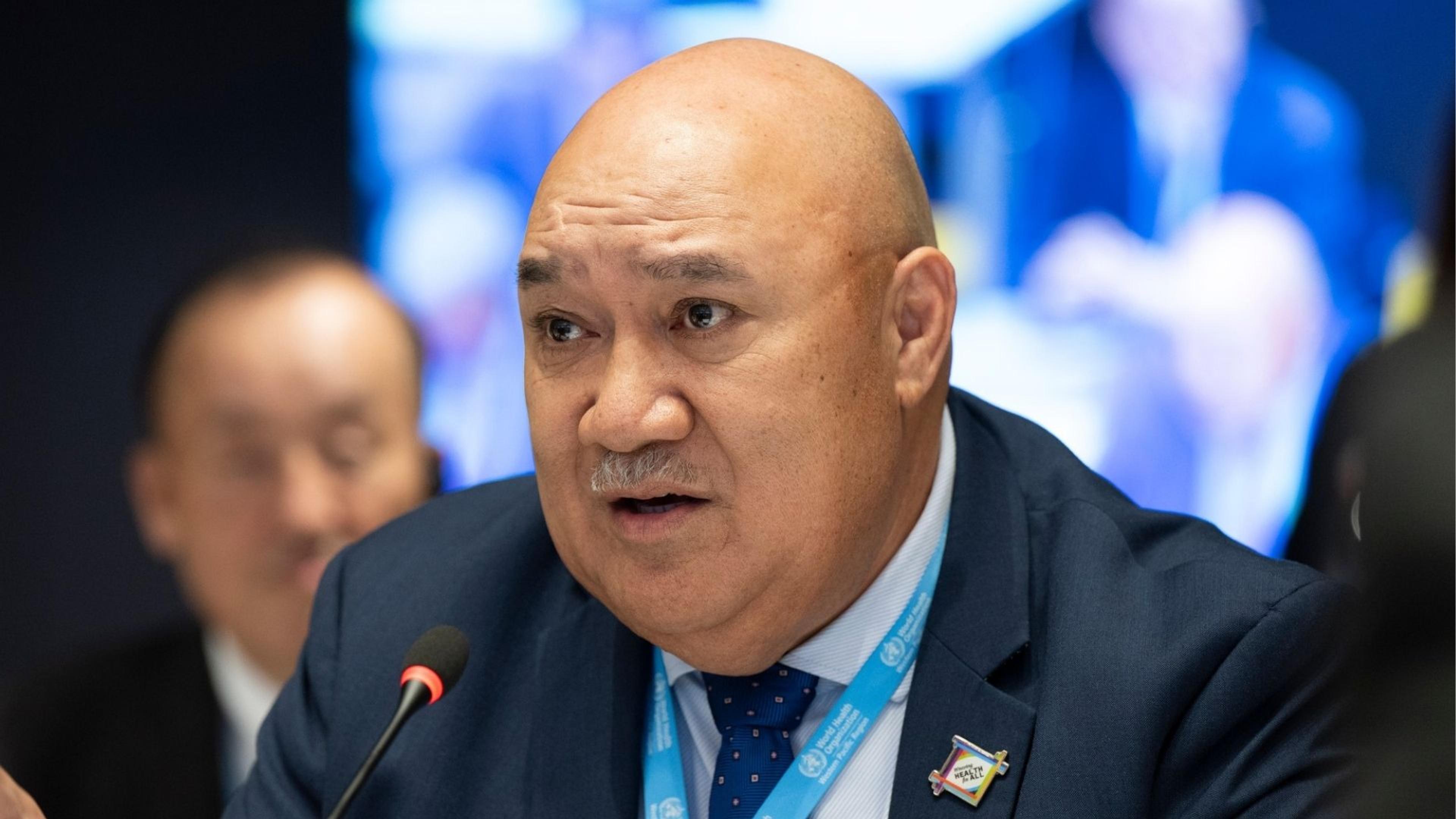
WHO Western Pacific regional director Saia Ma'u Piukala says Pacific governments must urgently link physical activity and mental health support to help young people facing growing pressures from climate stress and online harms.
Photo/WHO Pacific
Health
WHO Pacific chief links youth mental health crisis to climate stress and online harms
Dr Saia Ma’u Piukala says Pacific governments must urgently use sports and physical activity to help tackle rising mental health pressures facing young people across the region.

Christine Rovoi
Published
26 May 2026, 9:42am
Share
Copy Link
Top stories
From Ōtara, NZ to Los Angeles: David Liti lifts up the next generation
Elton Lonaratha JnrMon, 19 Oct
Top stories
From Ōtara, NZ to Los Angeles: David Liti lifts up the next generation
Elton Lonaratha JnrMon, 19 Oct
Young people across the Pacific are facing growing mental health pressures driven by climate stress, misinformation and rapid technological change, according to the World Health Organization's (WHO) Western Pacific regional director.
Speaking at the World Health Assembly in Geneva last week, Dr Saia Ma'u Piukala warned that governments could no longer treat physical activity and mental wellbeing as separate issues.
He said sports and exercise should become part of national mental health policies.
“Young people today are growing up at a time of profound change. They are navigating uncertainty and disruption at a formative stage of life - shaped by rapid social transitions, climate and environmental stress, disinformation in online spaces, and the accelerating influence of artificial intelligence.”
Piukala's comments come as Pacific countries continue to face rising concerns over youth mental health, social isolation, online misinformation, and the long-term emotional impacts of climate change and disasters.
He said regular exercise was one of the “most significant missed opportunities” to improve both mental and physical health outcomes for young people.
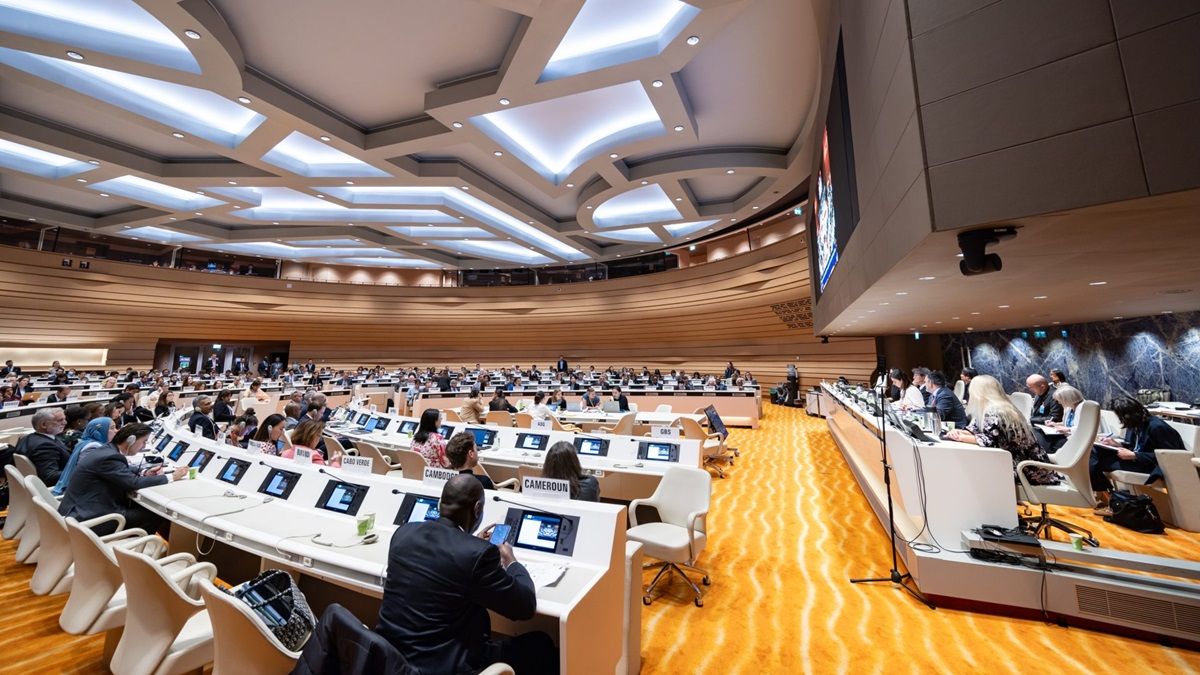
Health leaders, ministers, and advocates gathered at the World Health Assembly in Geneva (18-23 May) where youth mental health and regional health security were among the key issues discussed. Photo/WHO
“The evidence is clear and consistent: physical activity matters," Piukala said.
He said children and teenagers aged between five and 17 should be getting at least 60 minutes of moderate to vigorous physical activity every day.
“Regular physical activity is associated with better emotional wellbeing, including reduced symptoms of anxiety and depression, and positive effects on cognitive and brain health.”
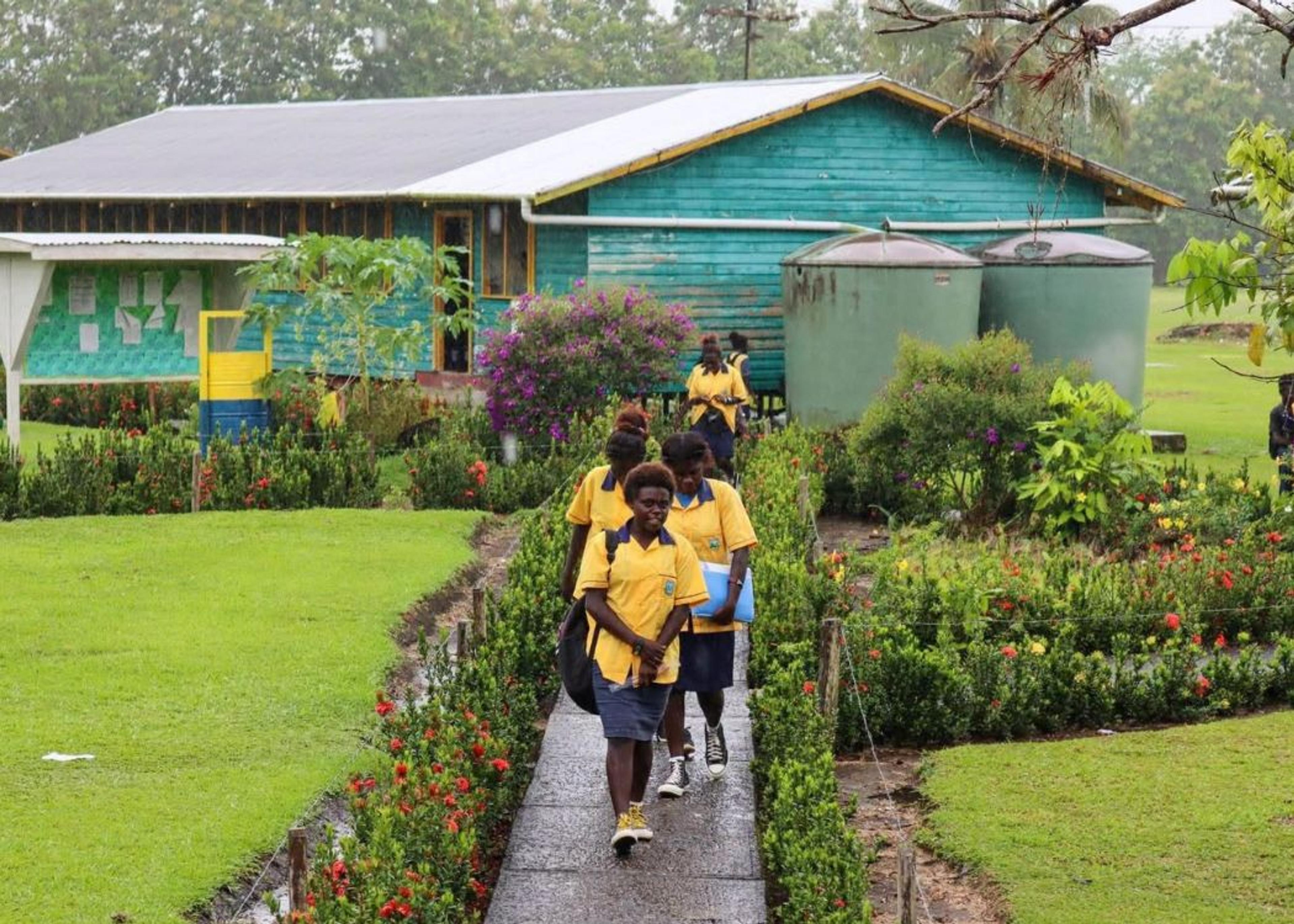
Pacific health leaders are calling for stronger community-based and culturally inclusive approaches to support youth mental wellbeing across the region. Photo/Splash
Piukala said the issue was especially important in the Pacific where young people often face limited access to mental health services and safe recreational spaces.
He also warned that girls continued to face extra barriers to participating in sport and exercise.
“This is especially critical for girls, who often face additional barriers to participation - whether social norms, safety concerns, or unequal access - making inclusive and safe opportunities essential.”
The WHO chief said almost 80 per cent of adolescents globally were still not meeting recommended activity levels.
“Schools are among the few settings that reach nearly all young people daily. When physical activity is embedded into school and community life, it helps establish healthy routines, strengthens social connection, and supports mental wellbeing early in life - with benefits that carry into adulthood.”
Piukala said improving youth mental health would require action beyond the health sector, including support from education, transport, urban planning and community organisations.
“Health systems cannot act alone. Education, sport, transport, urban planning and community systems all influence whether young people have safe, inclusive opportunities to be active.”
The concerns raised by Piukala are echoed by young Pacific leaders including New Zealand Youth MP Taiko Edwards-Haruru, who said Māori and Pasifika youth need culturally-grounded mental health support before they reach crisis point.
Speaking at Youth Parliament 2025, Edwards-Haruru, who has Māori-Cook Islands heritage, warned that mainstream mental health systems are failing Māori and Pasifika youth.
“I want to help create systems where rangatahi feel safe, seen, and supported,” he said, adding that “healing comes through not only our cultural representation but also through our connection and through the people who truly listen to us".
Piukala has also moved to strengthen regional public health cooperation with Australia’s new national Centre for Disease Control.
Piukala met Australia CDC Director-General Zoe Wainer during the World Health Assembly with both sides signalling closer cooperation on disease surveillance, misinformation and climate-related health threats across the Pacific.
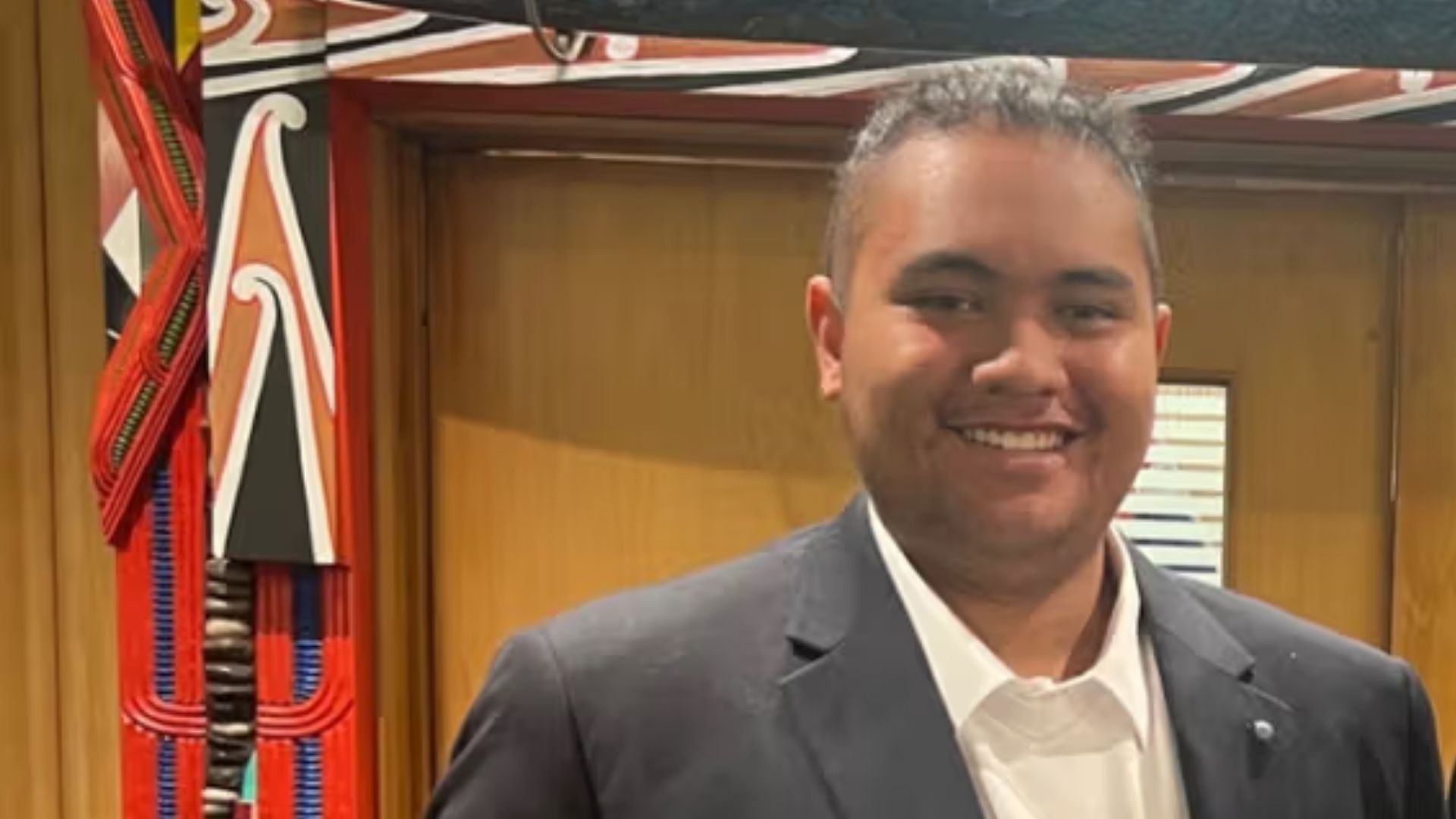
New Zealand Youth MP 2025 Taiko Edwards-Haruru says Māori and Pasifika youth need culturally-grounded mental health support systems that make young people feel “safe, seen, and supported”. Photo/Supplied
Piukala said Pacific countries were already benefiting from Australian support to strengthen surveillance systems, laboratory testing and emergency response operations.
He also highlighted growing concerns about misinformation and disinformation online, saying it was increasingly undermining public health across the region.
“There’s a strong network - and strong solidarity - in the Region that can serve health security well, if we keep nurturing these relationships.”