Online vault aims to return Pacific research to the community
Aui'a Vaimaila Leatinu'uWed, 21 Oct
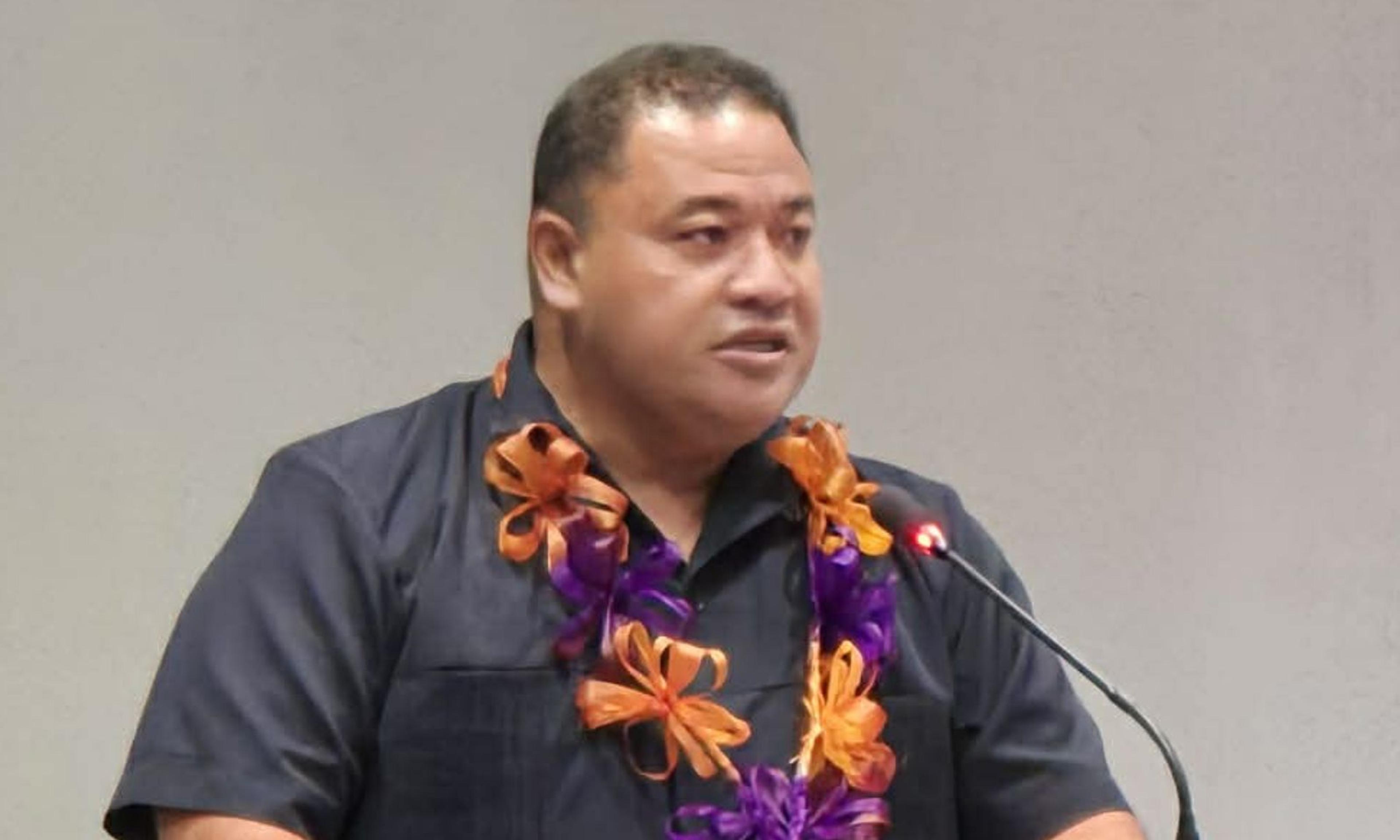
Tuvalu’s Minister for Climate Change, Dr Maina Talia, says Pacific nations need “real finance” to support a just transition away from fossil fuels.
Photo/Facebook/Pacific Islands Forum
As the world prepares for landmark talks in Colombia, Pacific nations say funding - not promises - will decide whether they can move away from fossil fuels.

Pacific leaders are calling for urgent and “real” climate finance as they unite ahead of the world’s first major global talks on phasing out fossil fuels later this month.
The talks come as Pacific nations are already feeling the impact of the Iran conflict, with rising fuel prices and supply pressures exposing the region’s heavy reliance on imported diesel.
Ministers from Pacific Small Island Developing States (PSIDS) met in Port Vila this week for their Dialogue on Global Just Transition to align their position before the Santa Marta conference in Colombia.
The Santa Marta meeting is set to focus on transitioning away from coal, oil, and gas.
At the centre of their message is a clear demand: without proper funding, the Pacific cannot make the shift.
“When we talk about just transition, we are literally talking about real finance that is delivered without red tape and that supports communities,” Tuvalu’s Minister for Climate Change, Dr Maina Talia, told a media conference.
Pacific nations are among the most dependent on fossil fuels, but also among the most vulnerable to climate change.
Many have already set ambitious targets to move to 100 per cent renewable energy but say progress is being slowed by a lack of support.
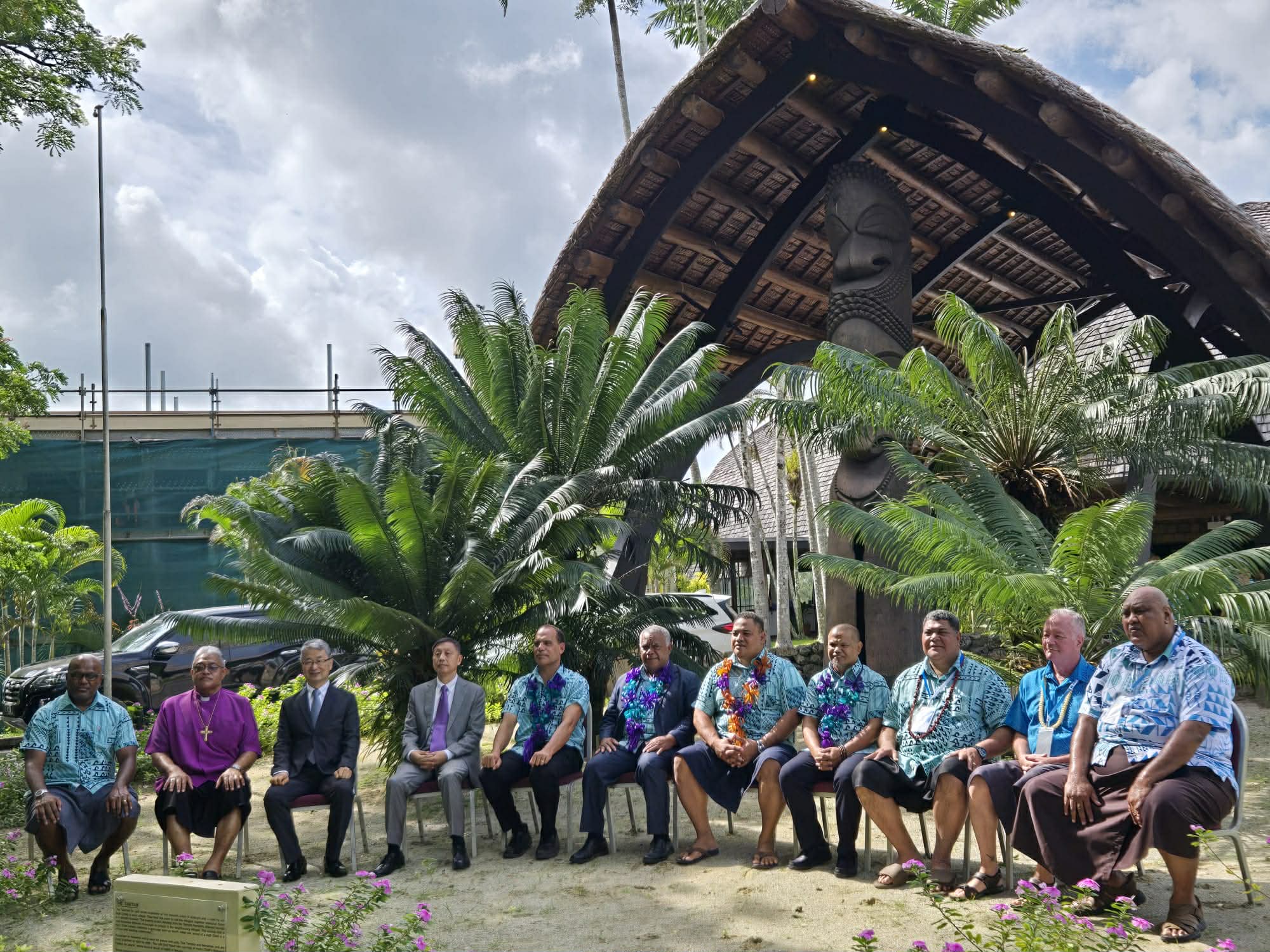
Pacific climate ministers meet in Port Vila this week to align their position ahead of global talks on phasing out fossil fuels. Photo/Facebook/Pacific Islands Forum
“We have made commitments to transition away from fossil fuels, but we lack the resources to make the transition ourselves,” Palau’s Environment Minister Steven Victor also told journalists.
The urgency has been sharpened by a growing global fuel crisis, linked to conflict in the Middle East, which has exposed how fragile the energy supply can be for island nations.
Vanuatu’s Climate Change Minister Ralph Regenvanu told the conference that the situation has been a wake-up call.
“I acknowledge that many countries are now struggling to find the energy they need when supply is cut or reduced,” he said. “For Vanuatu, it has been a moment of realisation that we really have to scale up and fast-track as much as possible on our National Energy Road Map.”
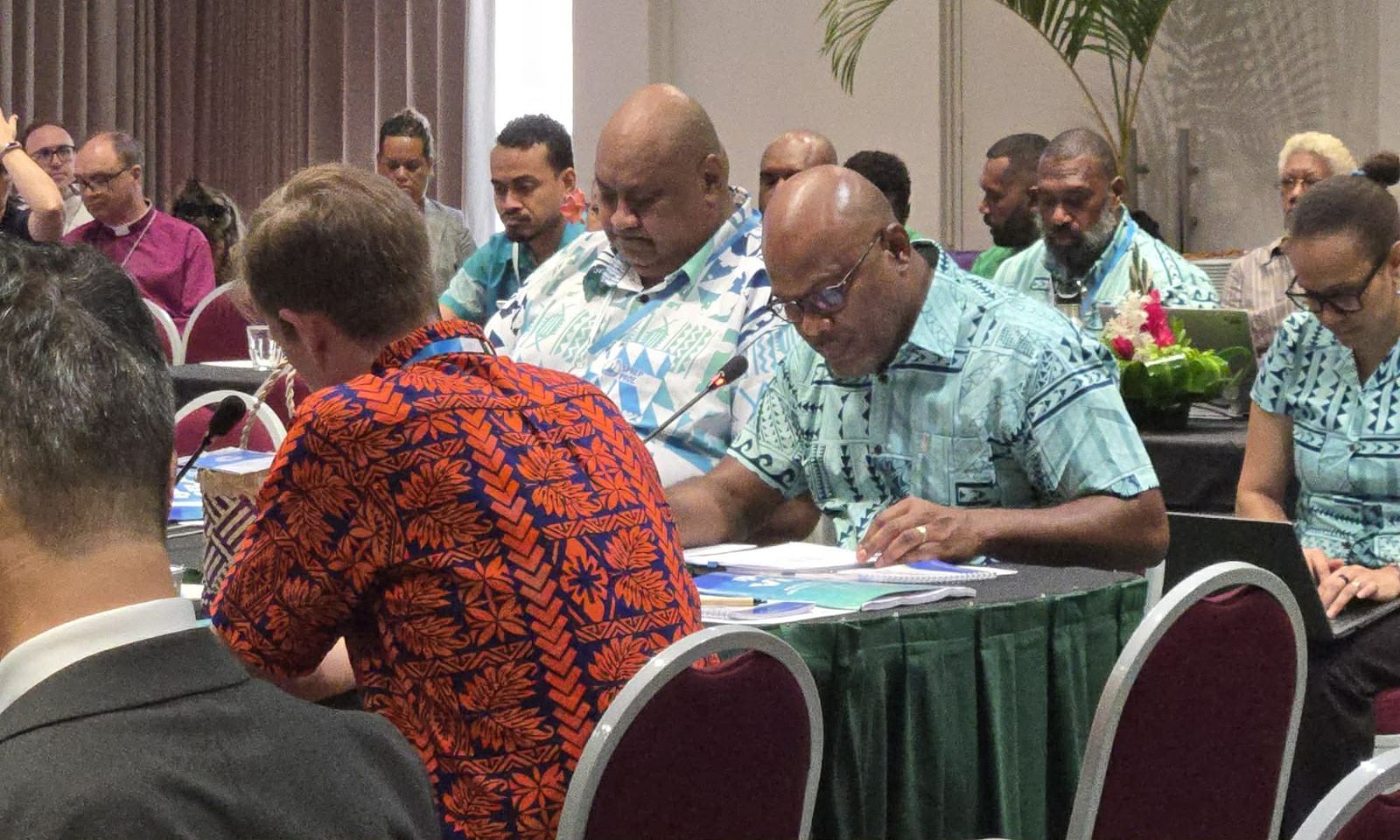
Delegates attend the Pacific Small Island Developing States dialogue in Port Vila, calling for urgent and accessible climate finance. Photo/Facebook/Pacific Islands Forum
Vanuatu is aiming to reach 100 per cent renewable energy by 2030 and says it is on track but Regenvanu stressed that more funding is critical to get there.
“This is my first call to finance. I must have more finance,” he said.
Pacific leaders say the upcoming Santa Marta meeting must go beyond talk and deliver real outcomes, especially around funding and global accountability.
“Our path to Santa Marta should not be limited by the unwillingness of other countries,” Talia said. “What matters is the willingness of Pacific nations and those ready to engage, as we take on a new role and step forward together.”
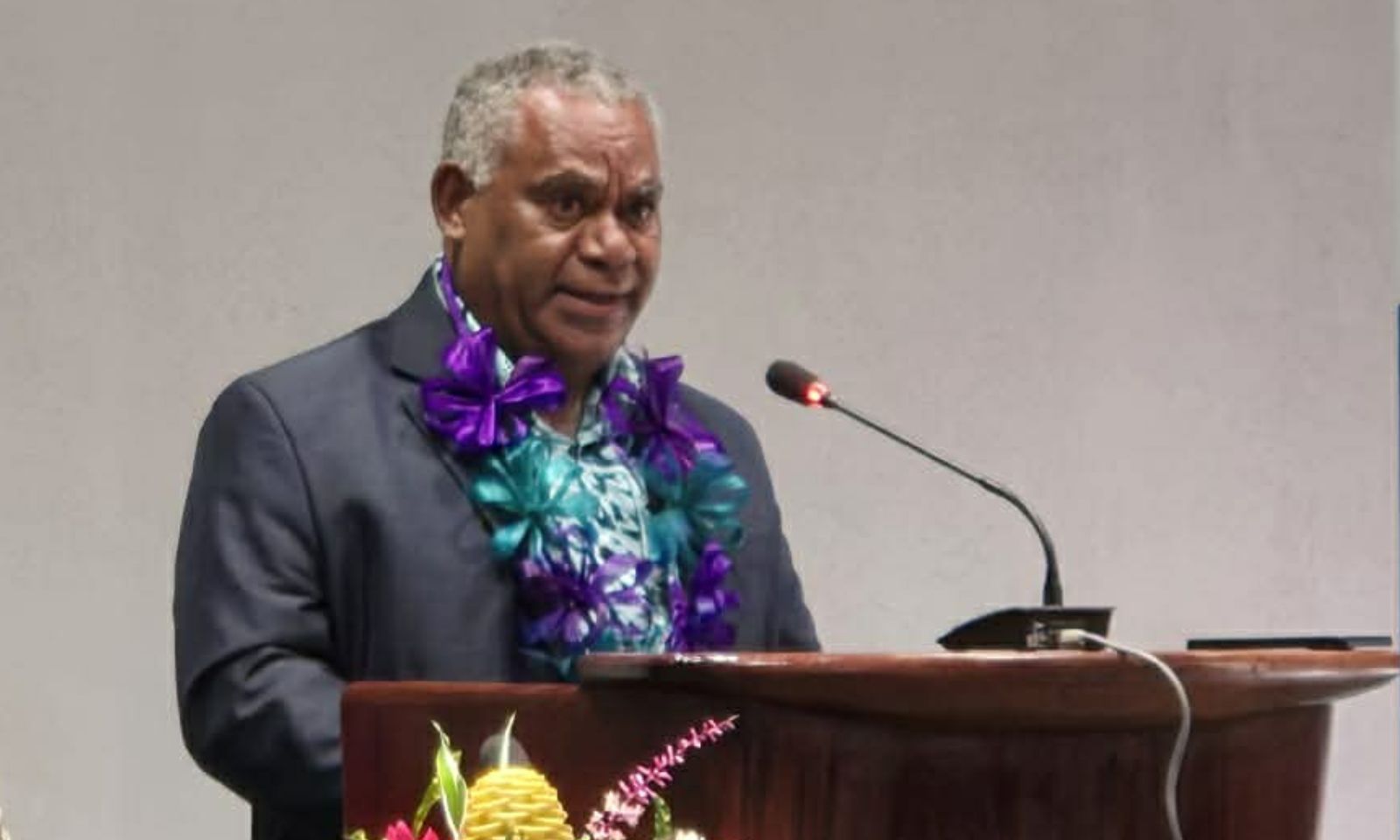
Vanuatu Prime Minister Jotham Napat says the Pacific has long led on climate action out of necessity. Photo/Facebook/Pacific Islands Forum
The Port Vila meeting also reinforced support for a global fossil fuel treaty, an idea first pushed by Pacific nations and now gaining international backing.
Vanuatu Prime Minister Jotham Napat said the region has long led global climate action out of necessity.
“The Pacific has never waited to be invited to lead on climate," he said in his address to the meeting. "We have led because we had no other choice."
He warned that continued reliance on fossil fuels is not sustainable. “Fossil fuel dependency is not an economic model. It is a development trap. And it is time we disrupt and change this model.”
Watch Vanuatu's Climate Change Minister Ralph Regenvanu during the media conference in Port Vila below.
As preparations continue for the Colombia talks, Pacific leaders say unity will be key to pushing their message on the world stage.
For the region, the transition away from fossil fuels is not just about climate targets but survival.
“We are not asking the world for handouts,” Talia said. “We are asking the world to help us save our Blue Pacific continent, which will save the future of humanity.”
The first conference on transitioning away from fossil fuels in Colombia will be held on 28 and 29 April.