Online vault aims to return Pacific research to the community
Aui'a Vaimaila Leatinu'uWed, 21 Oct
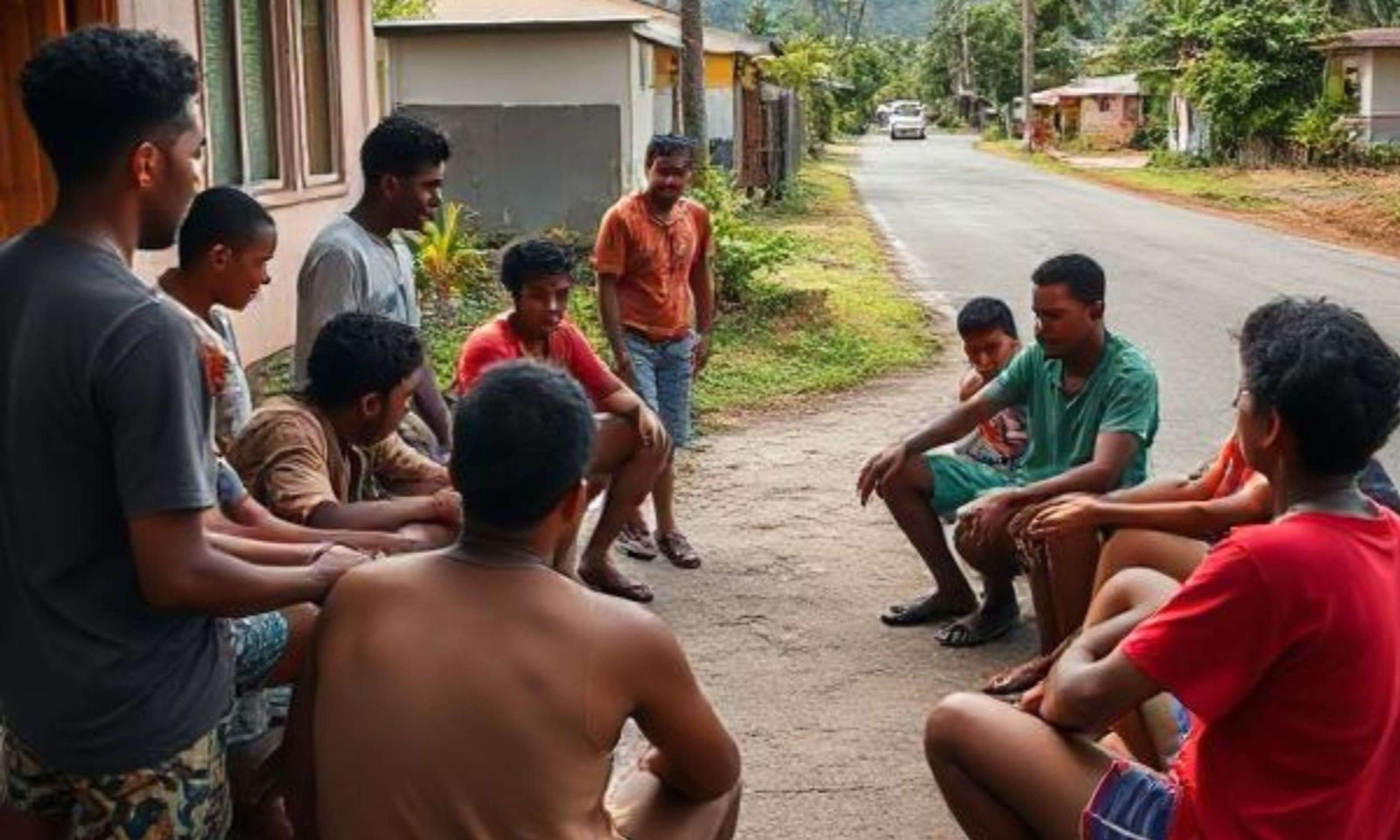
Young people in Pacific island communities are increasingly exposed to the impacts of rising drug trafficking routes across the region.
Photo/Supplied
ChildFund warns rising drug trafficking through the region is putting pressure on remote island communities and increasing risks for Pasifika youth.



New reports of sophisticated drug-smuggling vessels moving through the Pacific have raised fresh concerns about the safety of remote island communities.
One non-government organisation (NGO) warns that children and young people aged between 15 and 34 are being increasingly exposed to the effects of organised crime.
ChildFund New Zealand says the Pacific is now being used as a transit route for global drug networks with impacts already being felt in villages across the region.
"We work with local communities in some of the remotest islands in the Pacific, on water, food and education programmes, including in Solomons Islands where the latest drug boat was found," Josie Pagani, CEO of ChildFund, says in a statement.
Investigations by ABC News in Australia have revealed multiple “narco-subs” operating in Pacific waters.
The latest Foreign Correspondent report by the ABC highlights growing concerns that international drug syndicates are using the region to move illegal drugs towards New Zealand and Australia.
Pagani says the issue is not just about border control but about what is happening inside Pacific communities.
"The Pacific is our home too," her statement read. "The problems we face, from poverty to drugs, are connected.
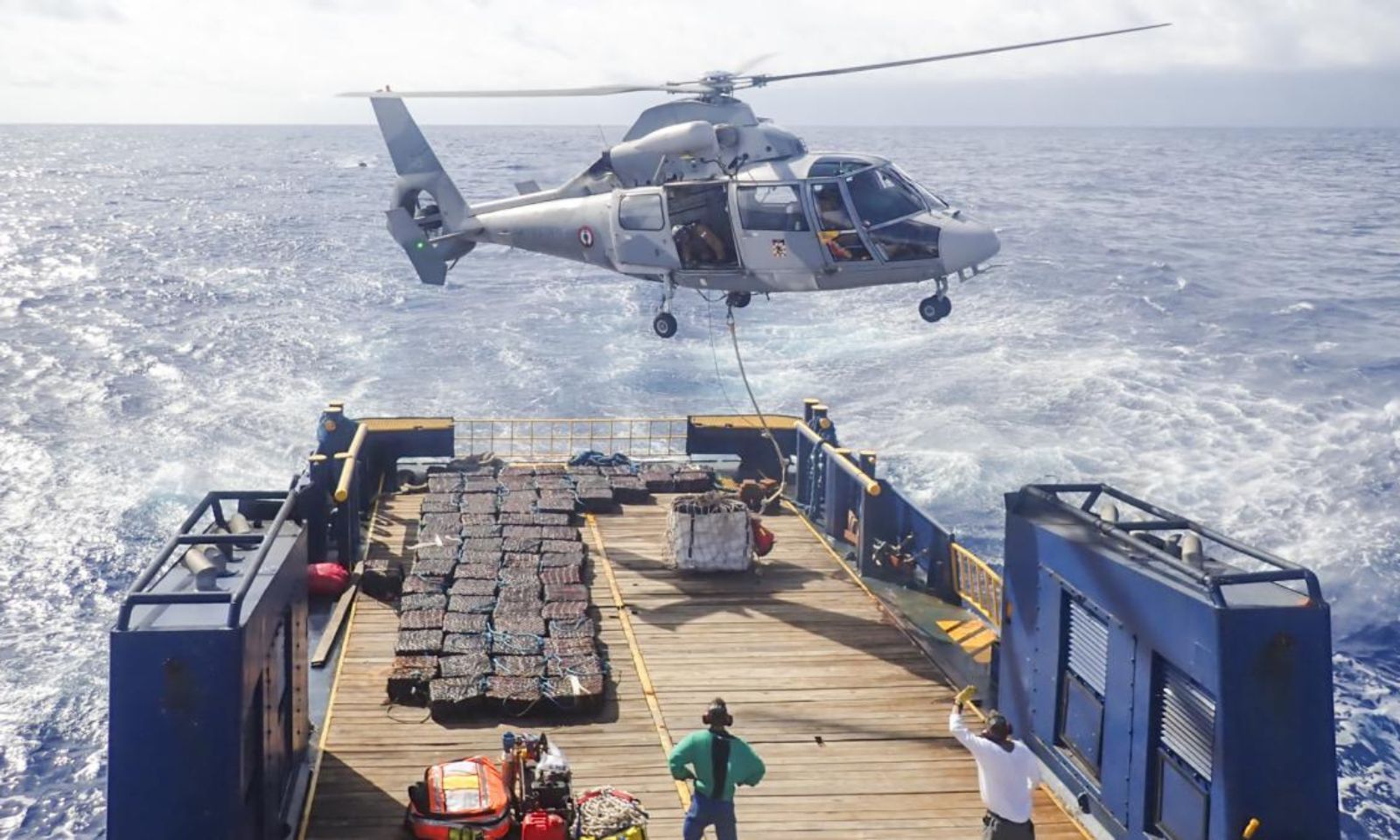
New reports suggest Pacific waters are being used by organised crime groups as transit routes for illegal drugs heading towards Aotearoa and Australia. Photo/Facebook/French Embassy in Australia
"For Pacific communities, this is happening in their villages. For kiwi families, it's happening to their children as access to drugs gets easier."
ChildFund also warns that remote island nations are being used as staging points by organised crime groups.
It says this puts pressure on already limited services and increases risks for young people including exposure to drugs and exploitation.
The organisation is calling for governments and development partners to invest more in prevention, education, and community resilience, along with policing and border enforcement.
"When criminal networks move in, they target places where people are already under pressure, whether that’s from poverty, lack of opportunity, or climate impacts," Pagani said.
"Children are the ones who feel those pressures first and most deeply.
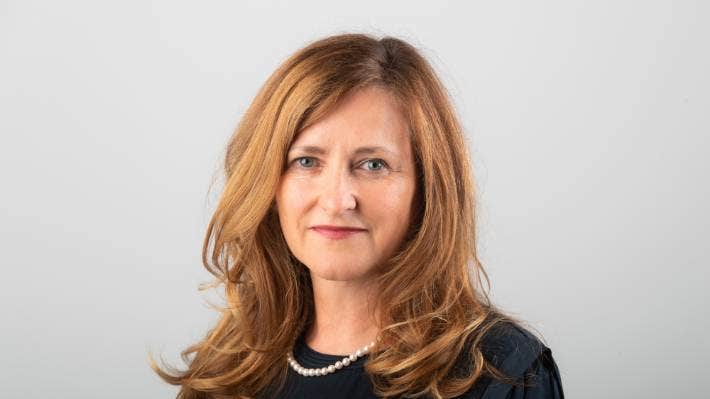
Josie Pagani of ChildFund NZ says long-term investment in education, health, and community support is needed to reduce children’s exposure to drug-related harm.
"If we only focus on stopping drugs at the New Zealand border, we miss the bigger picture. Prevention starts in these Pacific communities.
"They need to be supported to deal with drugs turning up on their beaches, and to manage the risk to children and young people."
ChildFund says drug use among young people in parts of the Pacific is rising particularly among those aged 15 to 34.
It says there are also growing concerns around methamphetamine use and drug drops linked to international trafficking routes.
In Fiji, health officials have previously warned that around 50 per cent of new HIV infections are linked to injecting drug use.
Officials have also linked a significant share of new infections to injecting drug use.
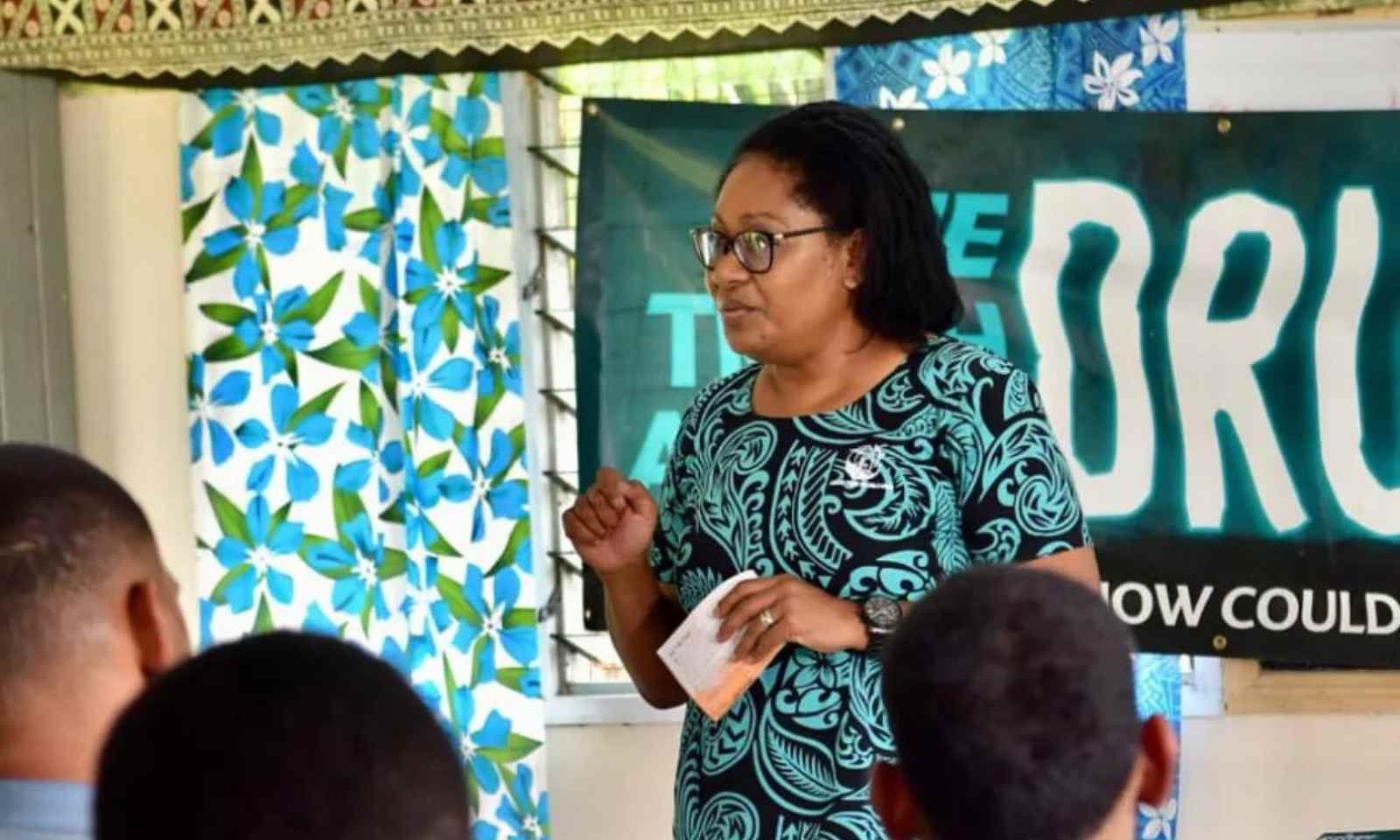
Fiji officials have warned rising drug use is contributing to serious public health challenges, including a growing number of HIV infections linked to injecting drug use. Photo/Drug Free World
“This is a national crisis,” Fiji’s Minister for Health and Medical Services Atonio Lalabalavu said during the launch of the country’s HIV response plan.
“Injecting Drug Use (IDU) was the primary mode of transmission for 223 out of 1093 new HIV cases reported between January and September last year."
Fijian authorities have highlighted the wider public health concerns connected to drug harm in the region.
Pacific security and health leaders have also repeatedly warned about the social impact of organised crime across the region.
The Pacific Islands Forum has identified transnational crime, drug trafficking, and its links to social harm as growing regional threats alongside climate change and economic pressure.
Experts say the combination of weak border systems, rising global drug demand, and limited local resources is making small island nations more vulnerable to exploitation.
Watch Glenn Dobson from the The Drug Detection Agency's full interview with William Terite on Pacific Mornings below.
Pagani says long-term investment is needed in education, child protection, health services, and local partnerships to reduce that risk.
"The Pacific is our neighbourhood and for many New Zealanders, it’s also family," she says. "What happens there matters to New Zealand, and it matters for the future of children in the Pacific and here at home."
She says the challenge now is turning concern into lasting support that reduces harm before it reaches communities.