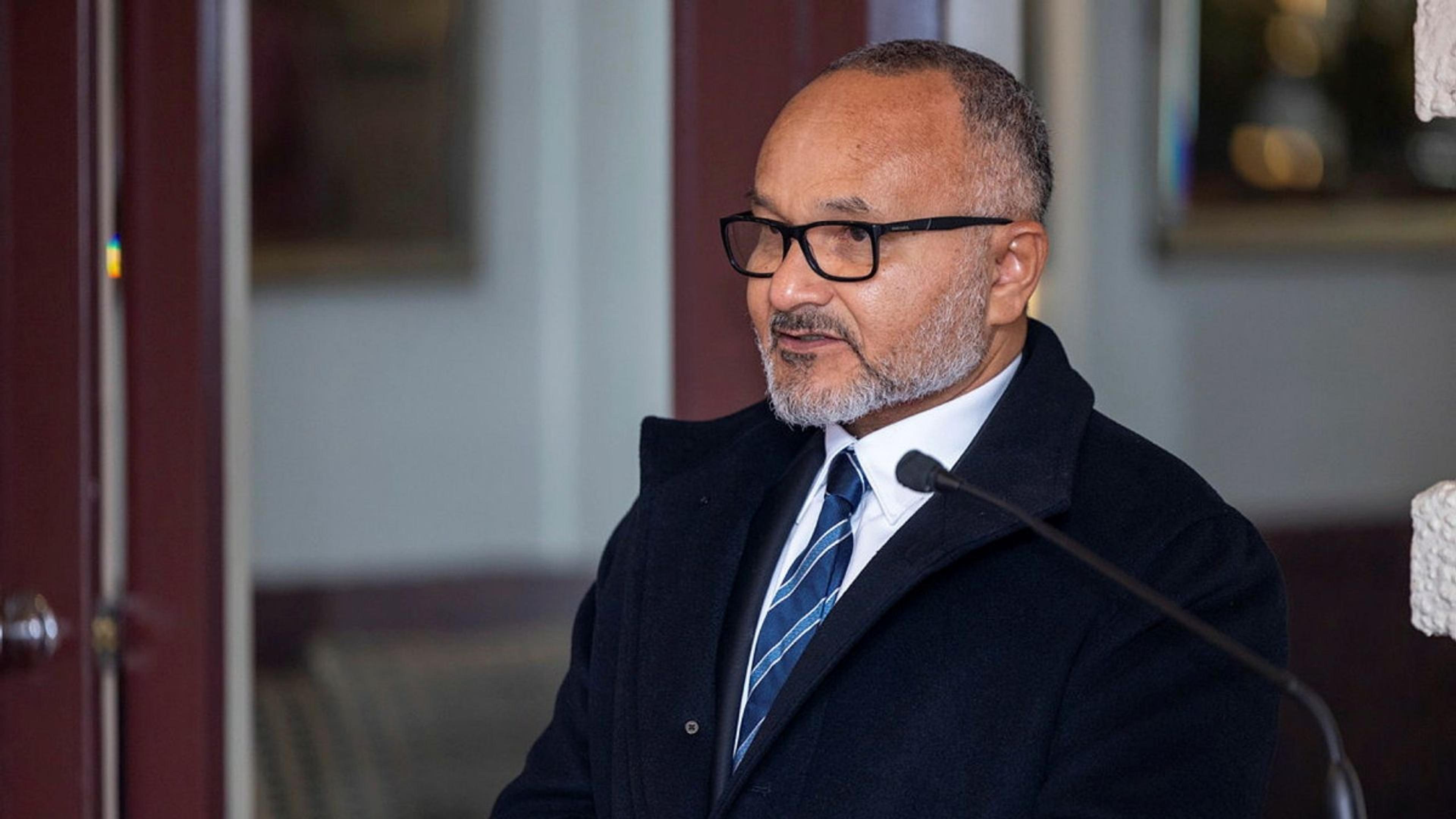
Solomon Islands Prime Minister Matthew Wale has ordered a review of the country’s 2022 security agreement with China, promising “no more secrecy” over agreements that bind the nation.
Photo/Prime Minister's Office, Solomon Islands
Pacific Region
'No more secrecy': Solomon Islands govt reviews China security deal as tensions grow
The move by Prime Minister Matthew Wale comes as Pacific leaders grapple with rising security concerns and deep divisions over how the region should respond to China.

Christine Rovoi
Published
10 August 2026, 3:45pm
Share
Copy Link
Top stories
World Vision warns children will pay for aid cuts beyond the Pacific
Thomas Tarurongo WynneMon, 12 Oct
Mate Ma’a Tonga’s 40-year legacy lives on through generations
Elton Lonaratha JnrMon, 12 Oct
Top stories
World Vision warns children will pay for aid cuts beyond the Pacific
Thomas Tarurongo WynneMon, 12 Oct
Mate Ma’a Tonga’s 40-year legacy lives on through generations
Elton Lonaratha JnrMon, 12 Oct
Solomon Islands is reviewing its 2022 security agreement with China with Prime Minister Matthew Wale promising there will be “no more secrecy” over deals that affect the country’s sovereignty.
Wale announced the review in Parliament last Friday as Pacific foreign ministers struggled to agree in Fiji on a united response to China’s ballistic missile test in the region.
He said the review would focus on transparency, accountability and ensuring Parliament is fully informed about agreements that bind the country.
Wale said he was only allowed to read the 2022 security agreement one day before an official meeting in Canberra in May this year.
“That must never happen again,” he told Parliament.
The Prime Minister said no treaty or security agreement should stand without the informed consent of Parliament.
“If that is the standard, then it must apply to every agreement this country has signed and not just some,” he said.
Wale said the issue was bigger than party politics and went to the heart of national sovereignty.
“Sovereignty does not belong to the government of the day but to the people of Solomon Islands.
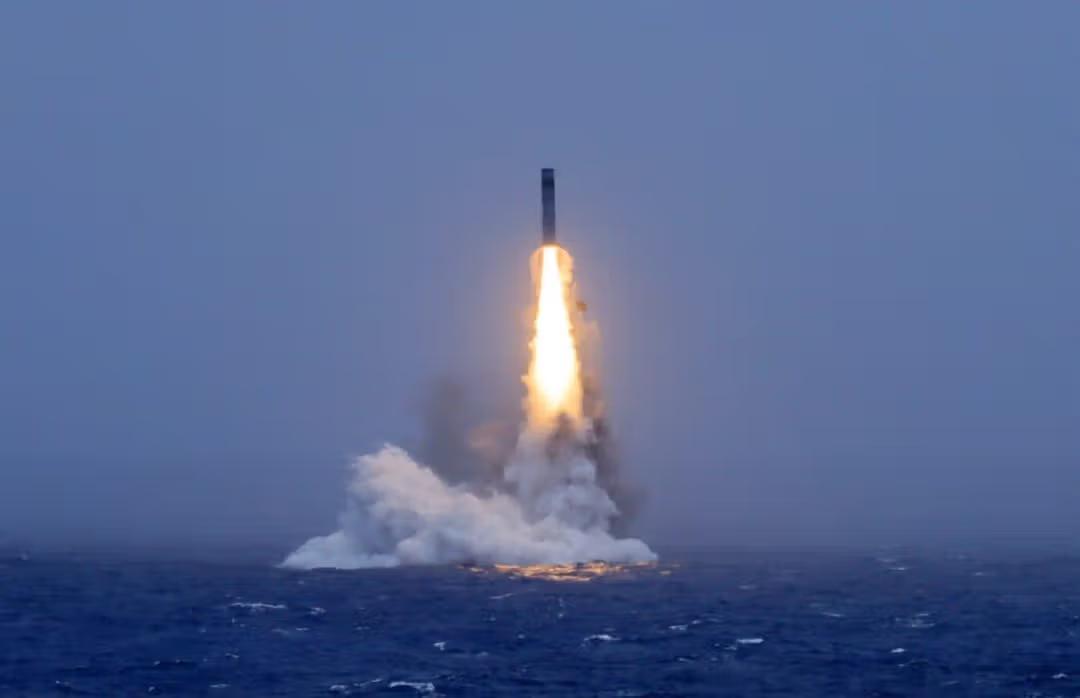
China’s ballistic missile test in the Pacific on 6 July has raised concerns across the region after the missile travelled over the exclusive economic zones of several Pacific Islands Forum members. Photo/Instagram
“That principle was true in 2022. It is true today. And under this government, it will be practised not just spoken about.”
The review comes as Pacific countries face growing pressure to take a clearer position on military activity in the region.
China’s ballistic missile test on 6 July, which travelled over the exclusive economic zones of several Pacific Islands Forum members before appearing to land in waters near Tuvalu's EEZ, has exposed divisions over how the region should respond.
Tuvalu Foreign Affairs official Pasuna Tuaga said the test had left people in his country fearing it could trigger a tsunami.
“Just imagine it yourself, it was like someone invaded your home,” he said in a Bloomberg report.
“Just imagine if it was a real one? That’s the same question that we have put to the forum during the official meeting: Do we have to wait until we are hit by a real one and then issue a statement?”
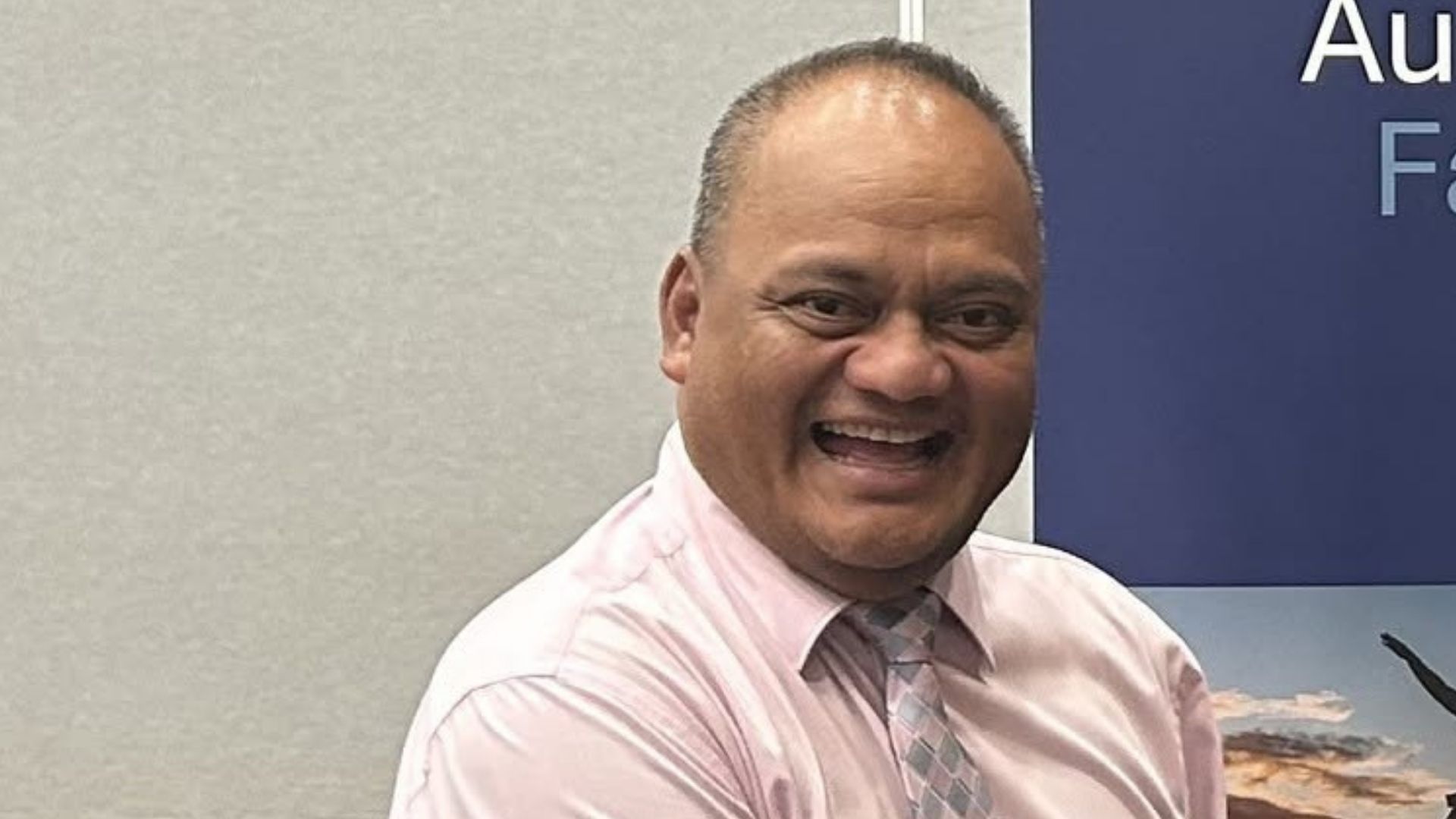
Tuvalu foreign affairs official Pasuna Tuaga says China’s missile test left people in Tuvalu fearing it could trigger a tsunami. Photo/Australian High Commission, Tuvalu
Tuaga said Tuvalu had tried to raise the issue with Beijing but had made little progress. The Pacific nation has also asked Australia, France and the United States to help search nearby waters for the dummy warhead, according to Bloomberg.
Pacific Islands Forum Secretary-General Baron Waqa said at a media conference following the meeting that the missile travelled over the airspace of several Forum members.
“The importance, the seriousness of the test and how the trajectory that went, the missile went over several Forum member countries’ airspace. That is true."
But the Forum's consensus system has made it difficult to agree on a joint response.
“What we’re trying to do here is a combined voice. And that is very, very difficult,” Waqa said.
“We combine our voice, so it becomes louder. If we don’t all agree, then it’s no go.”
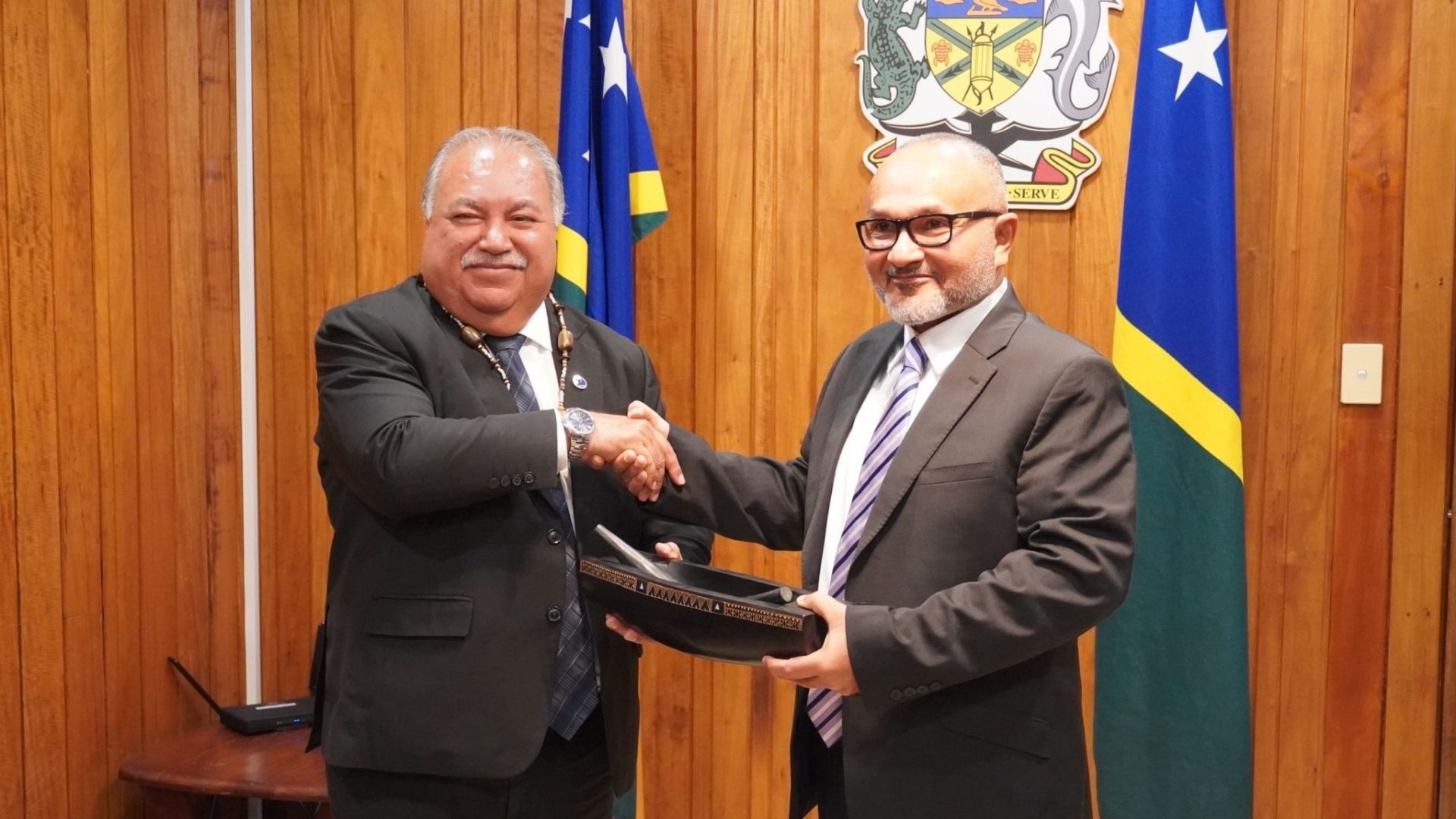
Pacific Islands Forum Secretary-General Baron Waqa and Solomon Islands Prime Minister Matthew Wale: Waqa says the missile travelled over the airspace of several Forum member countries. Photo/Pacific Islands Forum
Fiji has backed calls for a united regional response with Foreign Affairs Minister Sakiasi Ditoka saying missile testing was at odds with the Pacific’s vision of an Ocean of Peace.
“We cannot prosper in an area where there are hostility and competition for power, and we believe firing missiles in this area will not contribute to the kind of region we want,” Ditoka told journalists.
“That’s Fiji’s position. We’d like to stand together with the rest of the region as a united Pacific, doing what is best for the region, which means ensuring it is safe and secure for all its members.”
Australia has also urged China to take note of the concerns raised across the Pacific.
Foreign Minister Penny Wong said the test was “destabilising” and called for greater respect for the region’s Ocean of Peace vision.
“It was a test which was destabilising and in a region where leaders have said we want an ocean of peace, it’s really important that partners respect that,” she told ABC Radio National.
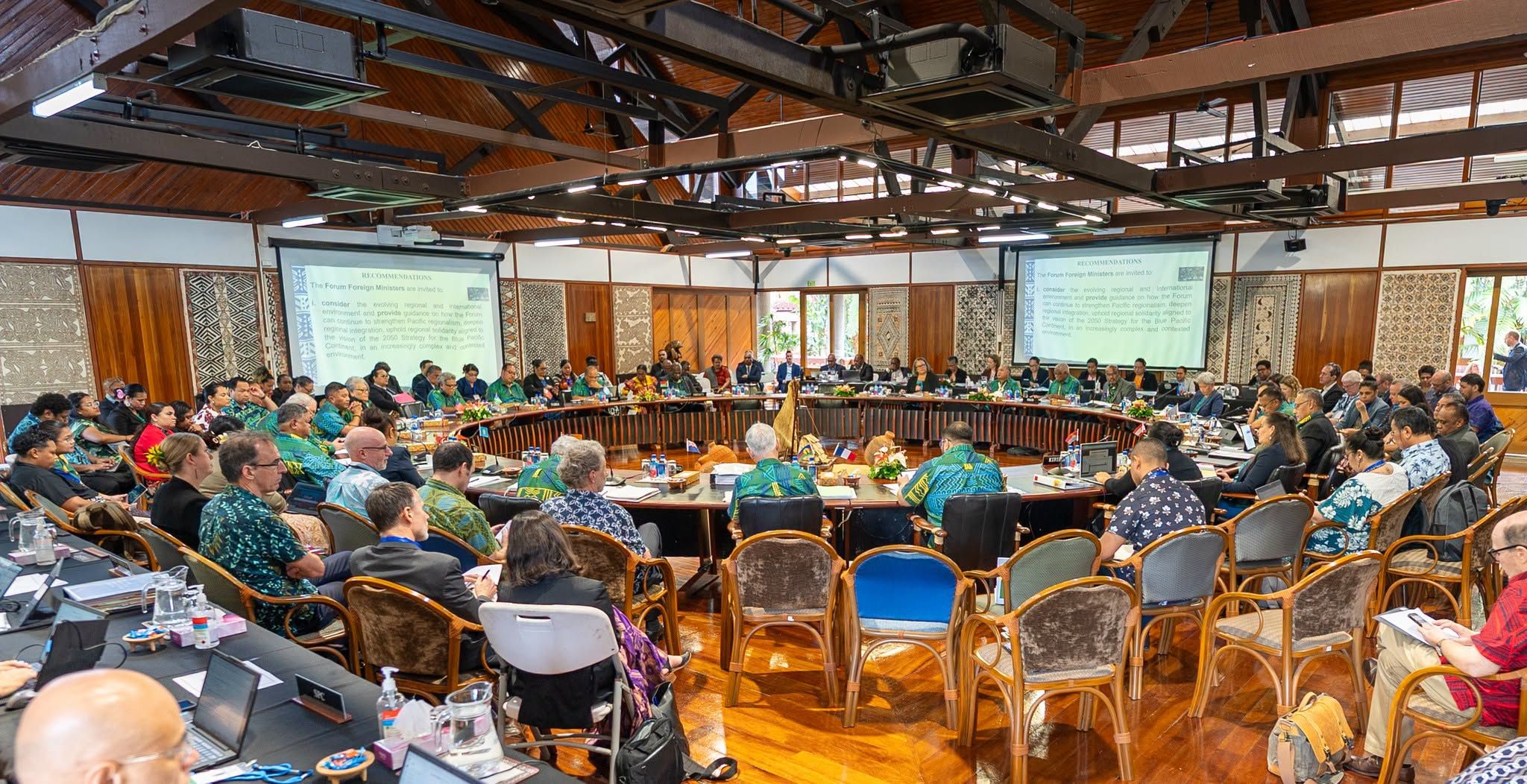
Pacific Islands Forum foreign ministers met in Suva last week where divisions over how to respond to China’s ballistic missile test exposed the challenge of reaching a united regional position. Photo/Pacific Islands Forum
Wale says the review of its China security agreement adds another layer to the debate over who decides the region’s security future.
He said Solomon Islands remains “friends to all and enemies to none” but added that this would not mean accepting secrecy over agreements made in the country’s name.
“On the instruments that bind this nation, there will be no more secrecy. This House and through it our people, must always be fully informed,” he said.
The issue is expected to remain on the regional agenda when Pacific leaders meet in Palau from 30 August to 4 September for the annual Pacific Islands Forum Leaders Meeting.
Taiwan is also expected to attend the leaders’ meeting after being excluded from last year’s gathering in Solomon Islands.