
‘Digging into what we know’: Pacific culture offers a clearer path to better mental health
Atutahi Potaka-DewesTue, 13 Oct
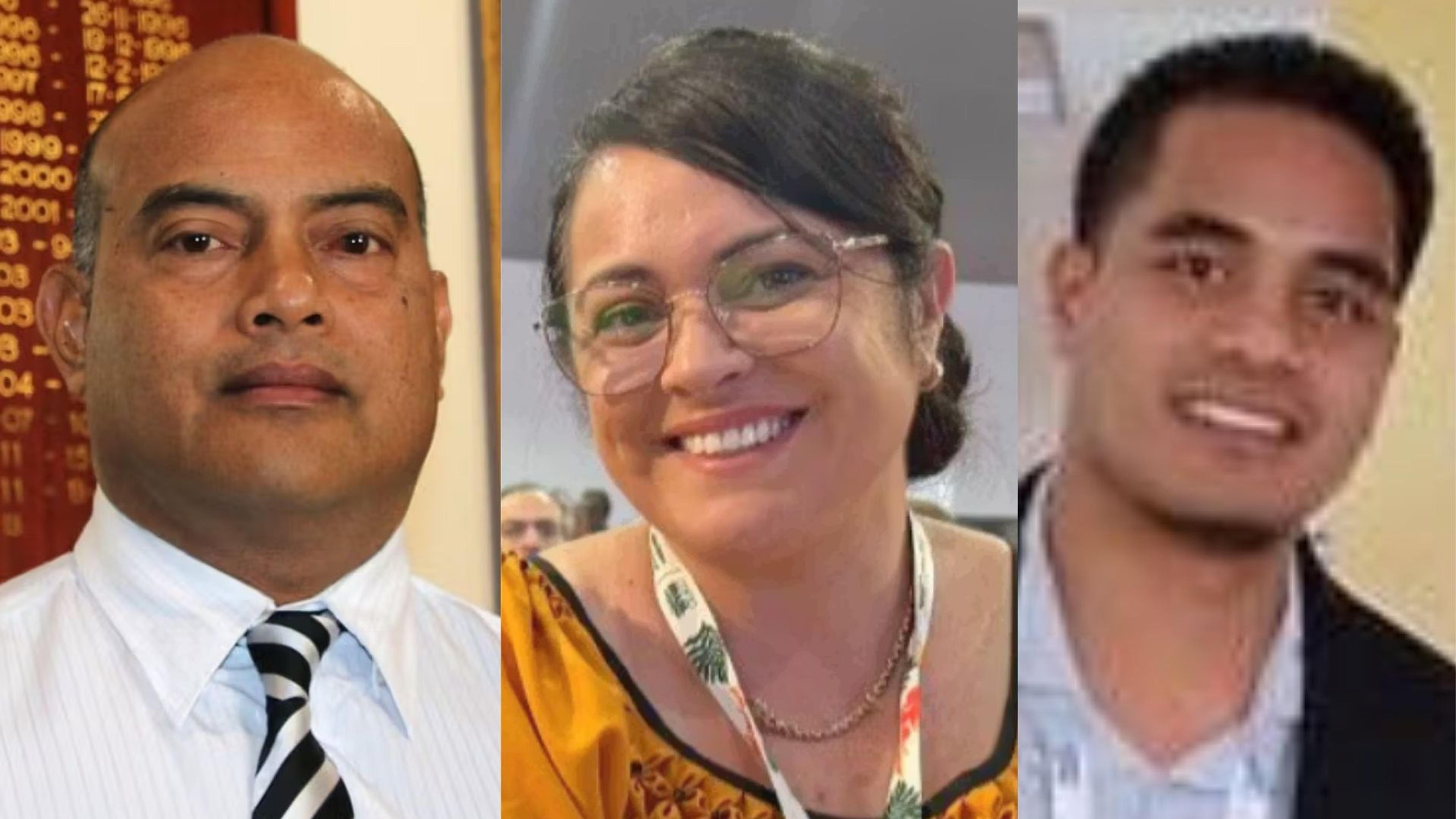
From left: Naoero President David Adeang, Kiribati Minister for Women, Youth, Sport and Social Affairs Ruth Cross-Kwansing and Kiribati researcher Dr Amota Ataneka. They are part of a regional conversation about ancestral names, national identity and sovereignty.
Photo/PMN News composite
As Naoero restores its ancestral name, Kiribati says its current name was chosen to unite the country’s island groups after independence in 1979.


The debate over whether Kiribati should reclaim its ancestral name Tungaru has taken a new turn.
The government says the two names represent different parts of the country’s identity.
The response comes as Naoero President David Adeang tells the United Nations his country has restored its ancestral name, which gives fresh regional context to the discussion in Kiribati.
i-Kiribati researcher Dr Amota Ataneka has called for Members of Parliament to formally consider whether the country should continue to be known as Kiribati or return to the name Tungaru.
Ataneka, a Pacific researcher at the University of Cincinnati in the United States, told local broadcaster BPA that Kiribati was derived from the colonial-era name Gilbert Islands while Tungaru is more closely connected to i-Kiribati history, culture and identity.
But the government in Tarawa says there is no need to choose between the two.
“We have immense love and pride for the name Tungaru,” Minister for Women, Youth, Sport and Social Affairs, Ruth Cross-Kwansing says, describing it as a name that reflects the country's ancestral roots, language, culture and identity.
“At the same time, Kiribati is the sovereign umbrella deliberately forged 47 years ago to embrace all our people, reaching across the Gilberts to the Phoenix and Line Islands.”
She says the issue is still under review and has not been decided by Cabinet or Parliament.

Members of the i-Kiribati community including President Taneti Maamau, far right. The debate over Tungaru and Kiribati names has raised questions about ancestral identity, culture and the country's national identity. Photo/Kiribati government
She also says any formal change would require a constitutional process, rather than simply a parliamentary motion or select committee.
Under Section 69(1) of the Constitution, the government says, changing the Constitution requires a formal Bill and Act.
The Kiribati government's strongest argument is about geography.
Tungaru has traditionally been associated with the Gilbert Islands while the modern Republic of Kiribati includes the Gilbert, Phoenix and Line Islands, as well as Banaba.
Cross-Kwansing says the name Tungaru was considered during the 1977 Constitutional Convention in Tarawa but was rejected because it did not provide what delegates believed was an inclusive identity for people across the country's different island groups.
She says 150 delegates from across the islands took part in that convention.

Kiribati is made up of the Gilbert, Phoenix and Line Islands, as well as Banaba. The Government says the name Kiribati was chosen to provide an inclusive identity across the country's island groups. Photo/Kiribati government
“Kiribati was chosen deliberately as an indigenous adaptation broad enough to unite every atoll and community as equal inheritors of our sovereign state."
That makes the debate more complicated than simply removing a colonial-era name.
The government argues that Kiribati became part of the country's constitutional identity and its journey to independence in 1979.
It says the country spent years developing its own constitutional system before independence, with island-wide constitutional seminars beginning in 1976 and the 1977 convention shaping the Republic that emerged two years later.
The government also points to the practical consequences of a name change, including passports, border systems, international treaties, bilateral agreements and maritime boundary work.
It says the Republic of Kiribati has been its recognised international legal identity for more than four decades and that changing the name could create significant legal and administrative work.
Watch the Maneaban Te Tungaru Society in Aotearoa share why it's important to keep the Kiribati language alive.
The debate has gained extra attention because Naoero has just taken the opposite path.
Speaking at the 81st United Nations General Assembly in New York this week, President David Adeang told world leaders his country had restored its ancestral name.
“Naoero is the name our people used among themselves. Today we restore Naoero. We do not make this choice to erase our past. We make it because we honour it,” Adeang said.
He said the name was about recognising the country's ancestors, language and identity, ending his appeal to the international community with: “Say our name.”
But the Kiribati government says the Naoero example is not a direct comparison.
It says Naoero was already recognised in that country's laws, Constitution and coat of arms, while changing from Kiribati to Tungaru would create a different legal identity and raise wider questions about international agreements and state continuity.
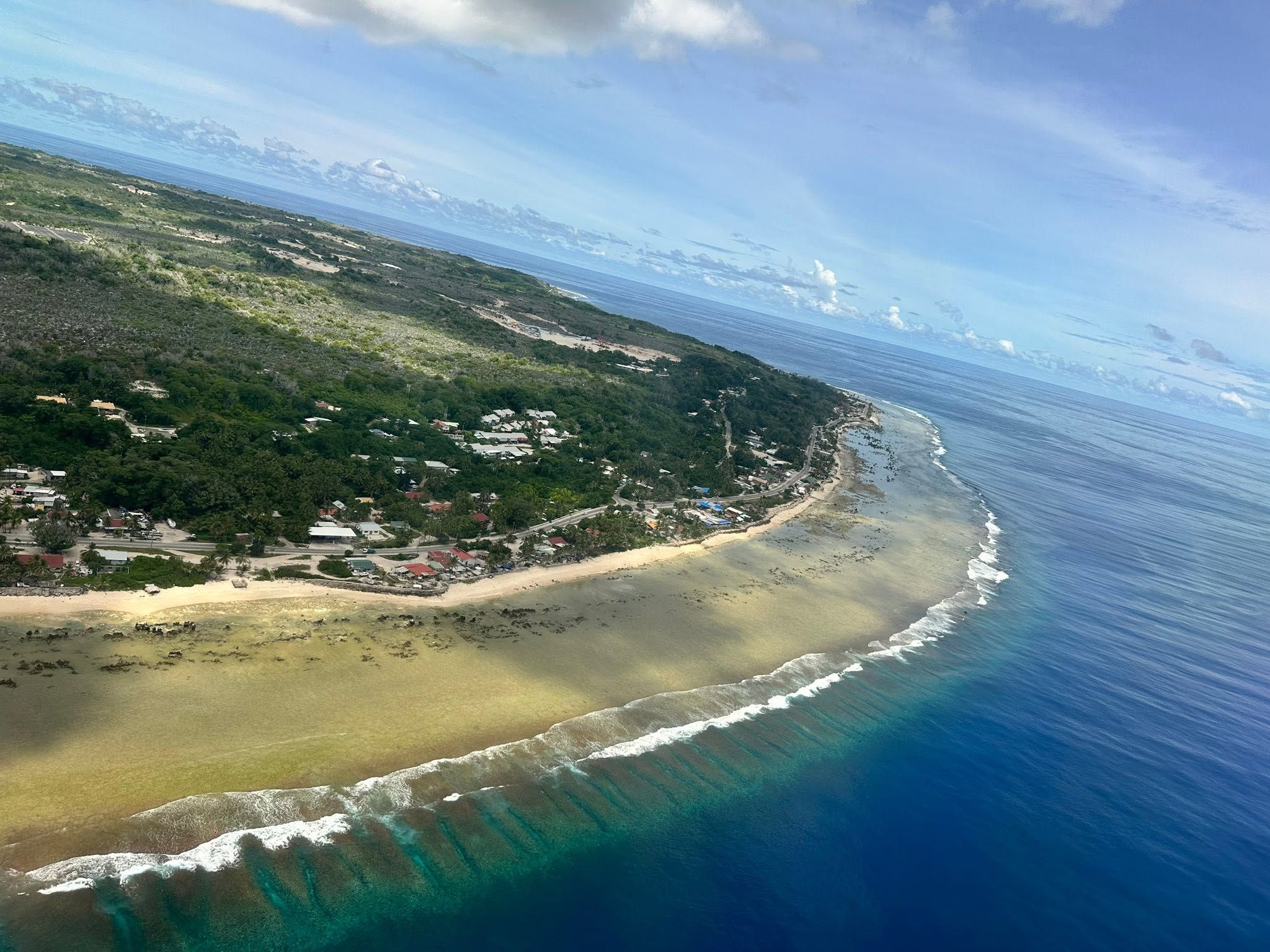
Naoero has restored its ancestral name, with President David Adeang telling the United Nations this week that the change honours the country’s identity, language and history. Photo/Facebook/Sakiasi Ditoko
Ataneka says the debate remains about whether a name rooted in colonial history should continue to define the country.
The government says Tungaru and Kiribati can exist together: one as a powerful expression of ancestral identity, the other as the name that brought the country's widely separated communities together as one independent state.
Minister Cross-Kwansing says anyone wanting a wider discussion about identity should use the nationwide Constitutional Review consultations now taking place across the outer islands.
The debate is therefore not only about whether Kiribati should be renamed but which parts of the country's history, geography and identity its national name should carry into the future.