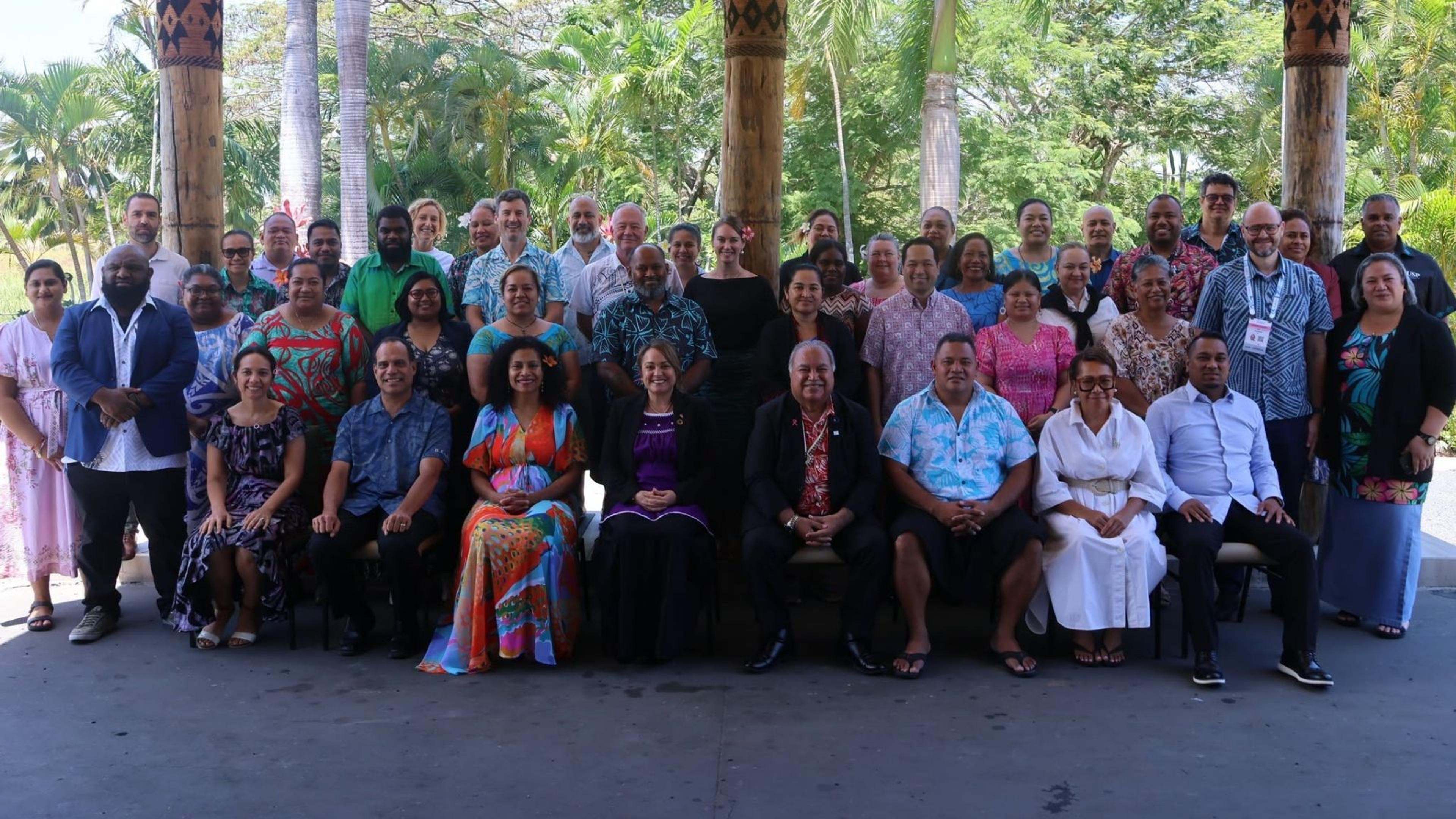
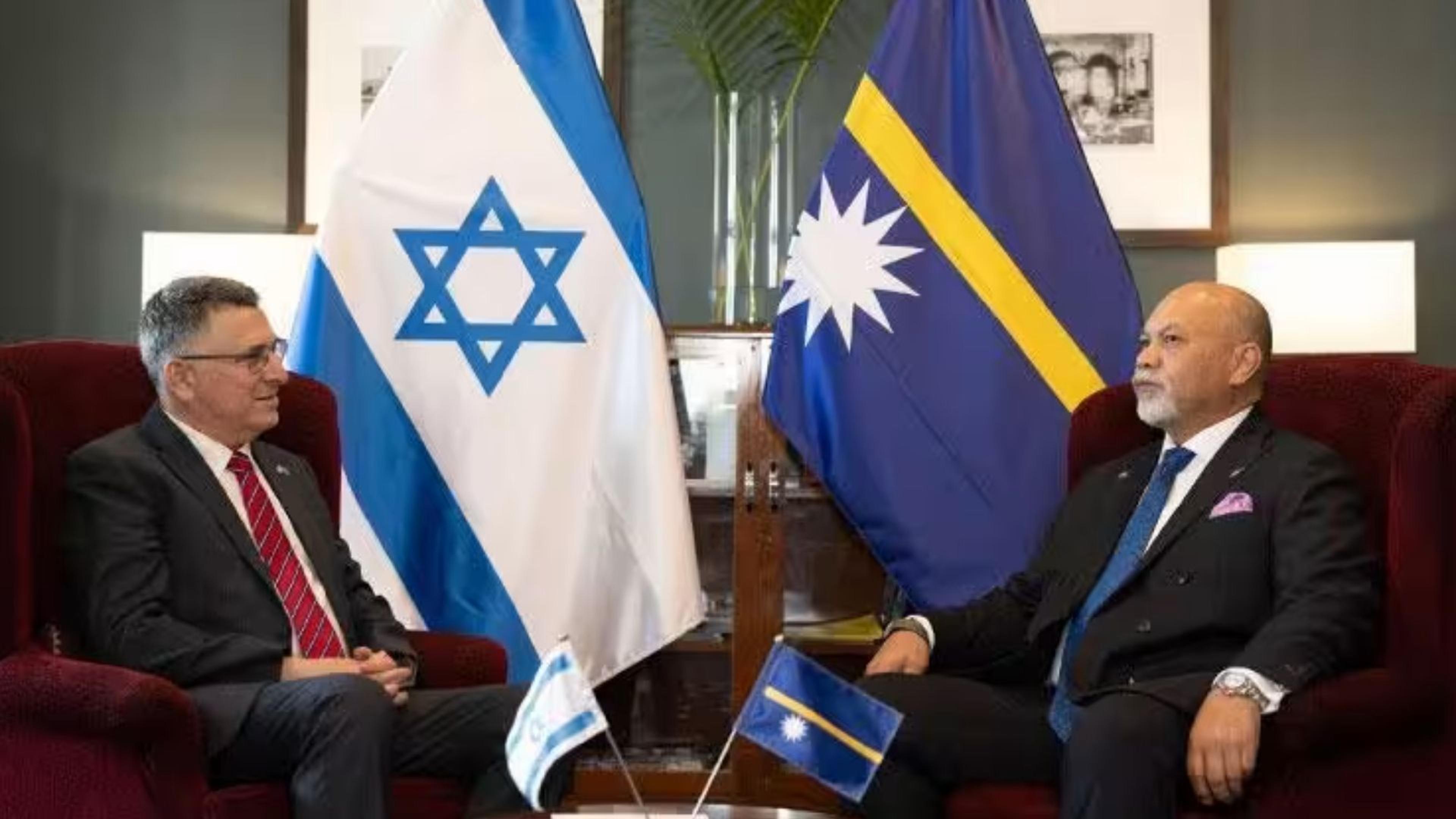
Nauru has officially become the Republic of Naoero as parliament adopts the country's Nauruan name, while plans to open an embassy in Jerusalem continue to draw attention to the Pacific's growing role in global politics.
Photo/Ministry of Foreign Affairs, Nauru
Politics
Republic of Naoero: Nauru's new name comes amid plan for Jerusalem embassy
The Pacific nation has officially changed its name to the Republic of Naoero, as experts warn its planned embassy in Jerusalem reflects the growing pressure small island states face in global diplomacy.

Christine Rovoi
Published
30 July 2026, 10:24am
Share
Copy Link

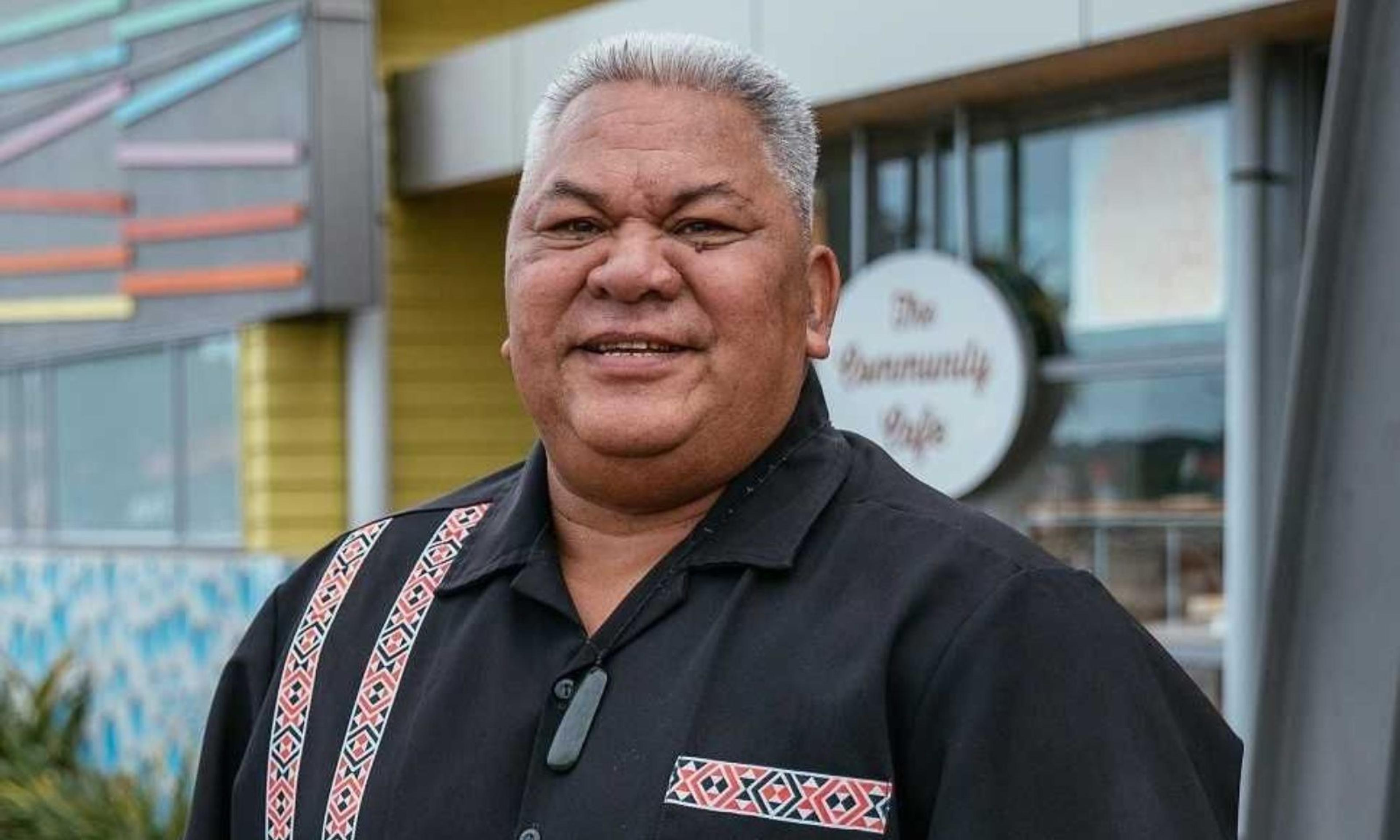
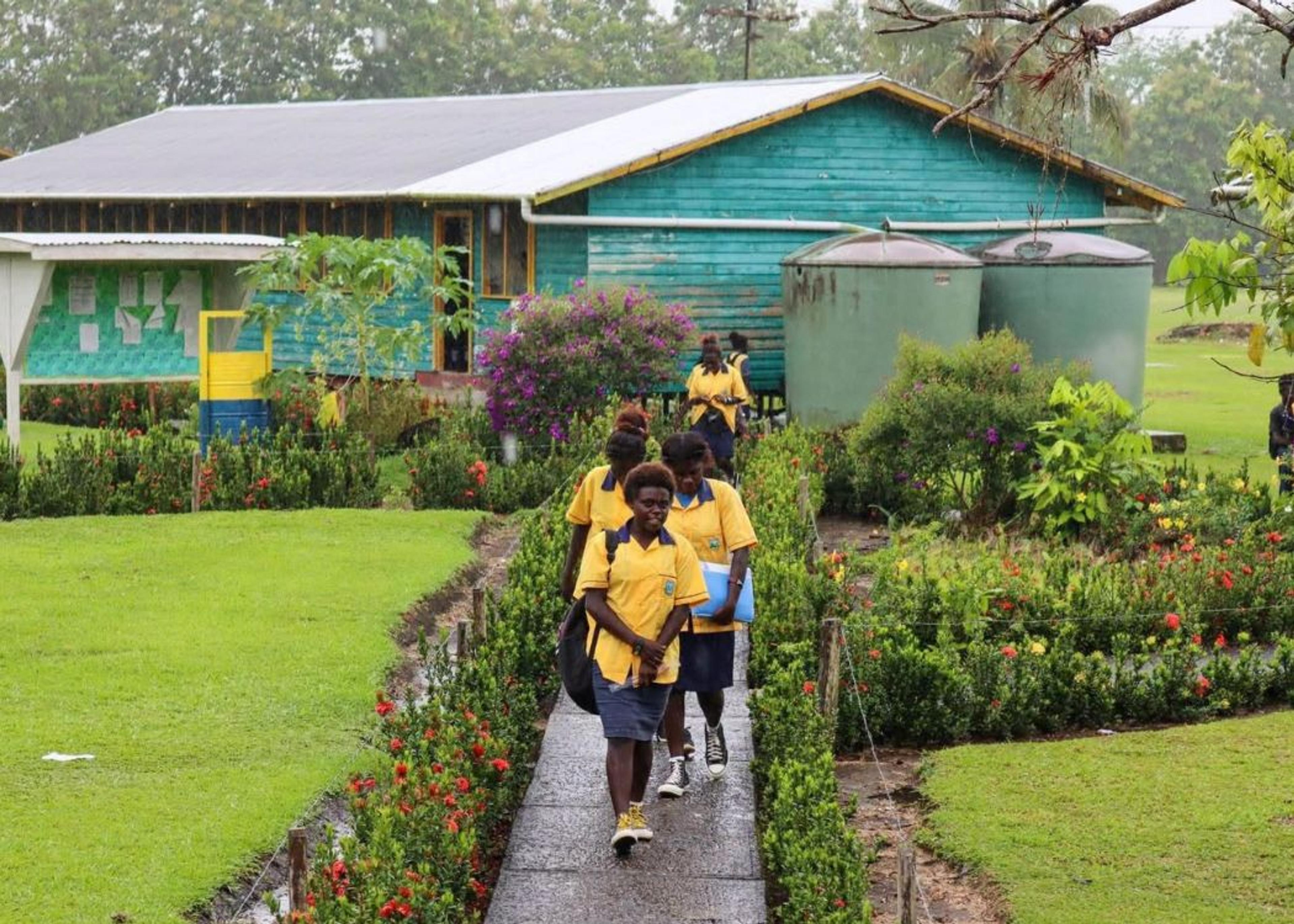
The Republic of Naoero, formerly Nauru, has officially entered a new chapter after parliament approved changing the country's English name from Nauru to its Nauruan name.
As the change takes effect, the Pacific nation is also pressing ahead with plans to open an embassy in Jerusalem, a move Professor Steven Ratuva of the University of Canterbury says reflects the growing challenges small island states face as they balance relationships with global powers.
Naoero's decision to open a mission in Jerusalem follows an agreement reached in June between Vice President and Minister for Foreign Affairs, Trade and Justice, Lionel Aingimea and Israel's Foreign Minister, Gideon Sa’ar, during a meeting in Fiji.
The talks took place after Sa’ar travelled to Suva for the opening of Israel’s embassy in the Fijian capital earlier this month.
The move came as the government officially changed the country's name to Republic of Naoero on Wednesday.
President David Adeang first proposed the name change in January, saying it would "more faithfully honour our nation's heritage, our language, and our identity".
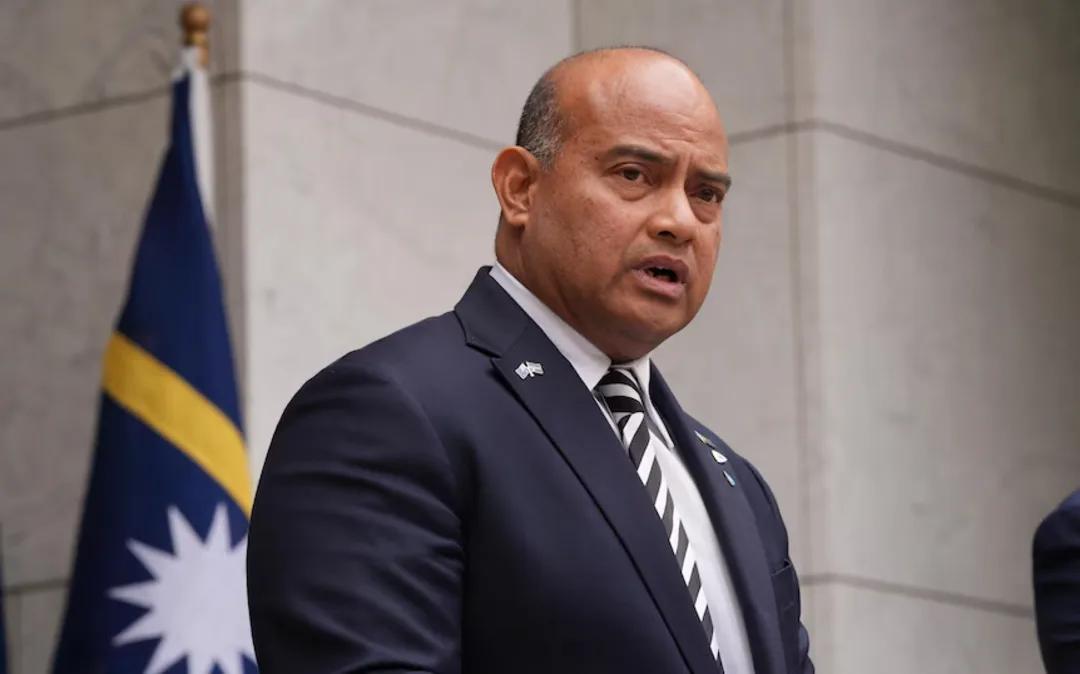
Nauru President David Adeang says the country's official name has been changed to the Republic of Naoero, describing the move as a recognition of the nation's language, identity and cultural heritage. Photo/Nauru government
Parliament approved a constitutional amendment in May to align the country's official English name with its Nauruan name.
While a national referendum had initially been expected, the government later decided it was unnecessary, saying Naoero had always been the country's traditional name, was recognised under the Constitution and already formed part of the nation's identity.
The United Nations was formally notified of the change in June.
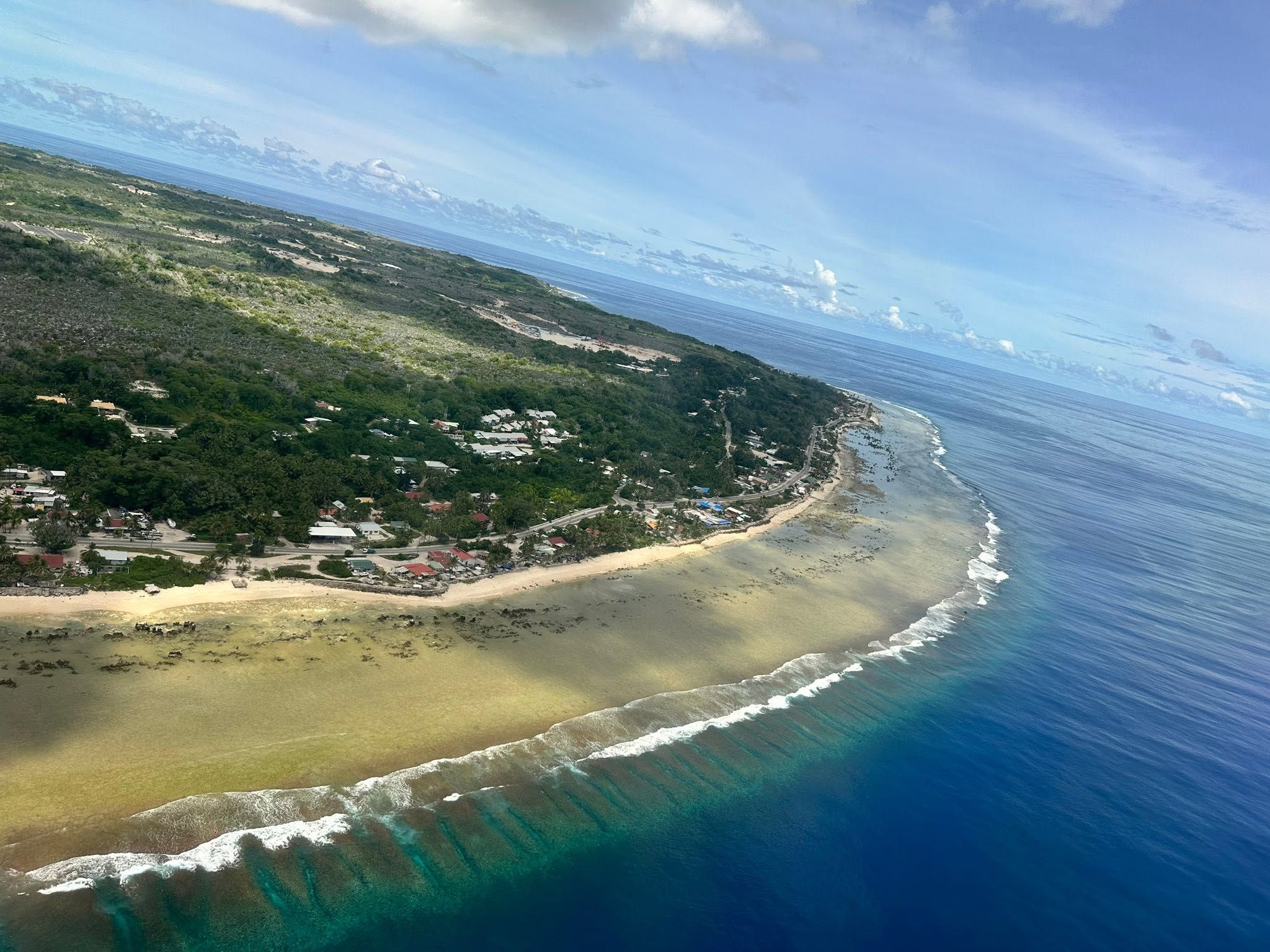
The Republic of Naoero. Photo/MP Sakiasi Ditoko, Fiji
Nauru's embassy in Jerusalem is expected to open in the coming months, making it the latest Pacific country to establish a diplomatic presence in the disputed city.
Fiji and Papua New Guinea have also opened diplomatic missions in Jerusalem, drawing international attention to the region's changing foreign policy choices.
Papua New Guinea Prime Minister James Marape said the decision to open the embassy was a sovereign choice, reflecting his country's Christian values and its desire to strengthen ties with Israel.
Marape said PNG wanted to strengthen its relationship with Israel while also drawing on its development experience.
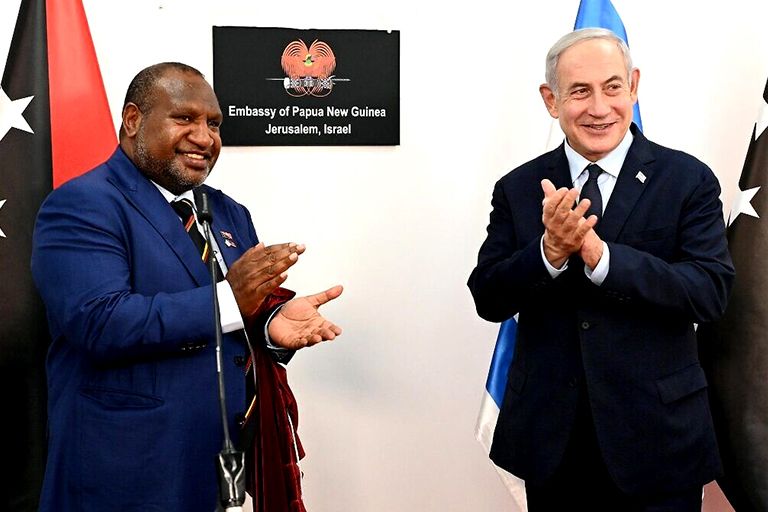
Papua New Guinea Prime Minister James Marape, left, and Israeli Prime Minister Benjamin Netanyahu at the opening of PNG’s embassy in Jerusalem on 5 September 2023. Photo/Department of Foreign Affairs, PNG
Fiji Prime Minister Sitiveni Rabuka has also defended Fiji's decision, saying the move reflected a long-standing government decision and was aimed at strengthening ties with Israel.
Rabuka said this included cooperation in areas such as agriculture, technology and security.
The move has also drawn criticism from Palestinian advocacy groups, with the Palestine Solidarity Network Aotearoa (PSNA) questioning the growing number of Pacific diplomatic missions in Jerusalem.
Speaking with Khalia Strong on Pacific Mornings, Rinad Tamimi PSNA national spokesperson said the location of the embassies carried political significance because Jerusalem remains a disputed city.
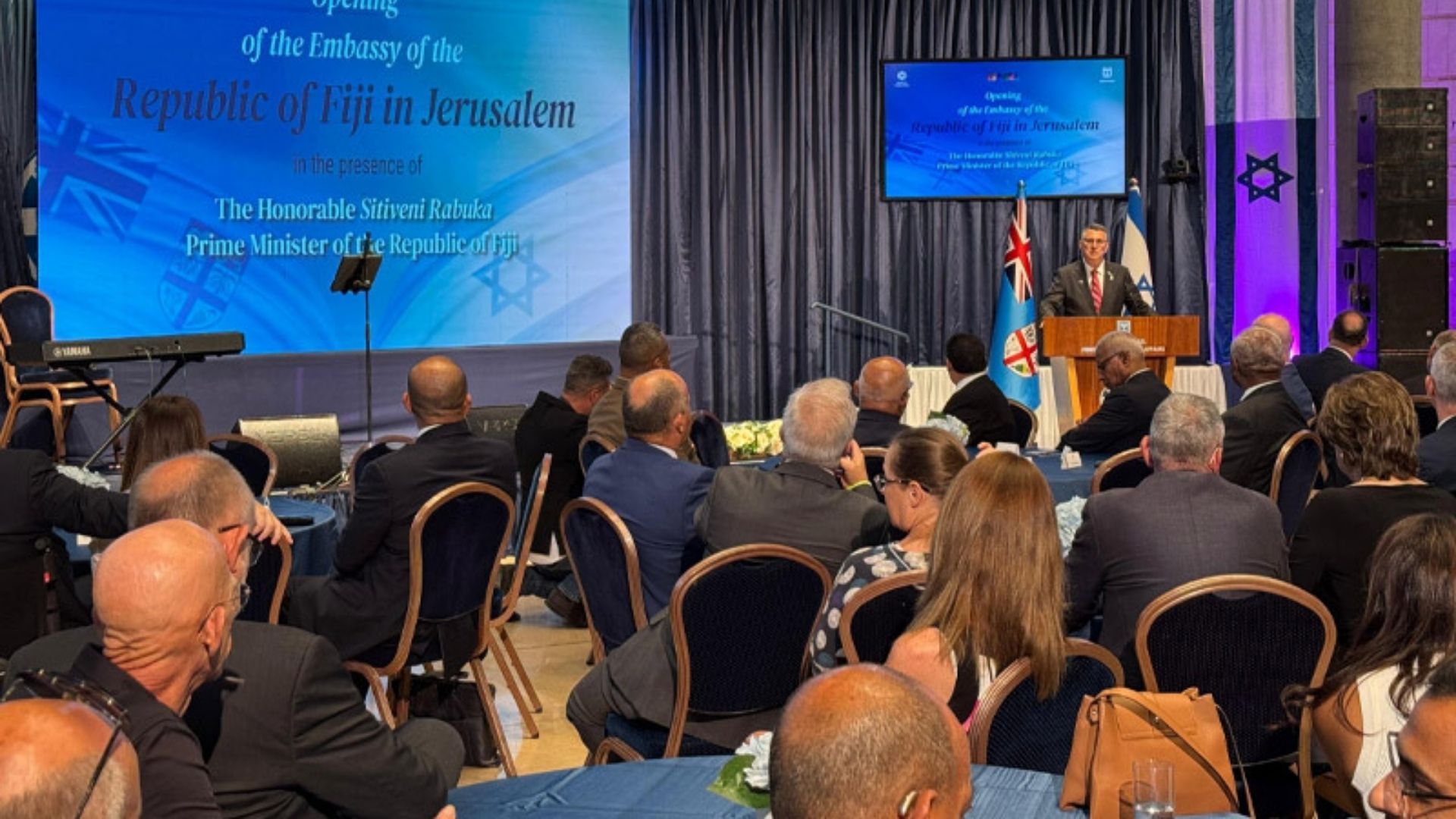
Israeli Foreign Minister Gideon Sa'ar delivers his address at the opening of the Fiji embassy in Jerusalem on 17 September, 2025. Photo/Ministry of Foreign Affairs, Israel
"By having embassies being placed in Jerusalem, we're kind of just giving the sovereignty for Israel to take over that city," she said.
Tamimi said PSNA was concerned Pacific countries could be influenced by diplomatic and economic incentives from larger powers.
"It just feels like the Pacific peoples are having their principles sold out by their leaders. Having an embassy opening up in Jerusalem and not Tel Aviv is a very big sign there.
"International law, United Nations, we're wanting their votes. We don't want their votes against us," Tamimi said.
Listen to Rinad Tamimi's full interview below.
Ratuva told Strong Pacific countries have the sovereign right to make their own decisions, but must consider the wider implications.
"Countries have the right to decide. So it's a sovereign right," he said. "But of course, it's important to kind of see things in the big picture."
Ratuva said diplomatic relationships in the Pacific have often been shaped by a mix of historical, religious and political factors, rather than direct economic benefits.
"The Pacific countries don't gain anything economically from Israel. But the link is more to do with religion and that connection."
He said some Pacific countries have maintained long-standing support for Israel because of religious beliefs and historical connections. But he warned those decisions could bring international criticism.
"A lot of Pacific island states are doing things against the grain of international opinion," Ratuva told Strong.
"And so, in terms of how it brings about negative international attention is something that we have to be wary of."
Ratuva said Pacific nations needed to be cautious about becoming tools in wider global contests for influence.
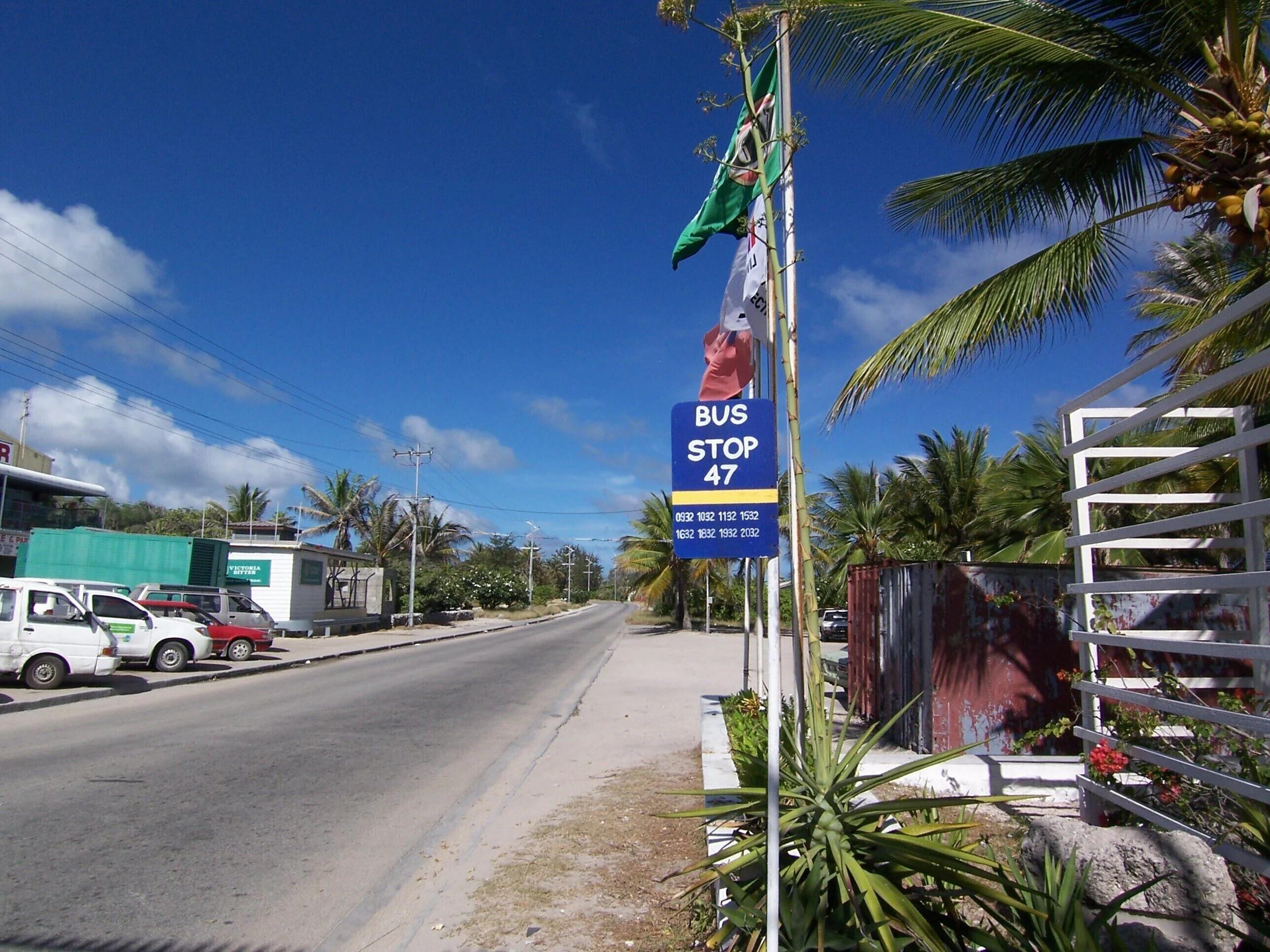
The Pacific island nation formerly known as Nauru has officially adopted the name Republic of Naoero, aligning its English name with its traditional Nauruan name as part of a constitutional amendment. Photo/expedia.com
He compared the situation to previous diplomatic competition between China and Taiwan where Pacific countries became important because of their votes at the United Nations.
"It's the same kind of game China and Taiwan were playing because they needed the votes in the United Nations," he said. "And other big countries, and Israel is doing the same thing."
Ratuva said the challenge for Pacific nations was maintaining independence while navigating pressure from larger powers.
He said Pacific governments should continue to make their own decisions but those decisions should be guided by a clear understanding of the consequences.
Watch Steven Ratuva's full interview below.
"That's why it's important for us in the Pacific to build up that sense of resilience to be independent enough rather than to be used by any power as they want."
He says the issue reflects the broader challenge facing the Pacific as countries seek to protect their independence while managing relationships with increasingly influential global powers.