
Tofiga Fepulea’i brings the laughs while taking top honours at Arts Pasifika Awards
Aui'a Vaimaila Leatinu'uFri, 23 Oct
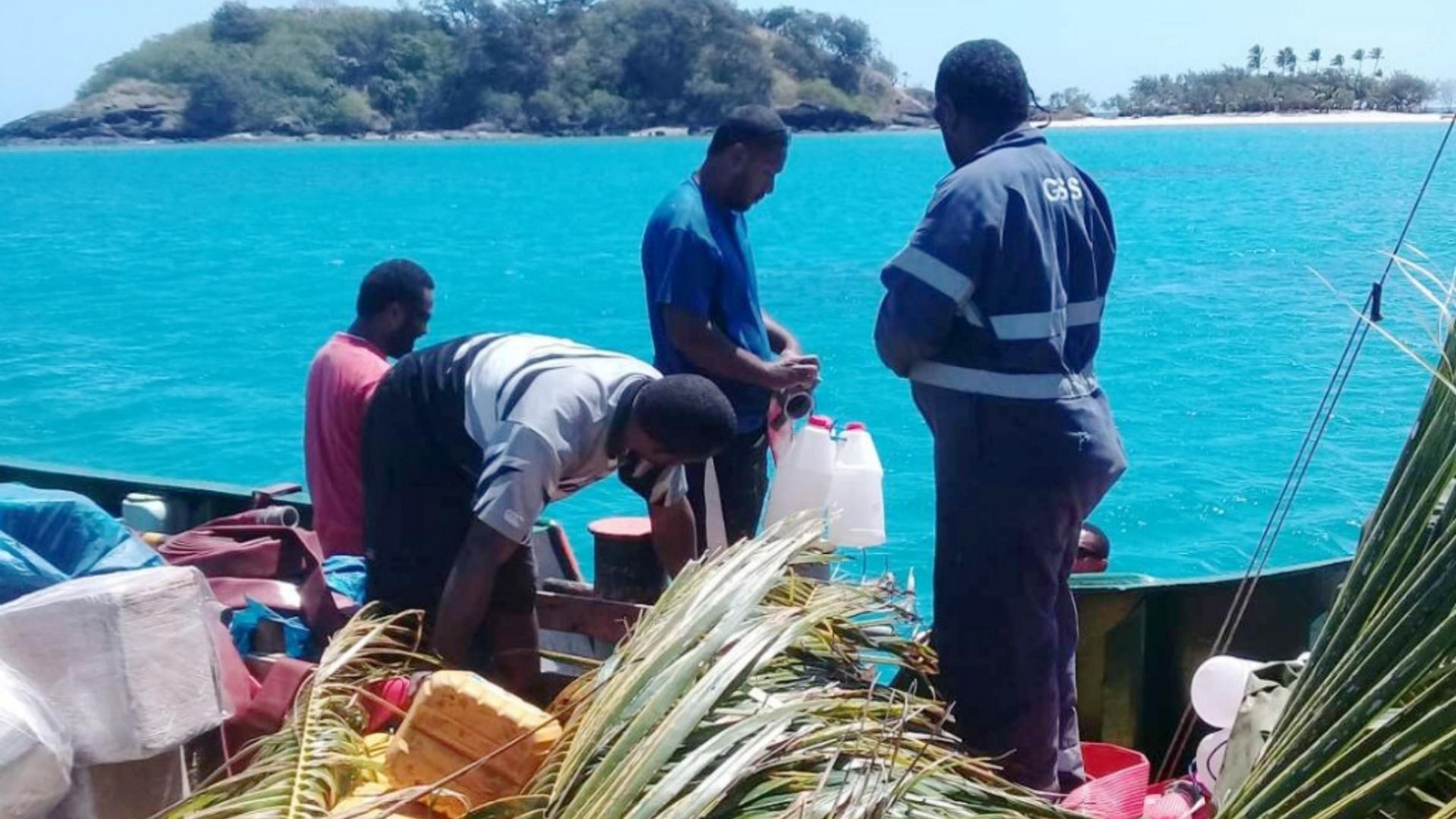
Fiji plans to place 15 per cent of its Exclusive Economic Zone under protection by the end of 2026 as part of efforts to combat illegal fishing and safeguard marine resources for future generations.
Photo/Supplied
The government plans to place 15 per cent of its vast ocean territory under marine protection by the end of 2026.

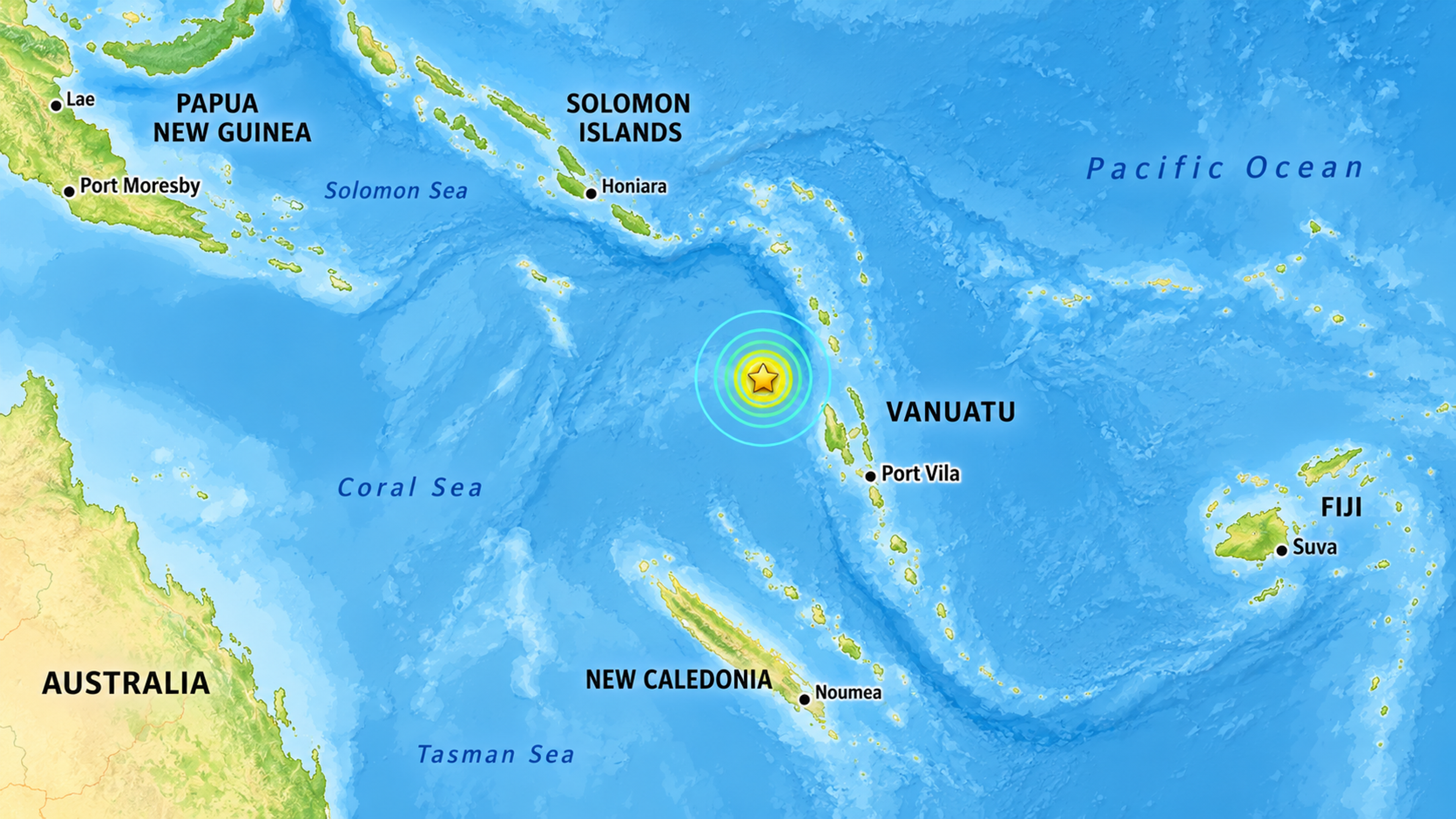


Fiji plans to place 15 per cent of its vast ocean territory under full protection by the end of 2026.
The proposl comes as the country steps up efforts to combat illegal fishing and safeguard fish stocks for future generations.
The move marks a major milestone towards the country's commitment to protect 30 per cent of its ocean territory by 2030 under the global "30x30" conservation target.
For Pacific nations that rely on the ocean for food, income and cultural identity, the stakes are high.
Fiji's Ministry of Fisheries says growing pressure from illegal fishing, climate change, and environmental damage is threatening both marine ecosystems and local livelihoods.
“Fisheries resources are under pressure due to overfishing, climate change, coastal development and land runoffs," the ministry said in a statement.
"The illegal, unreported, and unregulated (IUU) fishing within Fiji’s fisheries waters significantly diminishes fish stocks and is destructive to coral reefs.”
The announcement was reinforced at the recent Melanesian Ocean Summit in Port Moresby where leaders highlighted the need for greater regional cooperation to protect Pacific waters.
A key part of that effort is the Melanesian Ocean Corridor of Reserves (MOCOR), a partnership involving Fiji, Papua New Guinea and Vanuatu that aims to strengthen ocean conservation across Melanesia.
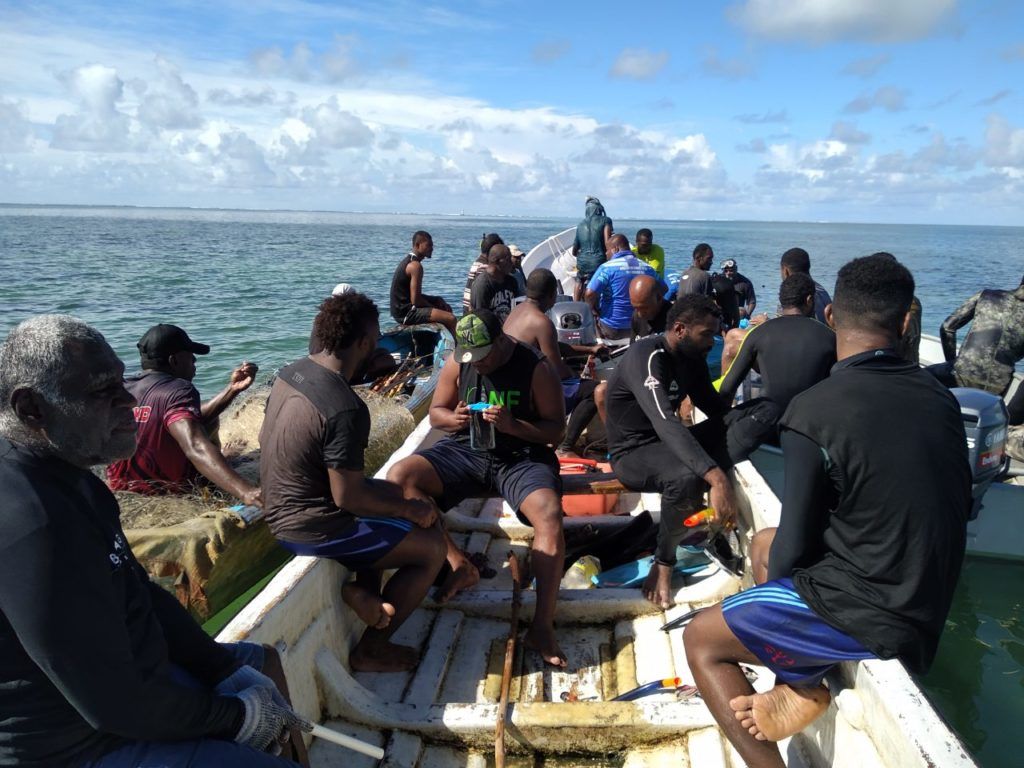
Traditional fishing grounds and community-led conservation efforts will play a key role in Fiji's push to expand protected ocean areas and strengthen marine biodiversity. Photo/The Fiji Times/Jona Konataci
Fiji has positioned ocean protection as a key part of its long-term fisheries and climate strategy.
The initiative also builds on Fiji's long tradition of community-led marine management. Across the country, iTaukei fishing grounds, known as qoliqoli, have long been managed through customary practices.
This includes tabu areas where fishing is restricted to allow fish stocks to recover.
Support from traditional leaders and local communities is expected to play a major role in the success of the new protected areas.
Watch Fiji's Minister for Defence and Veteran Affairs Pio Tikoduadua address Parliament about the drug crisis and what the government plans to do to cover the huge expanse of ocean within the country's EEZ below.
Speaking at the summit, Vanuatu Prime Minister Jotham Napat said Pacific countries were determined to protect their ocean resources for future generations.
“We are not sacrificing our ocean to save it," Napat said. "We are choosing protection over extraction, and the long memory of our ancestors over the short-term interests of others.”
Monitoring such a large area remains a challenge. Fiji's EEZ covers about 1.3 million square kilometres, more than 70 times the size of its land area.
To help enforce the protected zones, authorities are increasingly relying on technology, including vessel tracking systems, satellite imagery and other monitoring tools.
“The Fiji Fisheries Surveillance and Operation Centre leads this effort, using advanced vessel tracking, satellite imagery and modern monitoring systems to watch over our waters,” the ministry said.
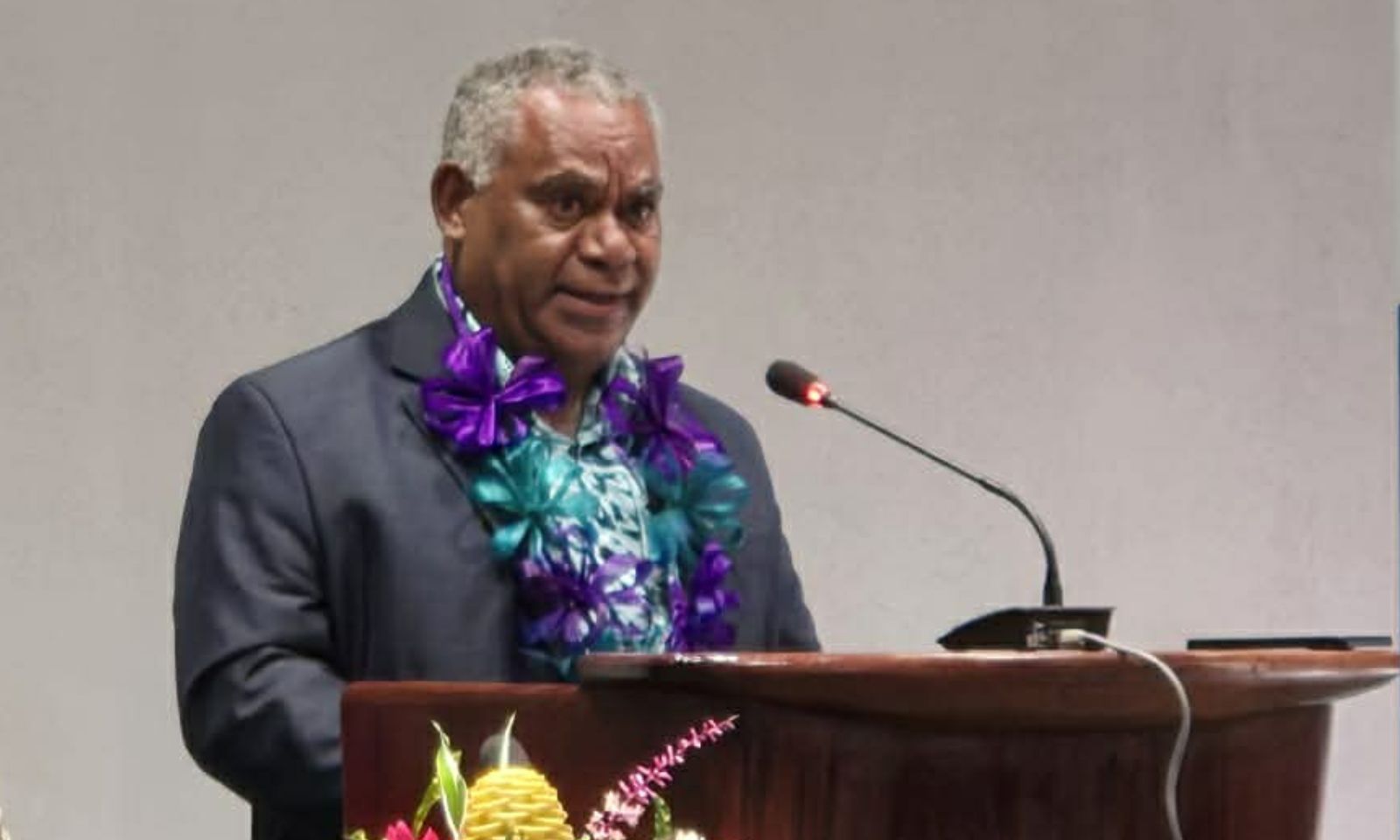
Vanuatu Prime Minister Jotham Napat says Pacific countries are determined to protect their ocean resources for future generations. Photo/Facebook/Pacific Islands Forum
The government is also investing in community-based aquaculture, solar-powered fisheries infrastructure and deepwater fisheries development to help support coastal communities while conservation measures are expanded.
With illegal fishing and climate pressures growing across the region, Fiji says protecting its waters now is essential to securing food supplies, livelihoods and healthy oceans for future generations.