Seymour targets office karakia as Aupito warns of a ‘culture war’
Thomas Tarurongo WynneFri, 23 Oct
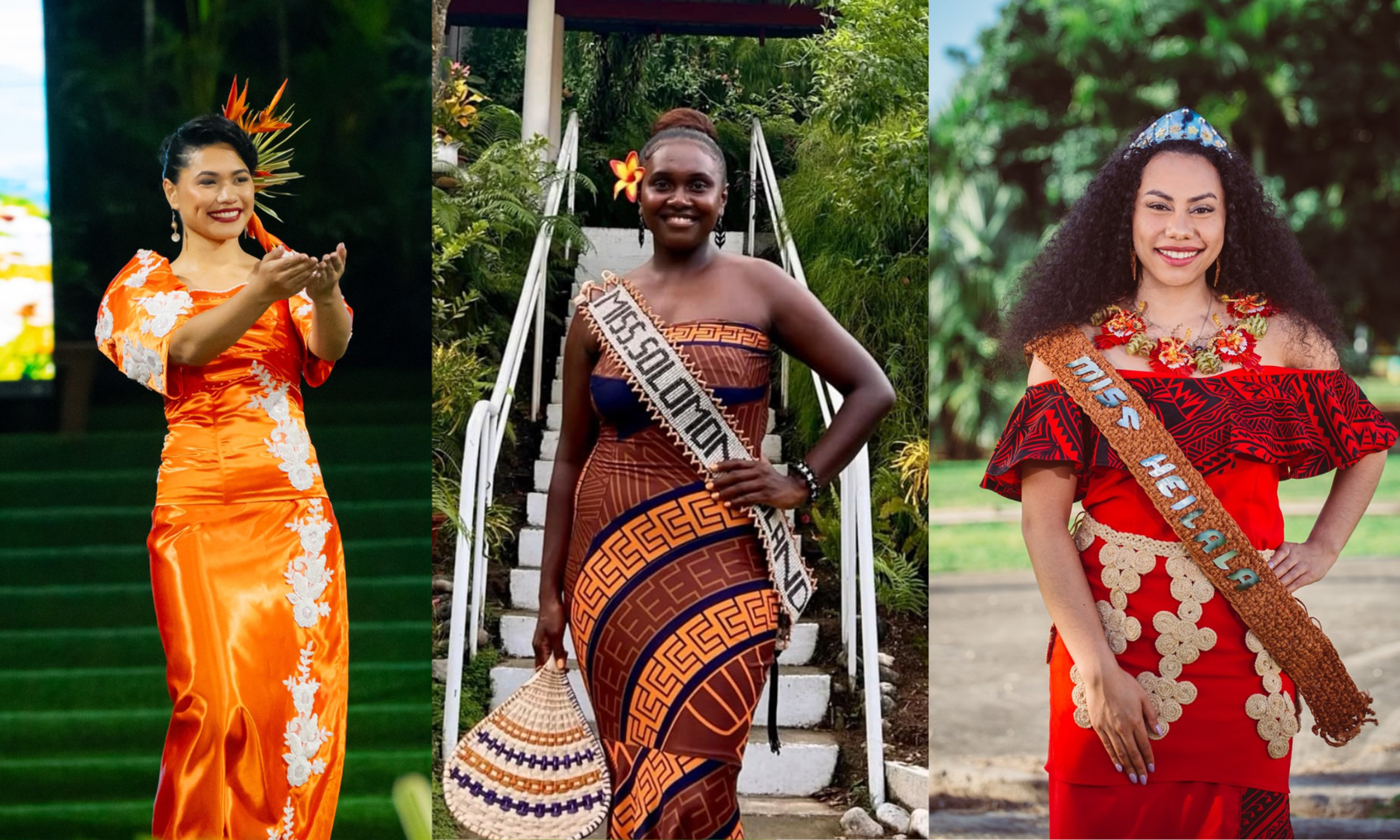
(From left) Maruseana Sititi, Elsie Polosovai, and Kalolaine Funganitao.
Photo/Facebook/PMN Composite
As debate continues around the 2026 Miss Pacific Islands pageant, former contestants are calling for clearer judging, stronger safeguards, and an end to online attacks facing Pasifika women on stage.

The conversation around the Miss Pacific Islands Pageant is far from over and now, former contestants are adding their voices.
As scrutiny continues over judging transparency at the 2026 event, three Pacific queens say the region must look beyond the crown and confront deeper issues, including colourism and the growing wave of online abuse directed at contestants.
Speaking with Carolanne Toetu’u on Pacific Days, Kalolaine Funganitao (Miss Heilala - Tonga), Elsie Polosovai (Miss Solomon Islands 2024), and Maruseana Sititi (Miss Sāmoa 2025 1st Runner-up) shared their experiences of life behind the sash.
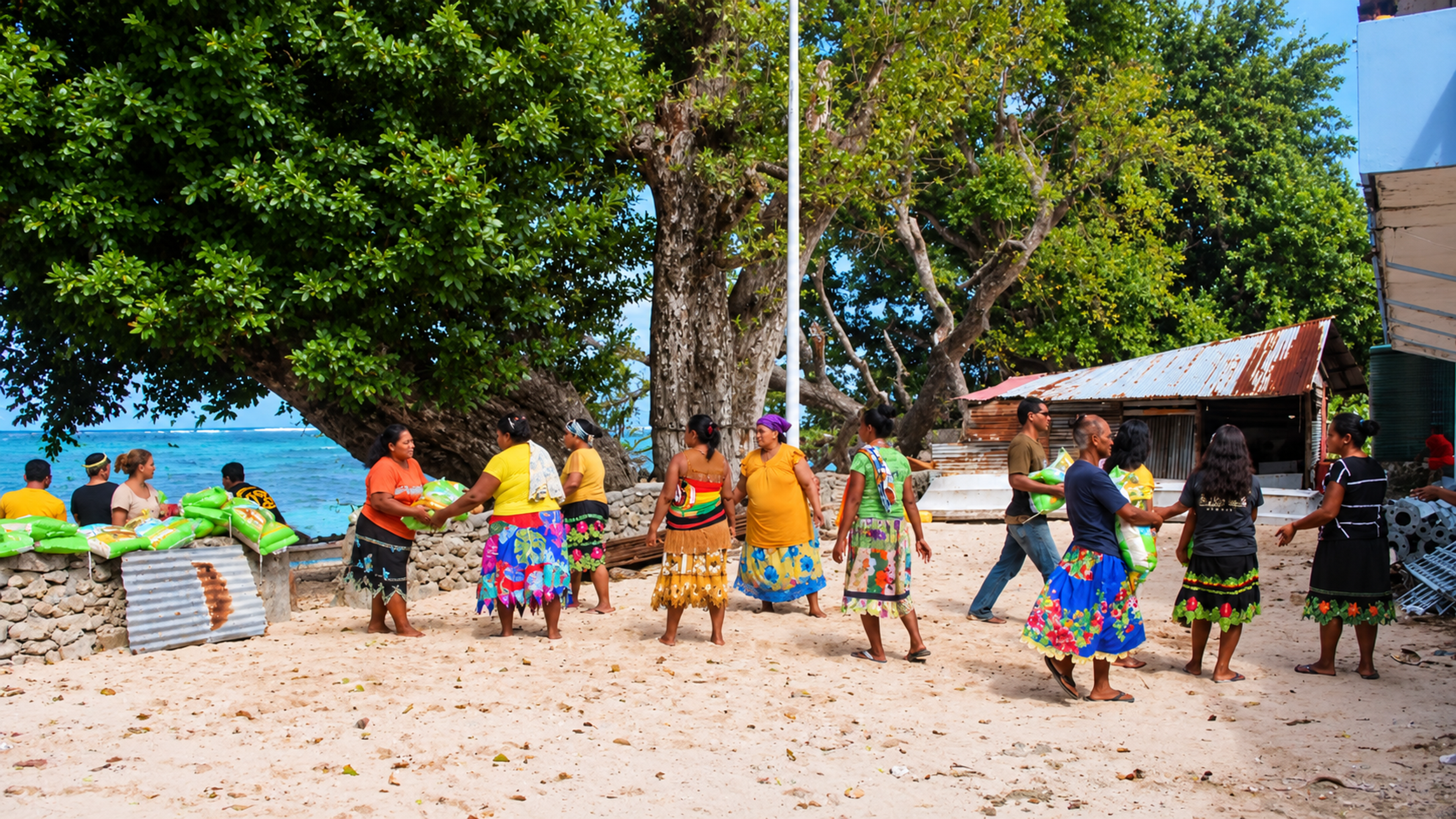
Across Polynesia, Melanesia, and Micronesia, national pageants such as Miss Heilala, Miss Hibiscus, and Miss Teuila remain powerful cultural spaces.
They celebrate language, heritage, service and identity. For many young women, they are platforms for education and advocacy. But the young women said the pressure can be intense.
The 2026 Miss Pacific Islands Pageant drew online criticism from some viewers who questioned aspects of the judging process.
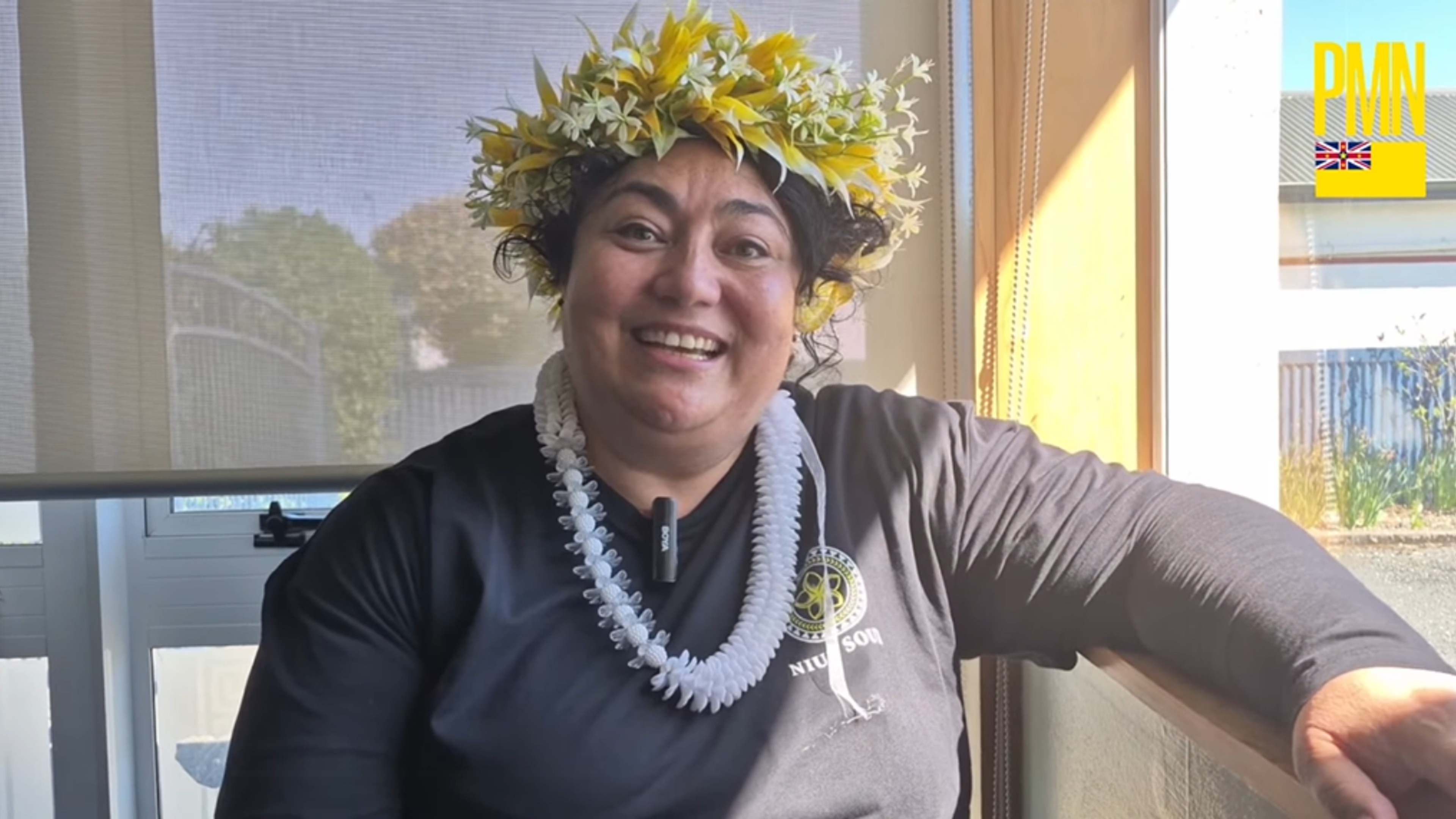
Watch the full panel discussion below.
Pageant organisers have maintained that judging followed established guidelines, that judges were selected for their regional experience, and that the results reflect the integrity of the process.
Still, the public reaction has reignited long-running concerns. “I just hope people don't see the validity of girls or their cultural backgrounds from the lens of five judges that rank them on stage," Polosovai said.
Funganitao reflected on her widely shared 2019 farewell speech when she chose to speak openly about her own experience and not deliver a traditional closing message.
Looking back, she said she felt compelled to be honest about what she has personally encountered behing the scenes.
“I thought, do I just say my nice speech, thank everybody and move on, crowning the next girl knowing what I know,” she says. “Or should I use that as a time to share the honest truth of what happens in the background, at least what's happened to me in the background.”
She described contestants as often being exhausted and under pressure during competition periods and said stronger support systems could help protect their wellbeing.
Colourism was another issue raised during the discussion. The panel noted that only a small number of Melanesiam women (six) have won the regional title in its nearly four-decade history. A point that has been widely debated on social media in recent years.
Polosovai said pageants are a “reflection of our society” and its social attitudes. “Just seeing how people were so open and so willingly comfortable to talk, how they talk about women on our public platforms, says a lot about what we tolerate in our societies as well.”
Sititi agreed, saying difficult conversations are necessary if Pacific communities want to build a more inclusive future for young women across the region.

Comments online responding to Miss Fiji's crowing as the 2026 Miss Pacific Islands. Photo/Screenshot/Facebook
Online abuse was a shared experience among the panel. They spoke of harsh comments, personal criticism, and the emotional toll of constant public judgement.
One said she removed social media apps to protect her mental health while others leaned on family and faith for support.
Despite the criticism, none of them called for Pacific pageantry to end. Instead, they said they must adapt.
“A pageant shouldn't be one's whole world because you have so much more to offer, crown or no crown.” Sititi said.
As the regional debate continues, these Pacific queens say reform not silence is the way forward.
Funganitao said the cultural foundations remain strong but that clearer safeguards and governance would help strengthen trust in the system.