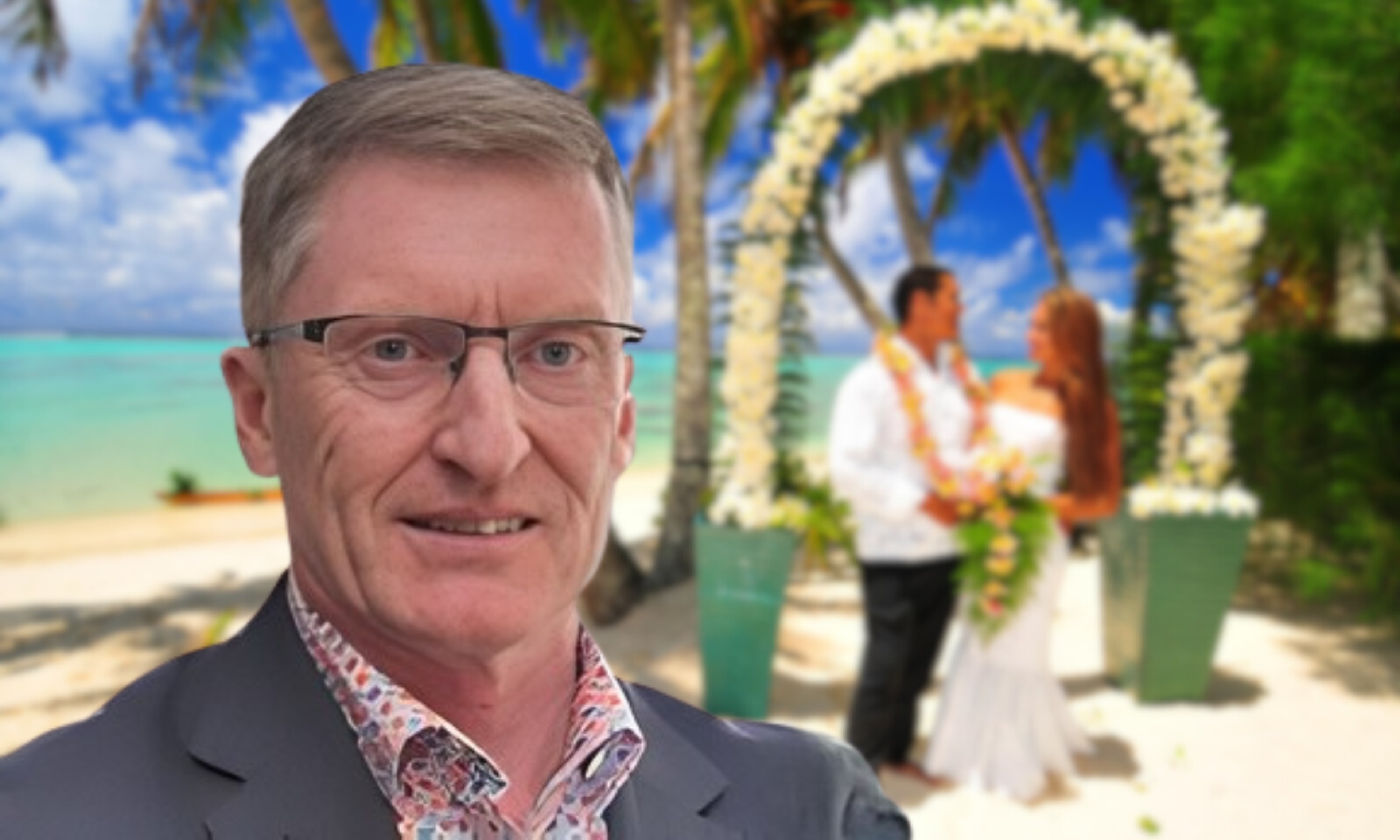
SPC's Jeff Montgomery says the world-first system could be used as a blueprint for other Pacific nations.
Photo/SPC/Travel Online
Pacific Region
From the cradle to the grave: Cook Islands modernises civil registration process
The world-first system aims to provide easy access to vital records for passports, schooling and healthcare.

Khalia Strong
Published
05 March 2026, 11:09am
Share
Copy Link
Top stories
'Nightmare': Why NZ govt declined visa for woman stranded in the Cook Islands
Shalveen Chand, Cook Islands NewsWed, 14 Oct
Kiwis’ forward pack holds key to World Cup opening clash against Australia, experts say
Elton Lonaratha JnrThu, 15 Oct
Niue wildfire burned for nine days as new truck arrives from Aotearoa
PMN NewsThu, 15 Oct
Top stories
'Nightmare': Why NZ govt declined visa for woman stranded in the Cook Islands
Shalveen Chand, Cook Islands NewsWed, 14 Oct
Kiwis’ forward pack holds key to World Cup opening clash against Australia, experts say
Elton Lonaratha JnrThu, 15 Oct
Niue wildfire burned for nine days as new truck arrives from Aotearoa
PMN NewsThu, 15 Oct
A baby is born, and a person dies in the Cook Islands, everyday events, but the first registered in a world-first digital system for civil registration.
On 3 March, the Cook Islands launched Te Reinga Ora’anga in Avarua, with technical support from SPC and funding from Bloomberg Philanthropies.
Across the Pacific, around half of all births and most deaths go unregistered, leaving children, families and governments without crucial records.
Jeff Montgomery, a civil registration specialist with the Pacific Community (SPC), says not existing on paper has wide-ranging personal and societal impact.
“For an individual, the registration of their birth is the first legal identity that the person has,“ he tells William Terite on Pacific Mornings.
“It means they can get a passport, go to school, join a sports club, vote, and access government benefits.”
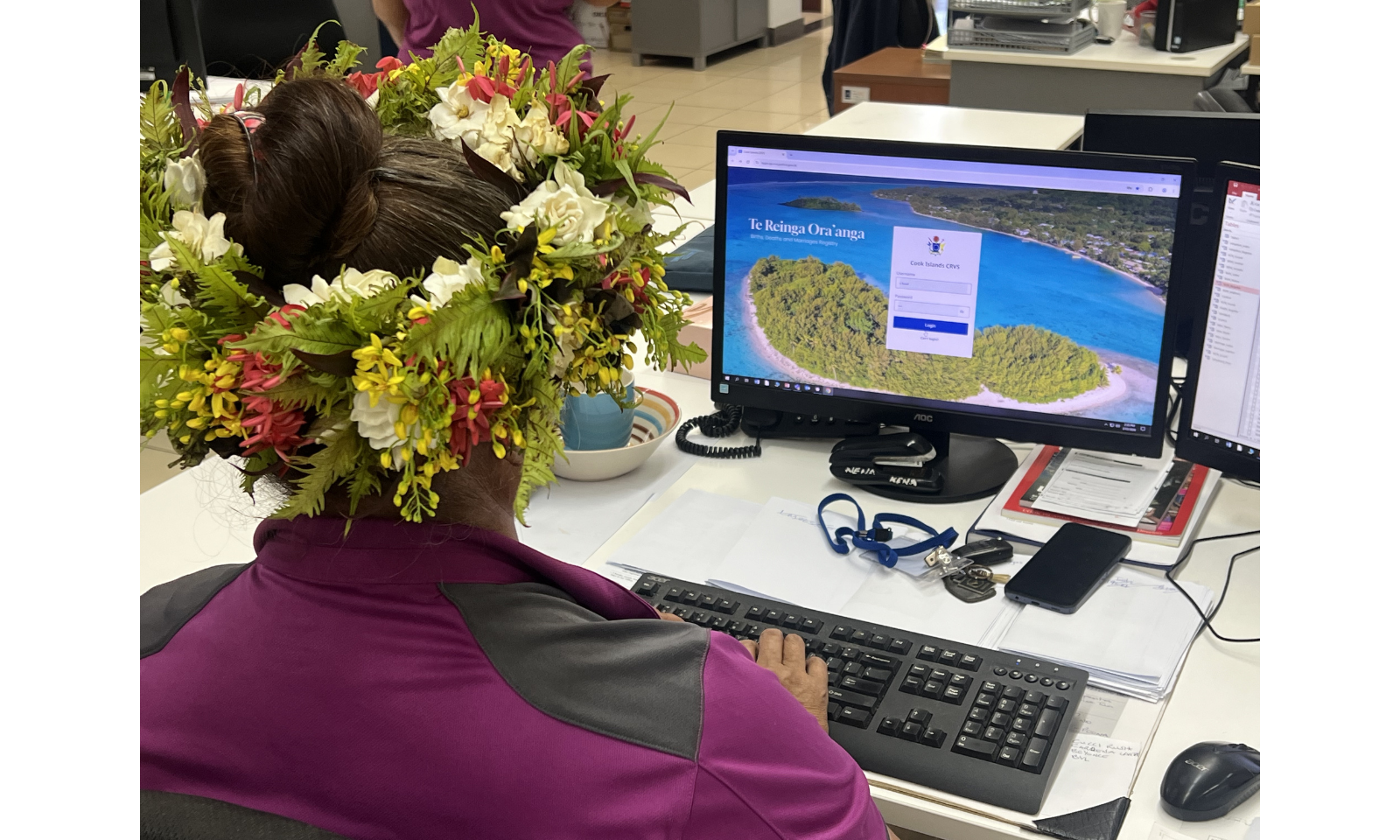
The digital system will improve access for the Cook Islands and the diaspora. Photo/Supplied
It digitises the registration of births, adoptions, marriages, name changes, divorces and deaths.
Peter Graham, Cook Islands Secretary of Justice, says the implementation of a digital, open-source is a world-first.
“We already register these events, but paper‐based systems have limitations. This platform gives us a more resilient and future‐ready way to manage records that people depend on, both here and overseas,” he says in a statement.
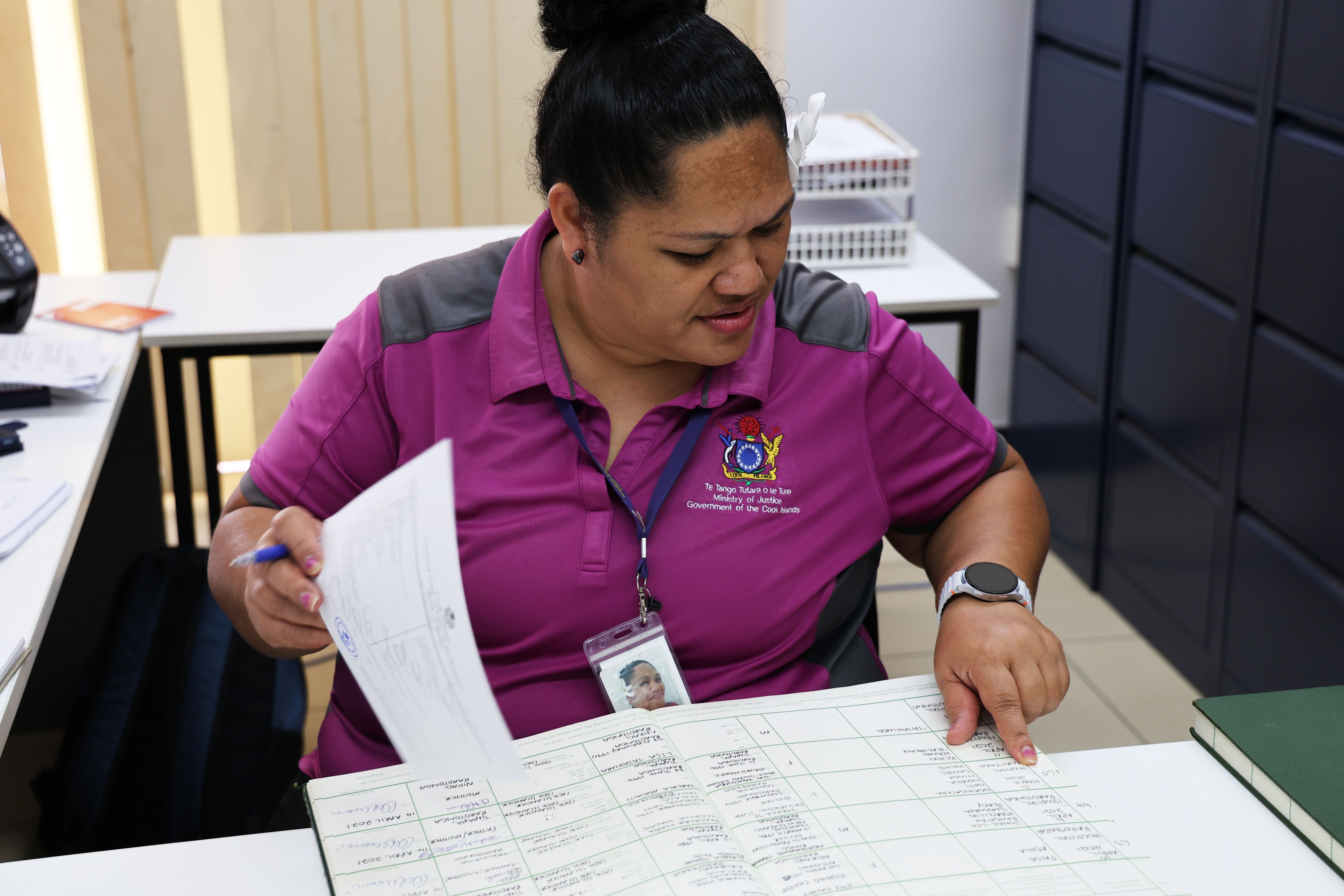
A Ministry of Justice staff member checks the civil records in the Cook Islands. Photo/Supplied
The Cook Islands already has a strong birth registration as it’s tied to a payment of $1000 newborn allowance payment, but Montgomery says registering other life milestone such as deaths, is still important for national records.
“Part of that process is recording the medical cause of death, and that data gives a good view of what people are dying of … and then health officials can take steps to prevent those deaths in the future.”
Montgomery says the system modernises slow, error-prone paper processes and makes records easier to share with authorised agencies. He also stresses the personal and collective value of timely registration.
“Some people will only register their birth when they need to get a passport to go to school or to university. So, when someone's 17 or 18, they suddenly register their birth. It becomes very difficult because the records they're relying on are 15 or 16 years old and cannot always be found.”
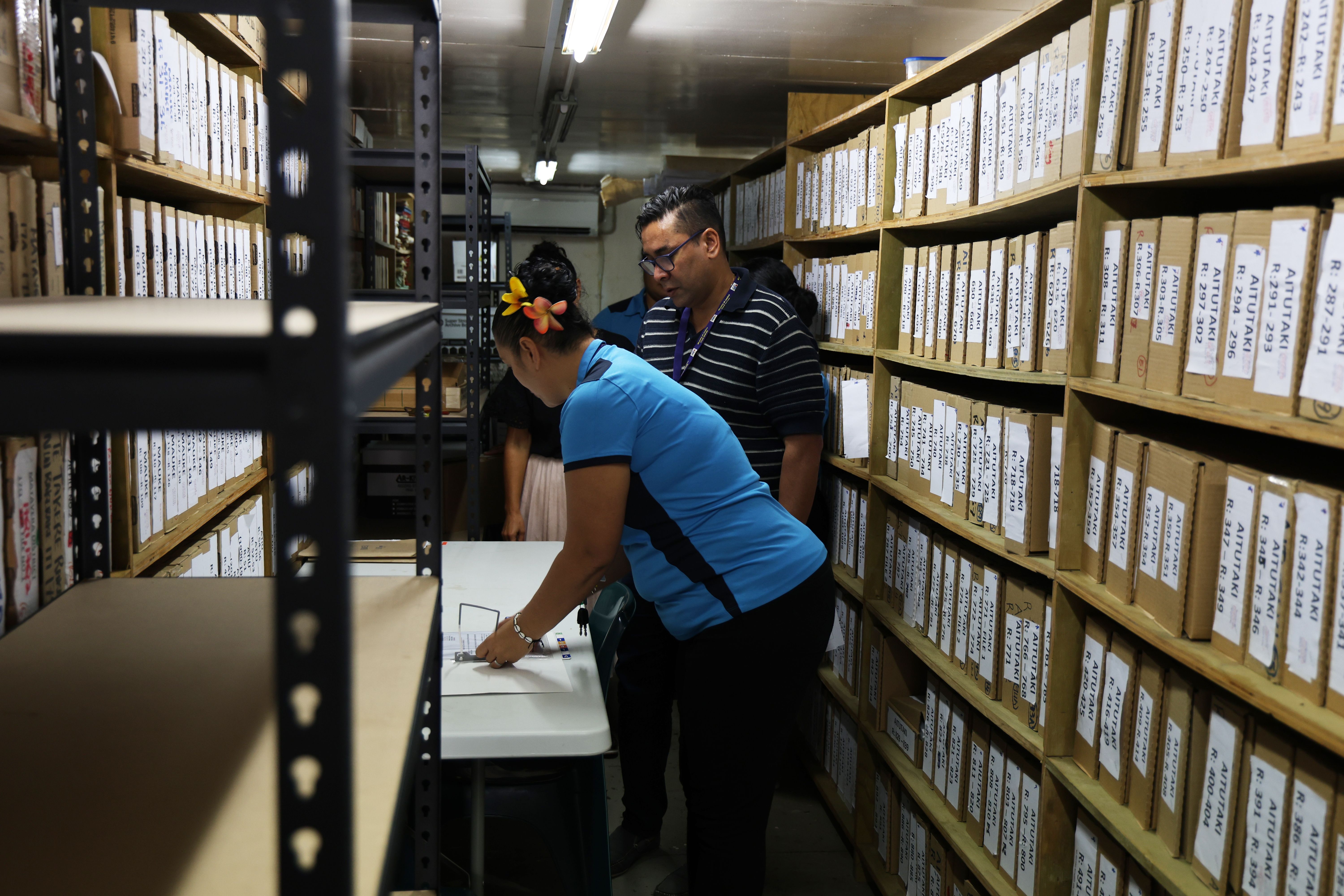
Paper archives could soon be a thing of the past. Photo/Supplied
A Pacific network
The system software, OpenCRVS, can be adapted to local contexts and shared across the Pacific.
Shez Farooq, Pacific Transformation Lead with OpenCRVS, says they are supporting governments to configure and implement the system in ways that reflect regional realities, including small populations, limited expertise and geographic dispersion.
“Open‐source allows governments and their peoples to retain control of their information systems and adapt them over time. It also allows countries to learn from each other’s implementations, rather than starting from scratch,” he says in a statement.
Montgomery assures that the digital security being used is top of the line and more secure than paper records.
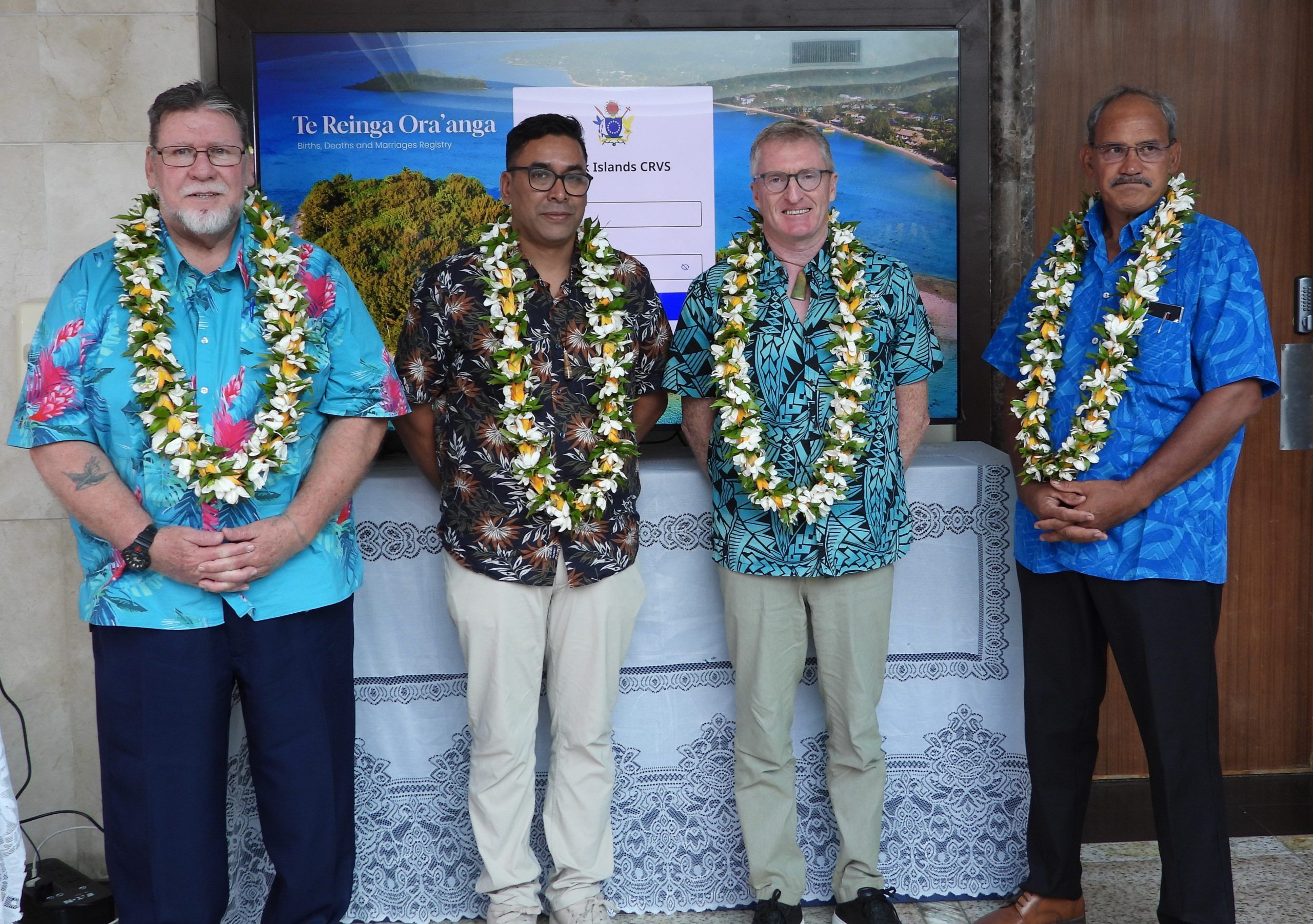
The digital system launch in Avarua, Cook Islands. From left: Secretary of Justice Peter Graham, Transformation Lead for OpenCRVS Shez Farooq, SPC’s Jeff Montgomery, and Minister of justice Vaine Mokoroa. Photo/Cook Islands News/Melina Etches
“Many countries in the Pacific are still using paper. …it might be a service sitting under the civil registrar's desk, or it might be on pieces of paper and books which are at risk of flood and fire. In at least two countries in the Pacific, big courthouses have burnt down, and they've lost all of their records.”
The Cook Islands have a resident population of around 17,300, but Montgomery says the new digital system could improve processes for the extensive diaspora.
“In the future, those in Auckland or Australia will be able to order birth certificates online. We are also working with New Zealand to enable families with newborns to apply for passports digitally, without paper certificates,” Montgomery says.
For the Pacific, Te Reinga Ora’anga offers a rare example of civil registration modernised to support individuals, communities and governments alike.
Watch Jeff Montgomery's full interview below.