Seymour targets office karakia as Aupito warns of a ‘culture war’
Thomas Tarurongo WynneFri, 23 Oct
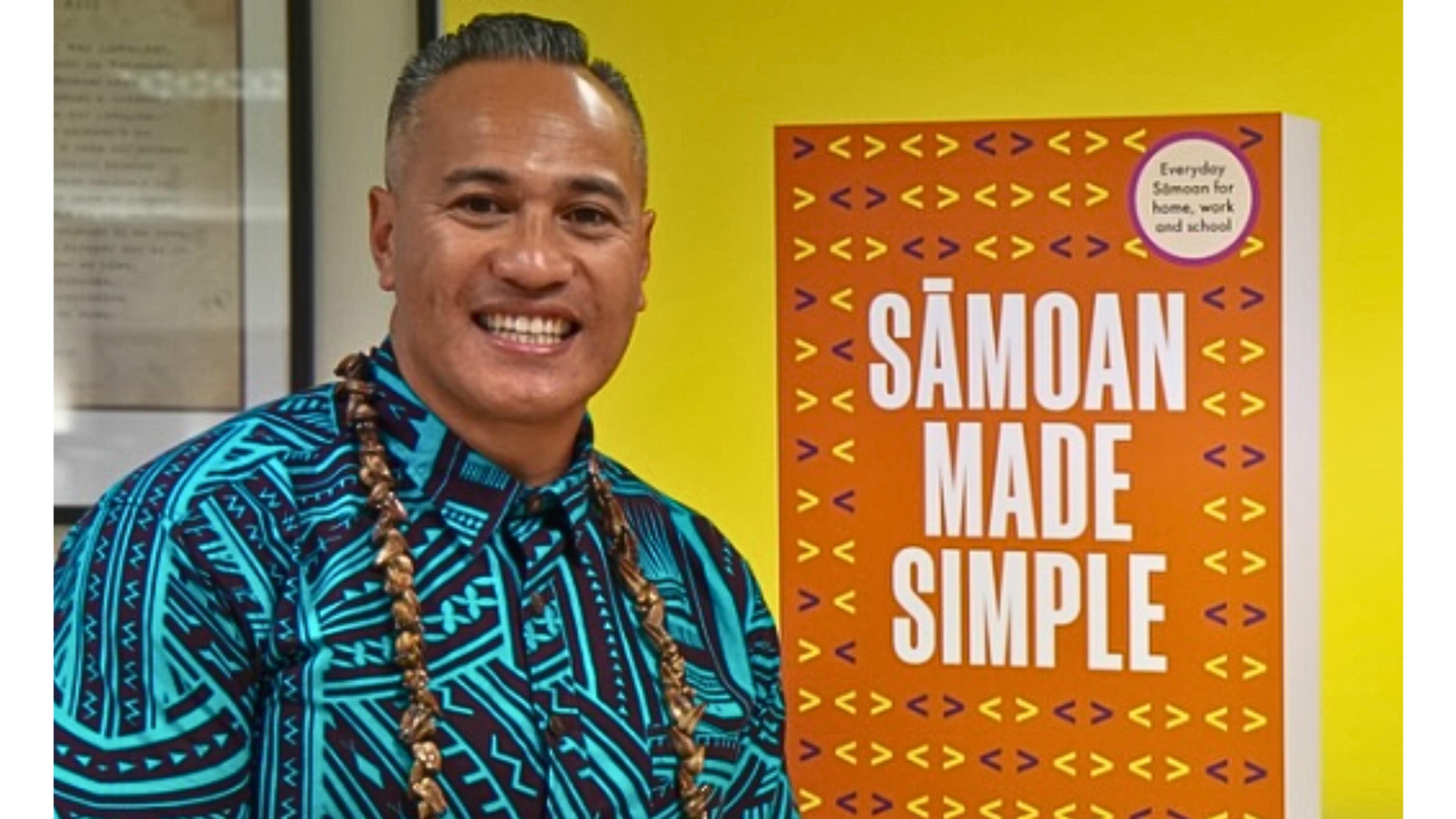
Jason Tiatia, former New Zealand Rugby Sevens player, has launched 'Samoan Made Simple' - a Sāmoan language resource to help build confidence for a growing diaspora.
Photo/Centre for Pacific Languages
The former NZ Rugby Sevens player says keeping gagana Sāmoa alive starts with a simple mindset shift, as data shows a language under pressure.
When Jason Tiatia played professional rugby in France and Italy, he noticed something that stayed with him long after he left the field.
The locals did not change their language for anyone, not even for a simple coffee order and not for a visiting rugby player.
"I thought, how arrogant,” Tiatia tells Tuilagi William Leolahi on Pacific Huddle. “But then, no, you're arrogant with the ego that you have. It's their country."
For the former New Zealand Rugby Sevens player now working in education, that moment came through the lens of elite sports.
It is the kind of lesson sport teaches without a playbook - watch, adapt, respect the standards around you.
For Tiatia, it applied as much to his language as it did to rugby.
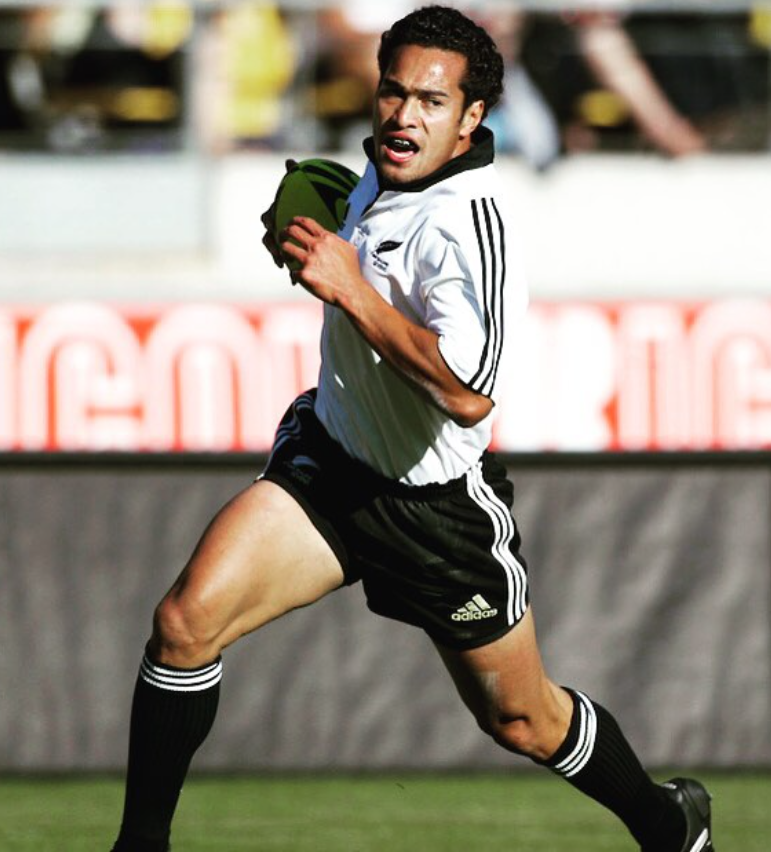
When Tiatia played professional rugby in France and Italy, he noticed that the locals would not compromise on speaking their language. Photo/Instagram
Gagana Sāmoa, he believes, needs the same traits that build a high-performance athlete: consistency, discipline, and the patience to start before you feel ready.
The urgency is clear in the numbers. Stats NZ's 2023 Census shows 48.4 per cent of Sāmoan New Zealanders can speak the language, down from 55.6 per cent in 2013. That is a drop of more than seven percentage points in a decade.
There are now 103,194 gagana Sāmoa speakers in Aotearoa, up from 77,892 in 2013. But the wider Sāmoan population has grown faster than the language has been held on to.
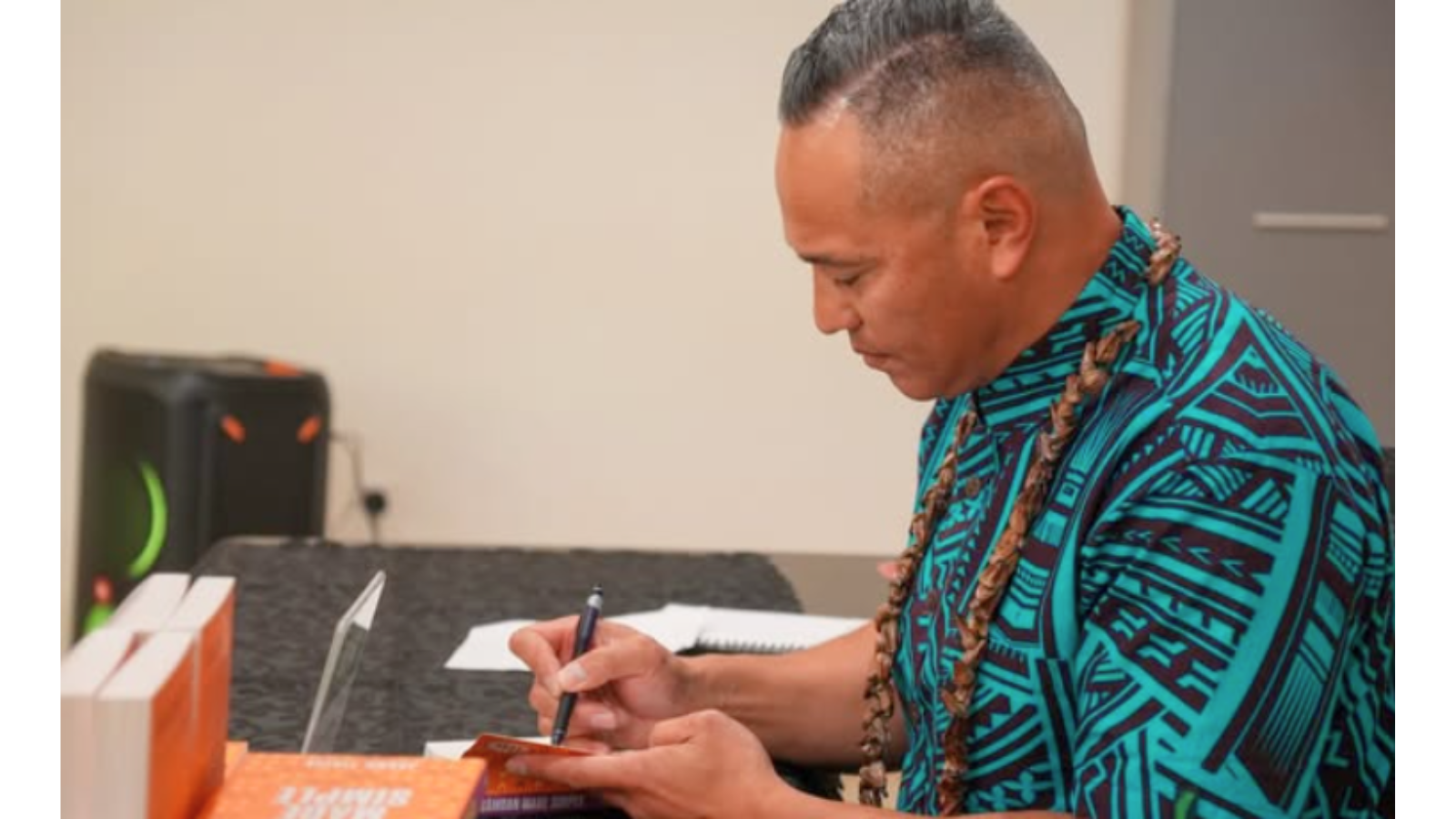
Tiatia recently published Sāmoan Made Simple, a resource aimed at helping New Zealand-born Sāmoans reconnect with gagana Sāmoa at their own pace. Photo/Centre for Pacific Languages
There are now 213,069 people, according to the 2023 census, a jump of nearly 70,000 since 2013.
Nearly 68 per cent were born in New Zealand, and only nine per cent of Sāmoan children under 15 were born overseas.
The picture is a community that is increasingly New Zealand-born and increasingly English-speaking at home.
"It takes one generation to lose it, and three, maybe four generations to try and revive it again," Tiatia told Pacific Huddle. "We've seen with Te Reo Māori here in Aotearoa, that's been amazing. But our other languages are sort of fading away."
Tiatia recently published Sāmoan Made Simple, a resource aimed at helping New Zealand-born Sāmoans reconnect with gagana Sāmoa at their own pace.
For Tiatia, the approach is not so different from sport. "Be patient with it, have fun and be courageous," he said. He believes small gains compound over time. "Those incremental improvements - you see the world change around you."
Watch Jason Tiatia's interview below.
That, he adds, is where many people struggle, not ability but mindset.
He describes the word "plastic", often used to shame Sāmoans who are not fluent as something that shuts people down before they even start.
"I'm a big champion for our people, especially our young people. I don't like this word 'plastic'. And then they start believing it and actually doing those things," he said.
His message is the same one given to a young player coming into a team environment: start where you are, build on what you know, and trust the process.
"Our egos take over - 'I'm not good enough, I shouldn't be in this space.' But keep building on the stuff you know already," he said.
Tiatia says that same thinking should apply beyond homes, into workplaces, schools, and even sporting organisations. These are places where Pacific people are often expected to perform without always seeing themselves reflected back.
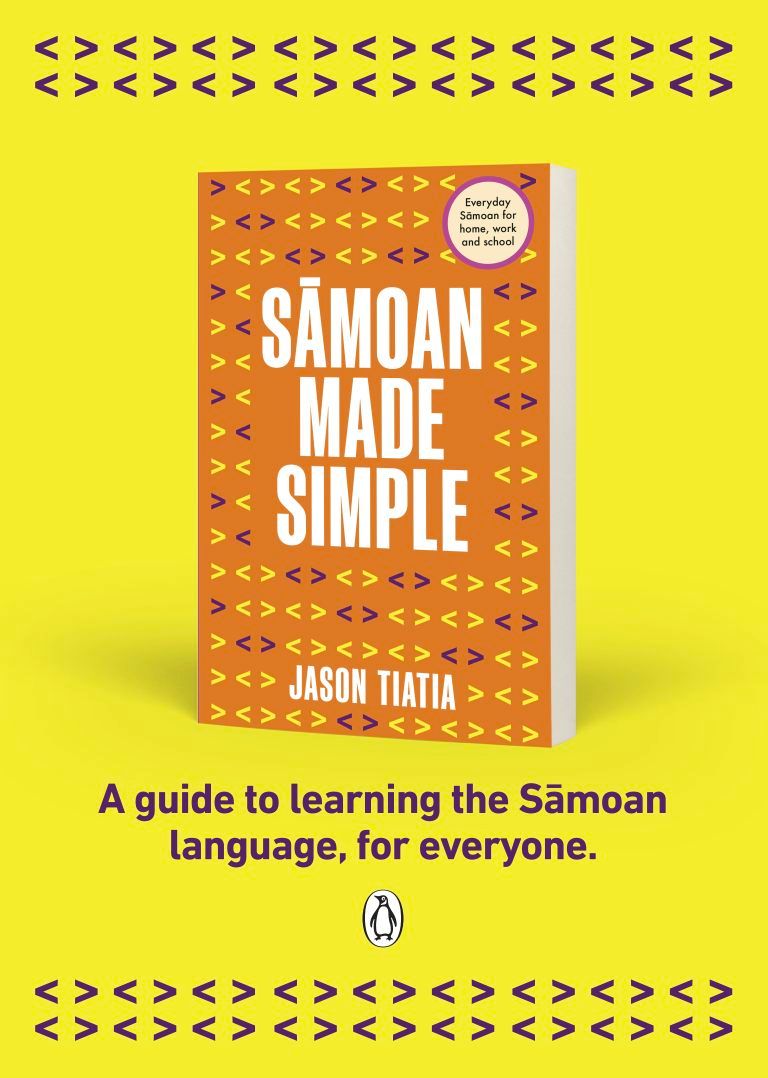
Jason Tiatia's guide to learning Sāmoan 'made simple'. Photo/Supplied
He believes culture is part of performance. "If you're going to involve a lot of our Pacific people in your organisations, they need to see themselves even more," he said.
He says that visibility translates to effort. “We always work harder, we always give extra, we're always going to serve a little bit more when we see ourselves and hear our languages," he said.
At home, he and his wife raise their children in both Te Reo and gagana Sāmoa, learning and passing on language together.
"Our mums and dads are our first teachers, and I think we underestimate the power of home," he said.
With Sāmoan Language Week approaching, running from 31 May to 6 June, the event carries the theme 'E afua mai i mauga tetele manuia o le nu'u' - From the high mountains are the blessings of the village.
Learn how to introduce yourself in Sāmoan below, by Measina Sāmoa.
The message lands in a wider moment of reflection for the community.
Nearly a third of Sāmoan New Zealanders are under 15 and almost half already speak more than one language.
For Tiatia, the answer is not complicated. It is the same formula any team understand: show up, repeat it, build it into a habit, stay consistent, and pass it on.