Fiji's army chief warns the gun must never overrule the ballot
Christine RovoiMon, 12 Oct
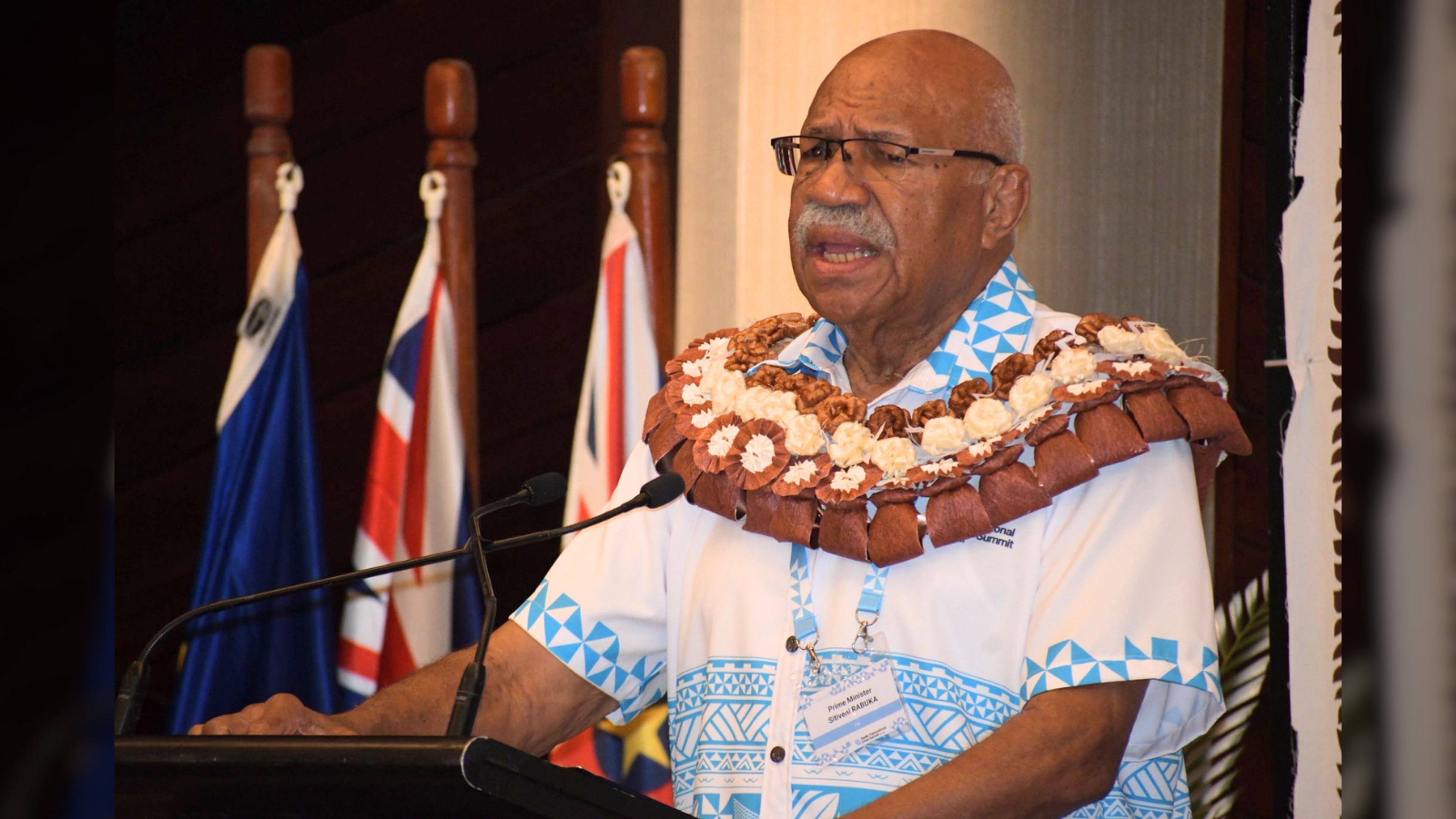
Fiji Prime Minister Sitiveni Rabuka urges collaboration to combat transnational crime in the Pacific.
Photo/Fiji Government Facebook
More than 17 tonnes of drugs have been seized across the region since January as leaders warn criminal networks are expanding their reach.

Pacific leaders are warning that organised crime in the region is growing too fast and too complex for any country to deal with alone as new figures show a sharp rise in drug trafficking across the moana.
More than 17 tonnes of illicit drugs have been seized across the Pacific since January, more than three times the total recorded across all of 2025.
Officials say the increase shows criminal networks are intensifying their activity across island routes.
Leaders from across the region are meeting in Fiji this week for the first Pacific Transnational Crime Summit as concerns grow that some island nations are shifting from transit points to becoming destination markets for illegal drugs and organised crime.
Speaking at the summit opening in Sigatoka, Fiji Prime Minister Sitiveni Rabuka says the threat - from illicit drug trafficking, cyber crime, money laundering, human trafficking, illegal fishing and other organised criminal activity - is no longer distant.
"The threats posed by transnational crime in our region are no longer distant or abstract," Rabuka says. "They are present, they are evolving, and they are increasingly complex."
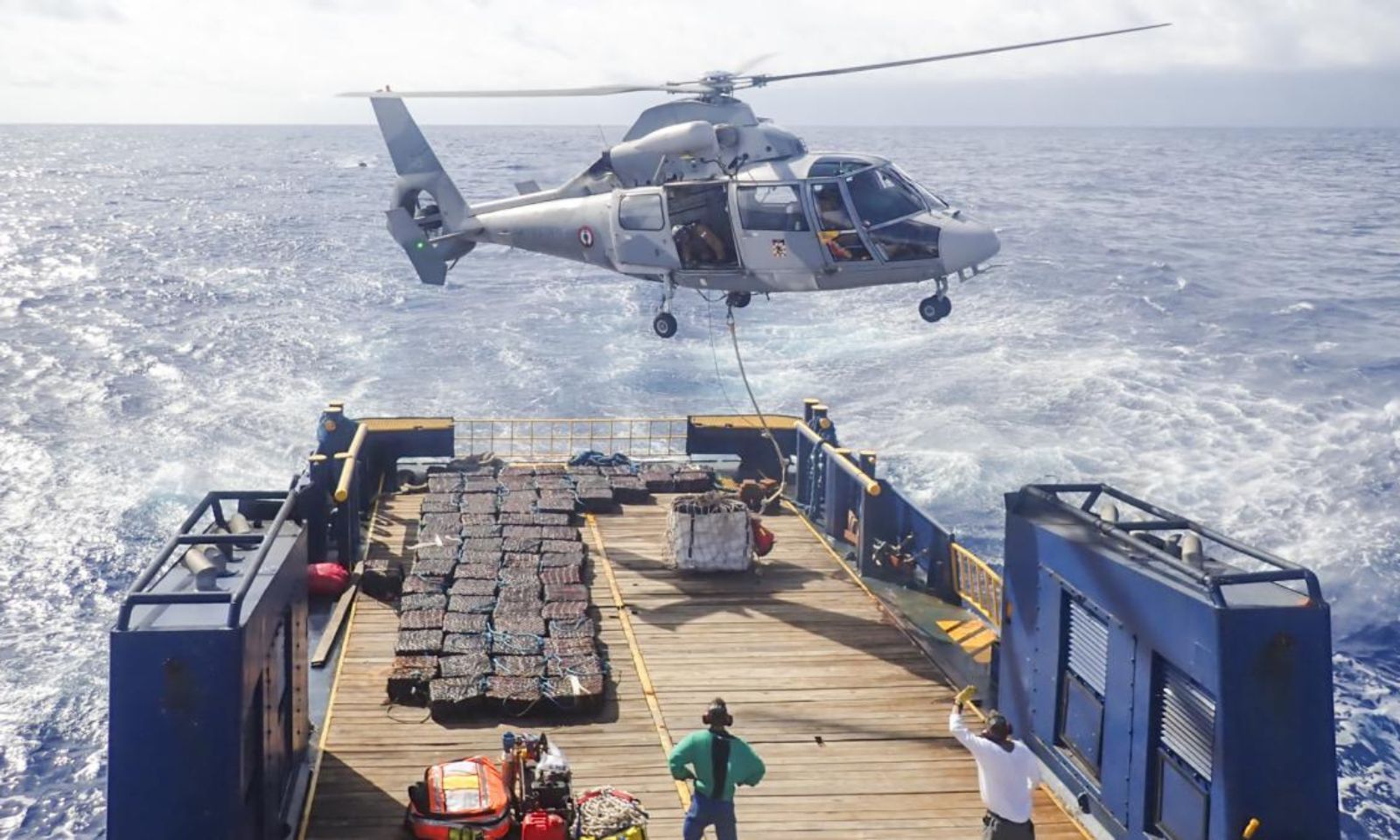
In January 2026, France's High Commission in French Polynesia reported the seizure of 4.87 tonnes of cocaine in its maritime zone. Photo/Haut-commissaire de la République en Polynésie française
He says criminal groups are taking advantage of the Pacific’s geography and long-standing connections between island nations.
“For generations, the Pacific Ocean has connected our islands, our economies, our cultures, our people. The very ocean that connects us is being increasingly exploited by transnational crime networks,” the Fijian leader says.
Krissy Barrett, Australian Federal Police (AFP) Commissioner, says criminal groups are adapting their methods, including using semi-submersible vessels to move illicit drugs across long distances in the Pacific.
In a statement, Barrett says the growing illicit drug trade is having wider impacts on Pacific communities especially smaller nations with limited resources.
“The increase is partly because greedy and ruthless narco-gangs are trying to make more money by identifying new ways to traffic illicit drugs. The use of semi-submersible vehicles to cross the Pacific is one example.”
Barrett says the impacts are being felt in communities across the region, including pressure on health systems, families, and young people.
Lanieta Navitilevu, an AFP Acting Sergeant who works with the Transnational Crime team in Suva, says young people are most at risk.
"I believe that the most affected will be the vulnerable, the youth that are unemployed," Navitilevu says in a social media video. "So they tend to turn to these kinds of illicit drugs."
The AFP says most of the drugs moving through the Pacific are believed to be headed for Australia.
But there are growing concerns that some countries could become destination markets as well as transit routes.
Rabuka says this shift increases the urgency for regional action.
"No single Pacific nation can confront them alone. That is why regional cooperation remains absolutely essential … The Pacific is united. The Pacific is resilient. And the Pacific will not allow transnational organised crime to undermine the peace, stability, and prosperity of our Blue Pacific continent.”
The summit, jointly hosted by Fiji and Australia, has brought together police ministers, commissioners, and international partners to improve intelligence sharing and coordinated responses.
One key regional hub is the Pacific Transnational Crime Coordination Centre in Sāmoa, which works with specialised crime units across 21 countries in the region.
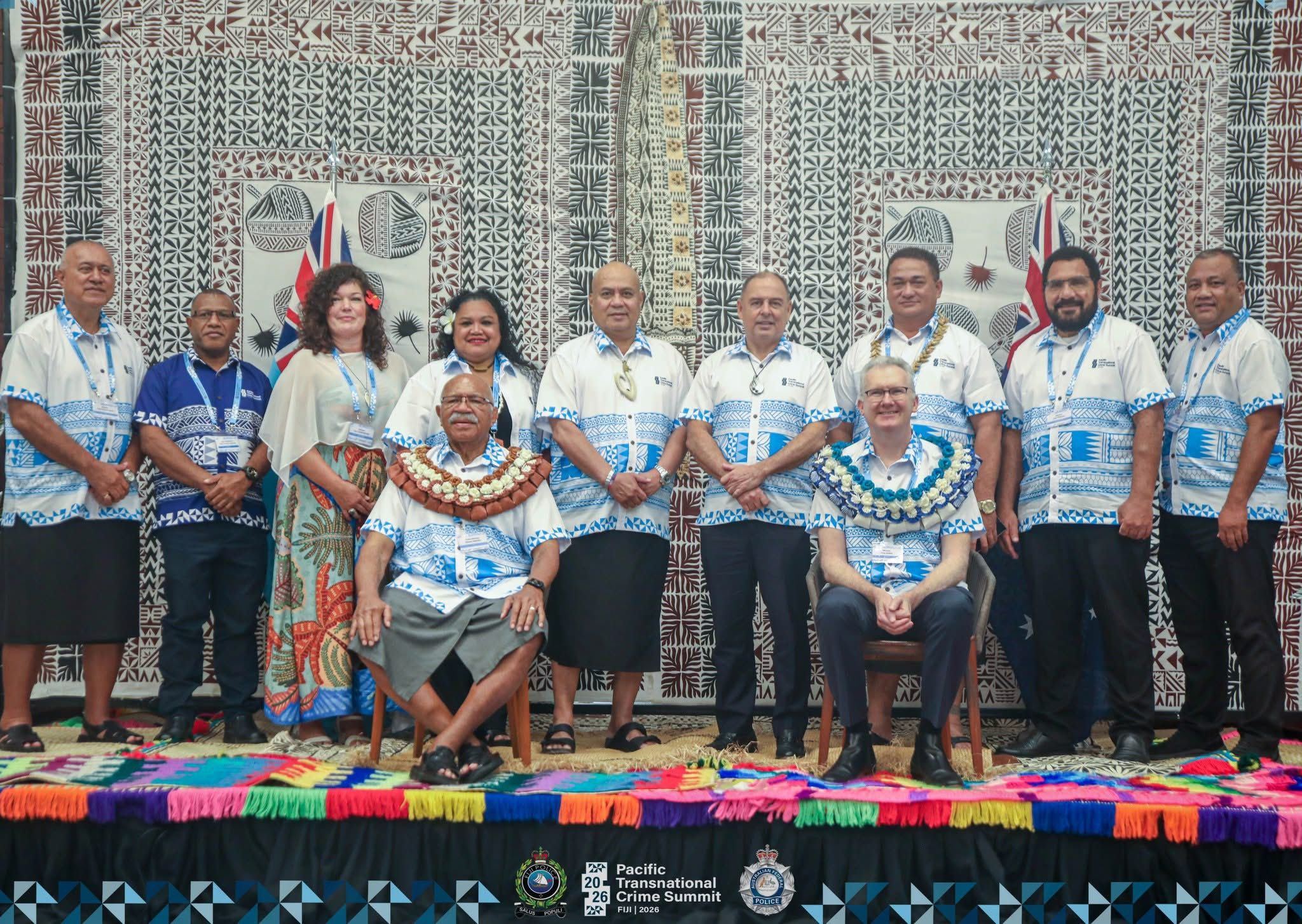
Leaders at the inaugural Pacific Transnational Crime Summit. Photo/Fiji Government Facebook
Casey Costello, New Zealand Customs and Associate Police Minister, says the summit is an opportunity to strengthen Pacific partnerships.
“The Summit is an important opportunity for New Zealand to strengthen partnerships that support the Pacific’s resilience and are critical to our own efforts to prevent the harm from organised crime,” Costello says in a statement.
Leaders say the focus is on turning discussions into action as criminal networks continue to evolve and pressure grows on Pacific security and stability.