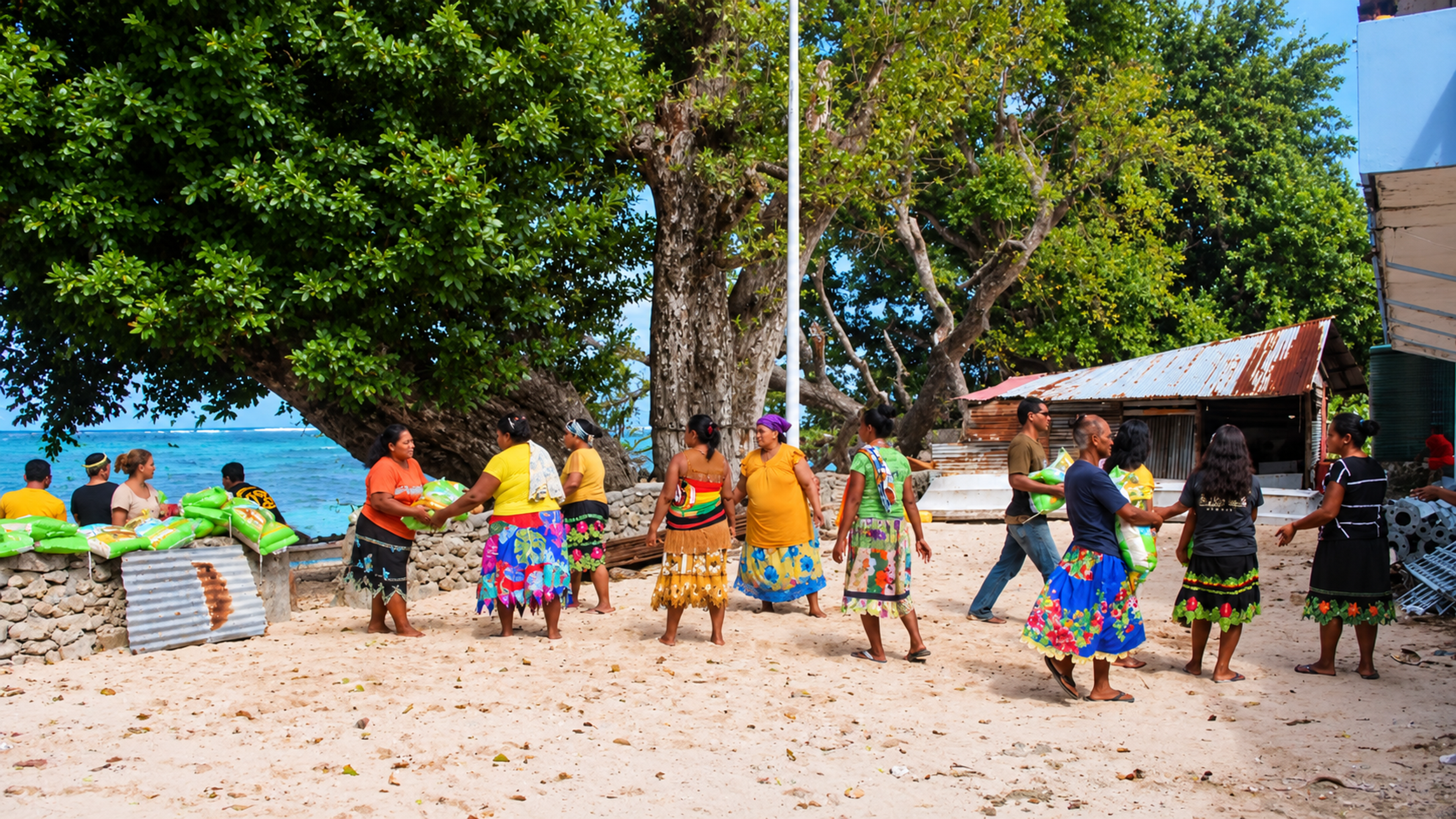
El Niño tightens grip on Pacific as authorities warn of drought and extreme weather
Lachlan EddieFri, 23 Oct
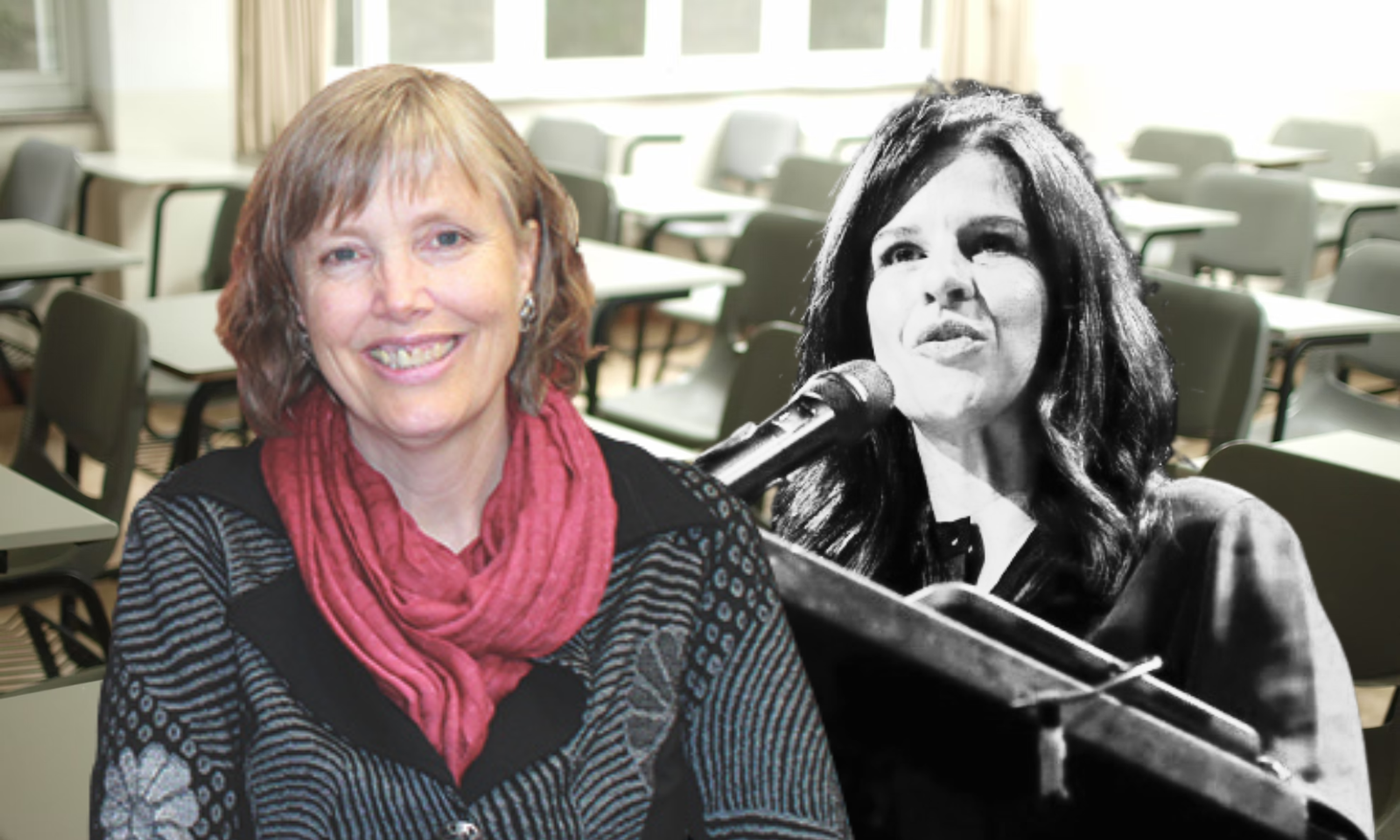
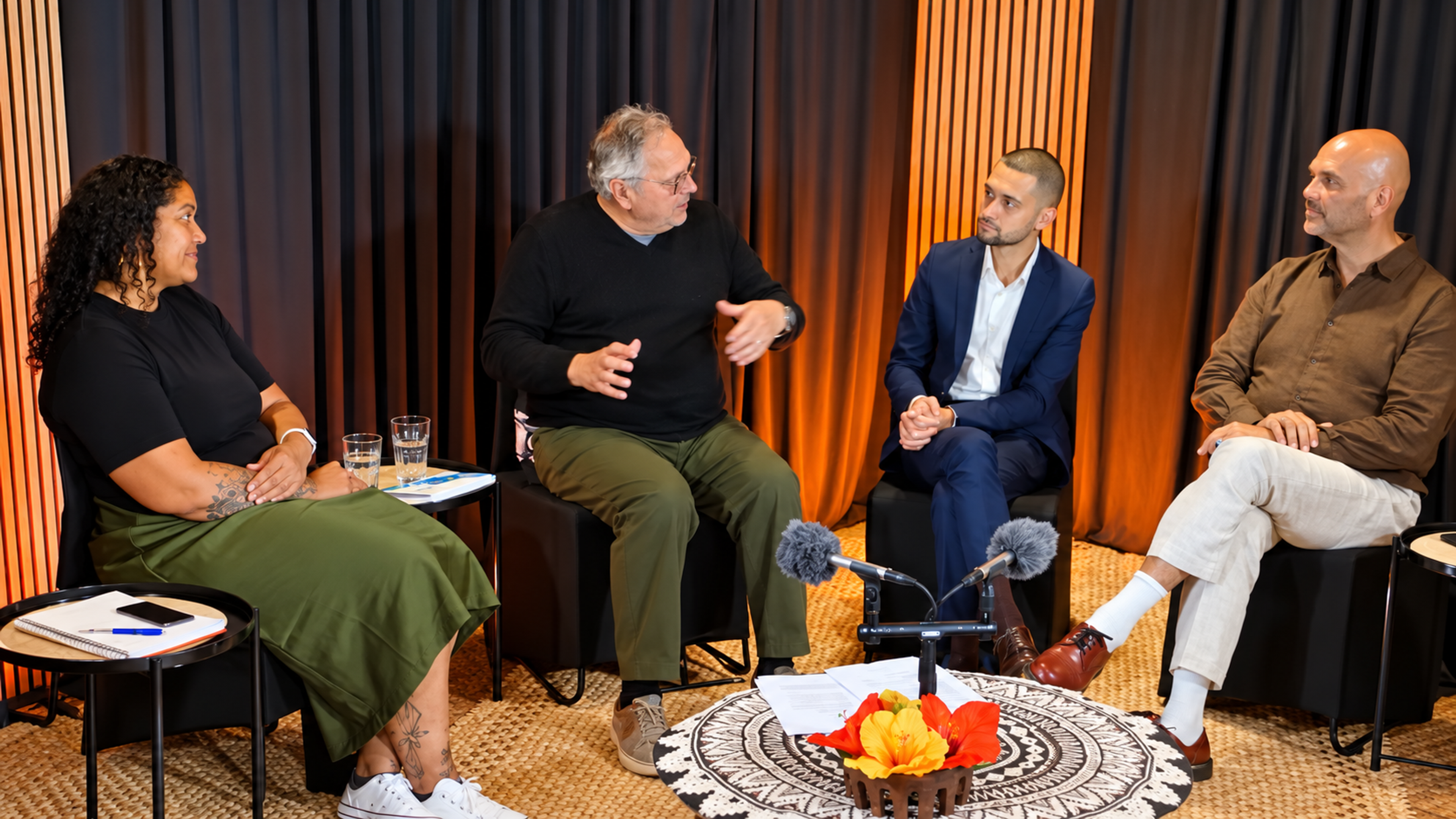
Porirua Principal Ragne Maxwell responds to the curriculum changes, led by Education Minister Erica Stanford.
Photo/File/RNZ/Nick Munro
Family and educators say proposed changes to New Zealand’s secondary school qualifications could reshape how Pacific students succeed at school.

Pacific parents and school leaders are weighing up what a major overhaul of New Zealand’s secondary school qualification could mean for students who already face achievement gaps in the classroom.
South Auckland father Tapuala Malo Toe says the proposed changes feel personal.
His two daughters, Te Ara, 16, and Ria-Shantelle, 17, are both working through the National Certificate of Educational Achievement (NCEA).
He says the system is already a challenge for them.
“They struggle, especially when it comes to English and maths,” he tells PMN News. “They get all the help they can get, but I see them struggle.”
He says the pressure builds quickly when success depends on a small number of assessments.
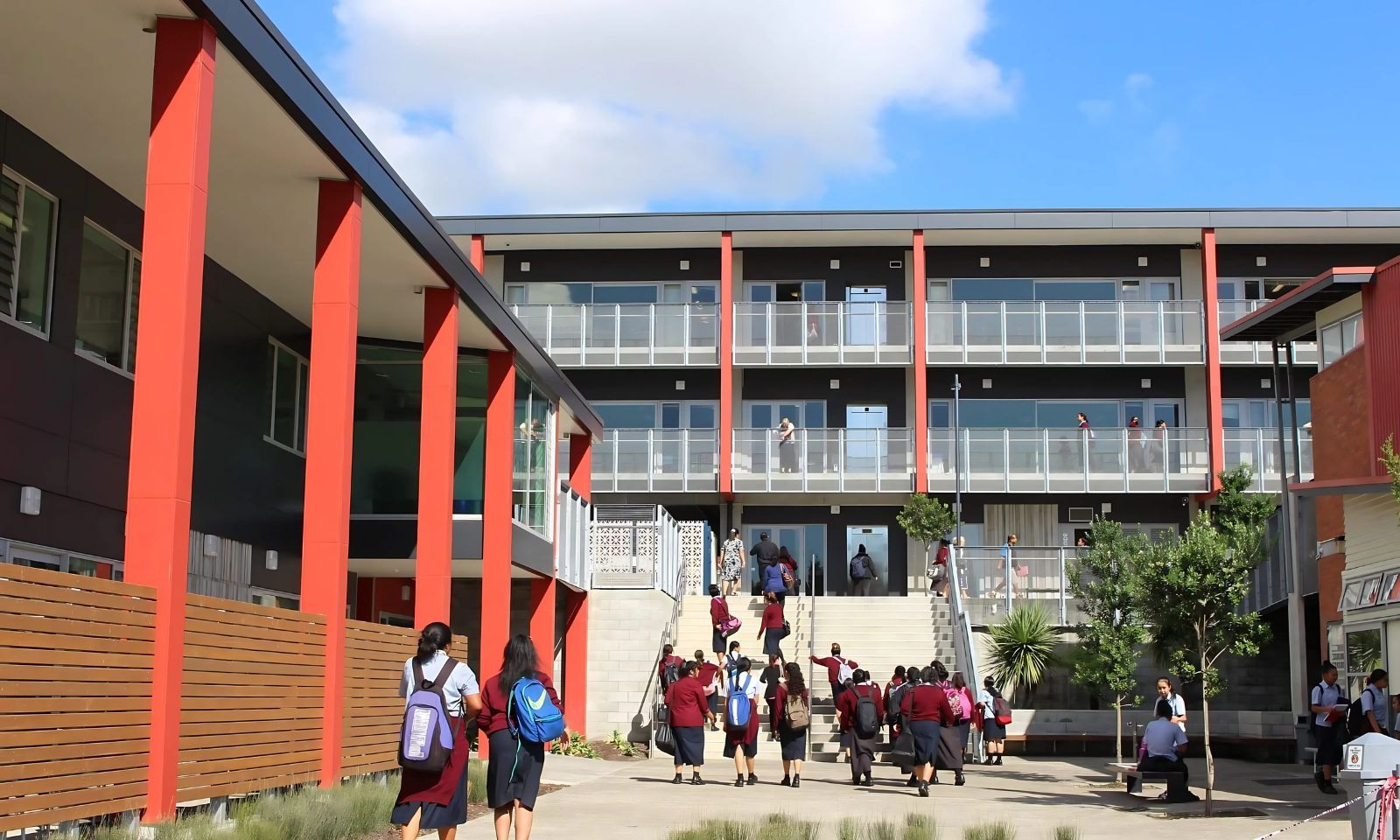
High school students will need to pass at least three subjects to gain certification. Photo/File
He also says his daughters often do better in creative and cultural subjects but find it harder when learning shifts from group work to individual and exam-focused.
“When they’re individual, they get flustered and they give up so easily,” Toe says.
Under the Government’s proposed changes, NCEA will be replaced from 2028 with two new qualifications: the New Zealand Certificate of Education in Year 12 and the New Zealand Advanced Certificate of Education in Year 13.
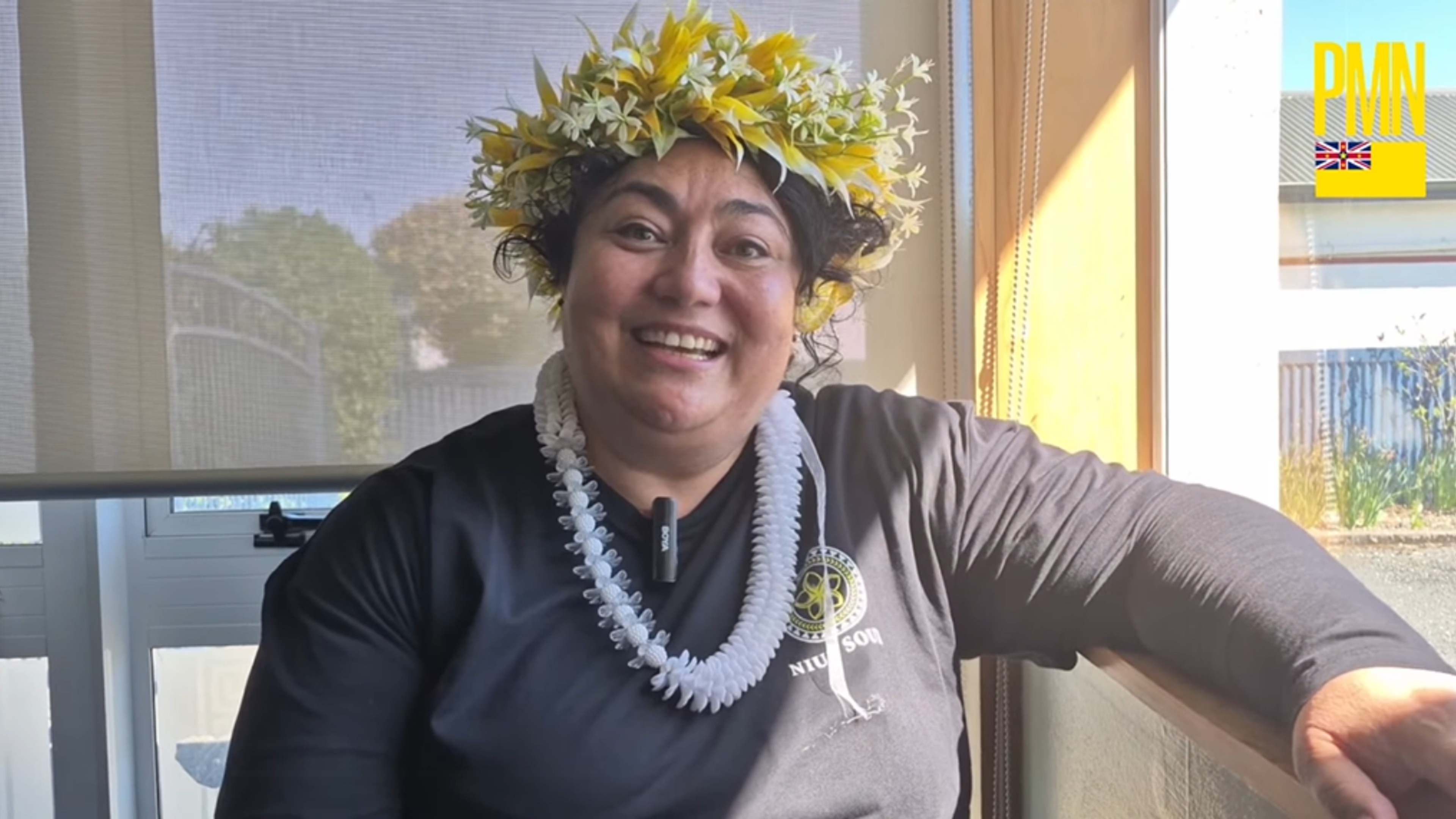
Watch Ragne Maxwell's full interview below.
Students will move away from a credit-based system and instead be assessed mainly by subjects.
They will need to pass at least three subjects each year, complete a mix of internal assessments and exams, and achieve new A to E grades.
End-of-year exams will carry more weight than they do now, while literacy and numeracy requirements will be set at Year 11 level.
Education Minister Erica Stanford says the changes are designed to make qualifications clearer and more consistent for students, parents, and employers.
But some educators say the shift could disadvantage learners who thrive in group-based and collaborative environments.
Ragne Maxwell, Porirua College principal, says Pacific and Māori students often perform strongly when learning together, something she worries may not be fully reflected if assessment becomes more exam-heavy.

Under NCEA, students could earn credits by taking part in cultural performances such as Polyfest. Photo/File
“Māori and Pacific learners perform extremely strongly, particularly in group learning situations,” she told William Terite on Pacific Mornings. “They like to work collaboratively, and those are exactly the sort of skills we want in the workplace in today's day and age."
Maxwell says there are concerns that a stronger focus on exams could also narrow how achievement is measured.
The debate comes as new figures from the New Zealand Qualifications Authority show 15,000 senior Pacific and Māori students did not meet literacy and numeracy standards in 2025, highlighting equity gaps in the system.
In a statement, the Government says the reforms are designed to lift standards and better prepare students for life after school.
It says students will continue to complete both internal assessments and exams, with weighting depending on the subject, and that new endorsement pathways will recognise high achievement across multiple subjects.

Exams could become a compulsory part of the new high school curriculum. Photo/File
Stanford says the new system will strengthen consistency and provide clearer pathways for students moving into work or further study.
“This is about ensuring every young New Zealander leaves school with qualifications that are credible, internationally comparable, and set them up for success,” she says in a statement.
The new system will begin rolling out from 2028 with the current Year Nine cohort.
Schools are now waiting for further details on how exams and internal assessments will be balanced in practice, and what the changes will mean for classroom learning across Aotearoa.