Seymour targets office karakia as Aupito warns of a ‘culture war’
Thomas Tarurongo WynneFri, 23 Oct
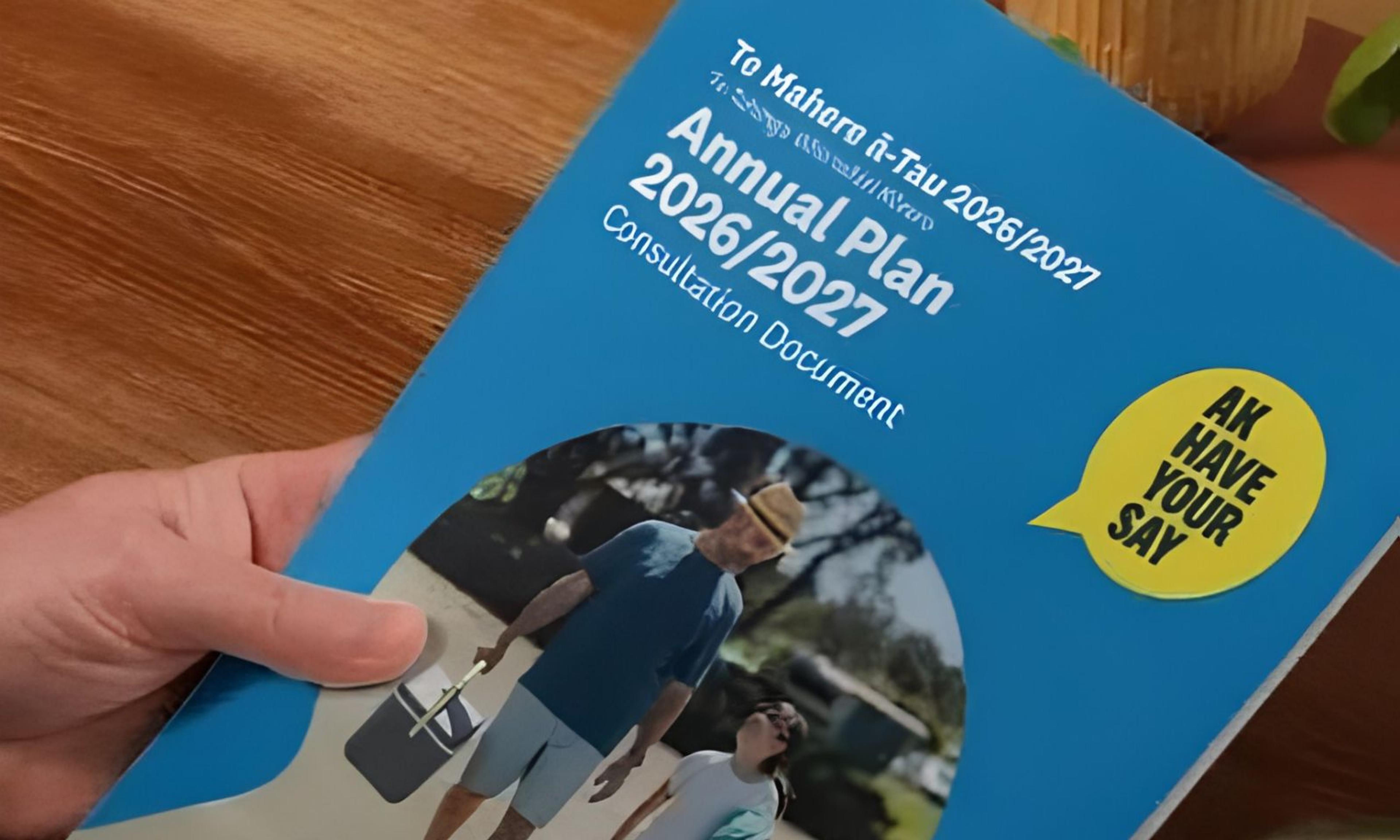
The Auckland Council Annual Plan 2026/2027 consultation document, which included options for a proposed targeted rate.
Photo/Auckland Council
Opposition to a $47 targeted rate leaves the Māngere-Ōtāhuhu Local Board weighing service cuts, with final decisions with Auckland Council.


Māngere-Ōtāhuhu residents have pushed back against a proposed targeted rate, leaving the local board facing potential service cuts as it faces a funding squeeze.
The board asked residents to choose between three options to manage rising costs: reducing services and increasing some fees, introducing a targeted rate of about $47 per household per year, or a combination of both.
Auckland local boards are facing funding shortfalls under the Fairer Funding initiative, which aims to address inequities between local boards.
Consultation feedback provided separately to the board as part of the Auckland Council’s Annual Plan 2026/2027 process shows strong opposition to the proposed targeted rate, with about 60 per cent of submitters against it, while only around 16 per cent supported it.
While some submitters supported a mix of cuts and a lower rate, feedback overall showed little appetite for paying more, particularly in a community facing cost-of-living pressures.
Māori submitters and mana whenua feedback raised concerns about equity, affordability and the burden on a low-income community.

Auckland Council encouraged residents to provide feedback on the Annual Plan 2026/2027, including proposed targeted rates. Photo/Auckland Council
At the same time, residents raised concerns about potential service reductions, including library hours, park maintenance, and local programmes, leaving the board balancing competing priorities.
Local boards provide community feedback on the council’s final decisions on the Annual Plan, but do not have the final say. The governing body makes the final decisions, including on targeted rates.
At a meeting on 29 April, board members acknowledged the strength of opposition.
Board member Te’o Harry Fatu Toleafoa said the situation reflected a wider governance tension.
“This wasn’t our making. It was literally a governing body decision that now we have to kind of make a decision,” he said. “We don’t know what the governing body is going to land on.”
He said introducing a targeted rate this year would be difficult.
“It’s just too tough this year to even consider.”
Te’o warned that rejecting the rate could still lead to cuts if alternative funding is not found.
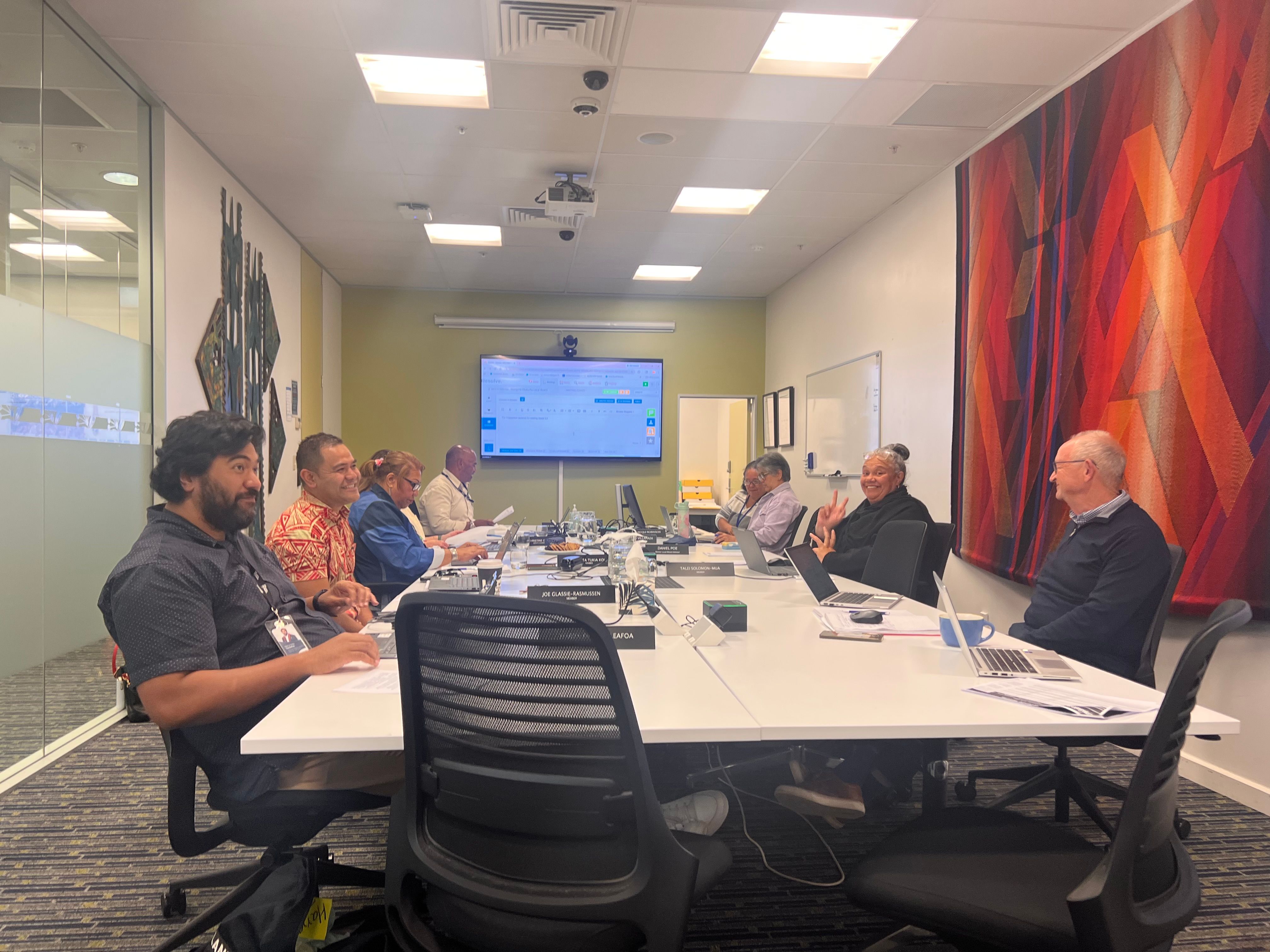
Māngere-Ōtāhuhu Local Board members discuss funding options, including a proposed targeted rate, at a meeting on 29 April. Photo/PMN News/Taelegalolo'u Mary Afemata.
“If we follow through with option three, and if anybody ain't able to plug for $600,000, then we're going to have to start cutting and consider where those cuts come from.”
Deputy chair Christine O’Brien said her preference was option three, meaning not introducing the targeted rate at this stage, acknowledging it would put the board in a difficult position.
“I think they deserve the fullest and best services we can offer to support them through the crisis. At this stage, we’re having a lot of financial difficulties,” she said.
She said the board wanted to provide certainty while supporting the community through ongoing cost-of-living pressures.
Council staff also outlined constraints around the board’s options.
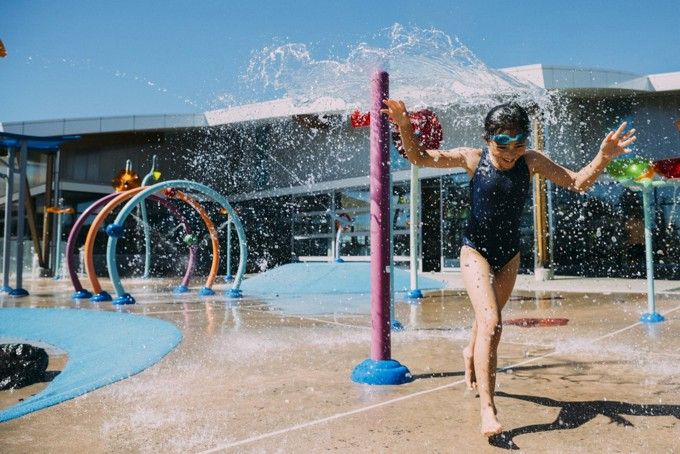
Local services such as pools and community facilities could be affected as the Māngere-Ōtāhuhu Local Board weighs potential budget cuts. Photo/Auckland Council.
Aaron Matich, Auckland Council’s principal advisor for financial policy, said if the board chose not to introduce a targeted rate this year, it would need to reconsult in future years.
Manoj Rathod, an Auckland Council financial advisor, said there was still uncertainty about whether additional funding would be made available.
Staff also outlined a mayoral proposal that could allow some boards to convert operating expenditure into capital expenditure, freeing up operating funding.
However, members noted Māngere-Ōtāhuhu has limited surplus funding available. Manoj Rathod said the board received only about $2,500 in fairer funding, which was too small to be used for conversion.
Differences across Auckland add to the uncertainty.
Of the seven local boards facing cost pressures, only two consulted on a targeted rate, potentially limiting the options of the others.
Auckland Council has been approached for comment on why only two of the seven local boards facing cost pressures consulted on a targeted rate, what options remain for those that did not, and how the mayoral proposal would apply to boards like Māngere-Ōtāhuhu.
The consultation attracted 858 submissions linked to the Māngere-Ōtāhuhu area, contributing to more than 12,000 responses across Auckland.
For Māngere-Ōtāhuhu, the issue remains unresolved: most submitters opposed the targeted rate, but without new funding, the board may still face cuts to local services.
LDR is local body journalism co-funded by RNZ and NZ On Air.