Trump's new tariffs spare Pacific but trade shock could still hit island economies
Christine RovoiThu, 26 Nov
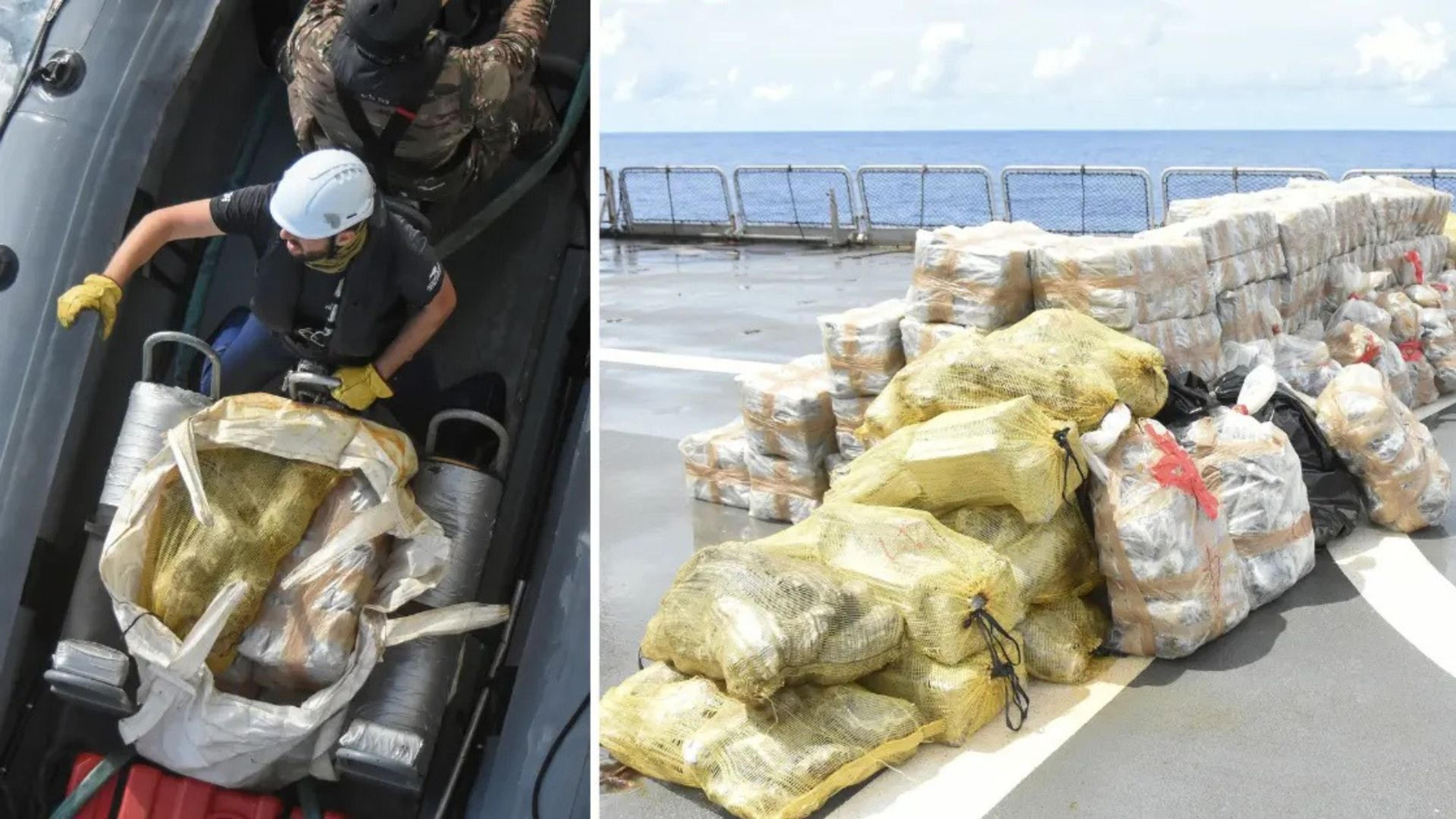
French forces seized 3.328 tonnes of methamphetamine from an unflagged vessel in the North Pacific, bringing their total Pacific narcotics seizures this year to more than 15 tonnes.
Photo/Supplied/CPP-FAPf
The latest French-led operation brings the amount of narcotics seized in the region this year to more than 15 tonnes as countries strengthen maritime surveillance and border controls.


More than three tonnes of methamphetamine have been seized from a vessel in the North Pacific in the latest major drug bust highlighting the growing fight against organised crime across Pacific waters.
French forces found 3.328 tonnes of meth on an unflagged small tanker intercepted on 20 November outside the maritime zone of French Polynesia.
The operation involved a French Navy boarding team, a helicopter, a Falcon 50 aircraft from the Armed Forces of French Polynesia and a US Coast Guard maritime patrol aircraft.
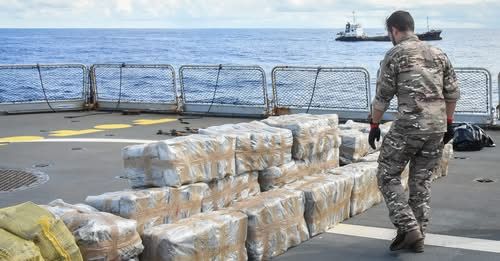
About 150 bales of methamphetamine were found on board.
The operation was carried out under the United Nations Convention on the Law of the Sea.
French authorities say last Friday's seizure brings the amount of narcotics intercepted by French armed forces in the Pacific this year to more than 15 tonnes.
The vessel and its crew were released after consultation with the Papeete Public Prosecutor's Office, in accordance with international law, but have been placed on an international watch list.
The seized drugs have been taken to Tahiti and will be destroyed under the authority of the High Commission of the Republic in French Polynesia.
The operation comes as Pacific countries and their international partners step up efforts to track suspicious vessels and disrupt drug trafficking at sea.
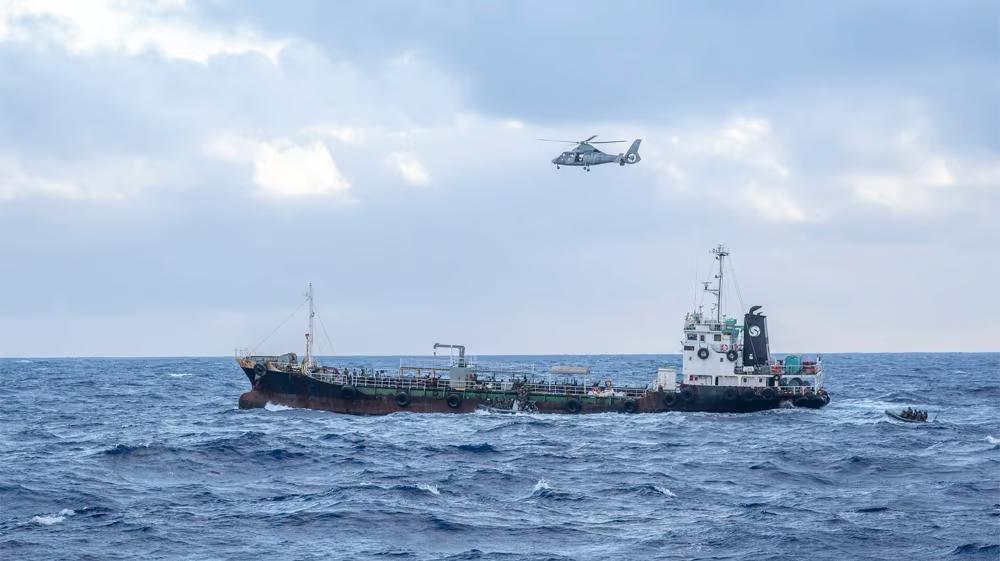
French Navy personnel, supported by a helicopter and aircraft, board an unflagged tanker during a drug interception operation in the North Pacific. Photo/CPP-FAPf
In Fiji, two new surveillance vessels have been handed over by Australia to the Fiji Revenue and Customs Service.
FRCS chief executive Udit Singh says the vessels will strengthen the country's ability to respond to illegal activity at sea.
“Detect and disrupt drug trafficking, smuggling, customs violations and other transnational crimes across Fiji’s waters.”
The vessels, Dau Raica and Gutulei ni Yadra, cost about FJ$800,000 (NZ635,710) and will be used alongside newly trained Customs officers.
In Vanuatu, maritime officers have also joined a US Coast Guard patrol aboard the Harriet Lane.
The five-day operation, running from 23 to 27 November, covers Vanuatu's territorial waters and Exclusive Economic Zone and includes work to combat drug trafficking, illegal fishing and other maritime crime.
Australia has handed Fiji two new surveillance vessels to help the Fiji Revenue and Customs Service detect and disrupt drug trafficking and other crimes in Fiji's waters. Photo/CPP-FAPf
At the regional level, Australia has committed AU$600 million (NZ$726.46 million) to the Pacific Islands Forum's Waqo Moana initiative, which is focused on tackling illegal drug trafficking across the Pacific.
Australian Foreign Minister Penny Wong highlighted the funding as part of Australia's wider Pacific security and policing support.
The Pacific Islands Forum Fisheries Agency has also launched a new maritime surveillance system called PacGuard across its 17 member countries.
The system uses automated vessel tracking and risk assessment to flag suspicious movements, gaps in tracking and possible transnational organised crime.
The drug threat is also being felt beyond the region's borders and coastlines.
In Fiji, UN Resident Coordinator Dirk Wagener says injecting drug use is contributing to a sharp rise in HIV infections.
“Injecting drug use has become an accelerator unfortunately of new infections alongside of course sexual transmission.”
New HIV infections in Fiji increased 12-fold between 2010 and 2025, reaching 1,700 new cases last year, according to the figures cited by local media.
Fiji is also tightening its response within sport. Fiji Football Association chief executive Mohammed Yusuf says players who test positive for drugs must complete 30 rehabilitation sessions and pass drug testing before returning to competition.
“We are supporting the government of the day because it's a big issue in the country now.”
The latest French seizure adds to a growing list of operations involving Pacific governments, regional agencies and international partners.
For Pacific countries, officials say the challenge is increasingly about having the people, vessels, surveillance technology and international cooperation needed to detect drugs before they reach communities.