Tonga and PNG step up drought response as an El Niño threat grows
PMN NewsFri, 20 Nov
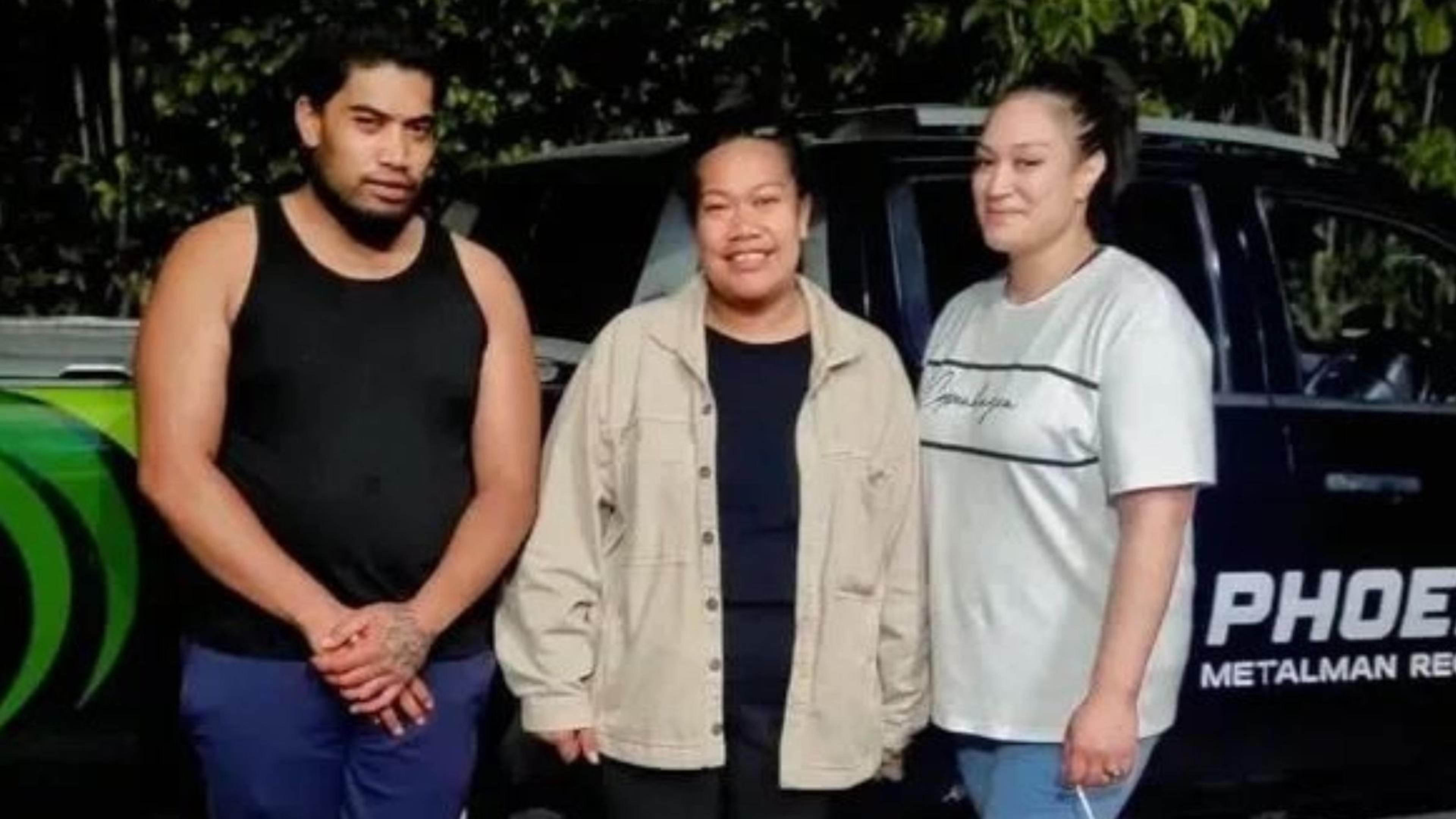
Kesaia Tonu Fakahau with her little brother and fahu, or family matriarch, who inspired her journey out of addiction.
Photo/Supplied
After methamphetamine addiction separated her from her children, Kesaia Fakahau says faith, family and community support have helped her rebuild.

This article discusses drug addiction and miscarriage.
Kesaia Tonu Fakahau had no money for a gift for the fahu, a family matriarch traditionally honoured at family events.
But watching children play at the fahu's son’s birthday in August gave the Tongan mother an idea: she could give her family something more lasting than a present.
She could give them herself.
“I had no money and I had no gift to give,” she tells Carolanne Toetu’u on Pacific Days.
So Fakahau decided to stop using drugs and alcohol - for herself first and then for her family.
Watch Kesaia Tonu Fakahau's full interview below.
“I stopped the drugs including meth, marijuana, Tongan tobacco, cigarettes, alcohol, and the last one was the vape.”
Now approaching four months without them, the 36-year-old says she is beginning to recognise herself again.
“One of my nicknames was sipi ‘uliuli, black sheep. That’s a name for children that have their own way, and I was one of them,” she says.
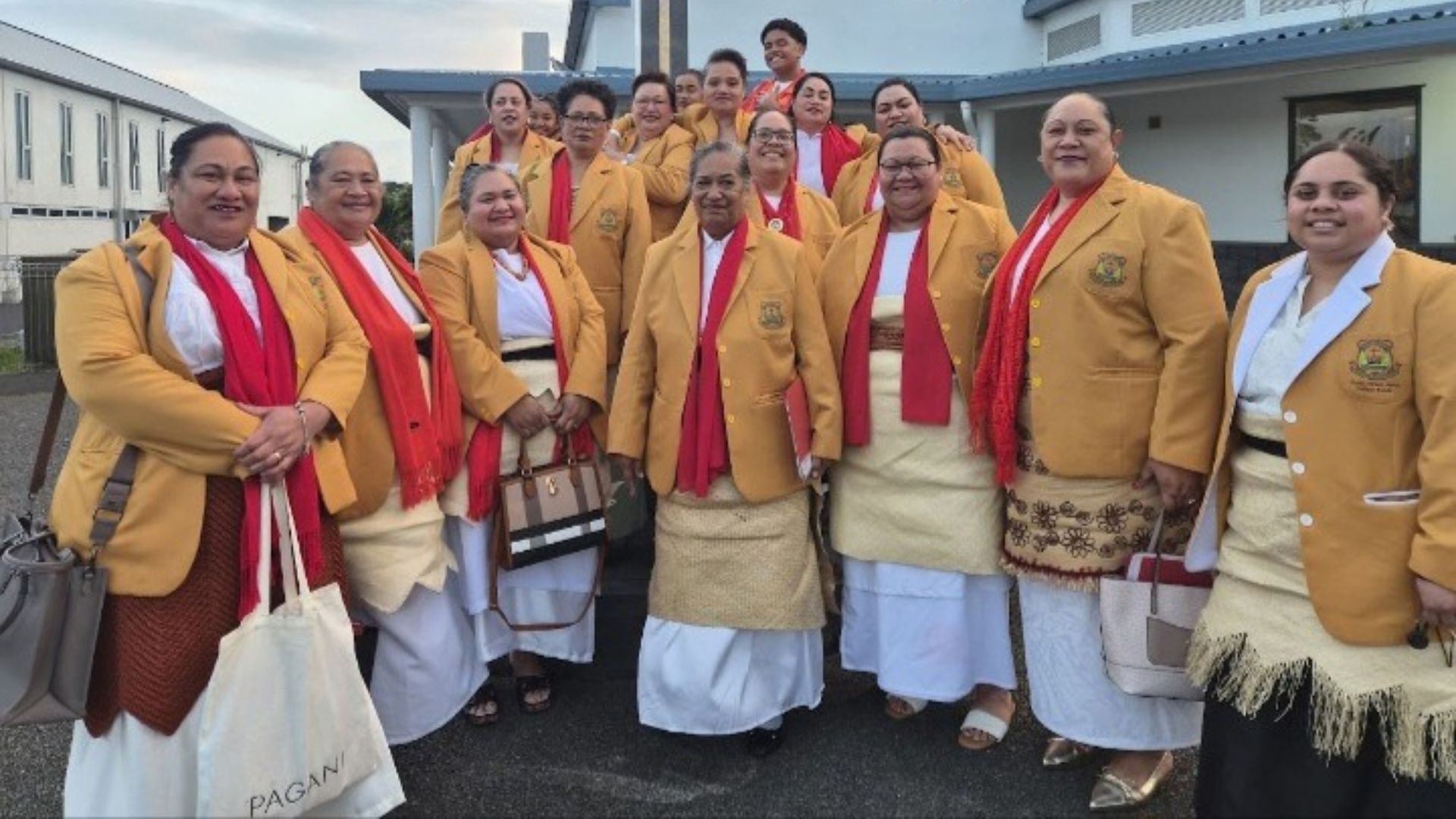
Women of the Falelotu Senituli ua oe lotu in Manurewa who supported Kesaiah Fakahau and her family. Photo/Supplied
“Waking up now, I feel like a normal human being. I believe that I experienced that for a reason. I chose to taste it, and I don’t blame anyone else, I blame myself.”
Fakahau moved to New Zealand in 2022, first settling in the South Island before moving to Auckland in 2024.
She says the loss of a child became part of the pain she was carrying.
“I lost a baby in my belly there, and that’s my history that started everything. It helped ease the pain that I was going through.”
At first, she said meth made it easier to communicate with her husband. But her use grew until she was taking it up to three times a week and spending as much as $500 a week.
“I would be awake for four or five days. It really breaks everything. It nearly took away everything,” she says.
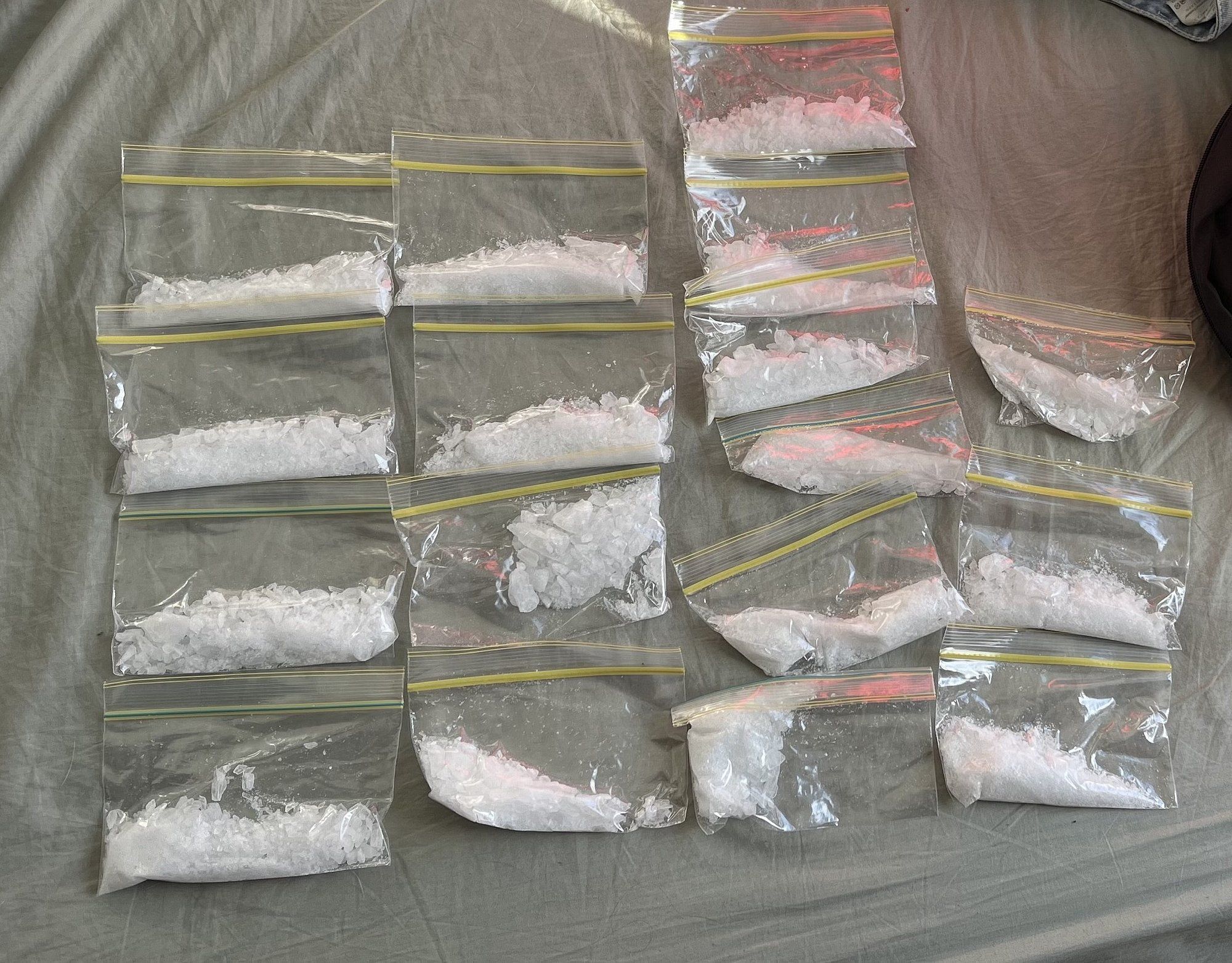
Methamphetamine seized by NZ Police in 2025. Photo/NZ Police
Three of her children, aged between 1 and 11 years, were eventually taken to Tonga by family members who were concerned about her drug use.
Fakahau says she is grateful to the person who anonymously reported her family to Oranga Tamariki, describing the intervention as “tough love”.
She also credits her mother, whose faith in her never wavered, and women from her church in Manurewa who prayed for her.
Her children are back in her care and she says they are doing well at school and can see the changes in their mother.
“If you think your kids don't know, nah. They know. They know the difference.”
Fakahau’s story comes as new figures show the wider pressure facing many New Zealand families.

Methamphetamine use in New Zealand is estimated to cost about $1.66 billion a year in social harm. Photo/File
The 2025/26 New Zealand Health Survey, released this week, found 10.5 per cent of adults and 7.3 per cent of children had an unmet need for professional help with emotions, stress, mental health or substance use.
Among Pacific adults, 24.4 per cent experienced high or very high psychological distress.
Tony Dowell, emeritus professor at the University of Otago, says the figures show ongoing inequalities in mental health.
"Māori (25.2 per cent) and Pacific (24.4 per cent) adults … disabled women (41.6 per cent), young women (30.4 per cent of 15–24 years), Māori women (28.5 per cent) and women living in the most deprived neighbourhoods (25.2 per cent).”
He says more investment is needed in mental health care through primary and community services.
For Fakahau, recovery is now also about what she can do for others.
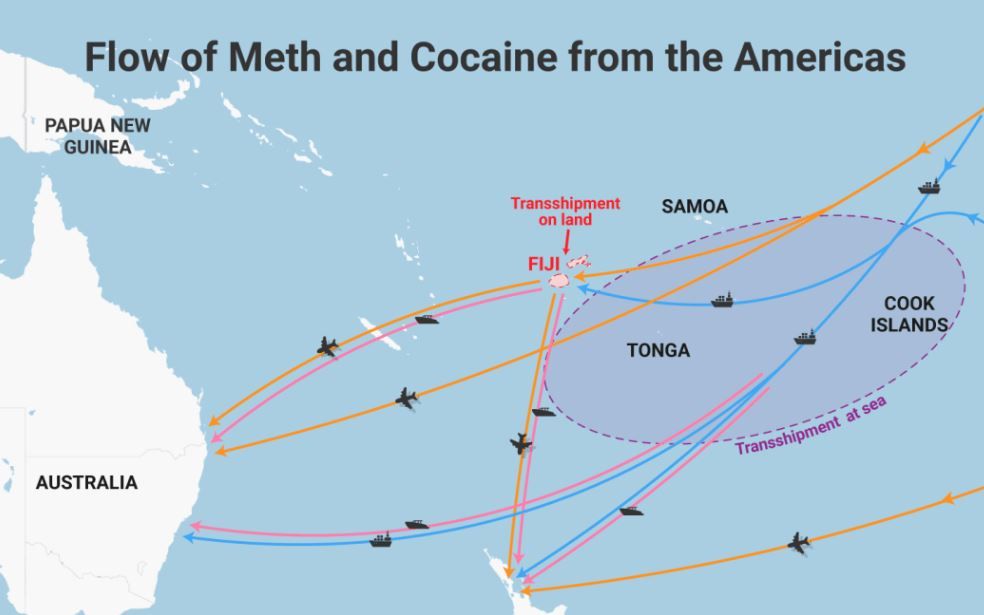
The drug trade has become a major issue in the Pacific region. Image/Organized Crime and Corruption Reporting Project
She is nearing completion of a Level 5 qualification in adult and tertiary teaching at Te Wānanga o Aotearoa and hopes to use what she has lived through to support people struggling with addiction, particularly in Pacific communities.
And her message is simple: “It's never too late. If I can do it, you can do it.”
Need help?
The Alcohol & Drug Helpline offers free confidential support 24/7 by phone, text message and online chat. Call 0800 787 79 or text 8681.
Odyssey House offers phone counselling on 0800 METH HELP (0800 638 443).