
Kiwis suffer last-gasp heartbreak as the Kangaroos snatch World Cup opener
Christine RovoiFri, 16 Oct
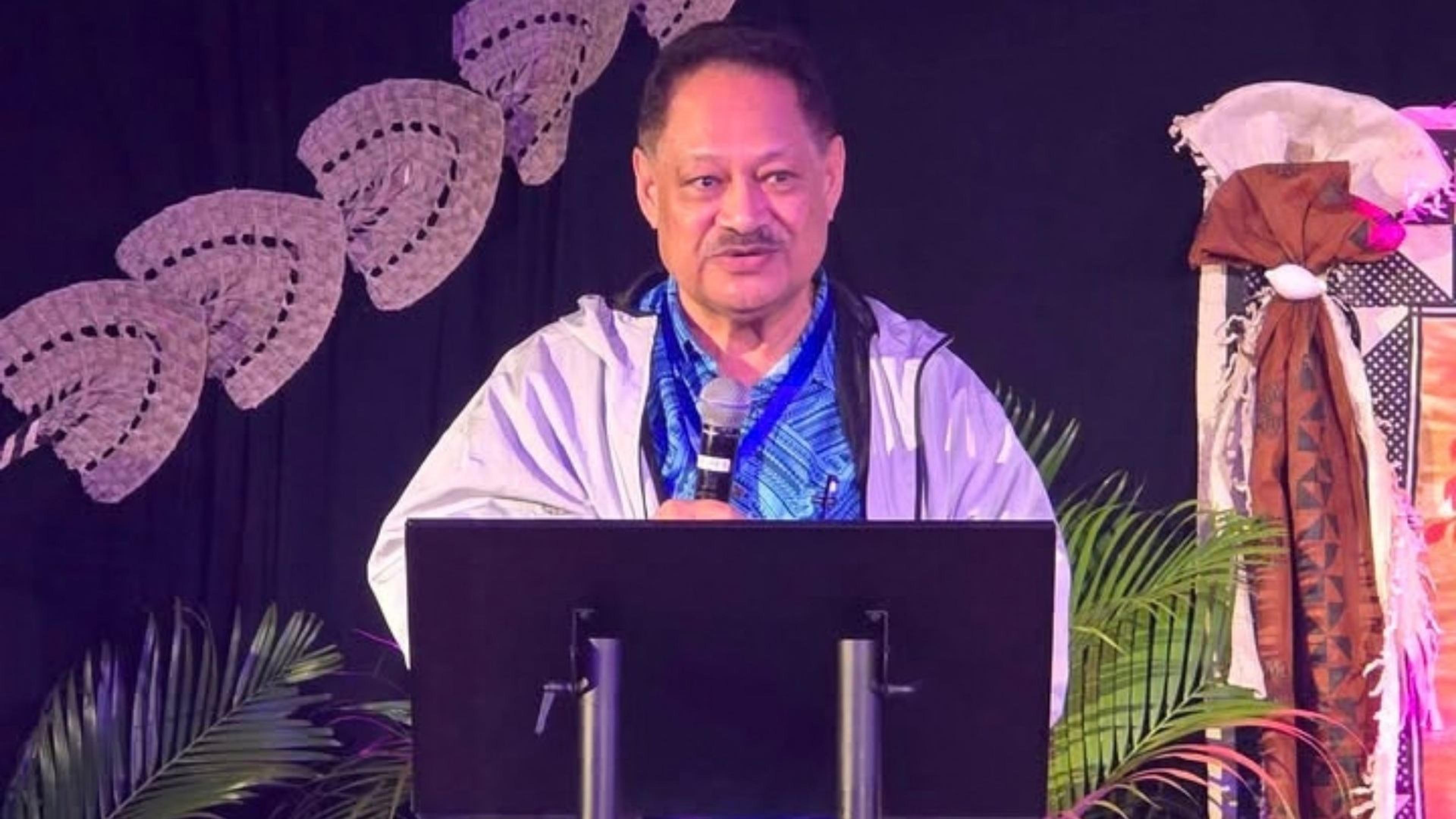
Pacific Islands News Association president Kalafi Moala says organised crime networks in Tonga are becoming more sophisticated, with methamphetamine allegedly now being manufactured locally.
Photo/PINA
Three people have been charged over an alleged meth importation as a veteran journalist warns criminal networks are becoming more organised.

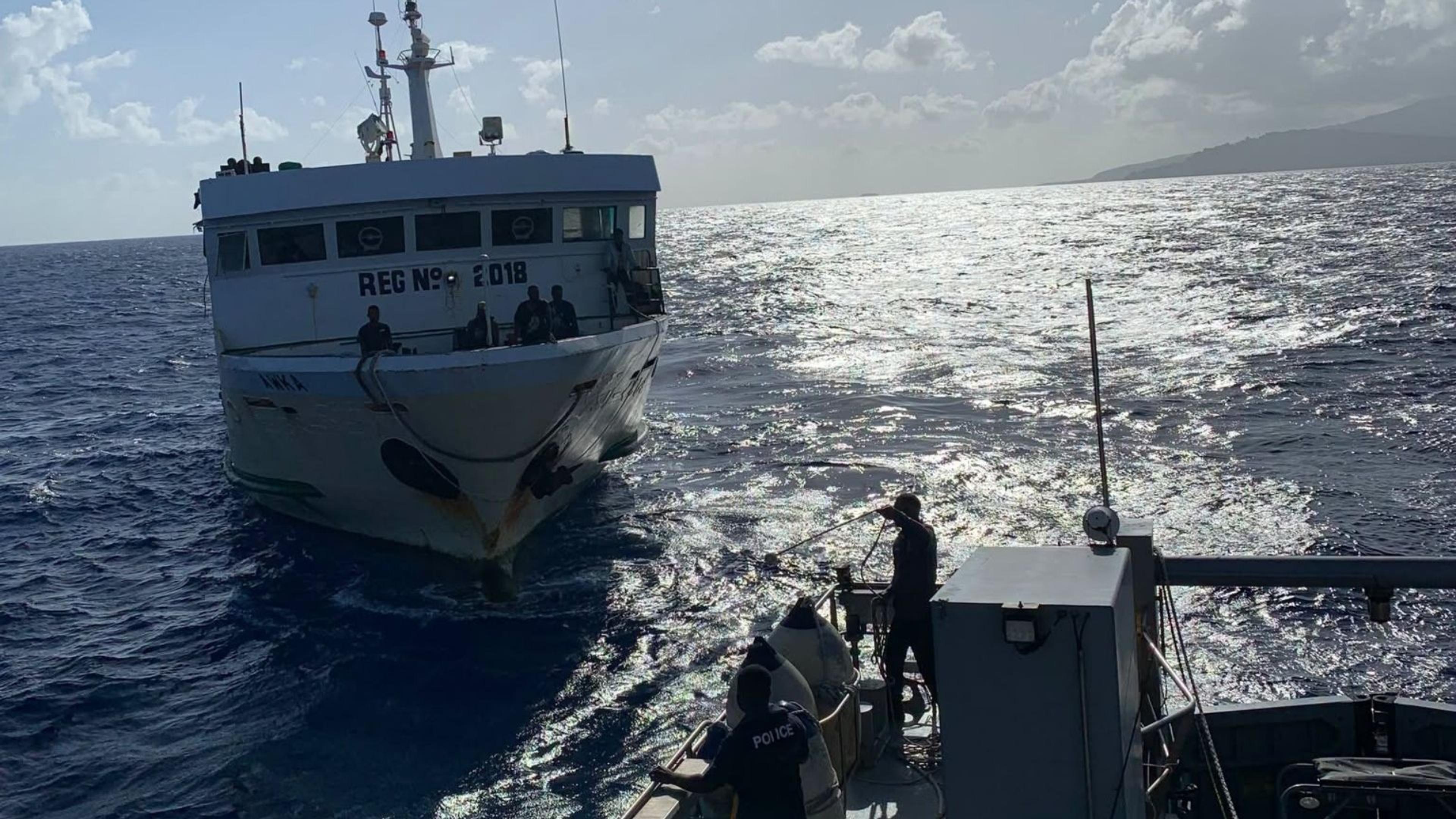


Tonga's drug networks are becoming more organised with three people charged over an alleged methamphetamine importation as a veteran journalist warns criminal networks now making the drug locally.
Tonga Police have arrested and charged a 36-year-old woman from Halaleva and two men, aged 68 and 45 from Vaini, with conspiracy to import illicit drugs.
Police seized about 200 grams of methamphetamine and electronic devices during the operation. The investigation is continuing.
The arrests come as Kalafi Moala, the Pacific Islands News Association (PINA) president and veteran Tongan journalist, warns organised crime networks in Tonga are becoming more sophisticated.
Speaking ahead of the opening of the Pacific Media Summit in Savusavu, Fiji, Moala said criminal networks had continued operating despite arrests and prosecutions.
“One is that it has grown. It hasn't had a positive effect, it just keeps growing. And it gets more sophisticated,” he said.
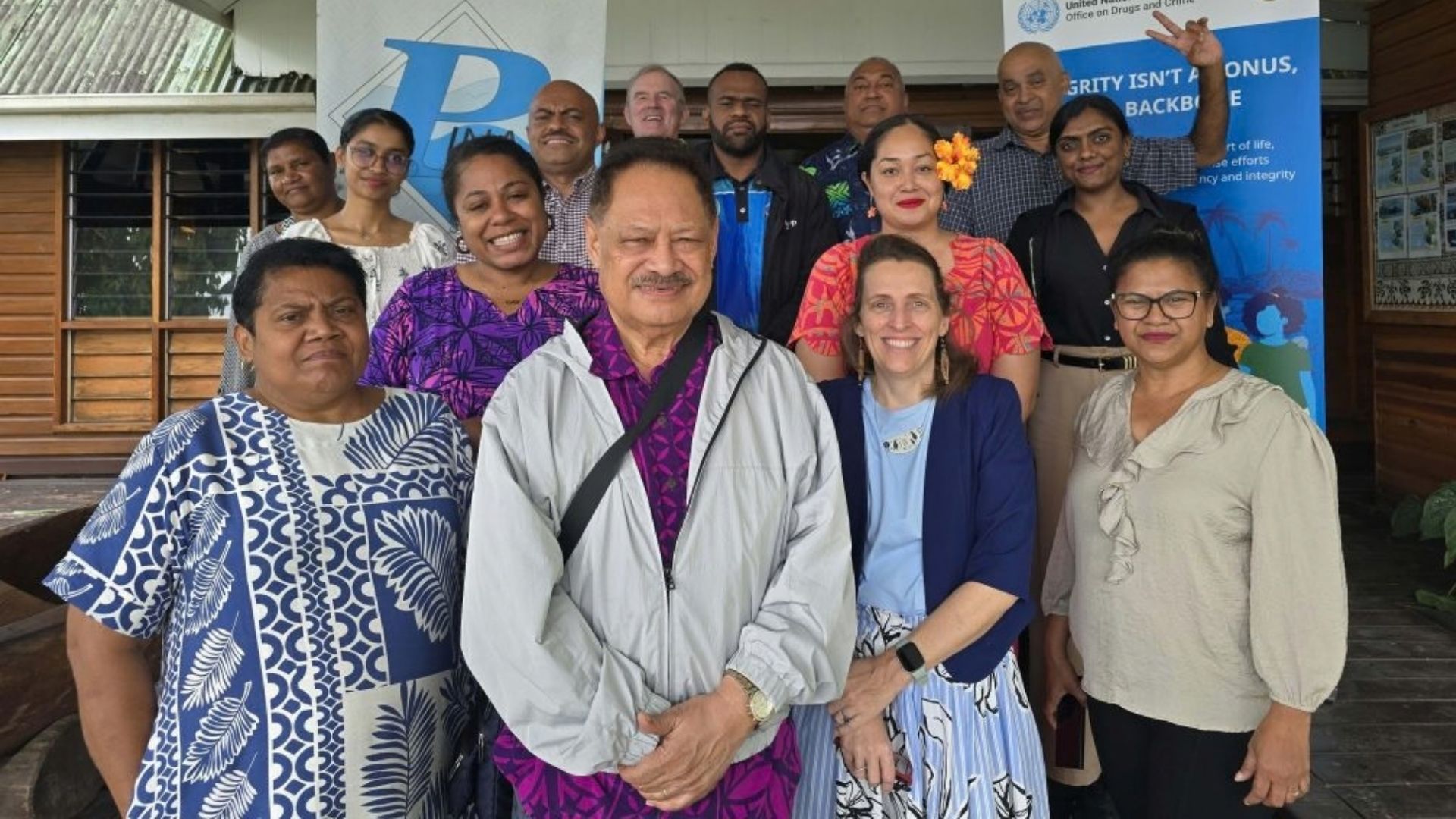
Pacific media leaders and journalists gathered in Savusavu, Fiji, for the 8th Pacific Media Summit, where organised crime and drug trafficking are among the issues being discussed. Photo/PINA
Moala said Tonga had historically been used as a network for cocaine distribution with links to Australia, New Zealand and Hawaii.
He said some network leaders had been jailed but the wider networks remained.
“The network never dismantled. And it's the same network now involved in the distribution, not only of cocaine but of meth,” he said.
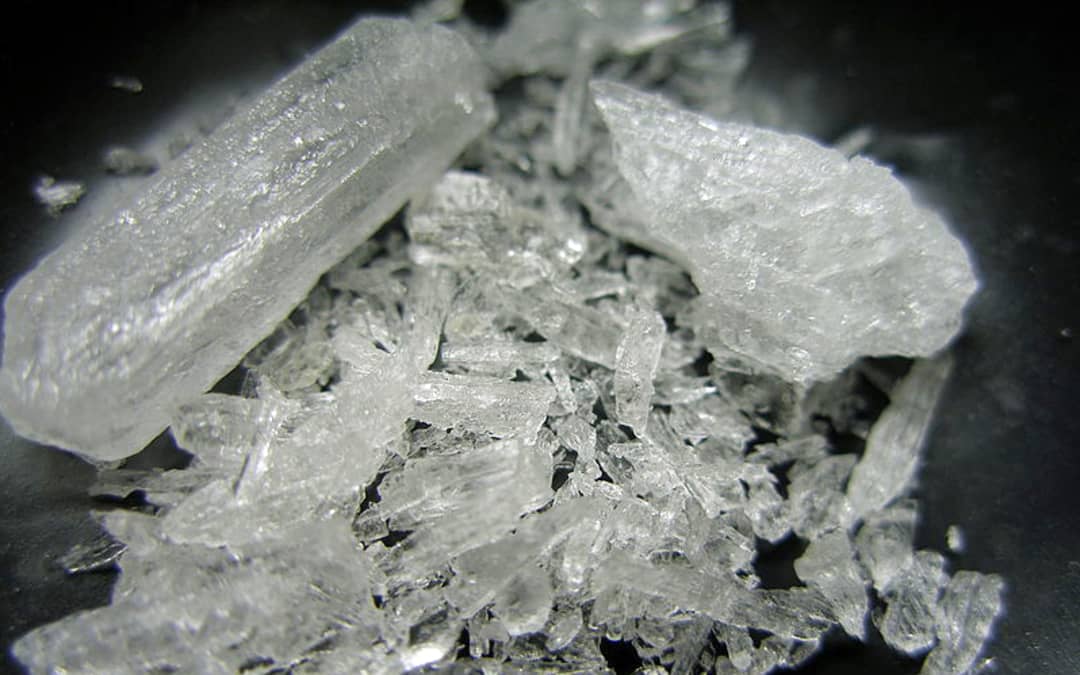
Tonga has seized more than 97kg of crystal methamphetamine and about 72.5kg of cocaine between January 2018 and July 2024, according to the International Narcotics Control Board. Photo/Wiki Commons
Latest regional data also shows the scale of the drug threat facing the Pacific.
Between January 2018 and July 2024, Tongan authorities seized 97.16kg of crystal methamphetamine and about 72.5kg of cocaine.
The International Narcotics Control Board says the quantities seized in Tonga are concerning given the country's small population.
Data from the United Nationals Office on Drugs and Crime (UNODC) also shows methamphetamine being trafficked through Pacific island transit countries towards Australia and Aotearoa.
Between 2020 and 2025, the main seizures reported in these transit countries were in Fiji, followed by Papua New Guinea, French Polynesia, Tonga, the Northern Mariana Islands, Palau and Guam.
The Tongan government has been expanding its response to illicit drugs with the National Drugs Taskforce approving funding in June for a new Remand Centre, vocational training at Hu’atolitoli Prison, reintegration programmes and support for the Tonga Police Tactical Response Group.
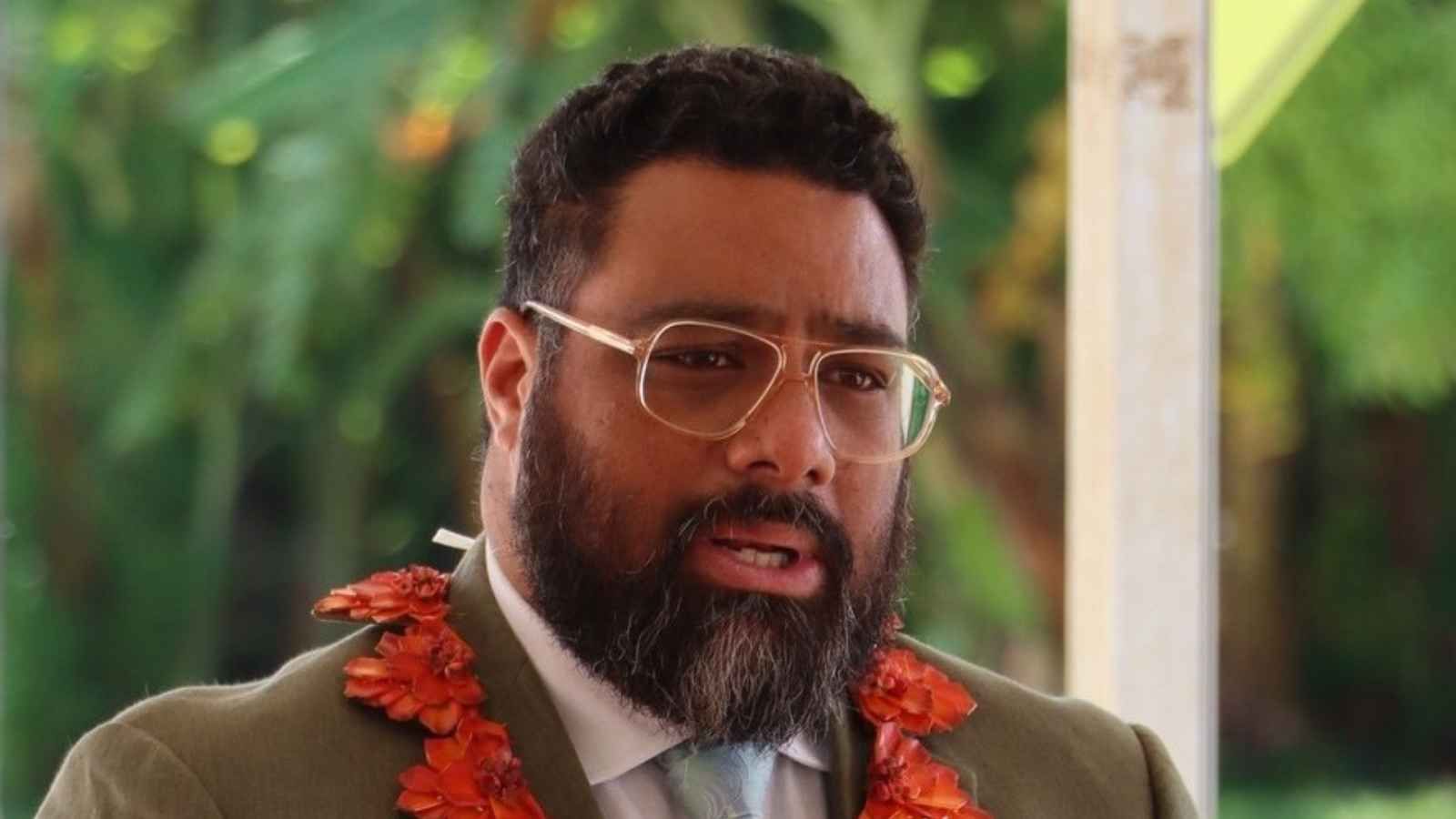
Tonga Prime Minister Lord Fakafanua chairs the National Drugs Taskforce, which has approved funding for a Remand Centre, prison vocational training, reintegration programmes, police support and Phase 2 of the national CCTV project. Photo/Supplied
The taskforce also confirmed support for Phase 2 of the national CCTV project.
“The National Drugs Taskforce will continue to meet regularly to consider support initiatives aimed at strengthening community safety, rehabilitation, and law enforcement efforts across Tonga," the government said in a statement.
Moala said Tonga was now facing a more serious threat, alleging methamphetamine was being made locally after ingredients and equipment were brought into the country.
“They're not just distributing meth coming through to Tonga, they're making it locally, manufacturing it,” he said.
He said drugs were then being moved to Aotearoa and Australia.
“So we do have a problem, and in terms of result and outcome, it's just getting worse,” Moala said.
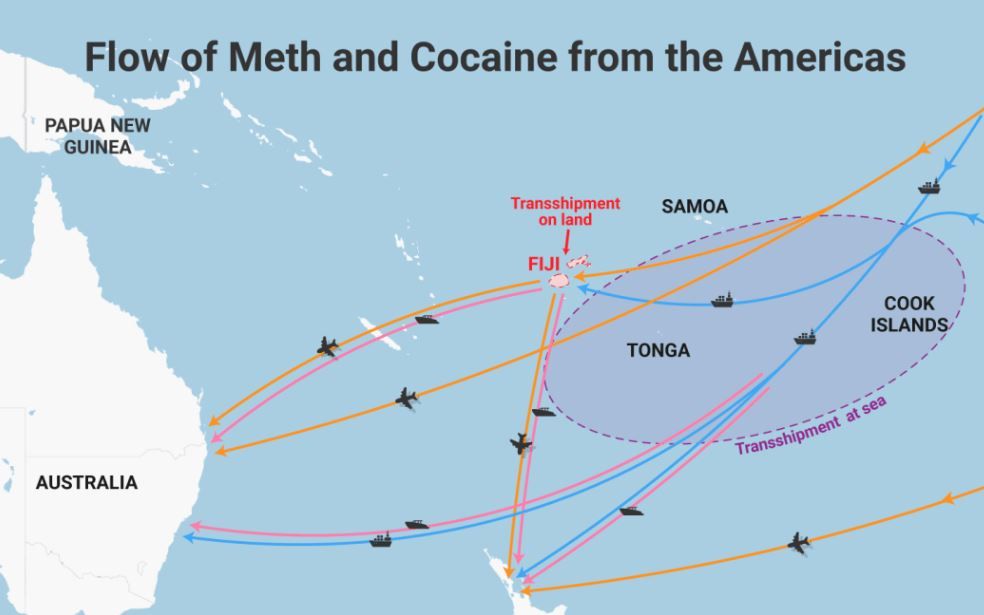
Methamphetamine is being trafficked through Pacific island transit countries towards Australia and New Zealand, with seizures reported across Fiji, Papua New Guinea, French Polynesia, Tonga and other Pacific locations between 2020 and 2025. Photo/OCCRP
The growth of organised crime is also putting journalists who investigate drug networks at risk, he said.
Moala recalled a female reporter from the Kele'a newspaper who had reported on Tongan gangs. He said a gang member came to the newspaper's office the following day and threatened her.
“She was threatened, 'if you continue to report it, we're going to get you',” he said.
Moala said journalists had to understand the risks of reporting on organised crime but should not allow fear to stop them from telling the public what is happening.
“Well, don't they tell the truth? Truth should be protected by the truth. And the most important thing in our profession is that there are no limitations,” he said.
He said journalists also needed to recognise when a threat became too dangerous.
“In terms of personal protection against harm and all of that, I think if we have a concern and we are fearful about it, worried about it, we should get out. There are dangers in being a journalist,” he said.
Moala also raised concerns about Tonga's ability to support people affected by drug addiction, saying specialised treatment and counselling services were limited.
“We don't have any other church or government facility for the counselling and the treatment of drug addicts,” he said. “So that is a national problem that we are facing."
Moala said continued reporting and scrutiny were needed as organised crime networks evolved across the Pacific.
Fiji's Prime Minister Sitiveni Rabuka will officially open the Pacific Media Summit on Wednesday.