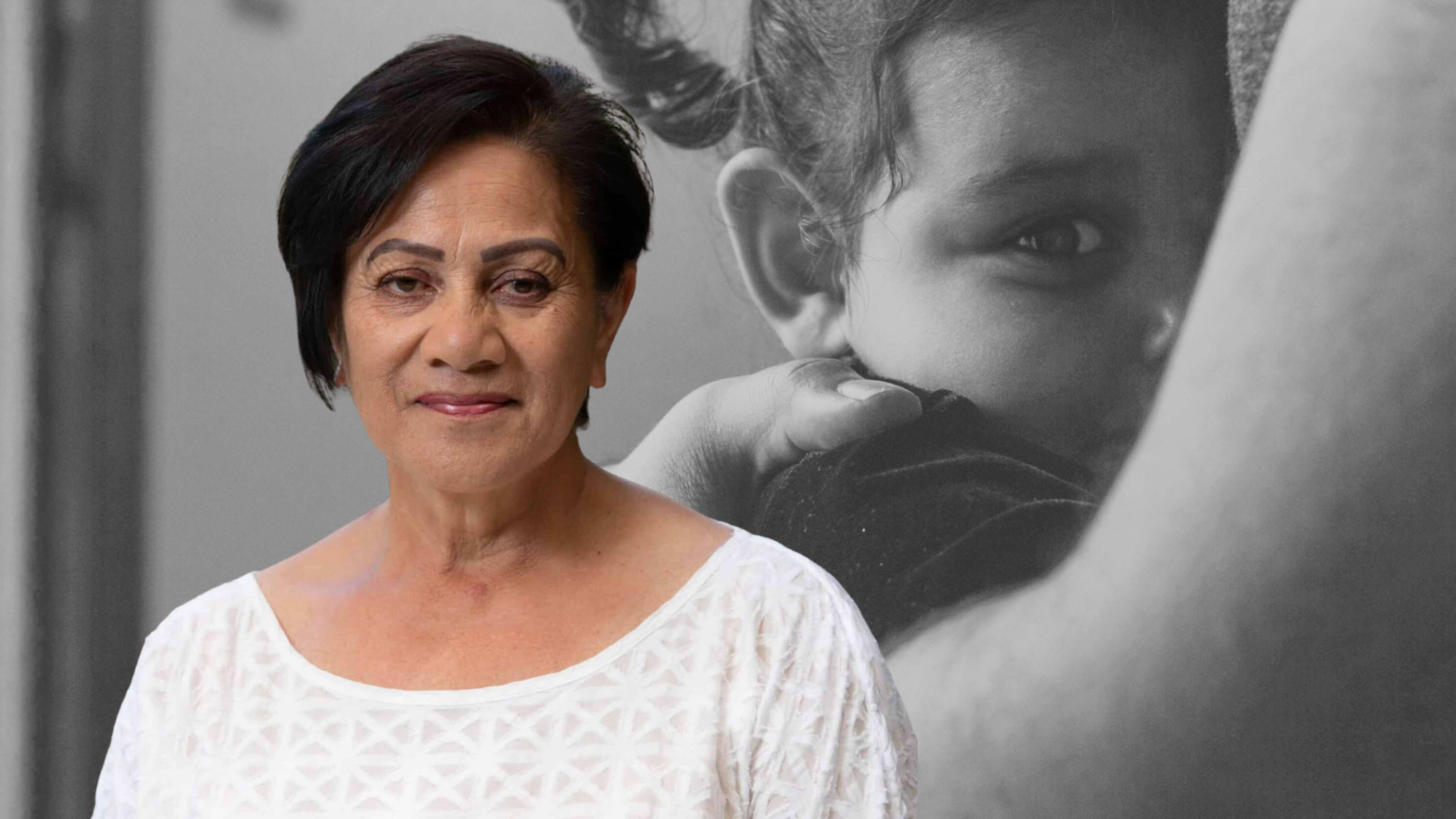
Poutu Pasifika Services Manager Sylvia Yandall urges families to access support.
Photo/HELP Auckland/Unsplash
Law & Order
‘Don’t suffer in silence’: Pacific families see spike in violent crime
Pacific communities have experienced a 42 per cent rise in victims, prompting leaders to emphasise culturally grounded services and family support.

Khalia Strong
Published
02 March 2026, 10:55am
Share
Copy Link
Top stories

Tofiga Fepulea’i brings the laughs while taking top honours at Arts Pasifika Awards
Aui'a Vaimaila Leatinu'uFri, 23 Oct

‘It kind of breaks my heart’: Kiwis run riot after Cook Islands’ brave start
Latonya LoleSun, 25 Oct
Top stories
Tofiga Fepulea’i brings the laughs while taking top honours at Arts Pasifika Awards
Aui'a Vaimaila Leatinu'uFri, 23 Oct
‘It kind of breaks my heart’: Kiwis run riot after Cook Islands’ brave start
Latonya LoleSun, 25 Oct
Warning: The following article discusses abuse.
Pacific leaders are urging families not to suffer in silence after new figures show a sharp rise in Pacific victims of violent crime.
The latest New Zealand Crime and Victims Survey shows there were 49,000 fewer victims of violent crime in the year to October 2025 than two years earlier. But for Pacific communities, the trend is moving in the opposite direction, rising from 11,000 victims in October 2023 to 16,000 in October 2025, a 42 per cent increase.
Sylvia Yandall, Services Manager at Poutu Pasifika in Tāmaki Makaurau, says the increase shows more people are coming forward.
“Pacific victims are coming forward and there’s an increase in reporting, whereas in the past with Pasifika people we tended to sweep it under the carpet and not say anything,” she tells Pacific Mornings.
“A stigma of silence has long prevented families from seeking help, which can have ripple effects across the whole family. With our Pacific people, aiga is the backbone of who we are. Lose that, and our young people are like wakas without a rudder.”
Watch Sylvia Yandall's full interview below.
Aui’a Vaimaila Leatinu’u, a PMN journalist who has written about intergenerational trauma in his own family, says violence and hardship shaped his mother and aunty’s lives.
“Grandpa frequently returned home in an alcohol-fueled state and raised hell. They grew up poor, weetbix never had milk to go with it. I only experienced her true, loving side, but admittedly, aunty was very toxic and hurtful to others, especially in her later years.”
Over the same period, there were 10,000 fewer victims among other ethnicities, a 26 per cent decrease. Justice Minister Paul Goldsmith says the Government’s tough-on-crime approach is working.

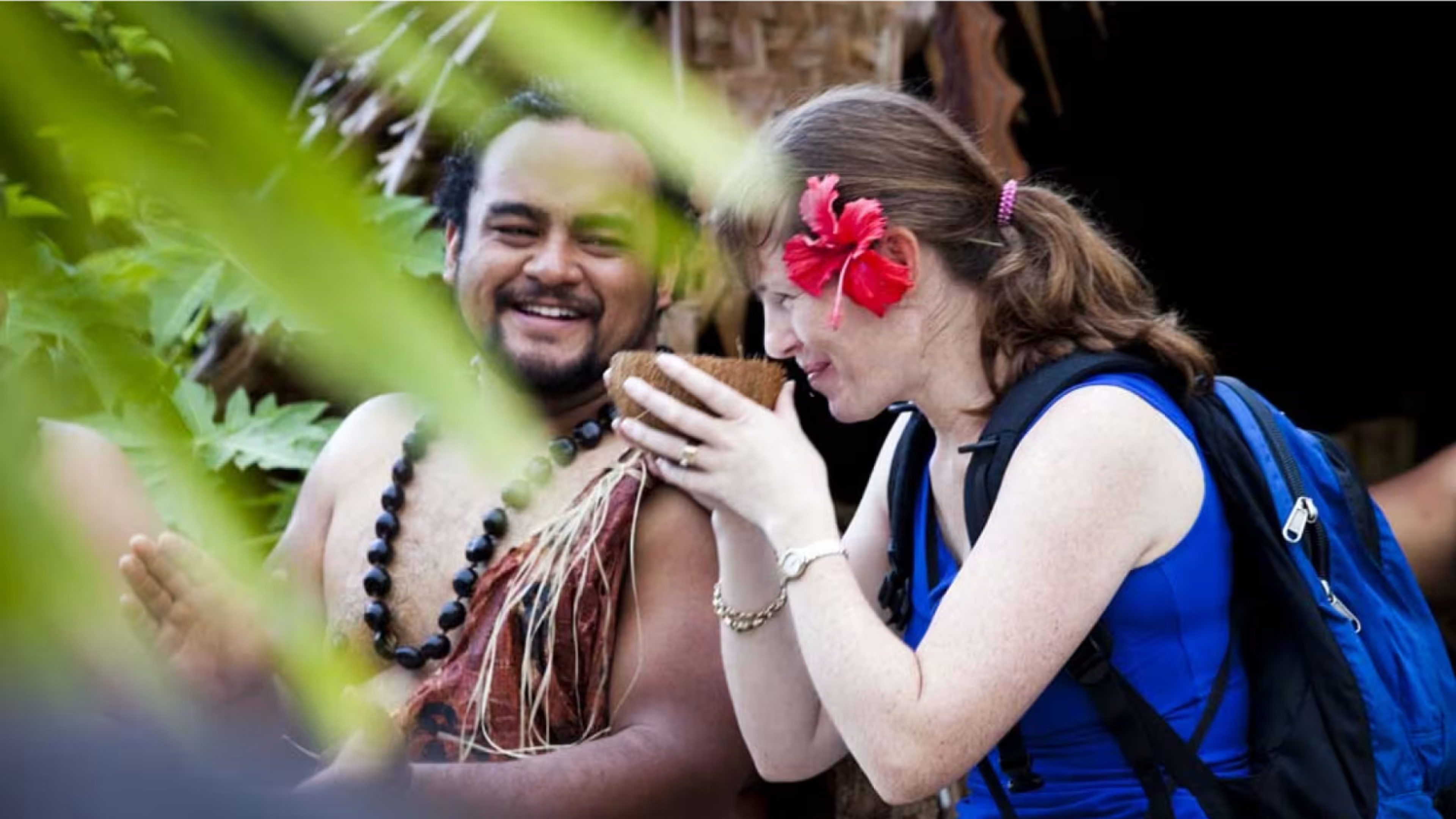
More Pacific families are reporting crime, leading to a 42 per cent rise in victim numbers. Photo/Unsplash
“Since day one, we’ve been working tirelessly to restore real consequences for crime, and to place victims back at the centre of the justice system,” he says in a statement, highlighting reforms to sentencing laws, restoring Three Strikes, and increasing police visibility.
Social pressures
The rise in Pacific victim numbers comes amid broader social pressures. Pacific unemployment sits at 12.3 per cent, more than double the national average of 5.4 per cent, and almost one in three Pacific children experience material hardship.
Yandall says culturally informed services are essential in helping Pacific families heal.
“We saw in an 11 year old girl how it made such a difference that she connected with someone who not only looked like her but who could understand where she came from … we've continually seen that not just in our victims but also in the families.”
However, she warns there are not enough Pacific services or workers to meet demand.
Dr Claire Achmad, the Children’s Commissioner, says disadvantage in childhood has long-term consequences.
“Things like social outcomes, education, involvement with the justice system, and so what that tells me is that we've got to do so much more right now in childhood to prevent poverty from happening in the first place,” she says.
Speaking on Pacific Mornings, Dr Achmad urges the Government to follow through on commitments in its child and youth strategy.

Pacific victims are being urged to access support. Photo/Unsplash
“I don't want any child in this country to be struggling to survive … I want to see the government follow through on that with investments and policies that will make a difference because this is absolutely a solvable problem.”
Accessing support early and connecting with culturally informed services can help Pacific families heal and prevent violence from passing to the next generation.
Yandall ends with a final message to families: “Don't be ashamed of accessing that help that's there for you.”
If you are a victim of family violence or in a relationship that makes you fearful about your own or anyone else's safety, seek help as soon as possible. You have the right to be safe.
Help Auckland/Poutu Pasifika | 24/7 helpline 0800 623 1700
Elder Abuse Helpline | 0800 32 668 65 (or text 5032) - 24 hours
Family violence information line | 0800 456 450
Photo/Vile
Hey Bro helpline- supporting men to be free from violence | 0800 HeyBro (439 276)
Hohou te rongo kahukura building rainbow communities free from violence
National network of stopping violence | 03 391 0048
Sensitive Claims ACC | 0800 101 996 (General Claims)
Shine National Helpline | 0508 744 633 - 24 hours
Victim Support- support for men and women victims | 0800 842 846 - 24 hours
Women’s Refuge crisis | 0800 733 843 - 24 hours
Rainbow Youth - promoting healthy queer, trans and takatāpui relationships