Online vault aims to return Pacific research to the community
Aui'a Vaimaila Leatinu'uWed, 21 Oct
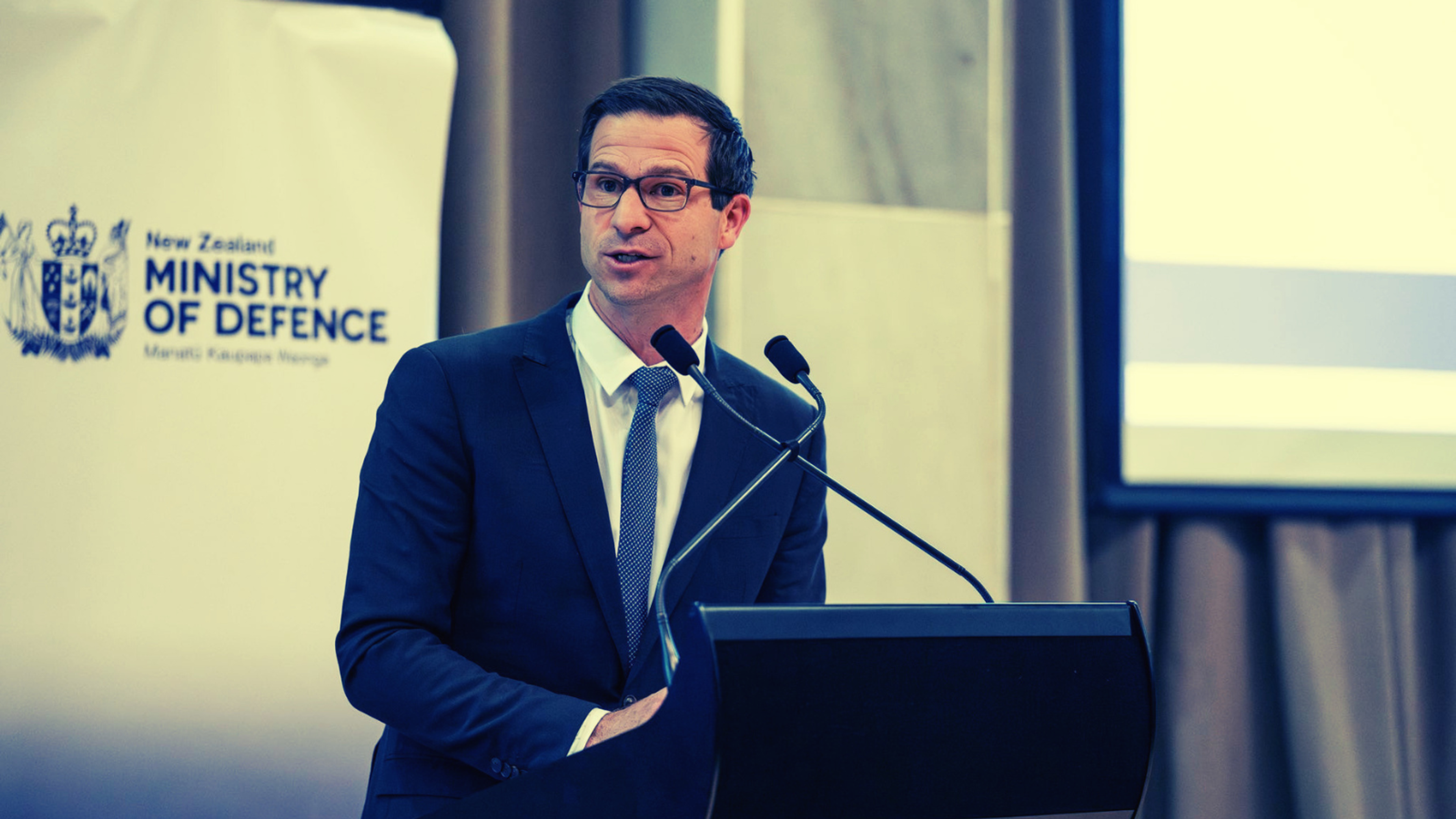
Defence and Veterans Minister Chris Penk announced the $1.58 billion Budget 2026 package last week, which focuses heavily on maritime security.
Photo/Facebook
A $1.58 billion defence package puts New Zealand's maritime focus in the spotlight as Pacific leaders warn drug networks are outpacing the region.


New Zealand is boosting its maritime defence capabilities as Pacific leaders warn the region is facing a growing drug trafficking crisis that no single country can tackle on its own.
Defence and Veterans Minister Chris Penk announced the $1.58 billion Budget 2026 package last week, which focuses heavily on maritime security.
It includes funding for two new drone systems, major maintenance on the Anzac-class frigates and HMNZS Canterbury, and ongoing work on the Maritime Fleet Renewal programme.
"New Zealand's prosperity and security depend on the sea," Penk said in a statement. "The oceans are not a barrier to danger but a vital national interest that must be actively secured."
The announcement came just days after Pacific police chiefs and ministers met in Fiji for the inaugural Pacific Transnational Crime Summit, where rising organised crime and drug trafficking were front and centre.
Dr John Battersby, Massey University security analyst, welcomes the investment but warns the biggest threat facing the region is not traditional conflict but transnational crime.
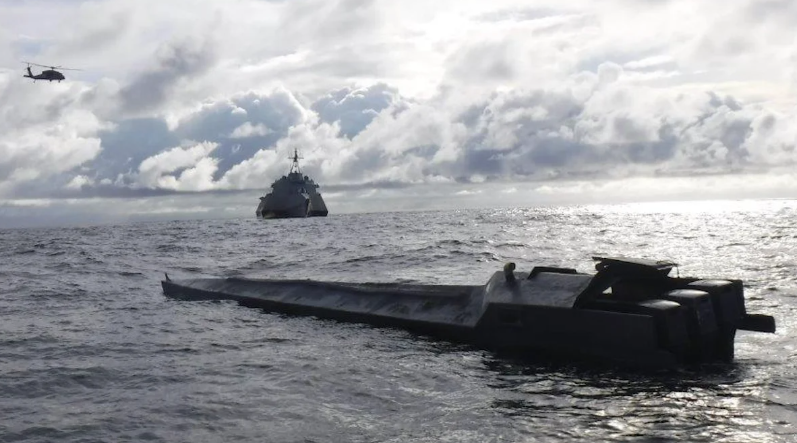
The transoceanic capabilities of narco-subs mean they can now travel thousands of kilometres between nations. Photo/US Navy
"It's a step in the right direction," he told William Terite on Pacific Mornings. "I like the fact that we're picking up on the developments in technology that the Ukrainian conflict has clearly produced."
But Battersby says the impact of drugs on Pacific communities is devastating.
"For me, in looking at the impact and risk and implications for Pacific communities in the islands and also for us here, it's transnational organised crime,” he said.
Listen to Dr John Battersby's interview below.
“The impact that drugs have - it's just misery. It can have a completely destructive effect on societies, especially small remote island ones where they don't have a great deal of state resources to deal with it."
He says trafficking routes are now stretching deep into the region.
"We now have narco-submarines coming right across the Pacific into Pacific islands, and then from there, drugs are transferred into Australia, New Zealand, and into East Asia."
That warning was echoed at the Pacific Transnational Crime Summit held in Momi Bay, Fiji, from 18 to 22 May.
The meeting, co-convened by the Fiji Police Force (FPF) and the Australian Federal Police (AFP), brought together 20 police chiefs, ministers, and international partners from across the Pacific under the theme: Connected by Ocean, United in the Fight.
Fiji Police Commissioner Rusiate Tudravu says stronger cooperation is urgently needed. "We cannot afford to allow the summit to be just another meeting,” Tudravu said in a statement.
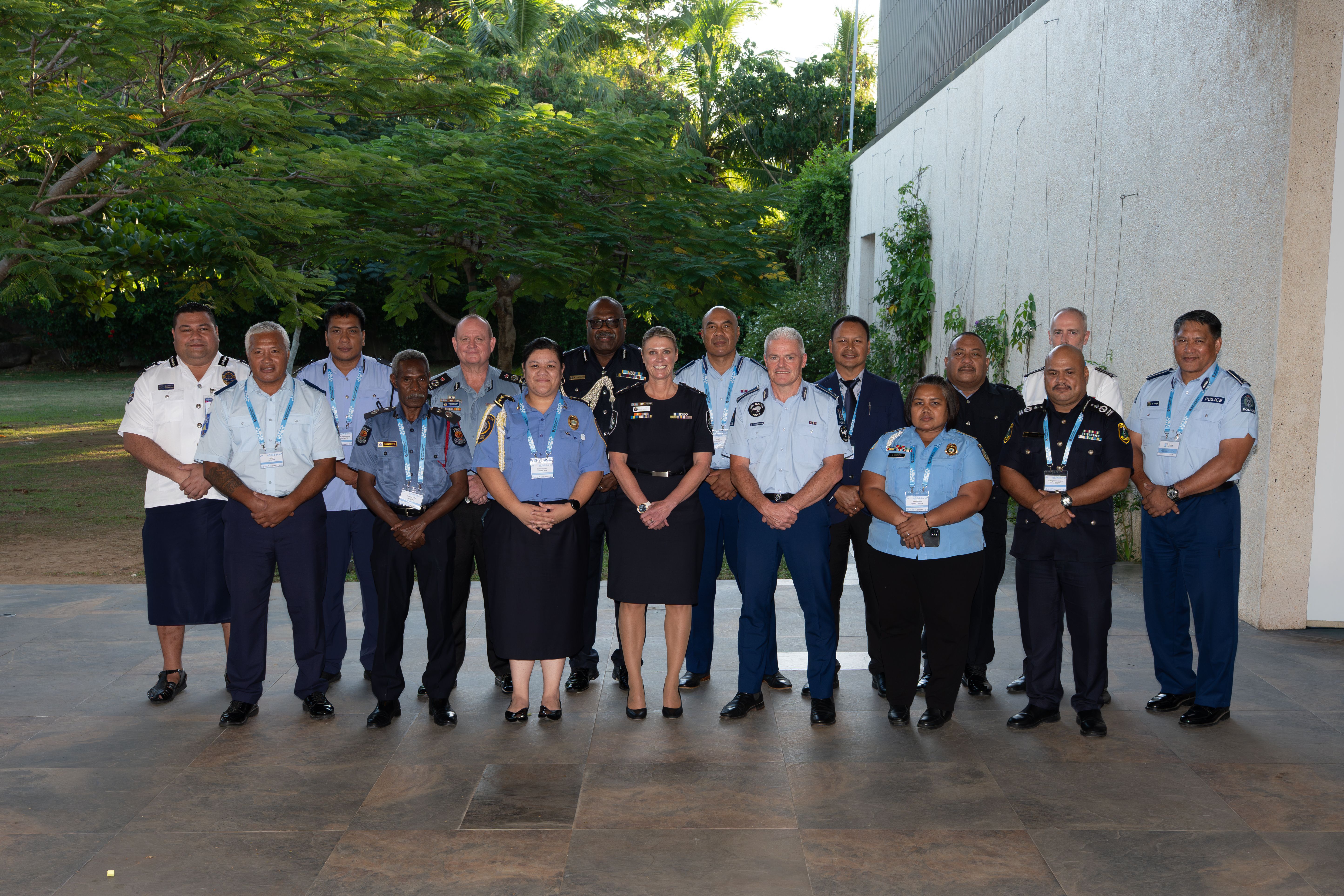
The first Pacific Transnational Crime Summit held in Fiji from 18-22 May brought together stakeholders and law enforcement from across the region and internationally. Photo/Supplied
“Our people demand action and we vow to reflect this through enhanced collaboration, sending a strong collective warning that the Pacific is fighting back."
AFP Commissioner Krissy Barrett says the region is facing a growing flow of illicit drugs, largely driven by demand in Australia.
"Together, as heads of Pacific Police, we need to target the cartels and organised criminals who are trafficking the poison affecting our communities and our kids," she said in a statement.
Summit outcomes included the launch of Pacific Watch, a public crime-reporting tool, a new joint investigations team involving Australian, New Zealand, and Colombian police, and closer coordination on maritime drug interdictions.
More than 17 tonnes of illicit drugs have been seized across the Pacific since January, according to the AFP.
Lanieta Navitilevu of the Fiji Police Force says criminal groups are becoming harder to track. “Criminal syndicates nowadays, they have become quite sophisticated. It’s on us as law enforcement to be a step above that,” she said in an AFP social media video.
The security challenge comes alongside growing geopolitical competition in the Pacific with China and the United States expanding maritime engagement with island nations.
Battersby says the shifting global dynamics make regional cooperation even more important.
"We need to rebuild relationships between these countries. We've got to work a lot more closely together."
New Zealand's new maritime investment signals a stronger focus on the Pacific. But as leaders made clear in Fiji, the scale and speed of the drug trade means no one country or tool will be enough on its own.