A study shows more than half of Pacific adults delay dental treatment due to cost.
Photo/Unsplash
Health
'20 out of 10 bad': Niuean man’s $2050 dental bill highlights cost crisis for Pasifika
A newly costed proposal for publicly funded adult dental care comes as Pacific health leaders warn many families are delaying treatment until pain becomes severe and costs climb.

Khalia Strong
Published
25 May 2026, 12:59pm
Share
Copy Link
Top stories
Fiji's army chief warns the gun must never overrule the ballot
Christine RovoiMon, 12 Oct
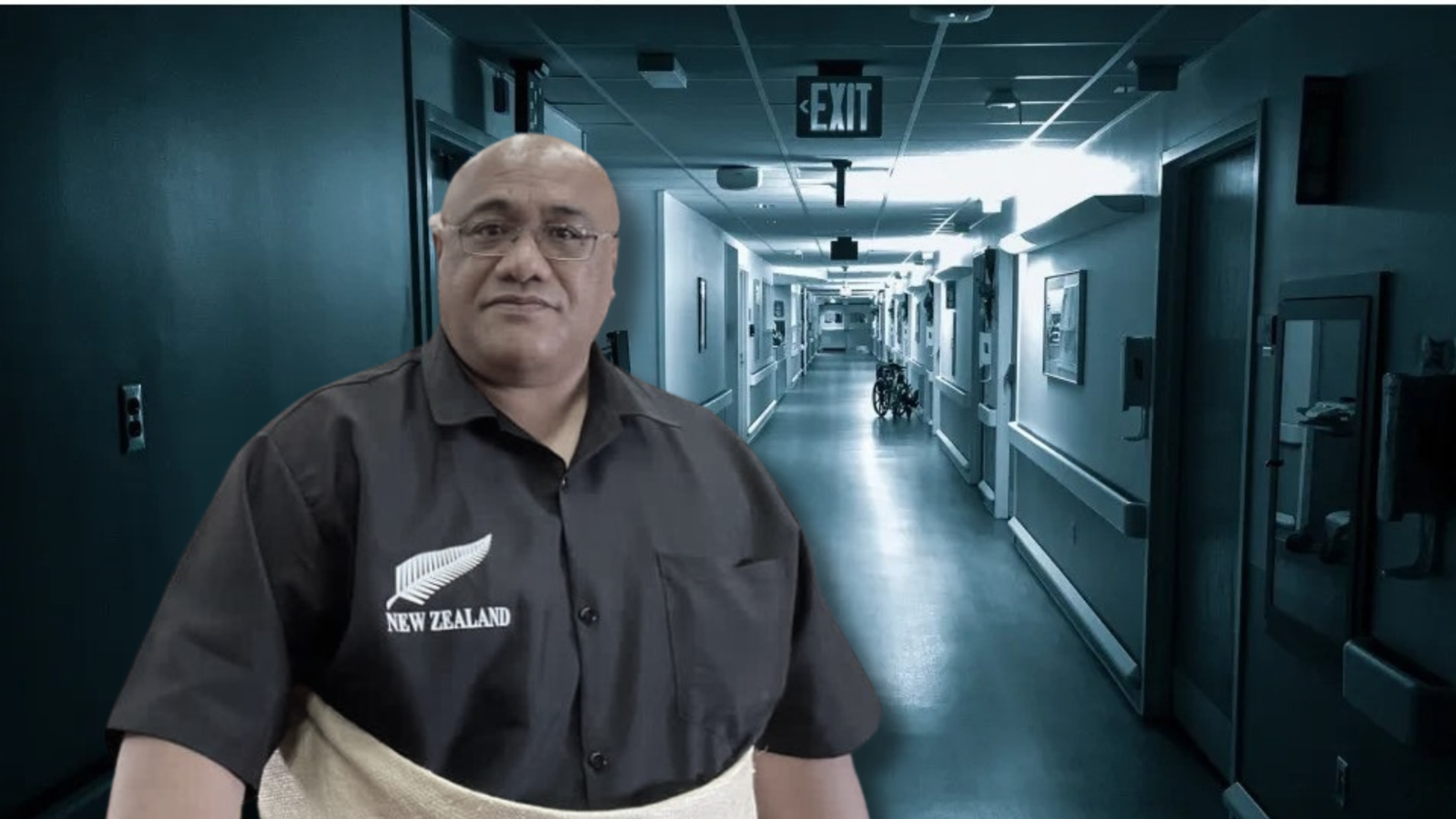
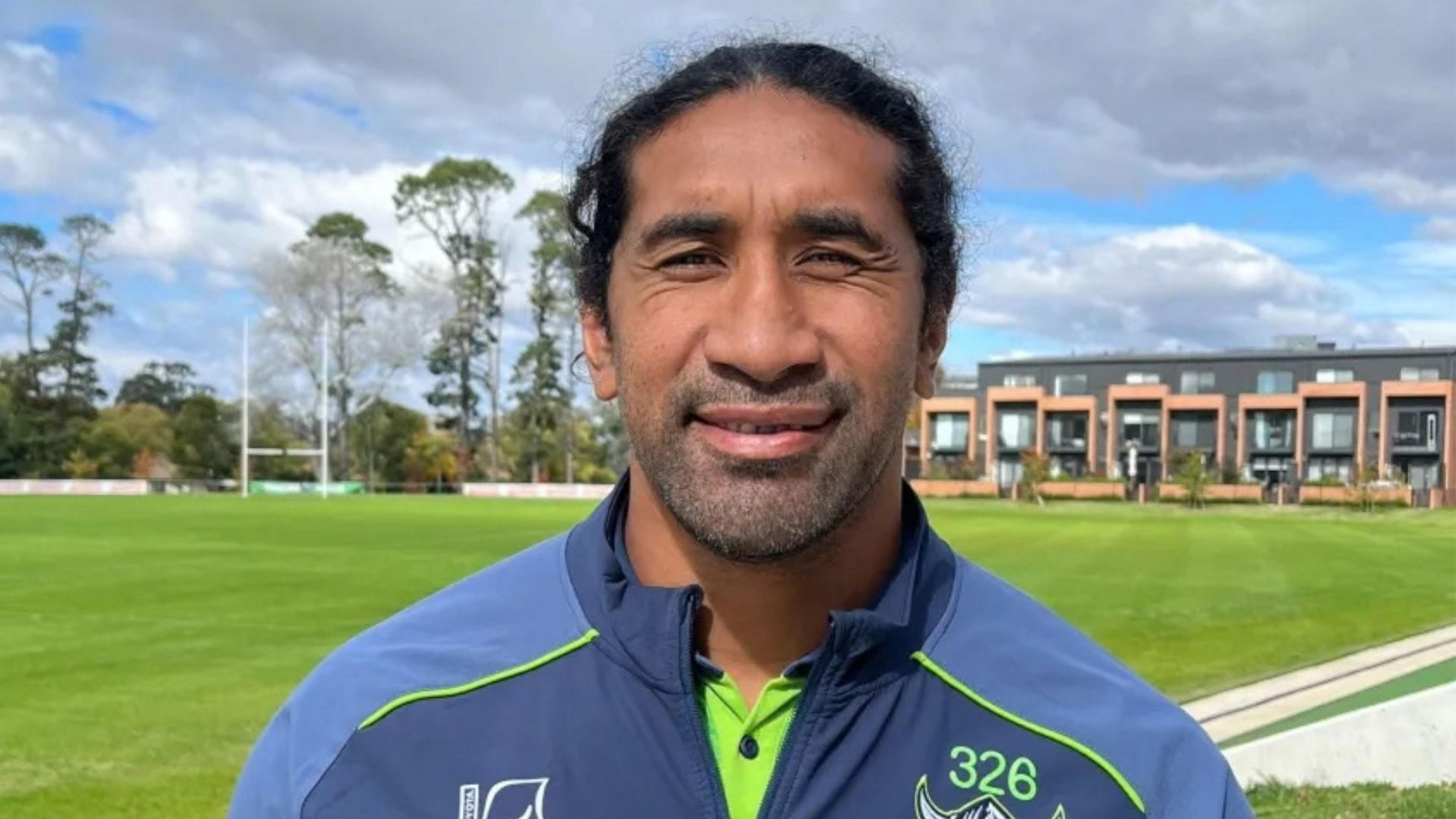
A Niuean man says dental costs left him questioning whether he could afford to return after putting off treatment until the pain became "20 out of 10 bad".
Matt Manukuo spent months trying to manage the pain before eventually facing more than $2000 in bills for a root canal and wisdom tooth removal.
"I remember taking Panadol and Brufen and Nurofen, everything to try and ease the pain," he tells PMN News.
"Next thing, I'm paying $700 up front for a root canal. That put a real dent in my bank account and, to be honest, made me rethink going to the dentist in general."
Manukuo says cost and fear often stop people from getting help earlier.
"For a lot of our people, we often neglect dental check-ups because of how expensive it is, also how scary it can be for some of our people."
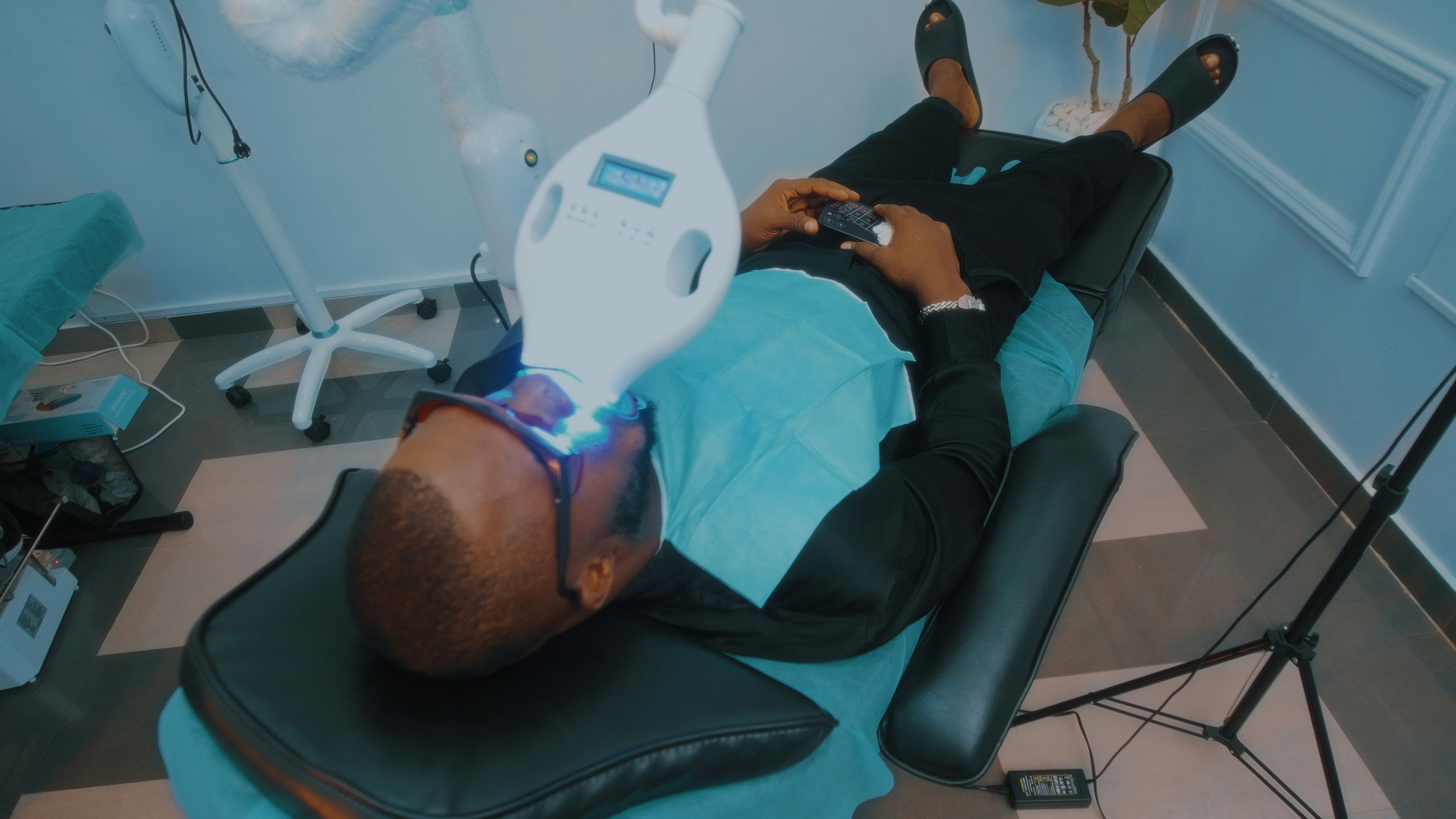
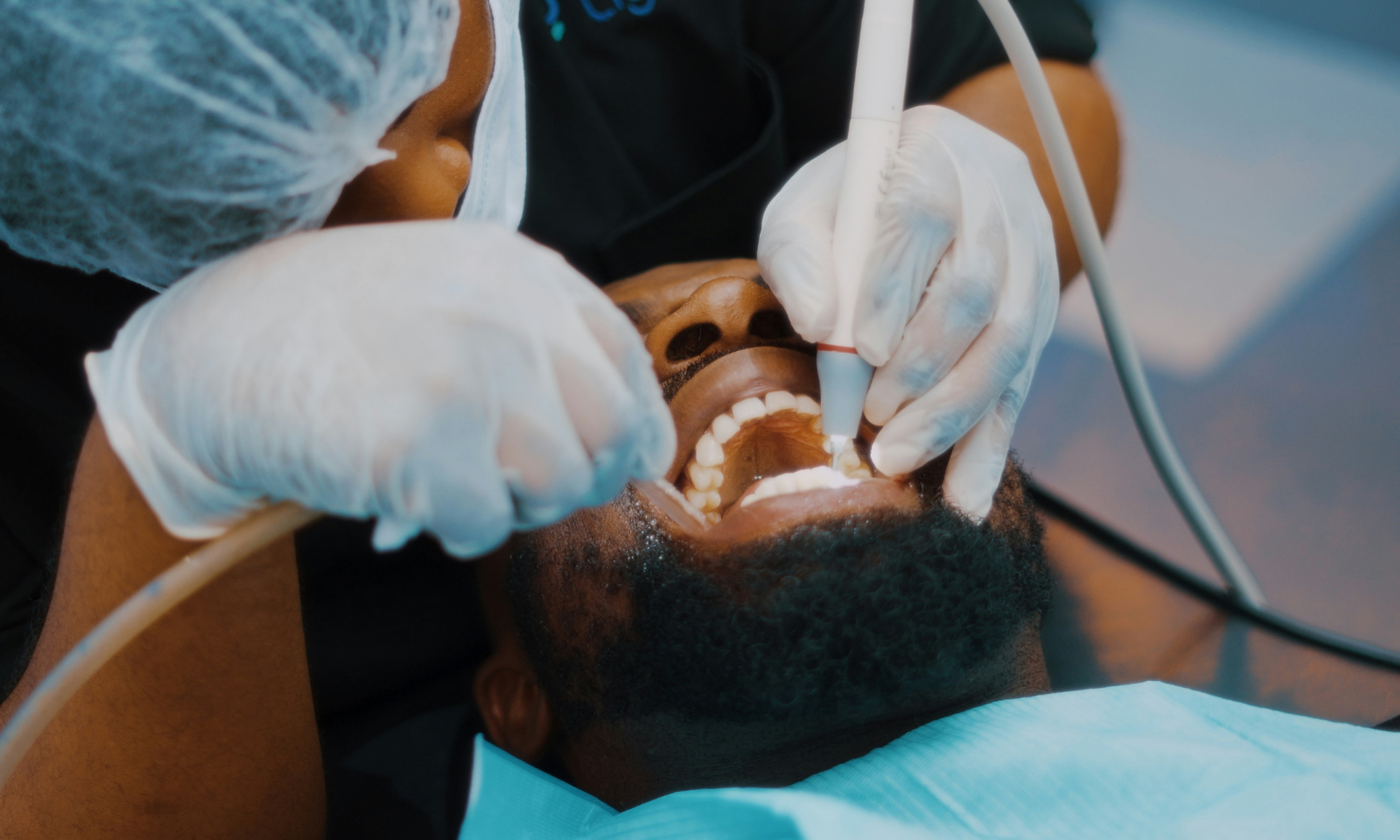
There are calls for routine dental checks to be included in public health funding. Photo/Unsplash
His experience reflects a wider issue across Pacific communities in New Zealand. Figures from the Health Survey show 56 per cent of Pasifika adults report unmet oral healthcare need because of cost, compared with 43 per cent overall.
It comes as a newly released Dental for All proposal estimates publicly funded adult dental care could cost $936 million a year, alongside a one-off $1.06 billion investment to set up the system.
The plan also calls for stronger support for Māori, Pacific, and rural oral health workforces.
Listen to Dr Tule Misa's full interview below.
Dr Tule Misa, Clinical Director for Community Dental Services in Canterbury and South Canterbury, says many Pacific families are delaying treatment until problems become more serious, leading to more complex and expensive care.
"Many families are forced to prioritise rent, food and power bills before dental care. By the time they come to see us, teeth are often beyond saving," she tells PMN News.
"Many Pacific families are still losing teeth from diseases that are almost entirely preventable. Children should not be hospitalised for tooth decay in a developed country like New Zealand."
Misa says delayed treatment is linked to overcrowded housing, cost-of-living pressures, and difficulties navigating the health system.
"If they are given a piece of paper or a text message that says 'call for an appointment', quite a lot of them don't understand what treatment is needed to prevent it from reaching a stage where the child is in pain."
She says Aotearoa already funds health conditions linked to poor oral health, such as infections, diabetes, and heart disease. But it does not invest in prevention.
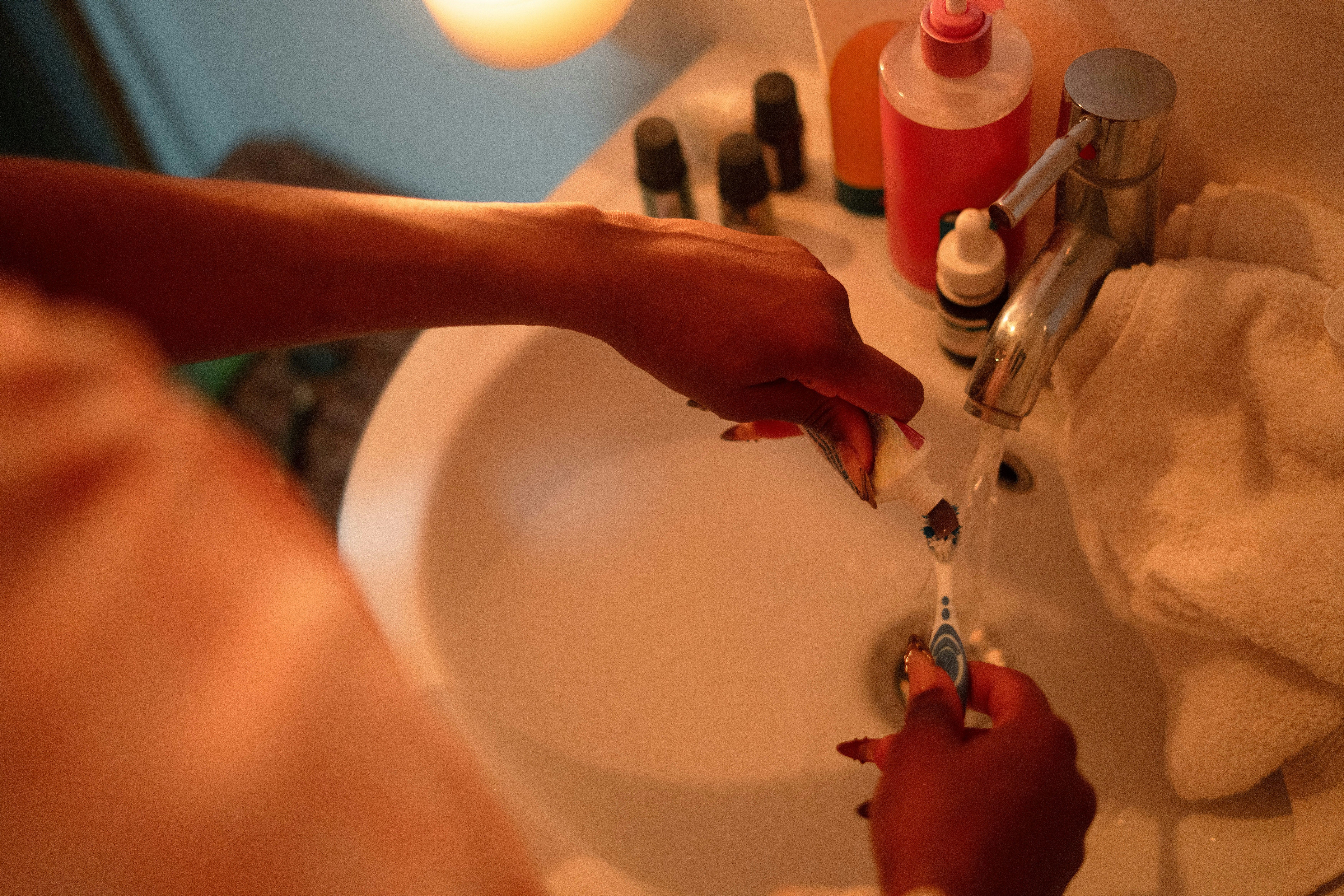
Dentists are urging more education about oral health in Pacific communities and churches. Photo/Unsplash
Misa is calling for stronger investment in prevention, education, and culturally responsive care.
She says Pacific representation in the oral health workforce remains low at around two per cent, compared with 8.9 per cent of the population.
The Green Party has previously campaigned for free dental care. Hūhana Lyndon, the Greens’ health spokesperson, says keeping dental care unaffordable forces people to delay treatment until emergencies arise.
“When we hear stories of people going into debt, or worse, undertaking dental care on themselves because they can't afford care, there is no justification for continuing to keep dental care out of the public healthcare system,” she says in a statement.
Health leaders say earlier access to care, stronger prevention, and a better Pacific workforce could help reduce long-standing oral health inequities in Aotearoa.
Listen to Matt Manukuo's full interview below: