
Tofiga Fepulea’i brings the laughs while taking top honours at Arts Pasifika Awards
Aui'a Vaimaila Leatinu'uFri, 23 Oct
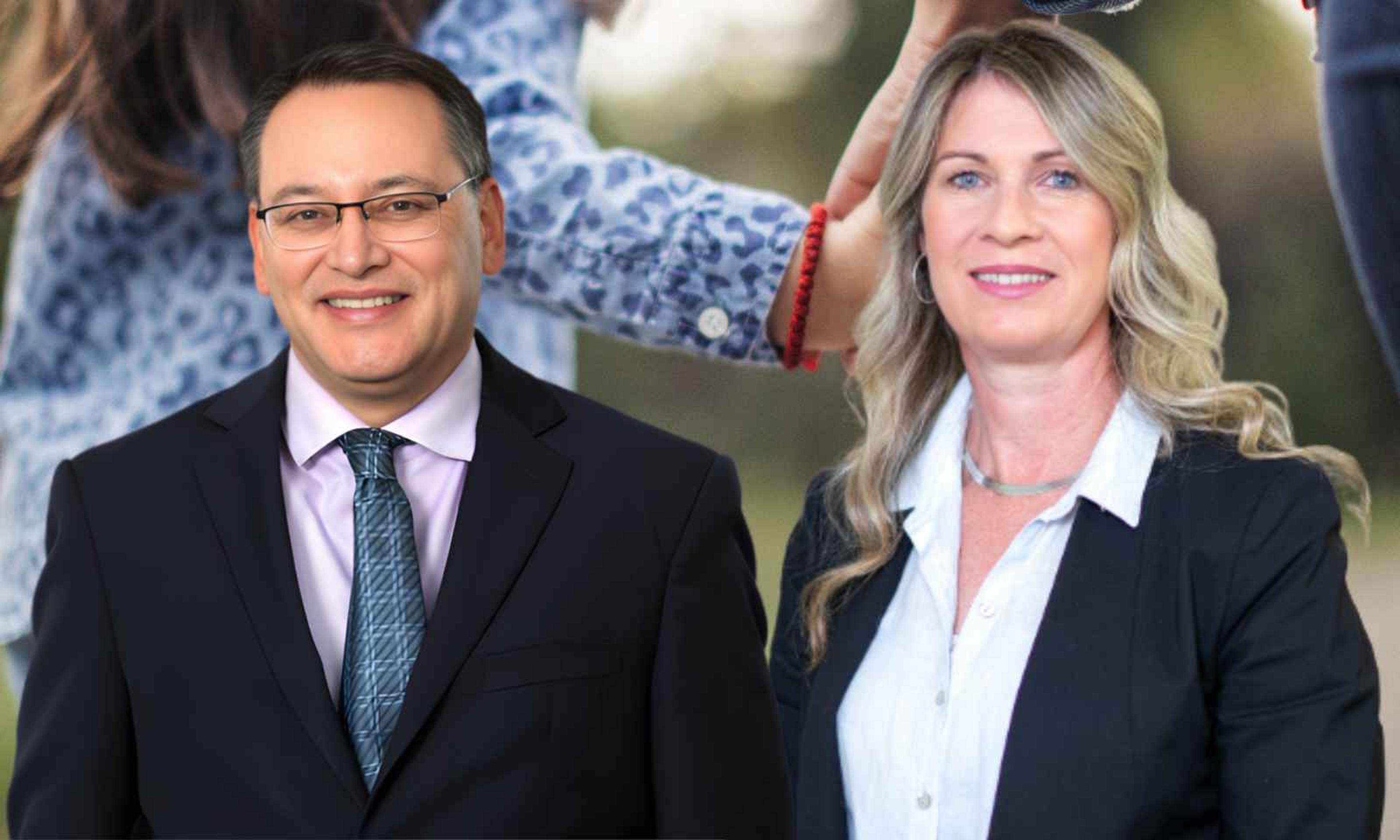
Dr Shane Reti (left) and Jacqui Southey (right).
Photo/Supplied
Jacqui Southey says low benefit rates and rising costs are pushing more families into hardship.



When parents lose work, children feel it first.
With new child poverty figures due out this week, Jacqui Southey, Save the Children’s advocacy director, says Pacific families are being squeezed from all sides by job losses, low-benefit payments, and the rising cost of simply getting by.
“Children in homes that are reliant on welfare incomes are most likely to be living in poverty and that is because the welfare rates are simply too low and cannot cope with the burden of the cost of living,” Southey told William Terite on Pacific Mornings.
Pacific unemployment in New Zealand has more than doubled over the past two years. Pacific communities continue to face the highest unemployment rate of any ethnic group. This is even as the country added 15,000 jobs in the final three months of 2025.
Southey says for many families, the numbers reflect a daily struggle. “Housing costs continue to rise, there's been some rental relief costs but it's not substantive enough to be felt in real terms when you're trying to pay for your rental, you're trying to pay for food, power, energy needs, transport, all of these things are increasing.”
She says the link between unemployment and child poverty is clear and direct. When income drops, children miss out on warm homes, healthy food, and chances to thrive at school.
Listen to Jacqui Southey's full interview below.
Food banks are already under strain. “Frontline providers are saying that people are feeling that they're really in a lot of hardship.”
Pacific Peoples MinisterDr Shane Reti says the unemployment figures are concerning but reflect wider economic pressures.
He says the Government is working to support businesses and boost jobs.
Listen to Dr Shane Reti's full interview below.
“There's a number of things that we're doing for businesses to encourage them to employ people, which, of course, would benefit Pacific people,” Reti told Terite. “More specifically, through the Ministry for Pacific Peoples, we have programmes like a Pacific Business Trust, which specifically support Pacific businesses.”
Reti says there are initiatives through the ministry that include support for Pacific-owned businesses through the Pacific Business Trust.
He also says there are “green shoots” in the economy and that child poverty reduction remains a priority across the Government.
But Southey says hope alone will not pay the bills. Without stronger welfare support and targeted investment in families, she warns hardships will continue especially for Pacific children who are already over-represented in low-income households.
For Pacific families, she says the issue goes beyond statistics. Children are at the heart of families and communities and when they struggle, everyone feels it.
“If we're not investing now to give children good lives, we're paying for it later in poor health outcomes, poor justice outcomes, and poor social outcomes.”
Save the Children NZ is a leading independent child rights organization operating in Aotearoa New Zealand and internationally to improve children's lives. Photo/Supplied
Southey says lifting benefit rates to realistic levels, improving access to stable housing, and ensuring parents can find secure work are all part of the solution. “So the best investment we can make is our children.”
As the latest child poverty figures are released, Pacific families will be watching closely. For many, the reality is already clear and the cost of inaction is being carried by the youngest among them.