El Niño tightens grip on Pacific as authorities warn of drought and extreme weather
Lachlan EddieFri, 23 Oct
Ana Ika, Social Policy Analyst at Salvation Army.
Photo/Salvation Army
The Salvation Army’s latest social report reveals worsening child poverty, food insecurity, and unemployment among Pasifika, with social and economic pressure intensifying across Aotearoa.



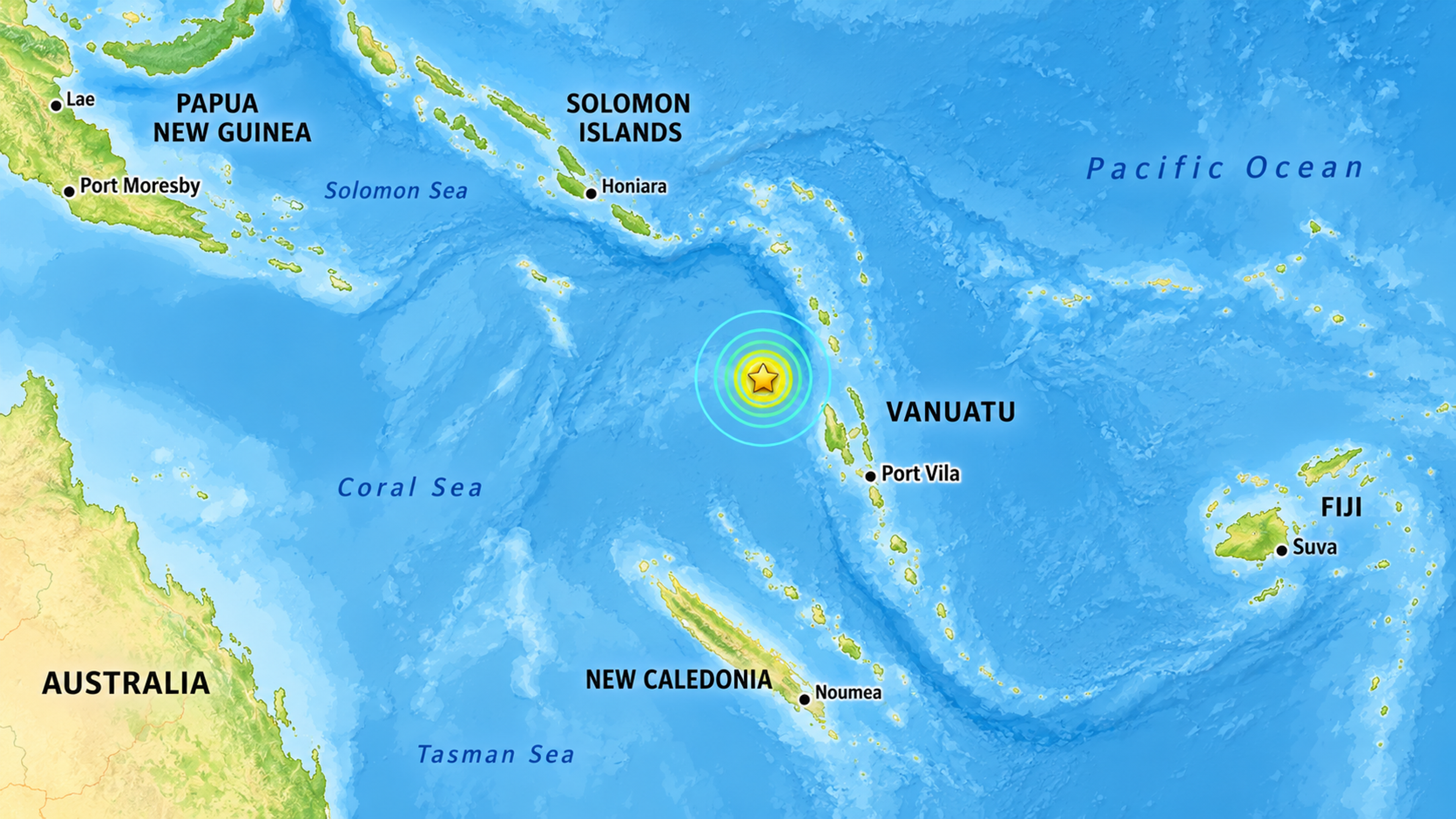
As New Zealand faces a grim economic downturn, Pacific communities are struggling the hardest, according to the Salvation Army’s State of the Nation 2026 report.
The 19th annual report, titled Foundations of Wellbeing, tracks 121 social indicators over the past 12 months and shows that “grim” outcomes are disproportionately affecting Pacific families.
Pacific women remain the lowest-paid workers in the country.
In the year to June 2025, Pacific women earned a median hourly wage of NZ$30, NZ$8 less than European men, whose median earnings are 27 per cent higher.
According to Stats NZ, Pacific unemployment rose to 12.3 per cent for the quarter ending December 2025, more than double the national average of 5.4 per cent, which reached a 10-year high during the same period.

In New Zealand, Pacific unemployment sits at 12.3 per cent. Photo/Unsplash
Speaking with William Terite on Pacific Mornings, Ana Ika, a Social Policy Analyst at Salvation Army, says the loss of over 10,000 construction jobs last year hit Pacific men particularly hard.
“Those jobs are hired by our Pacific men,” Ika says. “So that has a huge impact on our community and the income levels.
“Then it has the flow-on effect into housing, food [and so forth], which has a flow-on effect into housing and food security.”
Child poverty is worsening. The number of children living in material hardship has risen to 156,600 in 2026, an 8.6 per cent increase from 144,100 in 2025.
Watch Ana Ika’s full interview below.
Food insecurity is also on the rise: the Salvation Army distributed 90,250 food parcels in 2026, up seven per cent from 84,500 in 2025.
While overall crime has declined, high-harm areas like family violence and violence against children are increasing.
Ika says police now attend a familyharm incident every three minutes across the country.

The number of food parcels distributed by the Salvation Army has risen by seven per cent over the past 12 months, reflecting more New Zealanders facing tougher times. Photo/Salvation Army
In the year to June 2025, police recorded 170,478 family harm investigations.
While this was a 2.5 per cent decline from the previous year, the number of incidents classified as actual offences rose 11.2 per cent to 80,325.
In a press release, the Labour Party NZ criticised the government, claiming its decisions are making life worse for families.

Police recorded 170,478 family harm investigations in the year to June 2025. Photo/Supplied
Labour social development spokesperson Willie Jackson highlighted the impact on Māori and Pacific whānau, particularly younger people.
“The Government’s plan to kick 18 to 19-year-olds off the jobseeker benefit will only make it worse for the one in four Māori and Pacific youth that are already unemployed and unable to find work despite trying,” Jackson says.
“This is simply not good enough. The reality is the Government has no credible plan, and their policies are making it harder for working people to survive, let alone get ahead.”

Labour MP Willie Jackson. Photo/Parliament TV
Meanwhile, Angee Nicholas, a National Party member who ran for Te Atatū, told Terite that the report highlights both positive trends and areas for concern.
“There are some positives from that report, but there are also some stark worries. Those worries are being worked on.”
Listen to Angee Nicholas’s full interview below.
Nicholas says that both Pacific communities and the wider population are struggling with material hardship on a daily basis.
She says the solution lies in revitalising the economy to drive job creation for all ages and boost productivity.
“So that we can get people into jobs, young people into jobs, [and] increase productivity, so that people can make a living for themselves.”
She says advocacy on Pacific-specific issues, such as the long-running campaign for visa-free travel for Pacific nationals, could also help communities facing ongoing economic pressures.