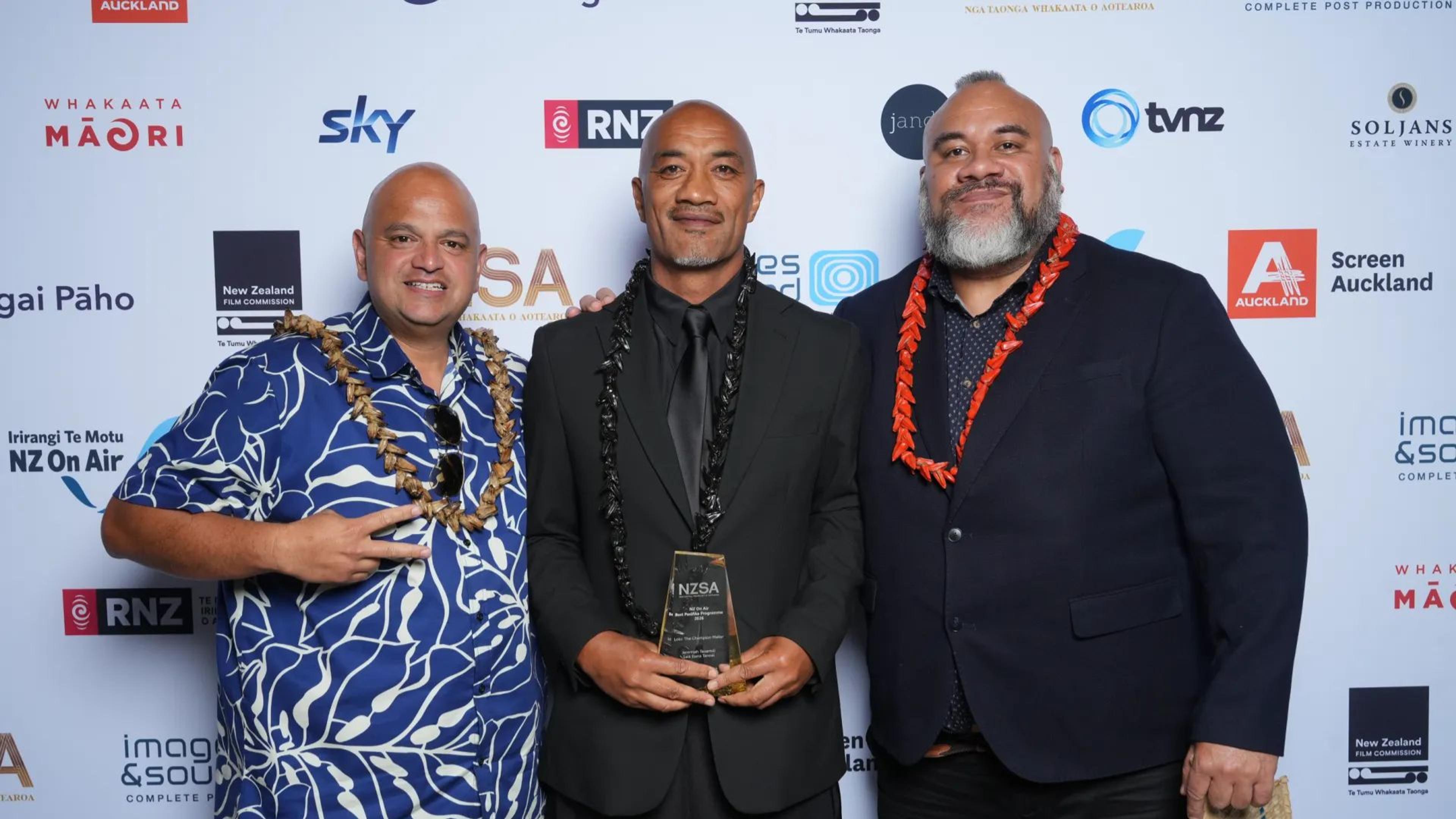
Legendary trainer Lolo Heimuli finally gets his flowers in NZSA win
Aui'a Vaimaila Leatinu'uThu, 26 Nov
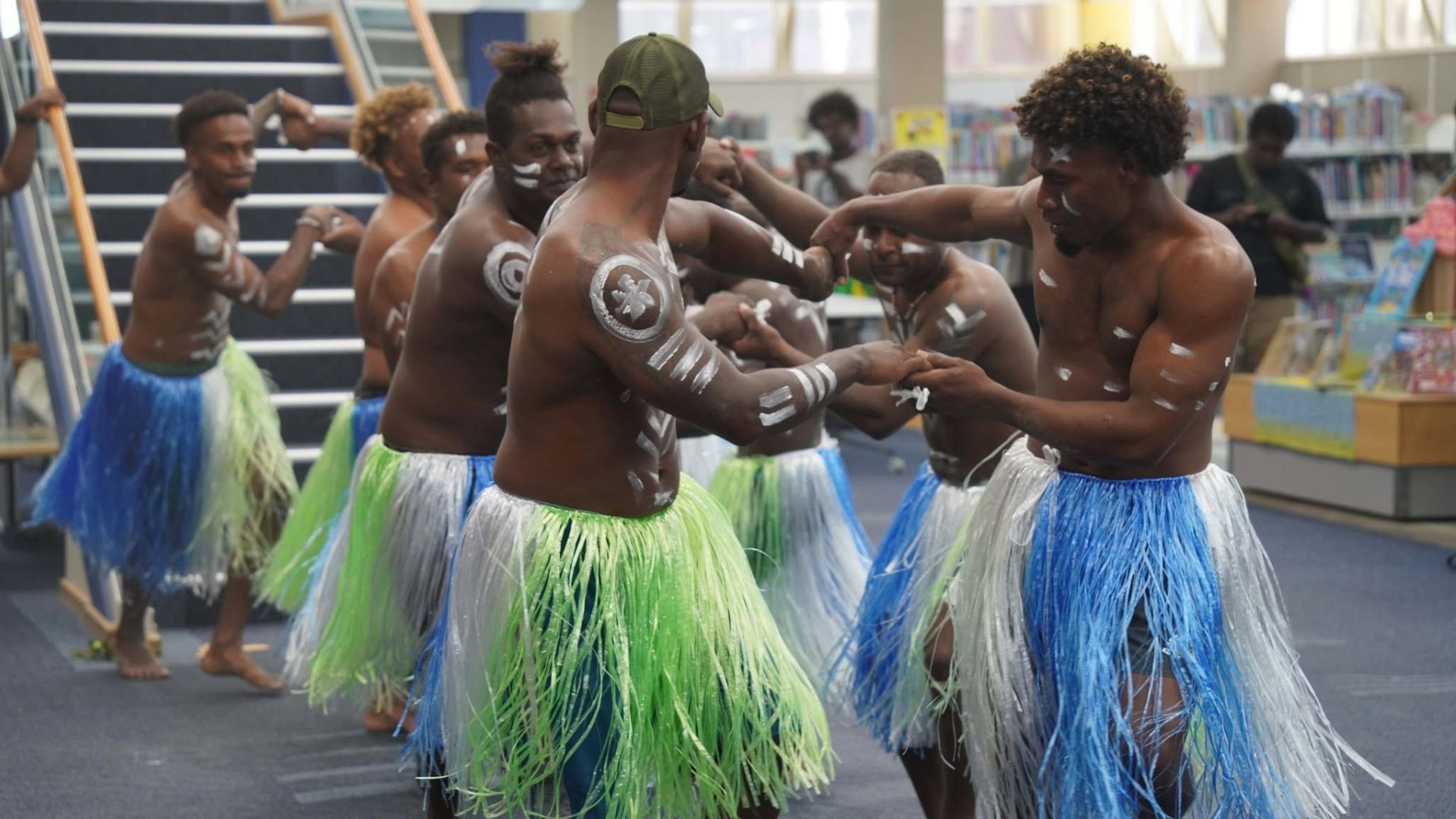
Young Wantoks celebrate their culture, language and traditions during Solomon Islands Pijin Language Week.
Photo/Facebook/Love your Library NZ
An academic says Pijin is a living language that carries Solomon Islands history, culture and identity and should be formally recognised by the Honiara government.

Solomon Islands Pijin is more than a way of speaking, according to a Melanesian academic who wants the language formally recognised as one of the country's official languages.
English is Solomon Islands’ official language, used in government, education, courts and formal communication, while Solomon Islands Pijin is the country’s most widely spoken everyday language, helping people from different islands and language groups communicate.
Dr Kerryn Sogha Galokale, of Waipapa Taumata Rau University of Auckland, says Pijin carries the history and identity of Solomon Islanders and plays a central role in daily life, from homes and churches to schools, hospitals and Parliament.
Her comments come during Solomon Aelan Pijin Langguis Wik - Solomon Islands Pidgin Language Week, being marked by diaspora communities across Aotearoa New Zealand under the theme Protekim Langguis an Kalsa blong yumi - Protect our language and culture.
Galokale says Pijin is sometimes wrongly described as broken or poor English. She says it is a language with its own history and a connection to the experiences of Solomon Islanders.
She traces its development to the late 1800s when Solomon Islanders who had worked on plantations in Australia returned home and brought with them the Melanesian Pidgin that had developed in the plantation system.
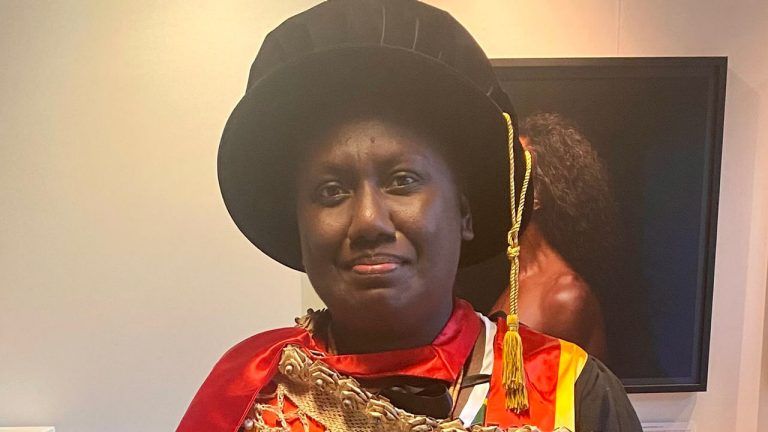
Dr Kerryn Sogha Galokale, a Solomon Islands academic at Waipapa Taumata Rau University of Auckland, is calling for greater recognition of Solomon Islands Pijin as a language of identity, culture and connection. Photo/auckland.ac.nz
But she says that history also carries painful memories of kidnapping, forced labour, family separation, harsh working conditions and low wages.
She says those who lived through those experiences should also be remembered during Language Week.
Despite the language's difficult history, Galokale says Pijin has become central to Solomon Islands life.
Through Pijin, she says, parents pass on cultural values and knowledge, teachers communicate with students, doctors speak with patients, sermons are delivered and national issues are debated in Parliament.
She says it is also an important language for Solomon Islanders living overseas.
The Solomon Islands diaspora in New Zealand has grown through education, work, sport, marriage and other pathways, and Galokale says Pijin provides an important connection with home.
The Ministry for Pacific Peoples says there are closing events in Dunedin, Christchurch and Auckland on Saturday, featuring family activities, cultural performances, storytelling, speeches and community gatherings.
From scraping coconut to making bamboo panpipes, young Solomon Islanders in Tauranga are getting a hands-on connection to their culture during Solomon Islands Pijin Language Week.
At the heart of the activities is Janet Jenkins and the Bay of Plenty Solomon Islands Wantok Group, which brings together families, young people and seasonal workers to connect through language, culture and shared traditions.
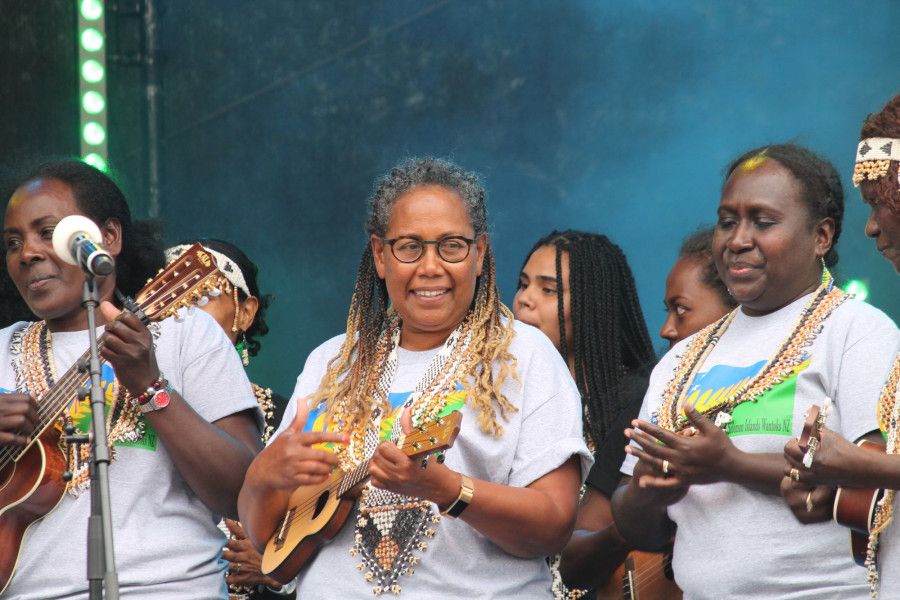
Janet Jenkins, middle, and the Bay of Plenty Solomon Islands Wantok Group help young Solomon Islanders in Tauranga connect with their language, culture and traditions. Photo/MPP
Jenkins speaks Kwara’ae and Solomon Islands Pijin and says passing those languages on to younger generations is an important part of knowing who they are and where they come from.
She says seeing younger generations embrace their culture in Aotearoa is something to be proud of.
“I think it’s part of our identity. I feel it’s really important to preserve our languages, to make connections with each other.
"When I first came to New Zealand, we didn't have the same appreciation or opportunities to celebrate our culture. But now, I'm seeing the young ones really embracing it," Jenkins says.
Galokale also welcomes the New Zealand Government's recognition of Solomon Islands Pijin as one of the Pacific languages spoken in Aotearoa.
She says Pijin also carries a wider Melanesian identity. Solomon Islands has about 70 to 90 indigenous languages while Papua New Guinea has more than 800 and Vanuatu about 120, she adds.
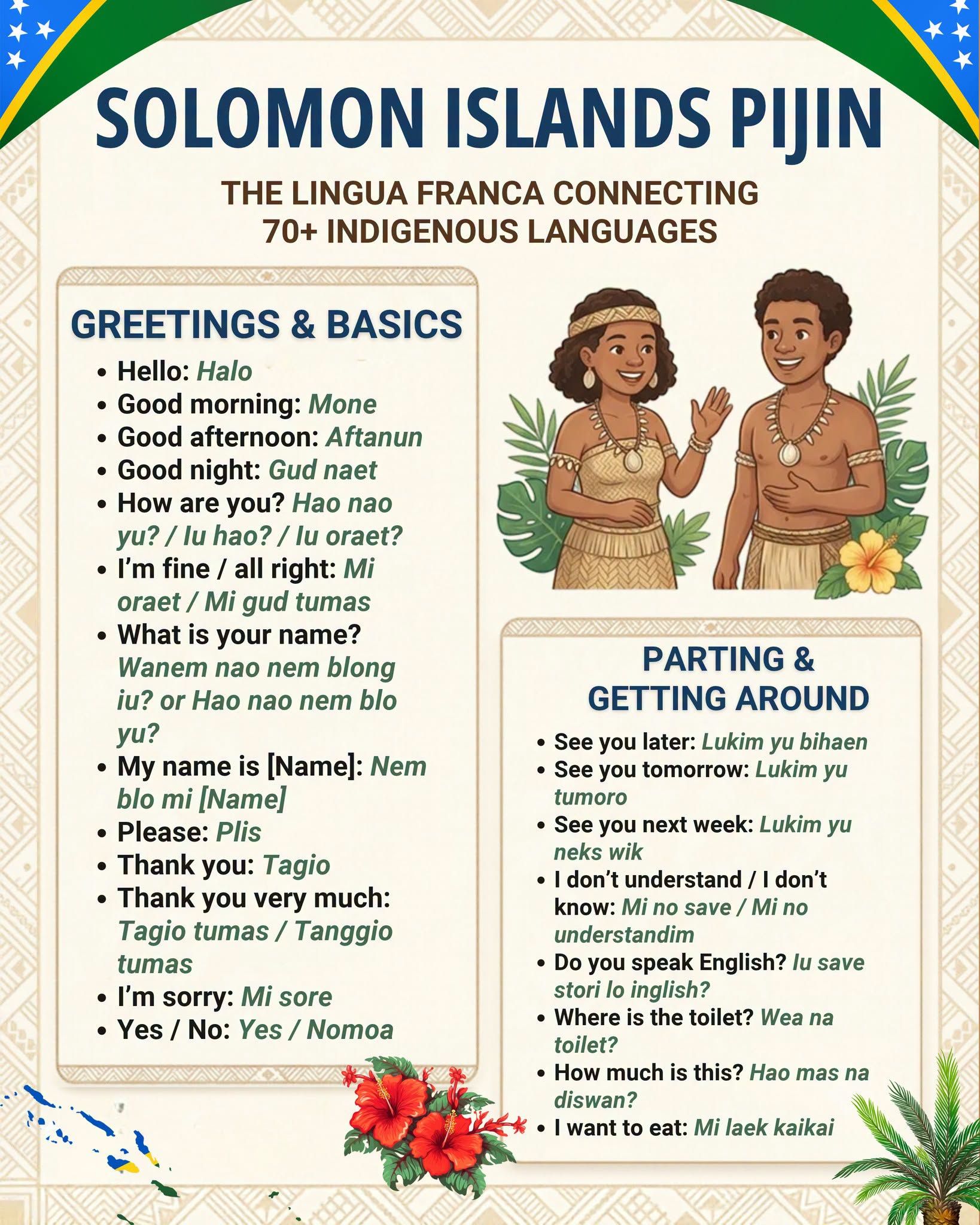
Photo/Facebook/100%Pacific
Pijin allows people to communicate across those different languages and cultures, alongside other Melanesian varieties such as Tok Pisin and Bislama.
Galokale links this to the idea of Wantok, which literally refers to “one language” or “one talk” and has grown to describe relationships and connections between people.
Galokale says Pijin is also important in research, particularly through tok stori - a way of sharing stories, experiences and knowledge through relationships and conversation.
In her own research across Western, Guadalcanal and Malaita provinces, Pijin has often provided a common language between researchers and communities.
Where community elders prefer to speak their own indigenous languages, interpreters have helped translate into Pijin so conversations can continue.
Galokale says this shows how Pijin can connect people across Solomon Islands' linguistic and cultural diversity.
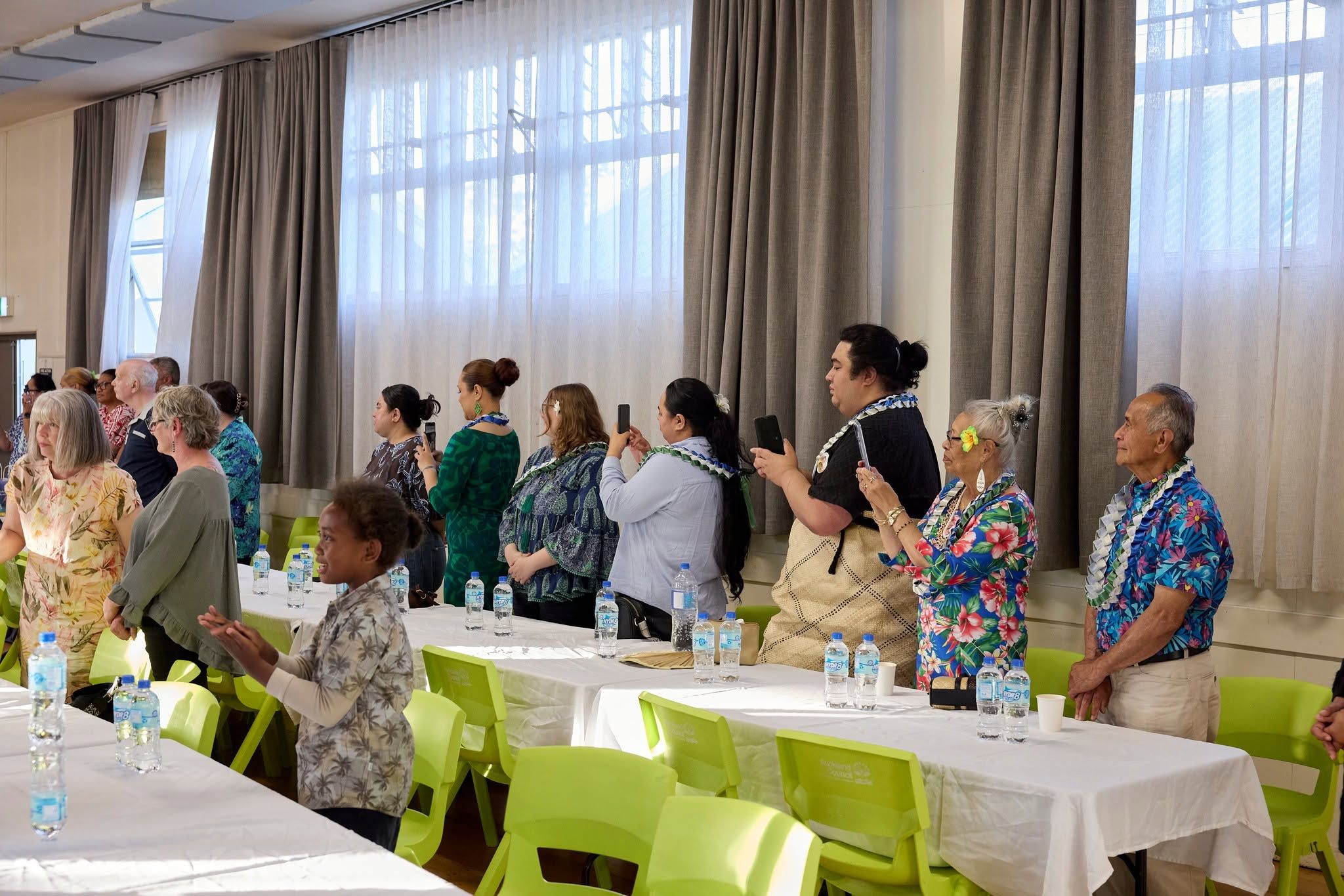
Pacific guests join Solomon Islands communities in celebrating Pijin Language Week and the language, culture and traditions it carries. Photo/Facebook/Pacifica Arts Centre
She believes the language should be valued and not treated as a lesser form of English.
“Solomon Islands Pijin is a living, thriving, relational, beautiful, flourishing, bridging, and creative language in its own right.”
She says the language has a history and should be recognised as part of the country's identity.
“Perhaps it is time that our Solomon Islands government, too, must recognise Solomon Islands Pijin as one of its official languages.”
For Solomon Islanders who speak Pijin as their first language, Galokale's message is simple: there is no reason to be ashamed of it.
Watch students in Auckland celebrate Solomon Islands Language Week.
“Speak Solomon Islands Pijin, embrace Solomon Islands Pijin and be proud of and love Solomon Islands Pijin and our indigenous languages–our language, our identity and our way.”
As Solomon Islands Pijin Language Week is celebrated in communities across Aotearoa, Galokale says protecting the language is also about protecting the connections, knowledge and identity carried through it.
Solomon Aelan Pijin Langguis Wik - Solomon Islands Pidgin Language Week - ends on Saturday 28 November.