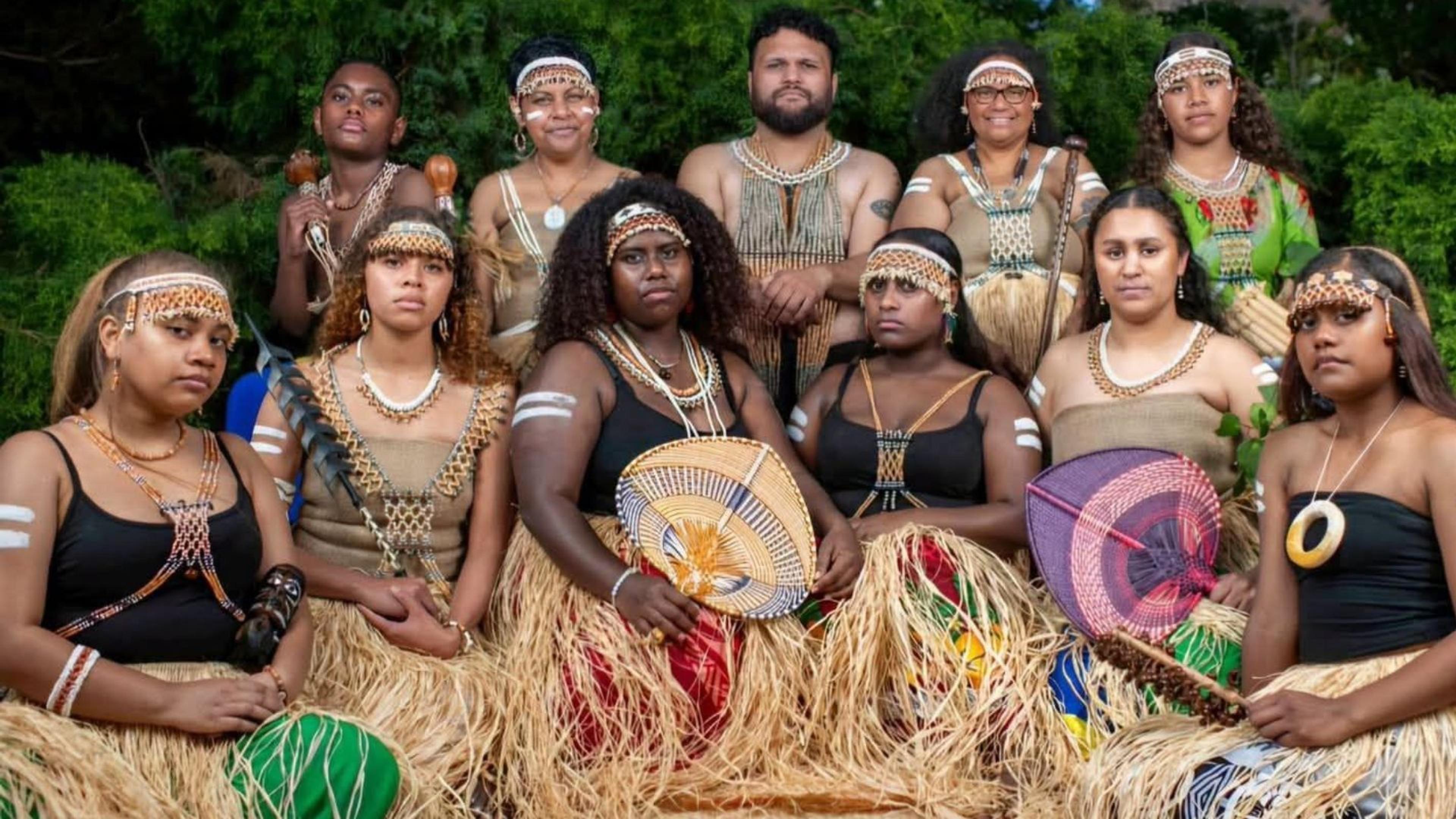
Solomon Islands Pidgin Language Week 2026 runs from 22 to 28 November in Aotearoa, celebrating the language and culture of Solomon Islands communities.
Photo/Ministry for Pacific Peoples
Language & Culture
2026 Solomon Islands Language Week puts Pacific nation's culture and ownership in focus
As Solomon Aelan Pijin Langguis Wik begins in Aotearoa, questions about who shapes the country's education, culture and identity are again being highlighted..

PMN News
Published
23 November 2026, 3:00am
Share
Copy Link
Top stories
Pollywood brings seven Pacific films closer to Auckland audiences
Taelegalolo'u Mary AfemataFri, 20 Nov
Fiji's constitutional reform hangs on 36 votes as opposition continues to grow
Christine RovoiFri, 20 Nov
Māngere flood project finished on time and on budget, councillor says
Taelegalolo'u Mary AfemataFri, 20 Nov
Top stories
Pollywood brings seven Pacific films closer to Auckland audiences
Taelegalolo'u Mary AfemataFri, 20 Nov
Fiji's constitutional reform hangs on 36 votes as opposition continues to grow
Christine RovoiFri, 20 Nov
Māngere flood project finished on time and on budget, councillor says
Taelegalolo'u Mary AfemataFri, 20 Nov
Protecting a language is about more than keeping words alive. For Solomon Islands, it is also tied to who gets to shape the country's future.
That question was raised earlier this year by Dr Transform Aqorau, Solomon Islands National University Vice Chancellor, who warned against relying too heavily on foreign consultants to shape the country's education system and curriculum.
“The concern today is not merely about one project, one consultant or one contract. It is about a pattern. It is about the growing tendency to treat our own institutions and experts as secondary in matters of national development."
Aqorau's concern was that outside expertise could come at the expense of local knowledge and institutions. “That is not partnership. That is dependency dressed up as development.”
His comments came during a debate over a national curriculum review covering culture, science and language.
The issue takes on added meaning this week as Solomon Aelan Pijin Langguis Wik - Solomon Islands Pidgin Language Week - begins in Aotearoa New Zealand for the third time since the NZ Pacific languages weeks started in 2010.
Watch celebrations in Hastings below.
The Solomon Islands weeklong celebration is also the final language week for 2026. It runs from 22 to 28 November under the theme Protektim langguis an kalsa blong yumi - Protect our language and culture.
The week is being marked by communities across New Zealand, with events planned in Auckland, Christchurch, Tauranga and Dunedin.
Solomon Islands is about 3390 kilometres from Aotearoa. The Solomon Islands is home to about 813,000 people while 924 people identified as Solomon Islander in New Zealand’s 2023 Census.
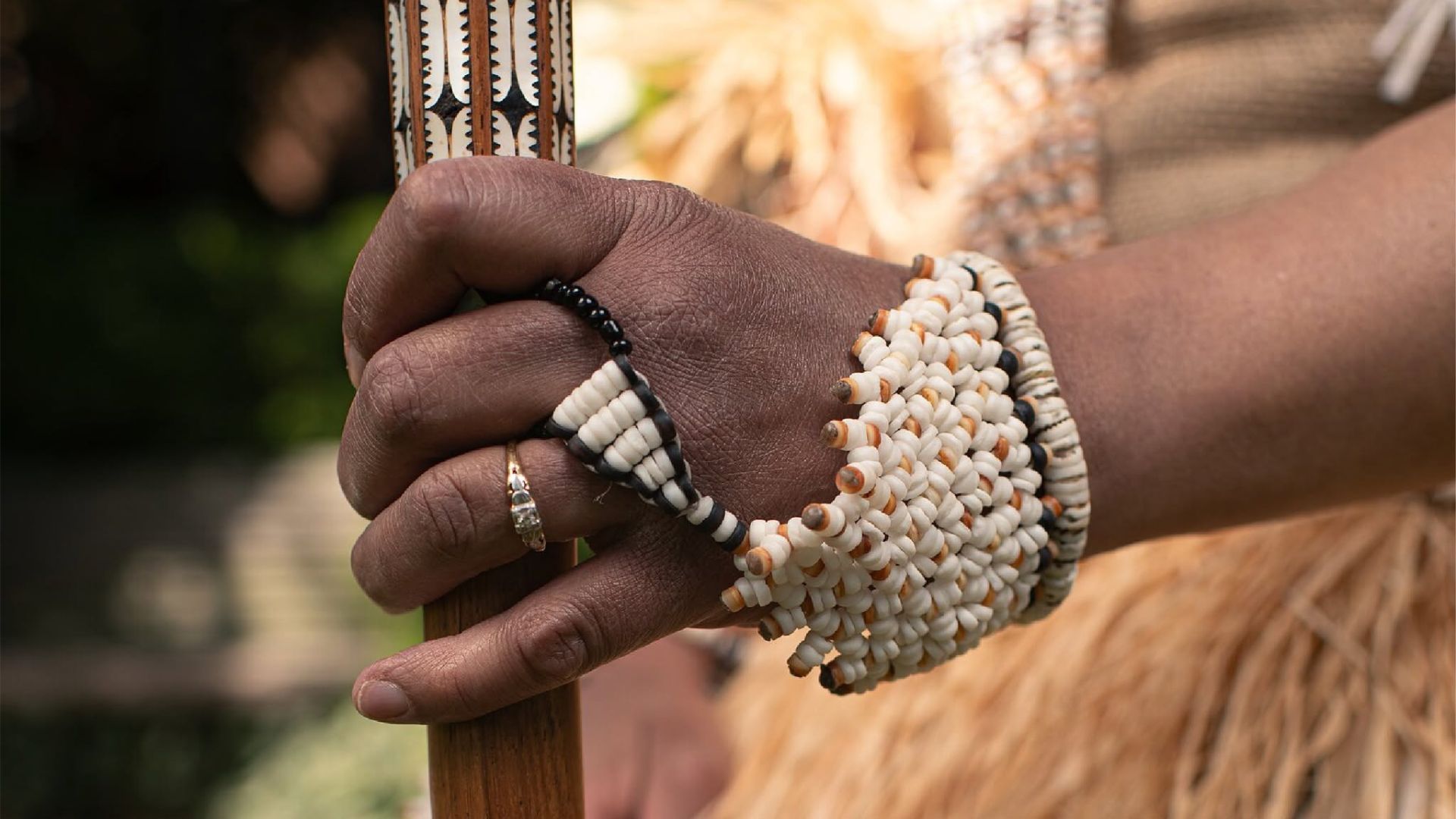
Solomon Islands Pidgin Language Week celebrates the language that connects communities, generations and culture across Solomon Islands and Aotearoa. Photo/Facebook/Ministry for Pacific Peoples
Census data shows 5.7 per cent of people of Solomon Islander ethnicity in New Zealand can speak a Solomon Islands language, about 50 people.
For Solomon Islanders living away from home, the week is also a chance to keep a connection with language and culture alive across generations.
Pidgin is spoken widely across Solomon Islands and has become an important way for people from the country's many language communities to communicate.
Professor Gordon Leua Nanau at the University of Auckland Associate says language carries more than words.
“Our language holds the memories of our people. It connects younger generations to their families, villages and histories while helping us navigate the future as a modern Pacific nation.”
He says speaking the language can also strengthen confidence and identity among young people growing up away from Solomon Islands.
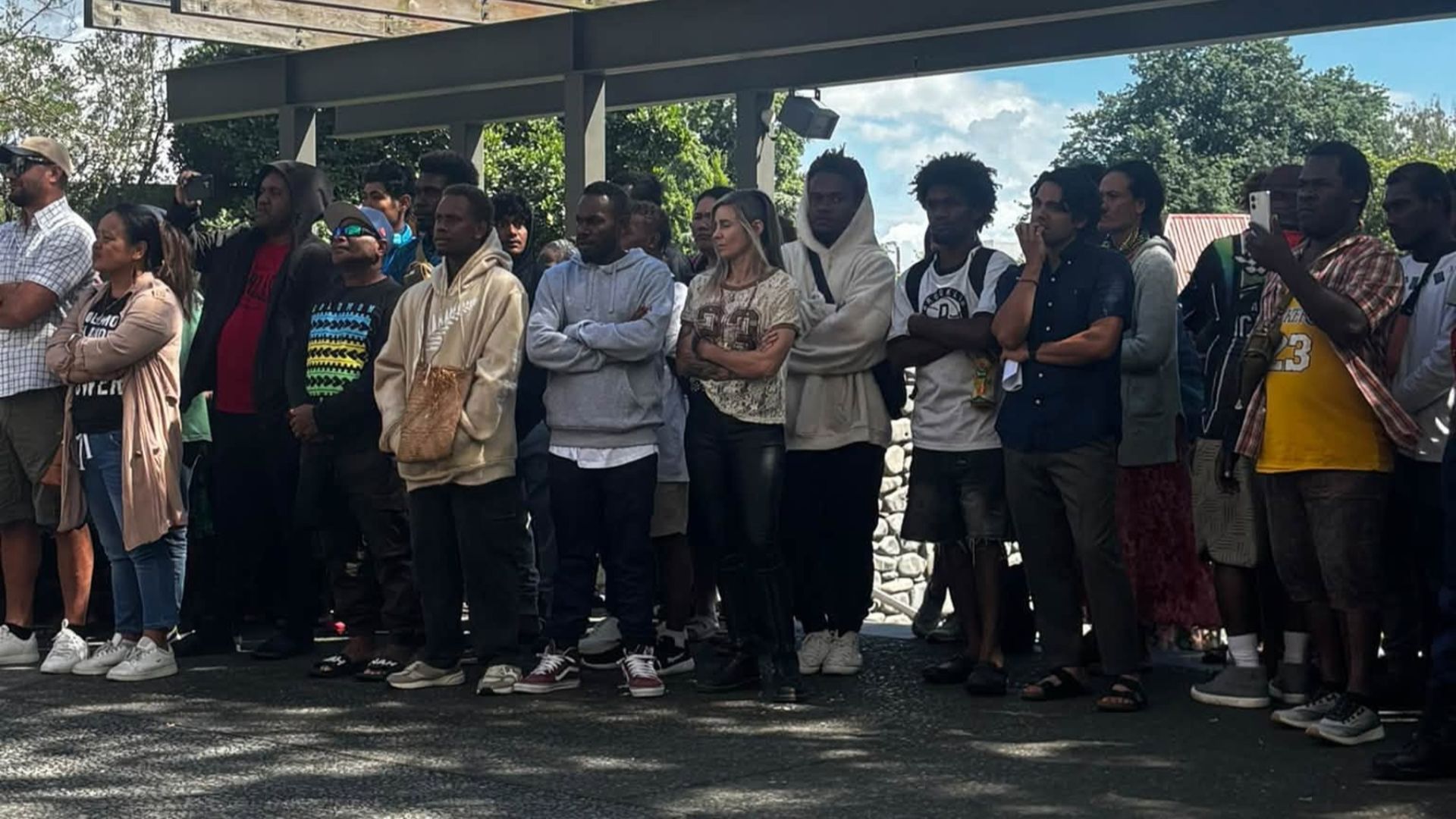
People gather in Hastings to celebrate the opening of Solomon Islands Pidgin Language Week 2026, honouring the language and culture of Solomon Islands communities in Aotearoa. Photo/Facebook/Elisha Milmine, Hastings District Councillor
“When young people hear and speak Solomon Islands Pidgin, they are building connections to family, culture and identity. Language gives people confidence in who they are and where they come from.”
The question of who protects and promotes Melanesian culture also extends beyond language.
Plans for Fiji to host the eighth Melanesian Arts and Cultural Festival have been pushed back to 2027, after the event was deferred because of clashes with major programmes, financial pressures and wider economic conditions.
The festival is expected to bring together performers, officials and support staff from the Melanesian Spearhead Group countries, including Solomon Islands.
Fiji has also been consulting Melanesian communities descended from Solomon Islands and Vanuatu labourers taken to Fiji during the blackbirding era, with their cultural heritage expected to be part of the 2027 programme.
For Aqorau, the bigger issue is whether Pacific countries can build their own institutions and expertise rather than having their priorities shaped from outside.
“They must strengthen local institutions, not bypass them. They must listen before prescribing. They must learn before teaching.”
Language is part of that same picture.
Nanau says Pacific languages carry knowledge and ways of understanding the world that can easily be lost when languages decline.
“Every Pacific language contains unique knowledge, histories and ways of understanding the world. When we celebrate our languages, we celebrate the wisdom and resilience of our people.”
This year's Solomon Islands Pidgin Language Week runs until 28 November, with community events and language resources available across Aotearoa.