Seymour targets office karakia as Aupito warns of a ‘culture war’
Thomas Tarurongo WynneFri, 23 Oct
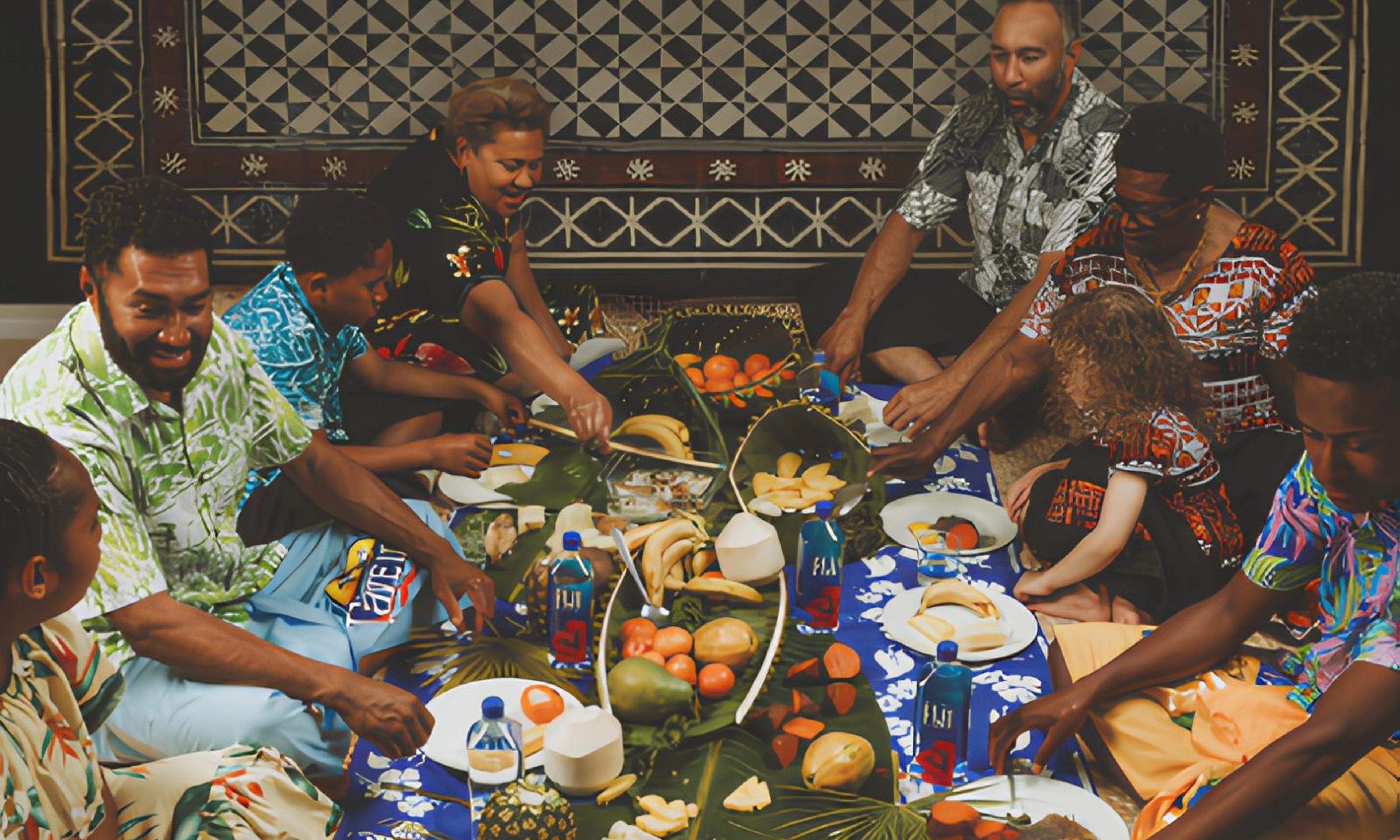
As Fijian Language Week kicks off across Aotearoa, families are focusing on cultural preservation at home rather than on stage.
Photo/MPP
As Fijian Language Week begins across New Zealand, parents and youth are turning everyday family life into a place to speak, learn and pass on Vosa Vakaviti.

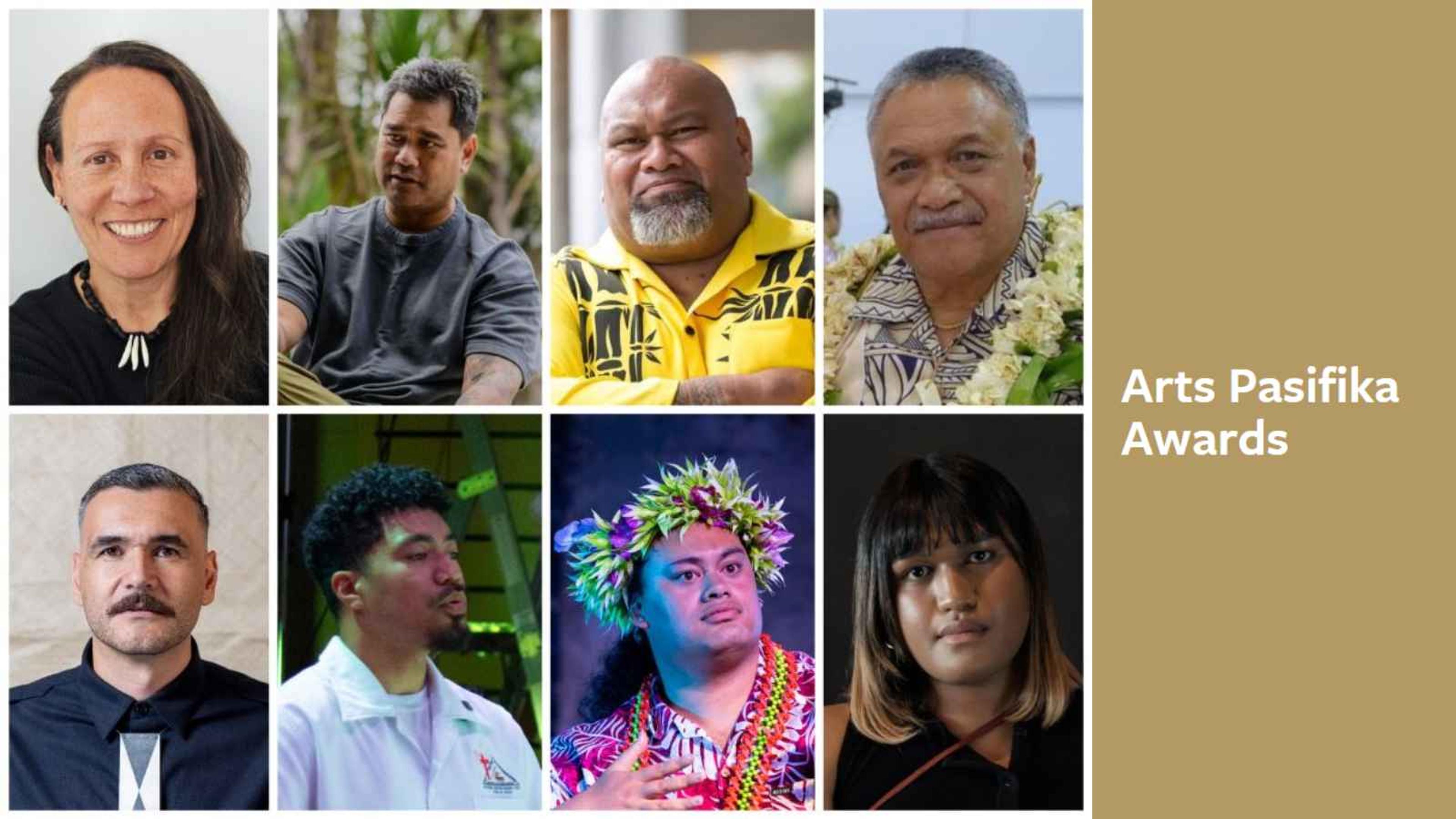
For Nemani Komainatuvu, keeping the Fijian language alive starts with something as simple as sitting around the dinner table.
He encourages his daughters to use Fijian at home, whether they are eating, getting ready for school or doing chores.
“I make it a point for my daughters to use Fijian when they are at home, for our daily household routines whether we’re sitting down around the dinner table, getting ready for school, or doing chores together,” Komainatuvu says.
“They regularly read bilingual books, listen to traditional songs, and tell family stories about life back in the islands so the kids don't just learn the words, but really feel connected to our heritage.”
His approach reflects this year's Fijian Language Week theme: “Na noqu vosa me tekivu mai vale ka me’u na vosataka e na veisiga” - “My language starts at home and I need to speak it every day”.
But keeping that daily practice going can be hard when children spend much of their lives in an English-speaking environment.
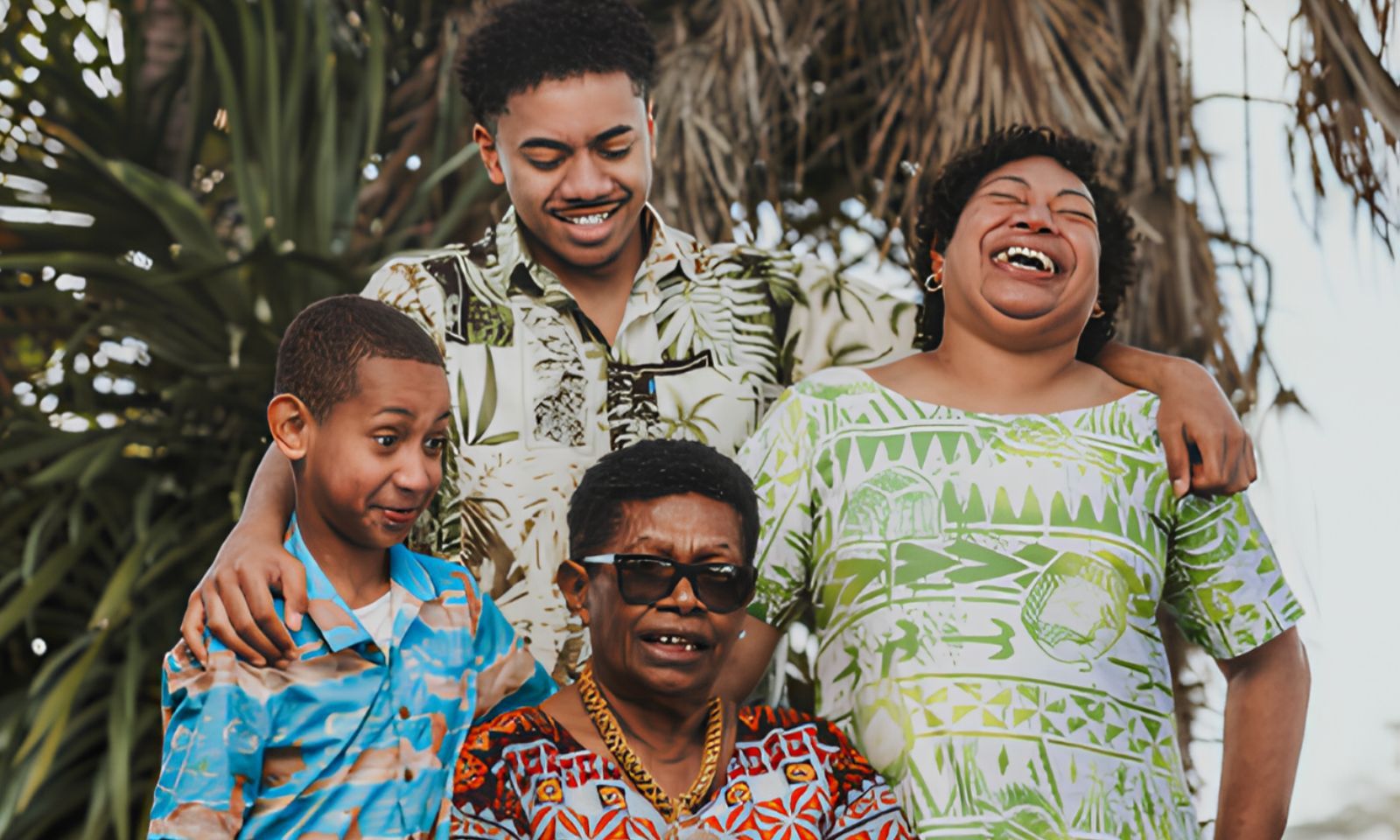
Fijian academic Dr Tarisi Vunidilo says language is more than just speech - it is an archive of identity. Photo/MPP
“The biggest challenge has been competing with the English-dominated environment outside our doors. Between school, TV, YouTube, and playing with friends, English quickly becomes their default setting,” Komainatuvu said.
"When life gets busy or chaotic, it's easy to slip into English just to get things done quickly. But as long as we keep encouraging them and reminding them that their story and voice matter, we'll get there together!"
For young Fijians growing up in Aotearoa, the pressure can also come from trying to balance their culture with the wider world around them.
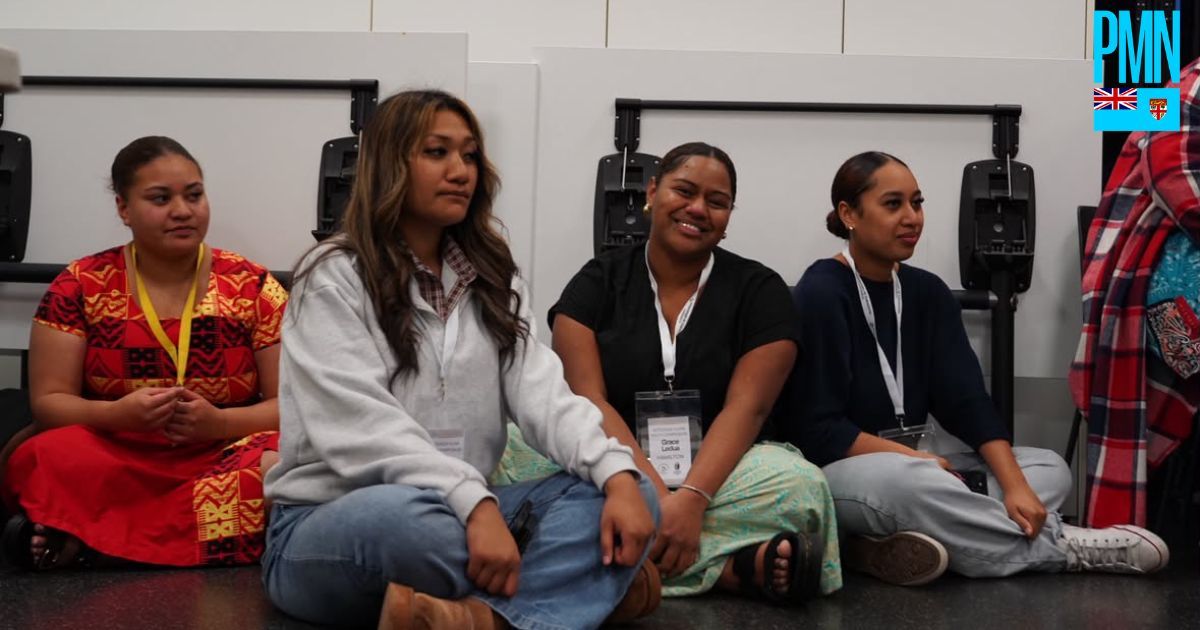
For young Fijians growing up in NZ, navigating an English-dominated world while trying to uphold cultural protocols and maintain fluency presents unique challenges. Photo/PMN Fiji
Merelita Momo says young people are navigating language, culture and protocols while also dealing with peer pressure and the influence of social media.
"One of the challenges that is very distinct is just knowing the language, the culture, and the protocols," Momo told PMN News.
"We live in a country that is so diverse... we spend eight hours at school trying to uphold our upbringing and maintain our mother tongue, while also trying to avoid peer pressure especially in an age where social media is so active."
Fijian community leader and author Neumi Baraki Tokai says the stakes go beyond simply being able to speak the language.
"Language is the conduit that carries all of those cultural values, thousands of years old, to our present day," Baraki told PMN News.
Watch Neumi Baraki's full interview on Pacific Days below.
Reflecting on raising his son in Aotearoa, Baraki says he made speaking Fijian at home a deliberate rule.
“I knew that as soon as he left home, he would be speaking English. So if I didn't make a deliberate effort to keep our language alive at home, it would be lost.”
Fijian academic and author Dr Tarisi Vunidilo says families should also record their stories and knowledge while they can.
"Our language is a key that opens up so many wonderful, rich information and heritage that connects us to the past and also will connect us to the future if we are able to record as much as we can today.”
There are an estimated 7000 to 8500 Vosa Vakaviti speakers in New Zealand, according to data from the Ministry for Pacific Peoples and Stats NZ.
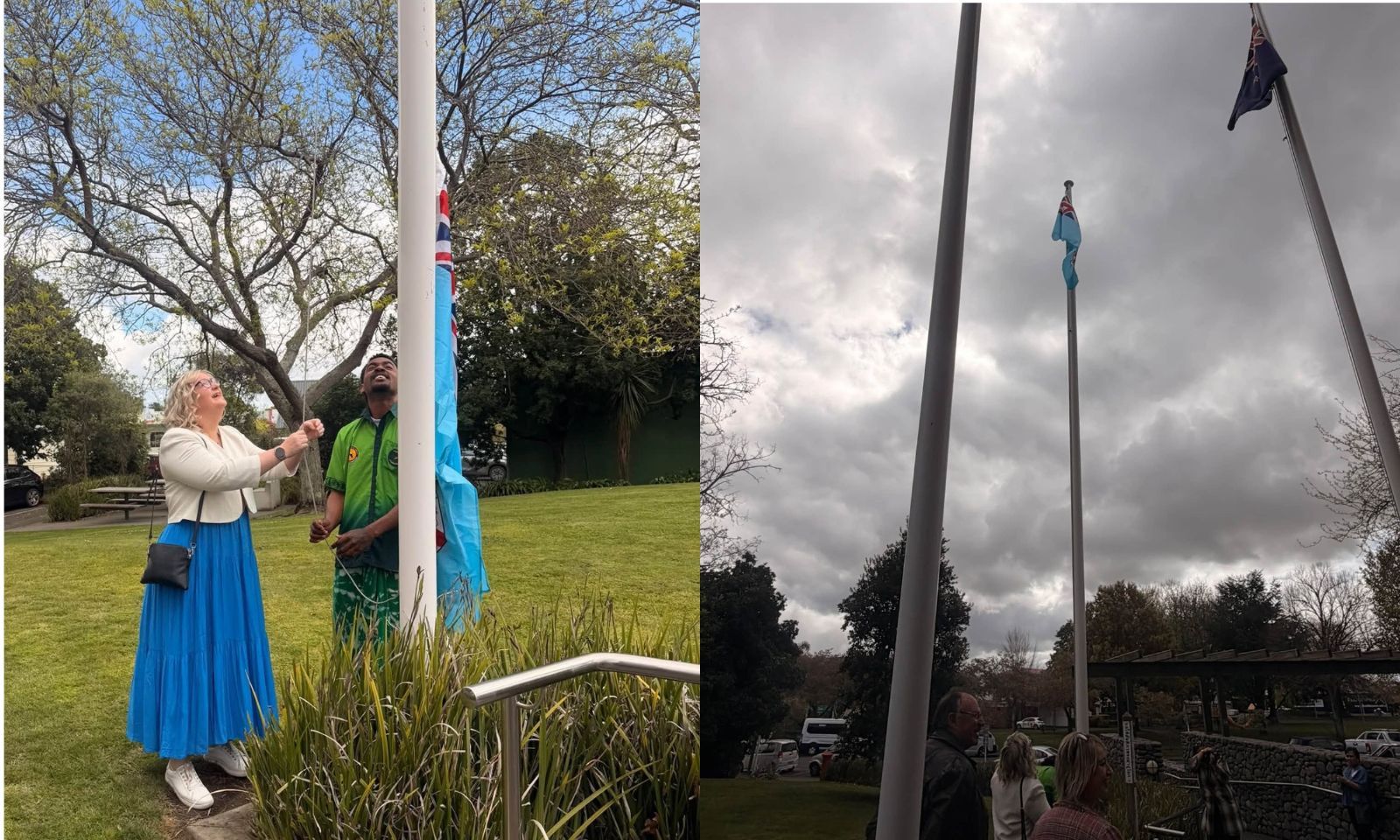
Hastings Mayor Wendy Schollum raising the Fiji flag at the Hastings District Court on Sunday to mark the opening of Fijian Language Week. Photo/Sejevi Production
Across Aotearoa, Language Week events will include youth activities, storytelling, cultural workshops, traditional sports, protocol demonstrations, music, food and community gatherings.
Parent Feretareki Sadrata says children living in New Zealand can risk losing touch with their heritage because “they are exposed to other cultures here” after moving from Fiji.
To help keep that connection strong, parents in Wairoa, in Hawke’s Bay, are holding lessons to refresh children’s knowledge of Fijian language and protocols ahead of the town’s first Fiji Day [10 October] celebration next weekend.
“We are running lessons to help refresh their memory and reconnect them with what they’ve already learned,” Sadrata told PMN News.
“They will then lead the according of traditional protocols during our first ever Fiji Day [10 October] celebration here in Wairoa on Saturday.”

Fiji flags flying high at some important landmarks in Palmerston to mark Fijian Language Week. Photo/Vanavasa Tuimata
Across Aotearoa, communities are also marking Fijian Language Week with events designed to bring generations together and encourage language practice.
From Auckland and Hamilton to Whanganui, Whangārei, the Bay of Plenty, Tairāwhiti, Palmerston North and Queenstown, communities are holding cultural activities, learning sessions and social gatherings.
But for families like Komainatuvu’s, keeping Vosa Vakaviti alive does not stop when Language Week ends.
It continues in the everyday conversations at home, where the next generation can learn not only how to speak Fijian, but also the stories, values and identity carried by the language.
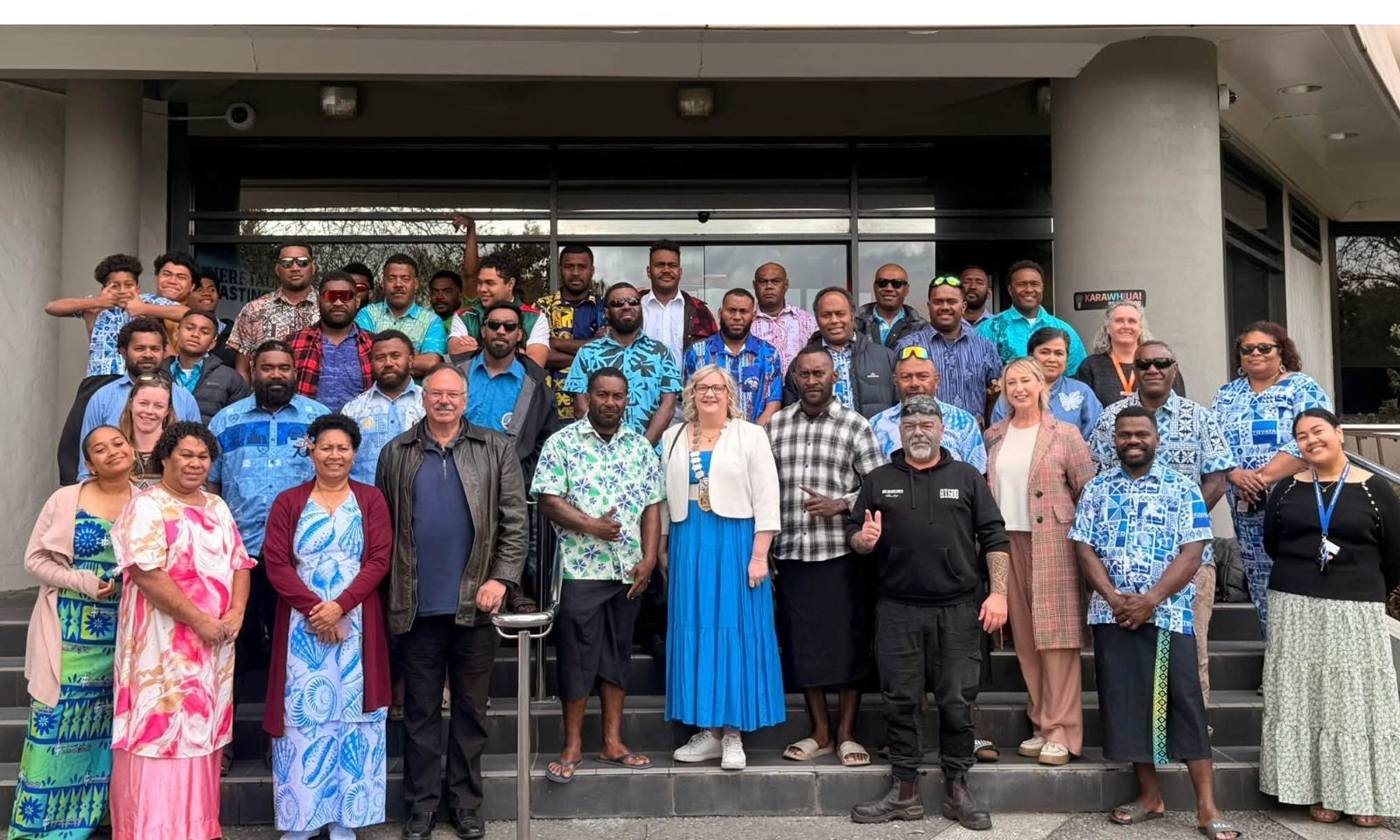
Members of the Fijian Community in Hastings with the Hastings Mayor Wendy Schollum at the opening of Fijian Language Week on Sunday. Photo/Sejevi Production