Visa-free travel and wage freezes spark fresh split in Pacific candidates debate
Christine RovoiWed, 21 Oct
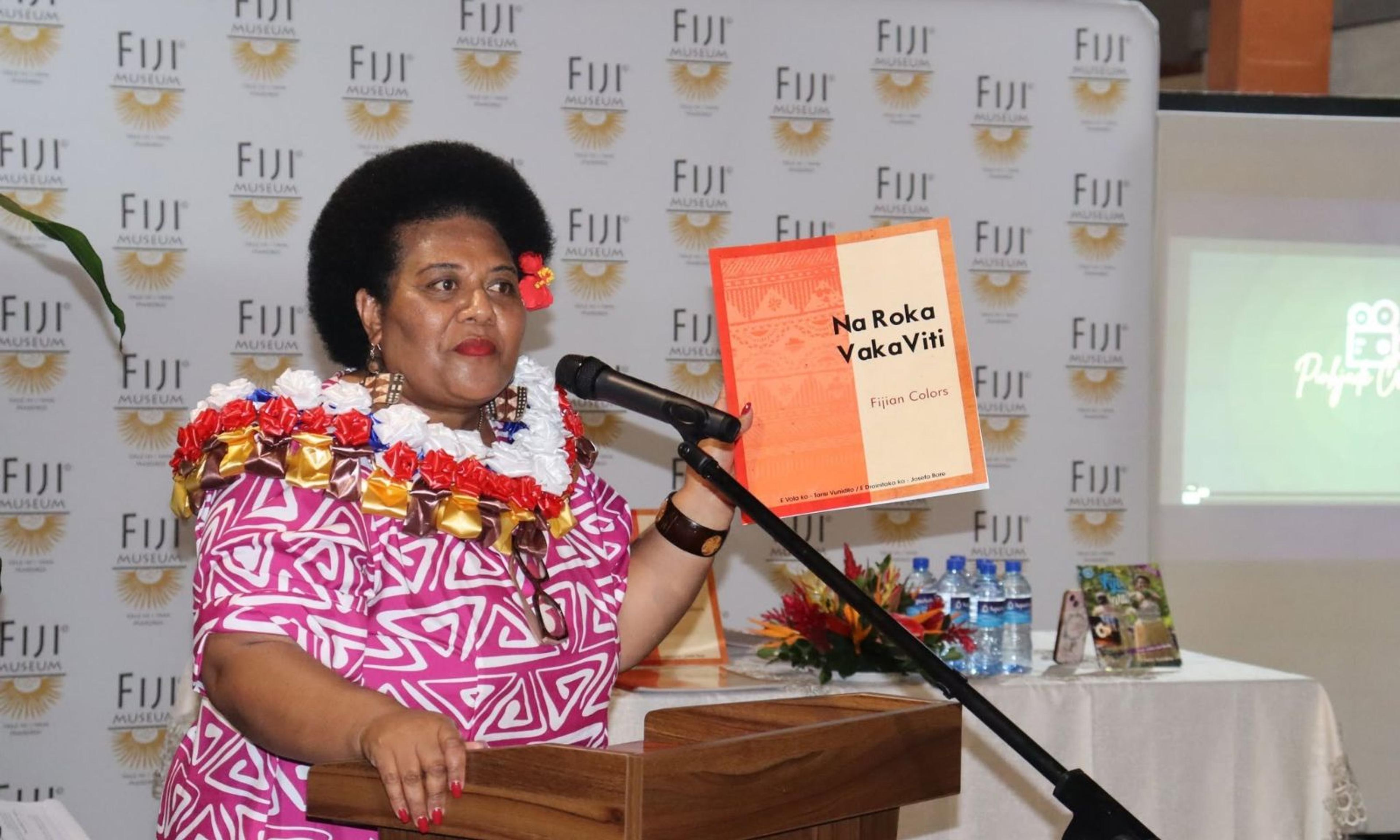
Dr Tarisi Vunidilo is leading a global writing initiative encouraging Pacific elders, families and young people to document their histories, songs, chants, lullabies and everyday memories.
Photo/Fiji Museum
Dr Tarisi Vunidilo is taking her call for Pacific storytelling beyond the classroom, connecting elders and younger generations through a global writing project focused on protecting traditional knowledge.

A Fijian academic is urging Pacific communities to start recording their own stories before memories fade and traditional knowledge is lost or taken out of the hands of the people it belongs to.
Dr Tarisi Vunidilo is leading Talanoa Vei Ira na Luveda, a global writing initiative encouraging Pacific elders, families and young people to document their histories, songs, chants, lullabies and everyday memories.
Speaking on PMN’s Pacific Days , Vunidilo said oral storytelling remains central to Pacific cultures but written and digital records can help carry that knowledge into the future.
"As humans, our memories can only go so far... As we get older, our memories start to decline as well," Vunidilo said.
"The more we record, the more it will be left for our future generation. It’s very important that we can do the recording and the writing for the future to complement our beautiful memories."
‘Talanoa vei ira na Luveda’ which translates to ‘Storytelling with our Children’, encourages families to sit down with elders and ask about their childhoods, school days, food, traditions and other parts of their lives that may not exist in written records.
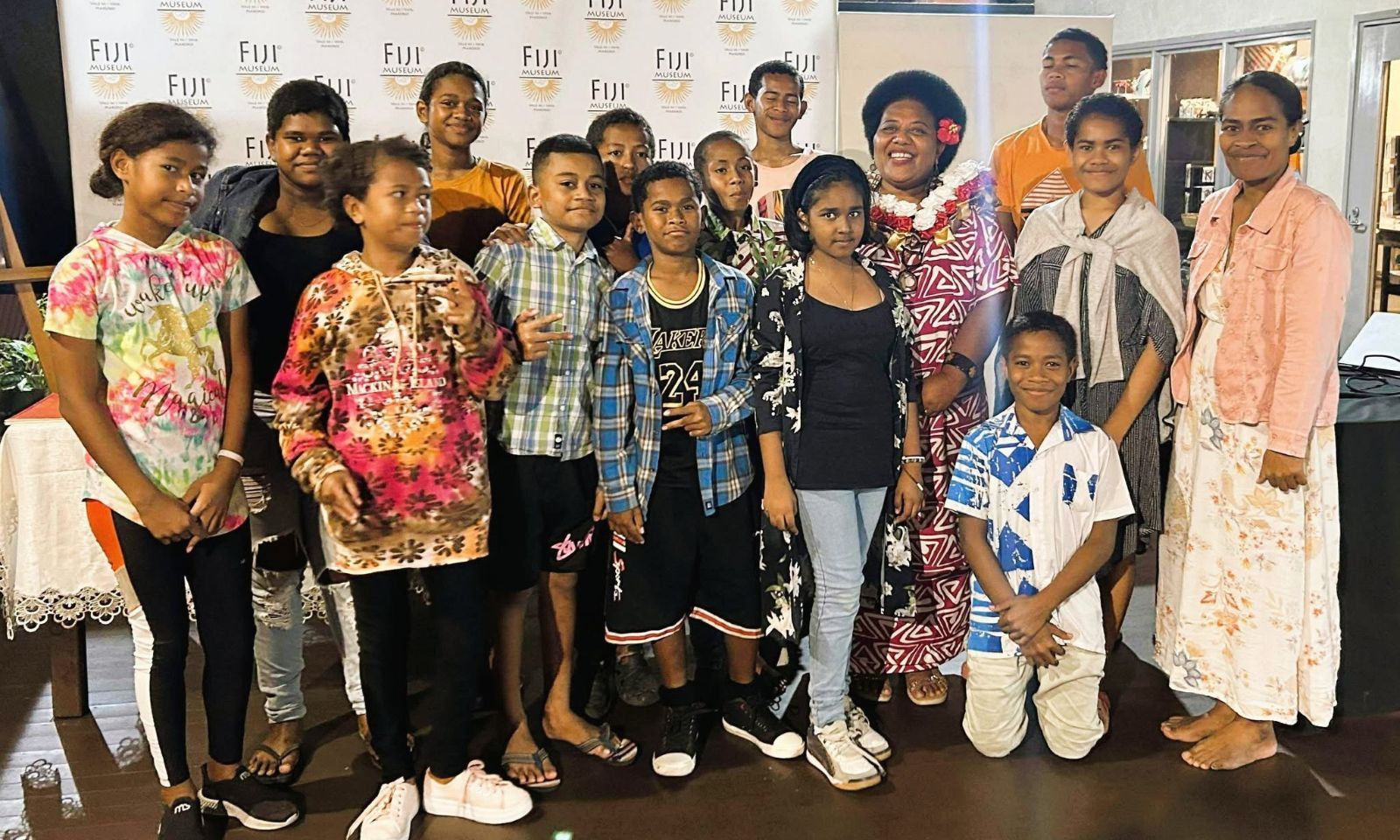
Dr Tarisi Vunidilo says oral storytelling remains central to Pacific cultures but written and digital records can help carry that knowledge into the future. Photo/Fiji Museum
Vunidilo, who is currently the assistant professor of ethnic studies at California State University, Los Angeles, says documenting these stories is also about protecting Pacific ownership of cultural knowledge.
"When it’s not documented by our own people, then others who don’t belong to our culture will take them," she said. "All our stories, all our songs, all our chants, they have mana. If we don’t look after that mana, that mana will be lost... It’ll go out from our own grasp and it will end up in places or people that are not from our own places."
Vunidilo runs weekly online workshops, bringing together Pacific writers, teachers, and creatives across the United Kingdom, Europe, Africa, and the Pacific.
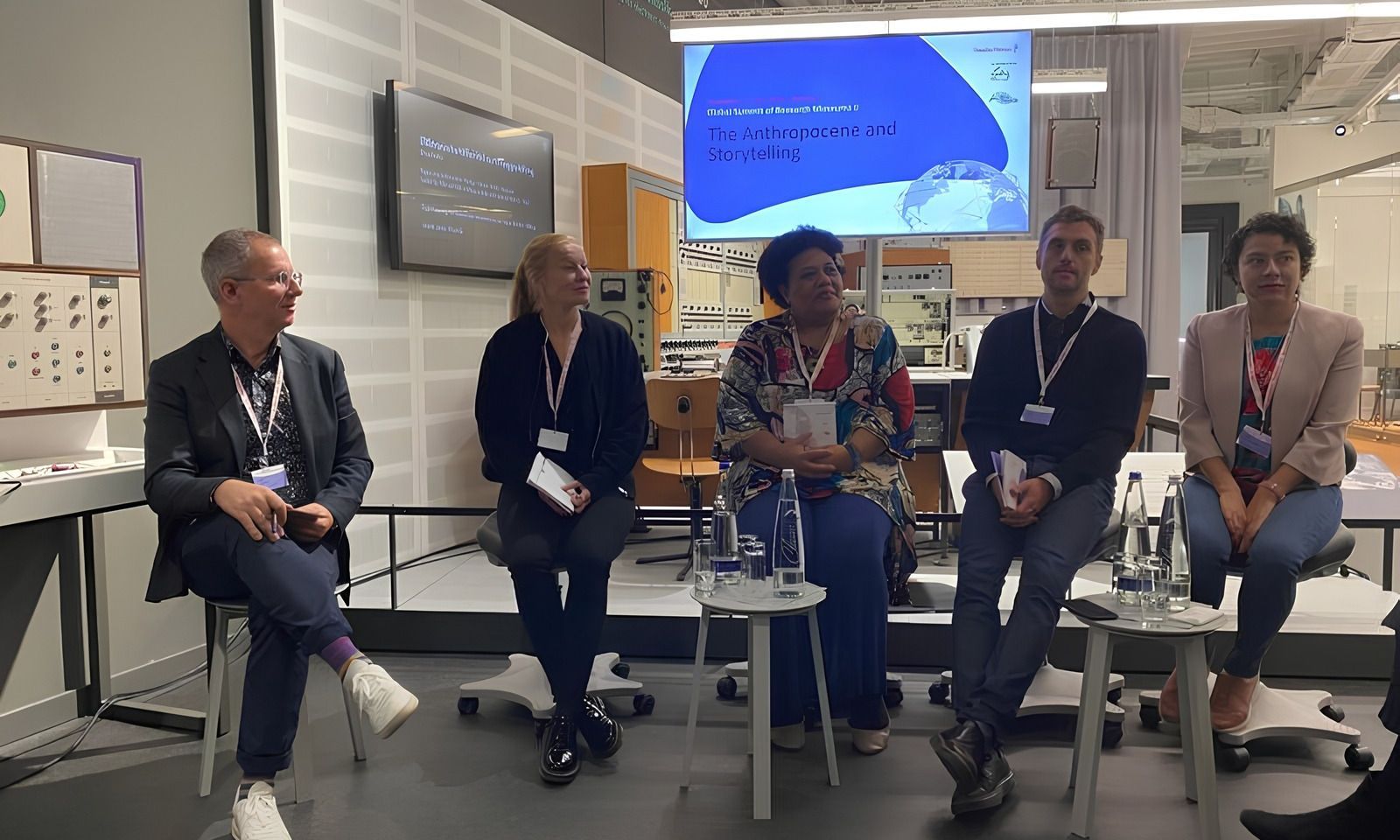
Dr Tarisi Vunidilo is currently the Assistant Professor of Ethnic Studies at California State University. Photo/PIMA
The sessions help participants turn family memories, traditional poetry, and music into books and digital stories.
"Everyone has a voice," she said. "Your voice matters. Your story matters.”
Vunidilo is encouraging Pacific whānau in New Zealand, Australia, and elsewhere in the diaspora to start with simple conversations at home.
Her own memories of growing up in Fiji including climbing trees, collecting firewood, and catching prawns, show how everyday experiences can become part of a much bigger story passed between generations.
"We may be in different places, but the stories connect us all," she said.
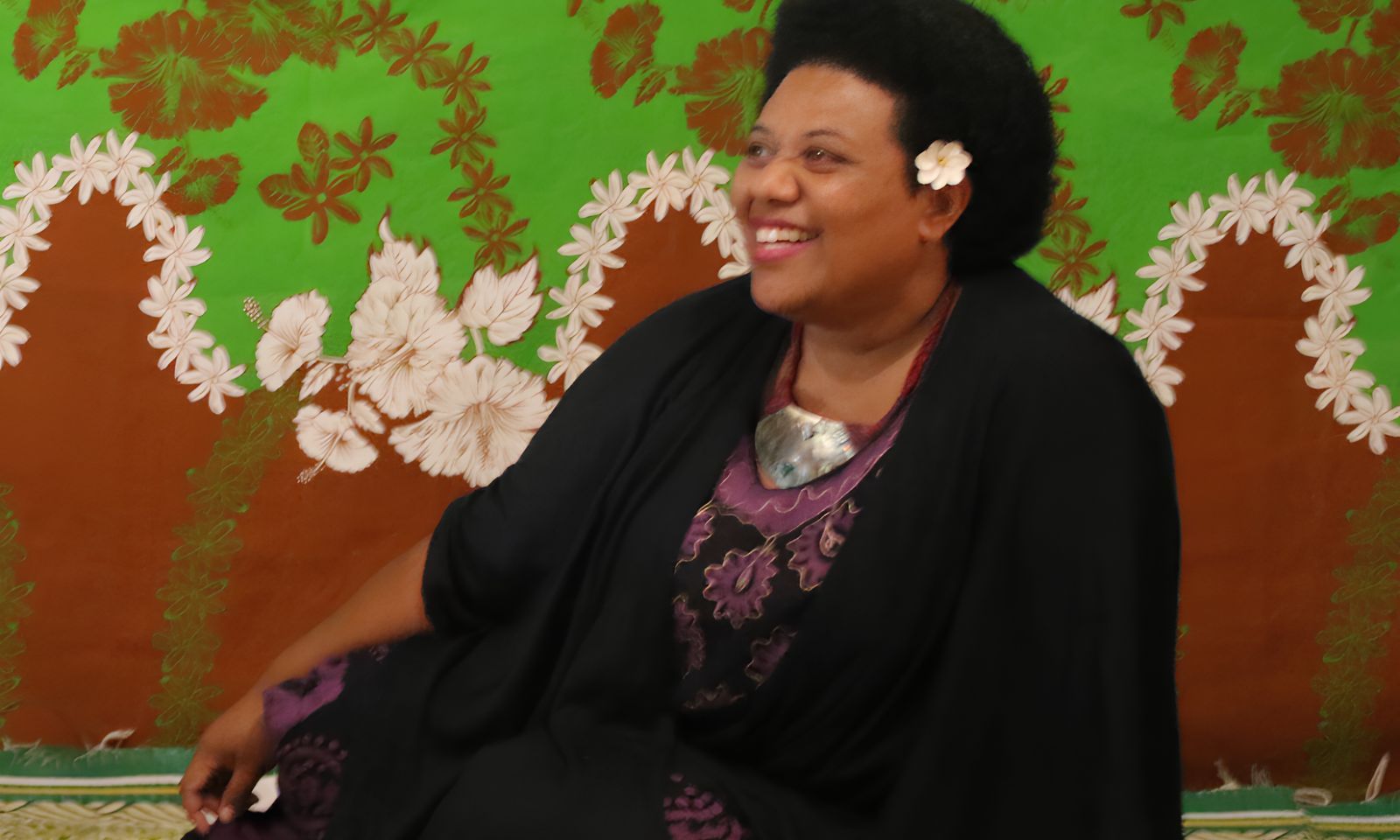
Dr Tarisi Vunidilo says documenting our stories is also about protecting Pacific ownership of cultural knowledge. Photo/Veiqia Project
Vunidilo says the goal is for younger Pacific people to have access to stories that strengthen their connection to their roots and language.
"Turn those stories into books," she said. "So that our younger learners can read those stories and be empowered, but also at the same time remember the language."
Vunidilo is also the creator and host of Talanoa with Dr T, an online Fijian educational and cultural platform focused on storytelling, indigenous scholarship, and digital heritage.
Fijian author Neumi Baraki says written records can help bridge the gap for diaspora communities who live as "strangers" away from their traditional village settings.
"Knowing your identity is like having an anchor. It doesn't stop a canoe from traveling; it gives it a place of reference,” he told PMN’s Pacific Days.
Baraki, recently launched a book titled; ‘Vuvale Kaukauwa -Noda Yavu Dei: Strong Families, Our Firm Foundation’ which draws on his lived experiences as an Indigenous parent and the challenges he has faced.
Watch Dr Tarisi Vunidilo's interview on Pacific Days below.
He says recording this knowledge helps ensure the foundational principles built over thousands of years continue to serve future generations.
"Because I think our cultural values and traditions are very similar... especially for our Pasifika people: our thousands of years of history of our people as navigators, proud people, proud history, people who respect and look after one another..."
Baraki is an Auckland-based Fijian and English translator, tutor, and author with over 20 years experience who advocates for the preservation of the Standard Fijian language within the Fiji diaspora.