Seymour targets office karakia as Aupito warns of a ‘culture war’
Thomas Tarurongo WynneFri, 23 Oct
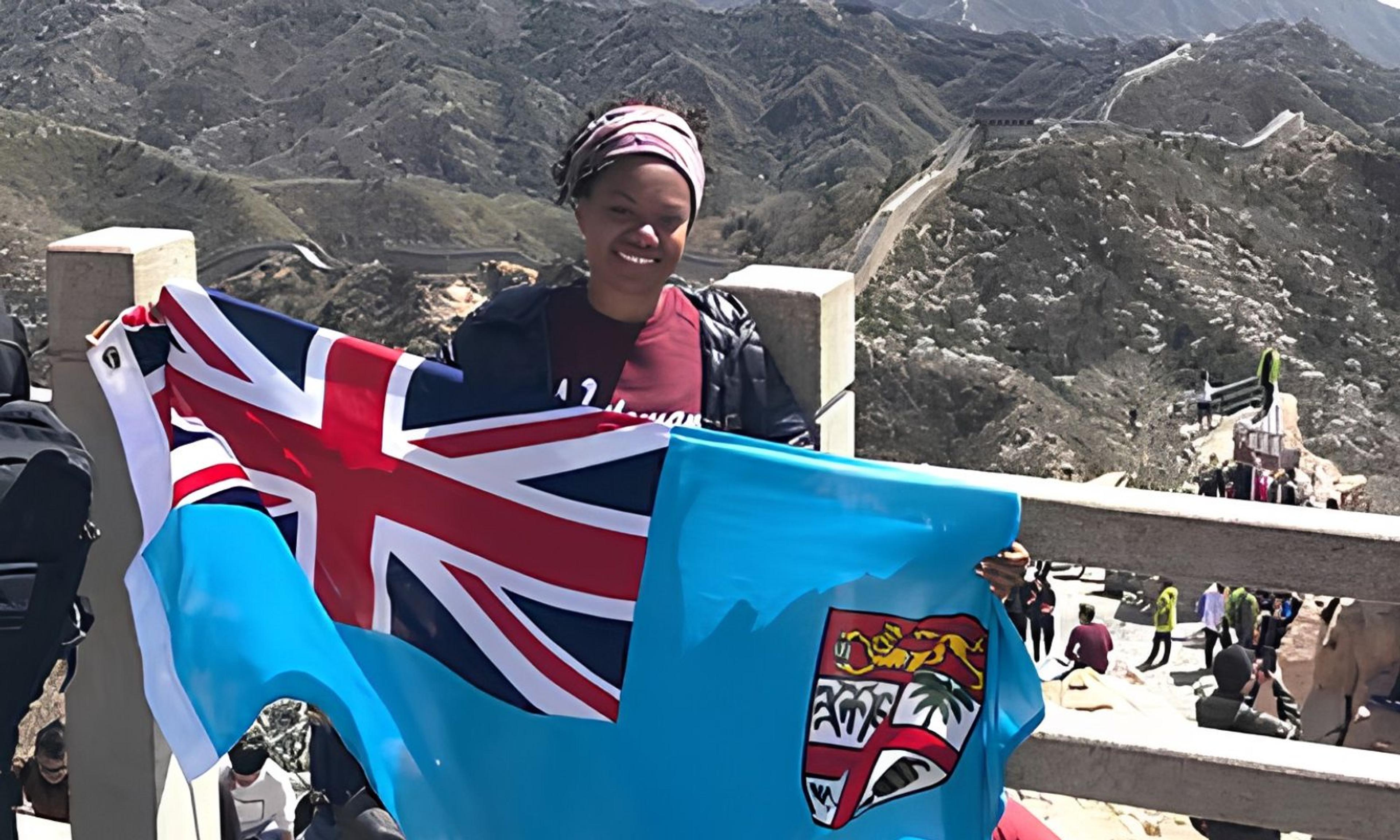
Pride in her language and concern for younger generations losing fluency inspired Taina Maitiro to launch online Fijian language classes from Spain.
Supplied
From Madrid in Spain, the Fijian linguist is helping families around the world reconnect with their language and identity, one lesson at a time.

From a flat in Madrid, Spain, thousands of kilometres from the islands she calls home, Taina Maitiro is doing something simple but powerful.
She has found an unexpected way to stay connected to her roots by teaching the Fijian language to people around the world.
An English teacher by profession, Maitiro runs online Fijian language classes for the diaspora, young learners overseas, and even non-Fijians curious to learn a language she says is too often taken for granted.
“Fijian is, on the grand scheme of things, a very small language spoken by such a small number of people, and its survival depends on us,” she told PMN News.
“Our ancestors were able to keep it alive for thousands of years, and if we don't value it enough right now, today, I would be really, really sad to see, you know, what's awaiting us in the future.”
Originally from Suva, Fiji Maitiro’s love of languages started early. She studied French at school and university, later working at the French Embassy before taking up a teaching opportunity in New Caledonia.
“I've always been obsessed with languages since as far as I can remember,” she said.
“I grew up speaking only standard Fijian, and after learning the ins and outs of the language and the grammatical system of the language I speak on a daily basis, I found a new kind of appreciation for it.”
A teaching role took her to Madrid in 2019 where she began to see just how unique Vosa Vakaviti was through the eyes of others.
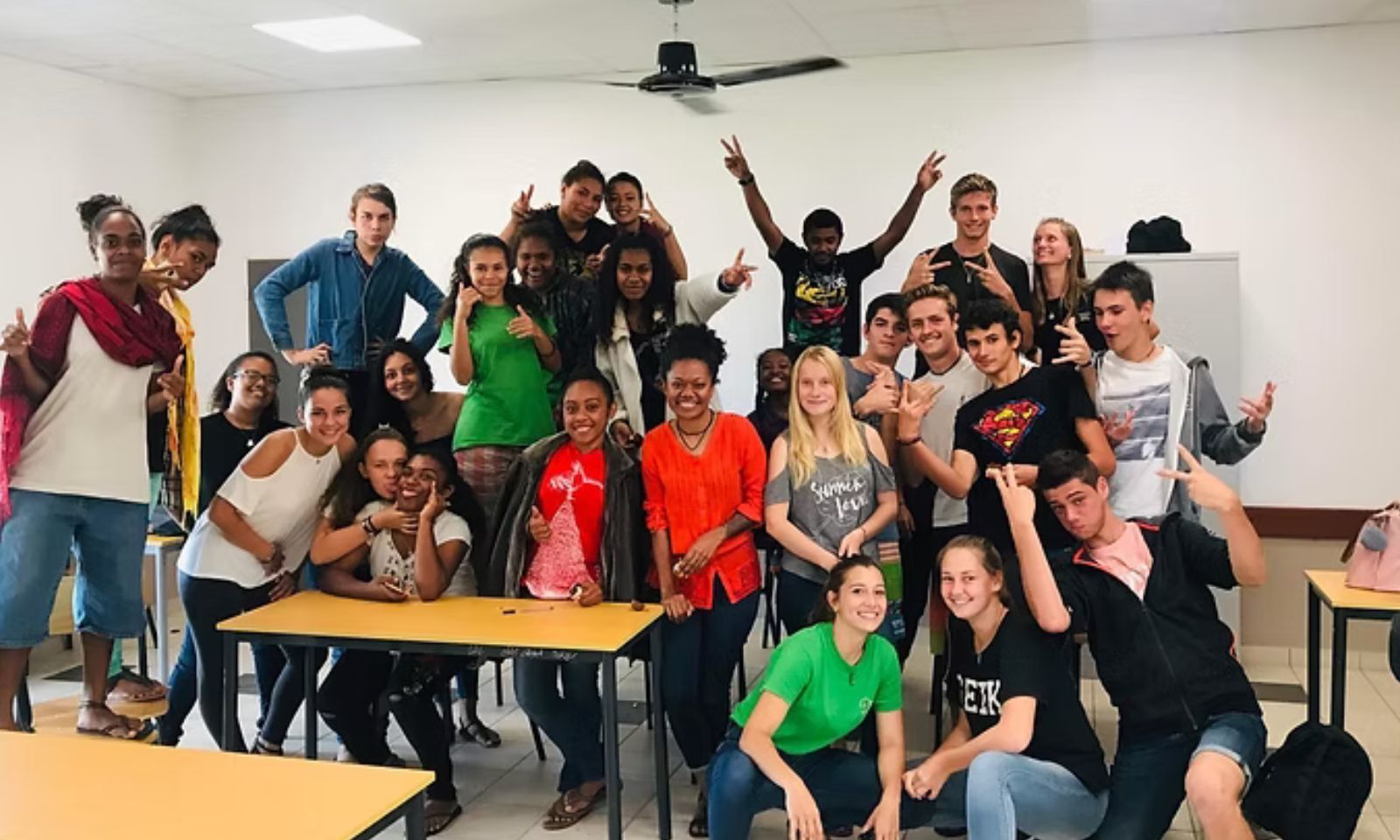
Taina Maitiro with her students in Pouembout, New Caledonia in 2018. Photo/Supplied
“I would always get asked questions like, say ‘something in Fijian’, ‘I've never heard it before,’ and that made me realise we are very unique as this language is spoken by such a small number of people compared to other languages like Mandarin and French and Arabic and English, and it became something I valued even more.
“I said, wow! how lucky am I and privileged am I to come from Fiji, and I can speak this language, and I can be in conversations where I teach people new things about my cultural identity and my language, and it just brings me so much pride, really.”
That pride eventually inspired her to launch online Fijian language classes. She noticed a pattern among younger members of her own family living overseas - that English was often the default.
“I'd speak to them in Fijian, but they'd respond to me in English,” she recalls. “They would really struggle with understanding the language.”
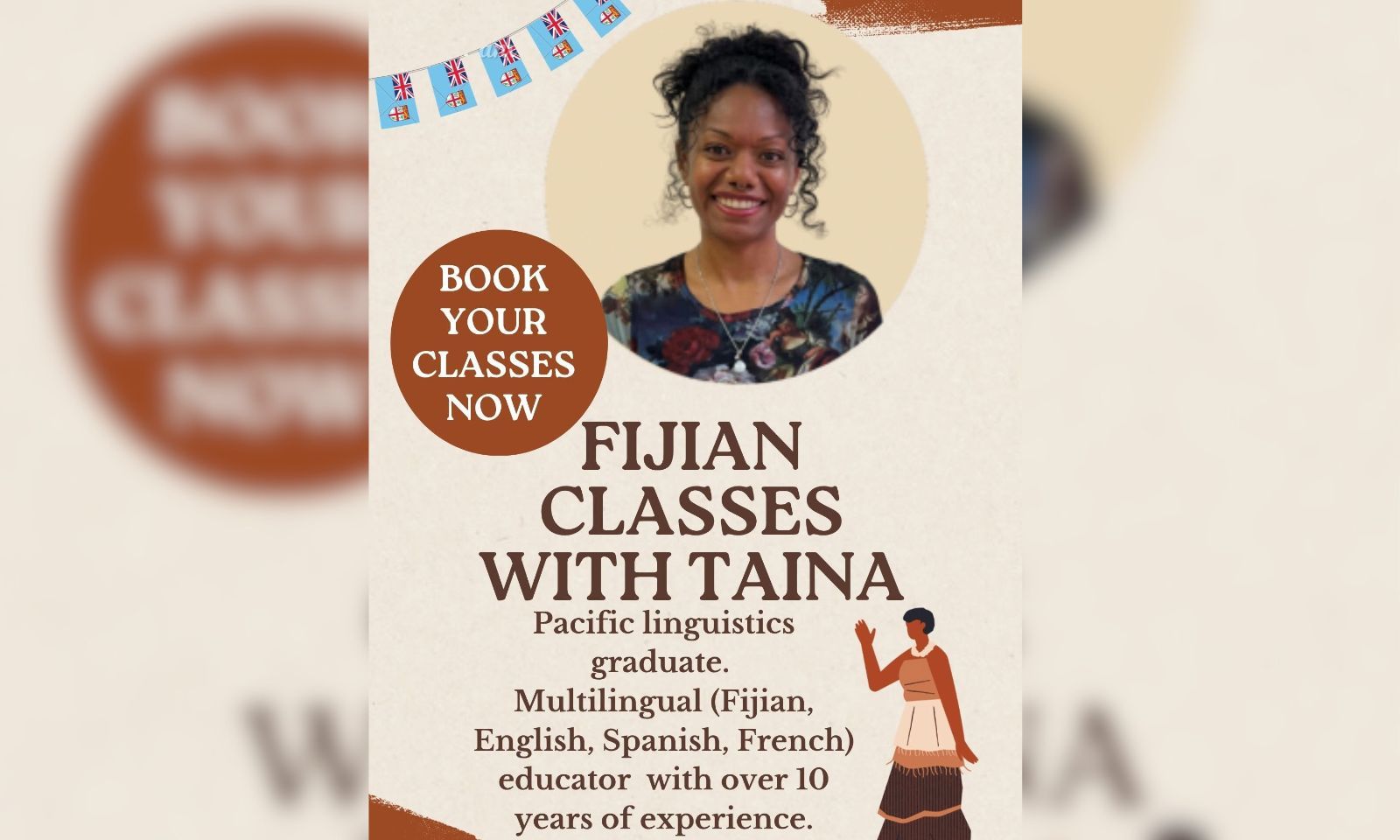
Taina Maitiro uses online classes to promote and preserve the Fijian language. Photo/Taina Maitiro
Today, Maitiro’s students include Fijian children living abroad, adults reconnecting with their heritage, families in Fiji, and non-Fijians learning the basics for the first time.
So far this year, Maitiro has worked with 20 students in Fiji, the United States and the United Kingdom, reflecting growing interest in learning and preserving the Fijian language both at home and abroad.
One student, an Italian woman based in Taveuni, Fiji is learning the language while running an organic farming business.
Maitiro says pronunciation can be hard for children raised outside Fiji. But the most rewarding moments are when they begin using the language naturally.
“Being able to really be themselves in the language, joking, using humour, understanding nuances they didn't understand before, that brings me a lot of joy,” she says.
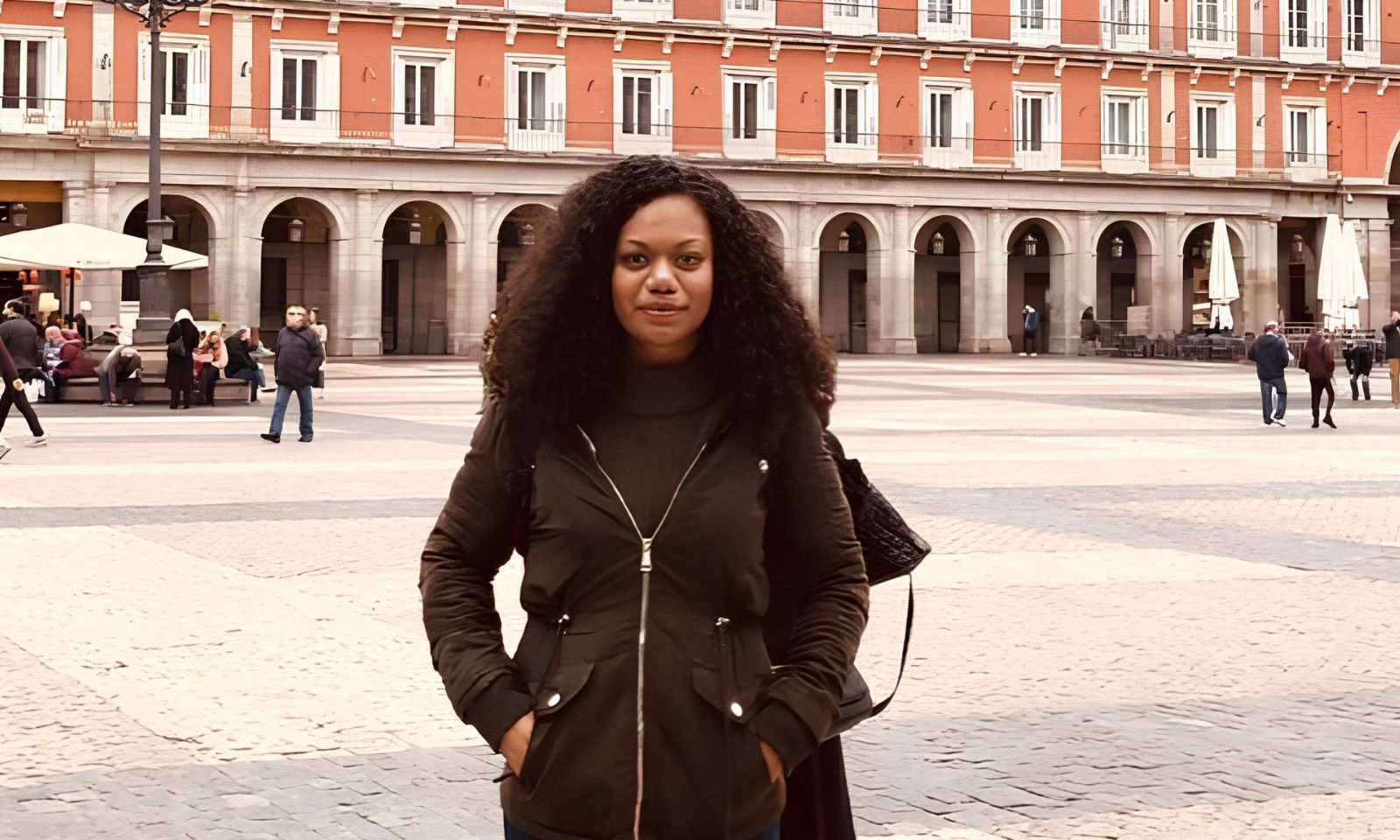
Taina Maitiro says every effort to learn and use Fijian helps keep the language alive for future generations. Photo/Supplied
For those hesitant about starting again, Maitiro says the most important step is simply to begin.
“Whether through music, conversation groups or online lessons, every effort matters. At the end of the day, this is your cultural heritage. You're doing it for yourself, so keep going,” she says.
Maitiro also has a message for parents raising children overseas: use the language at home, every day.
“You don't teach them. We didn't grow up with our parents saying, ‘Sit down, this is a verb, this is an adjective.’ They just spoke to us and we spoke back. That's exactly what you have to do.”
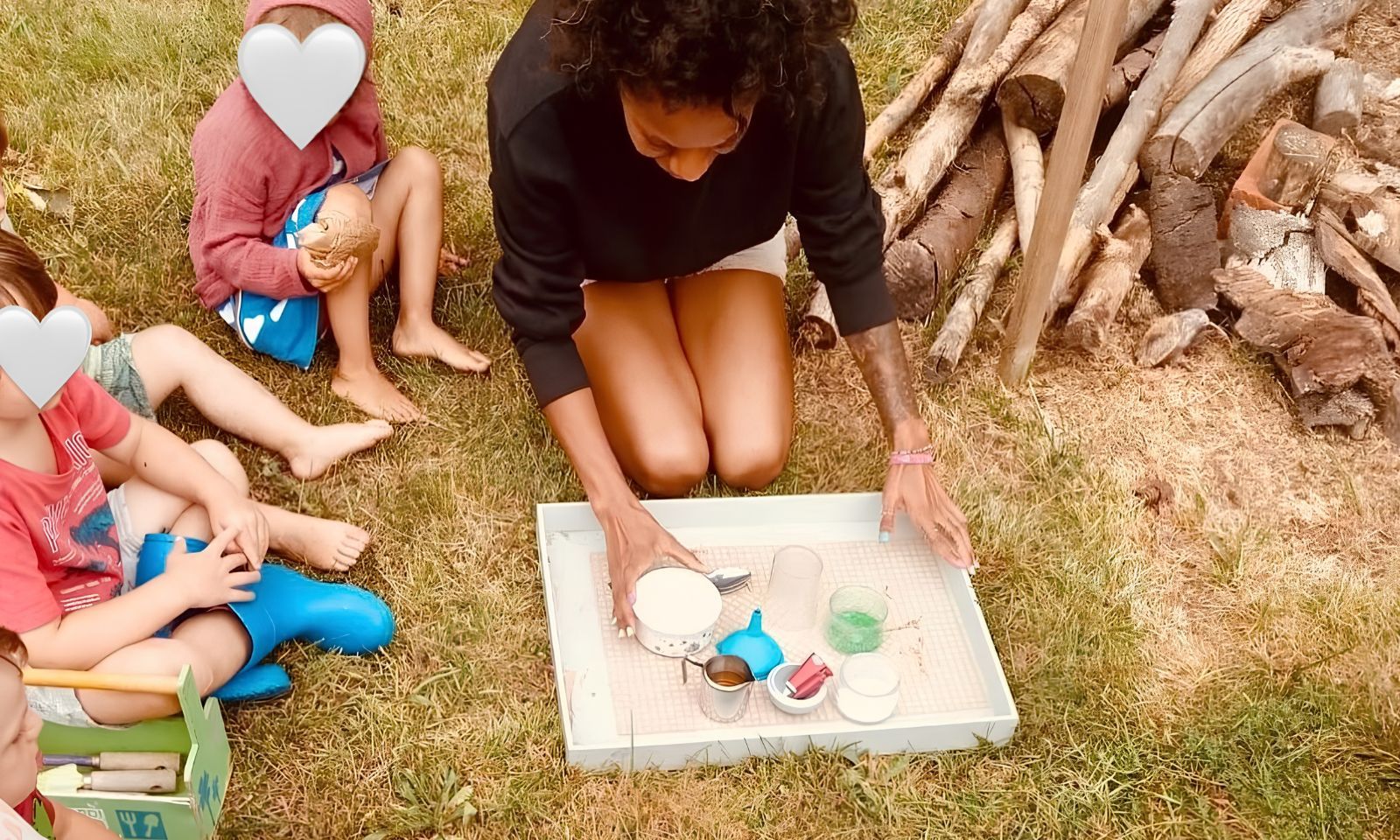
Taina Maitiro teaching at a Montessori school in Spain. Photo/Supplied
While she is concerned about the long-term future of the Fijian language, citing growing demand for classes from in Fiji itself, Maitiro says her work is about more than words.
For her, it is about helping people stay connected to their culture, identity and roots, no matter where in the world they live.