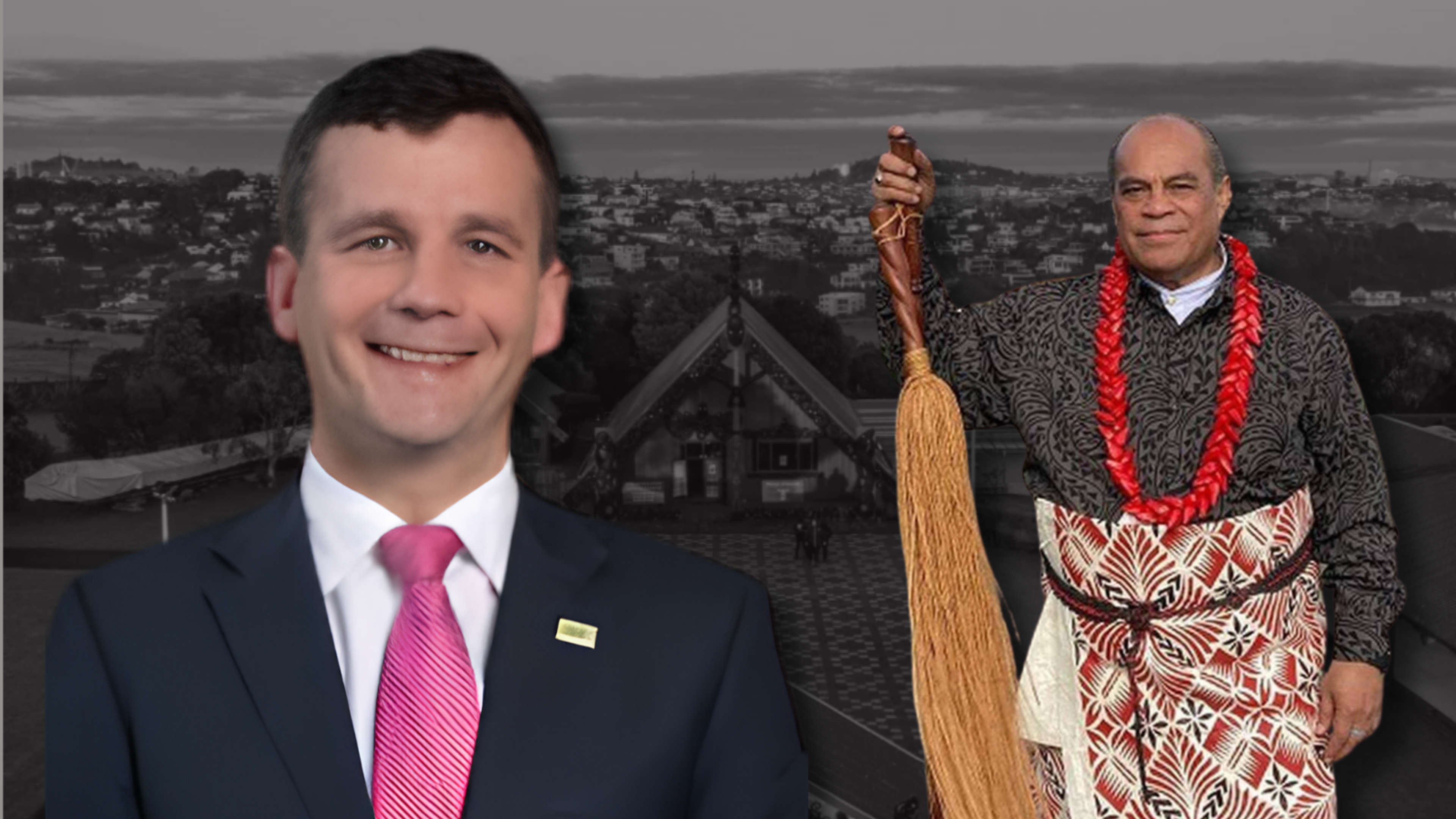
Seymour targets office karakia as Aupito warns of a ‘culture war’
Thomas Tarurongo WynneFri, 23 Oct
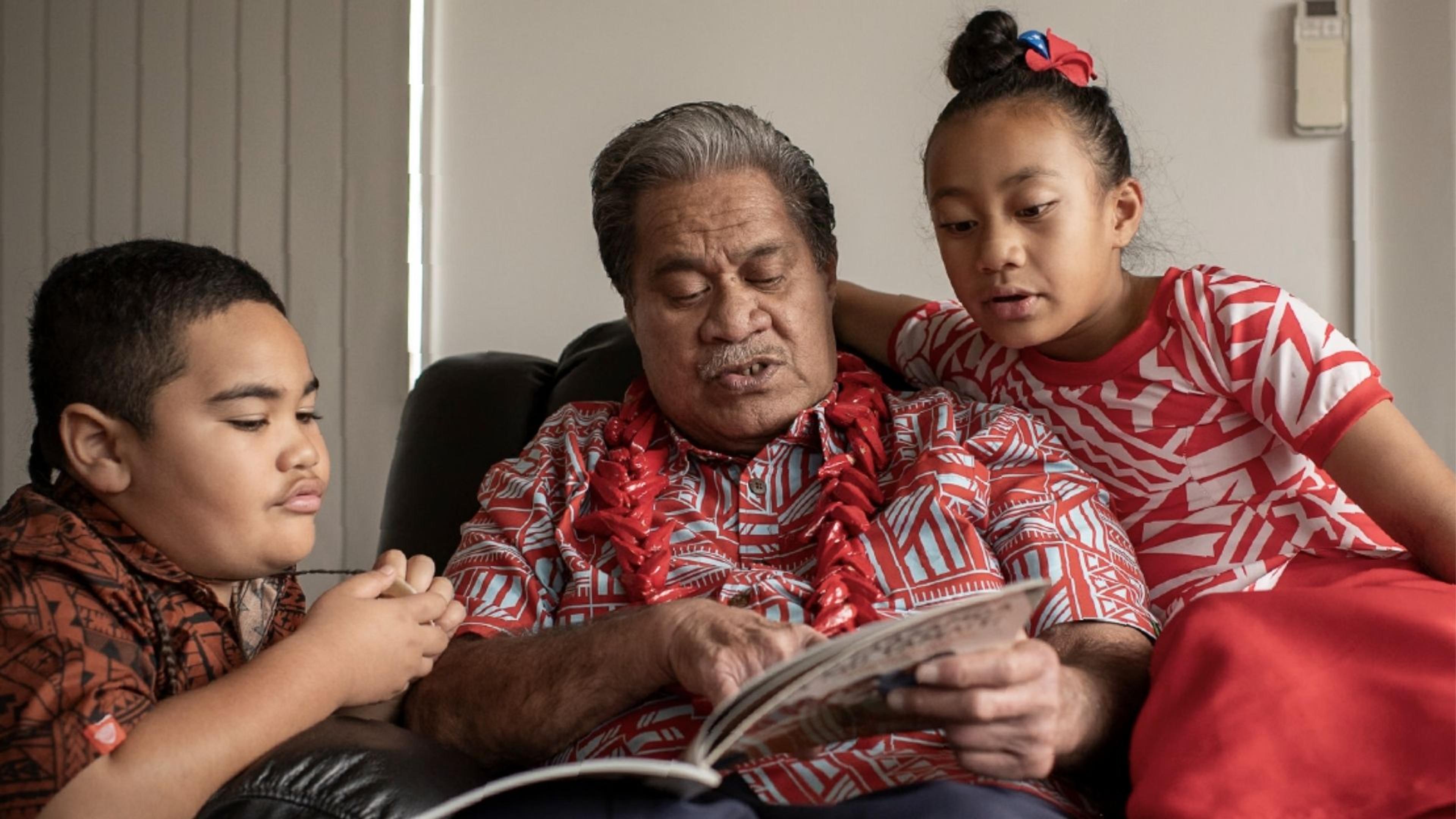
Sāmoan Language Week is underway across Aotearoa New Zealand, celebrating Gagana Sāmoa through events, storytelling and community-led efforts to keep the language strong for future generations.
Photo/MPP
Sāmoan Language Week is underway in Aotearoa with new data and community-led initiatives showing Gagana Sāmoa is beyond celebration.

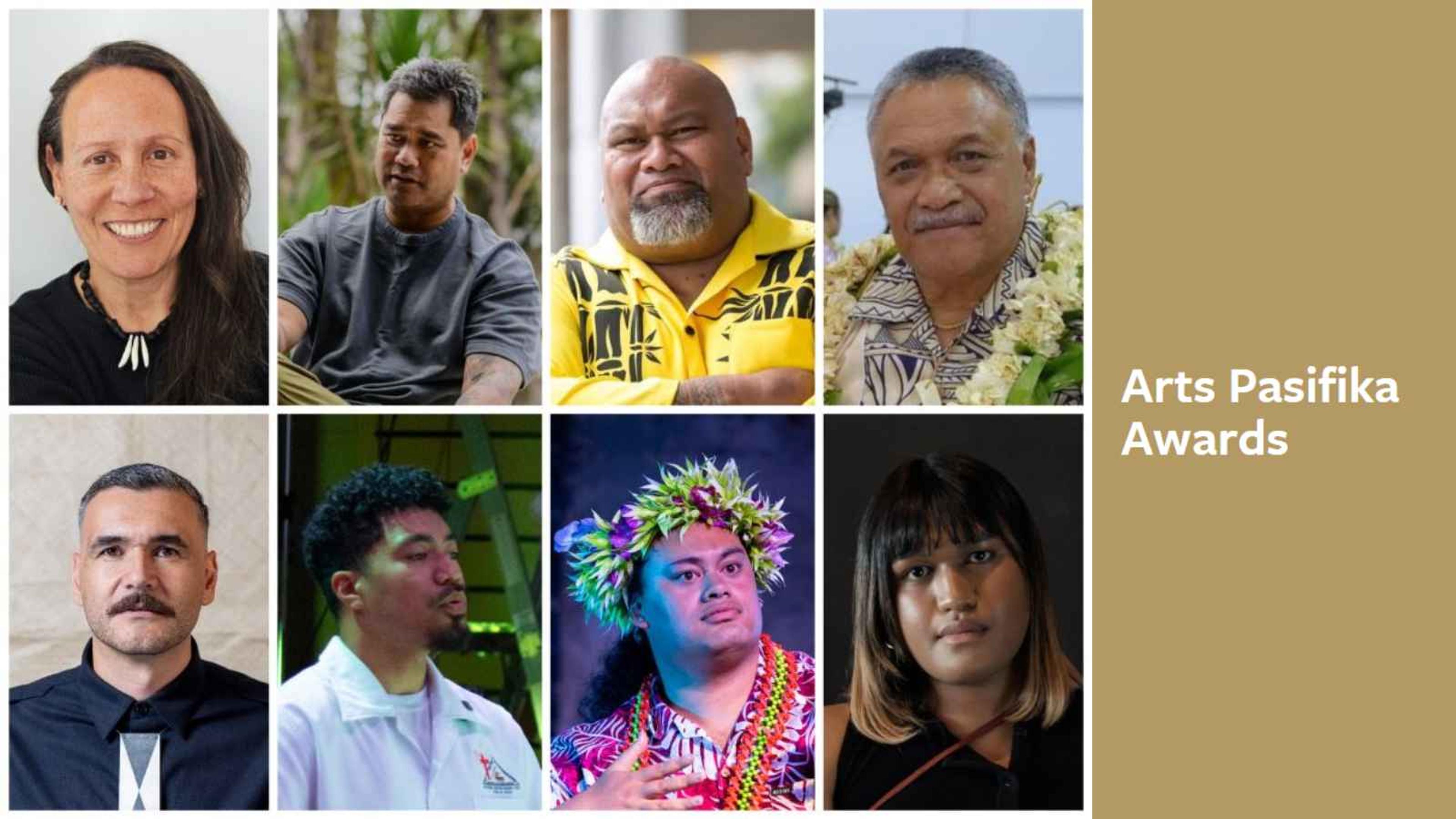
Sāmoan Language Week 2026 is underway across Aotearoa New Zealand after launching on Sunday.
But this year, the focus is shifting beyond celebration and into how Gagana Sāmoa is actually lived, taught, and protected every day.
The 2026 theme, “E afua mai mauga tetele manuia o le nu’u” - From the high mountains are the blessings of the village, reflects the idea that strength, guidance and wellbeing flow from the foundations of family, faith and leadership.
There are about 213,000 people of Sāmoan heritage in Aotearoa and Gagana Sāmoa remains New Zealand’s most-spoken Pacific language with around 110,000 speakers. Census data also shows just under half of Sāmoans still speak the language.
The stats also highlight both its strength and the ongoing challenge of intergenerational language loss.
Officials say it is a message that feels especially urgent as Pacific communities work to keep language strong for younger generations born and raised in New Zealand.
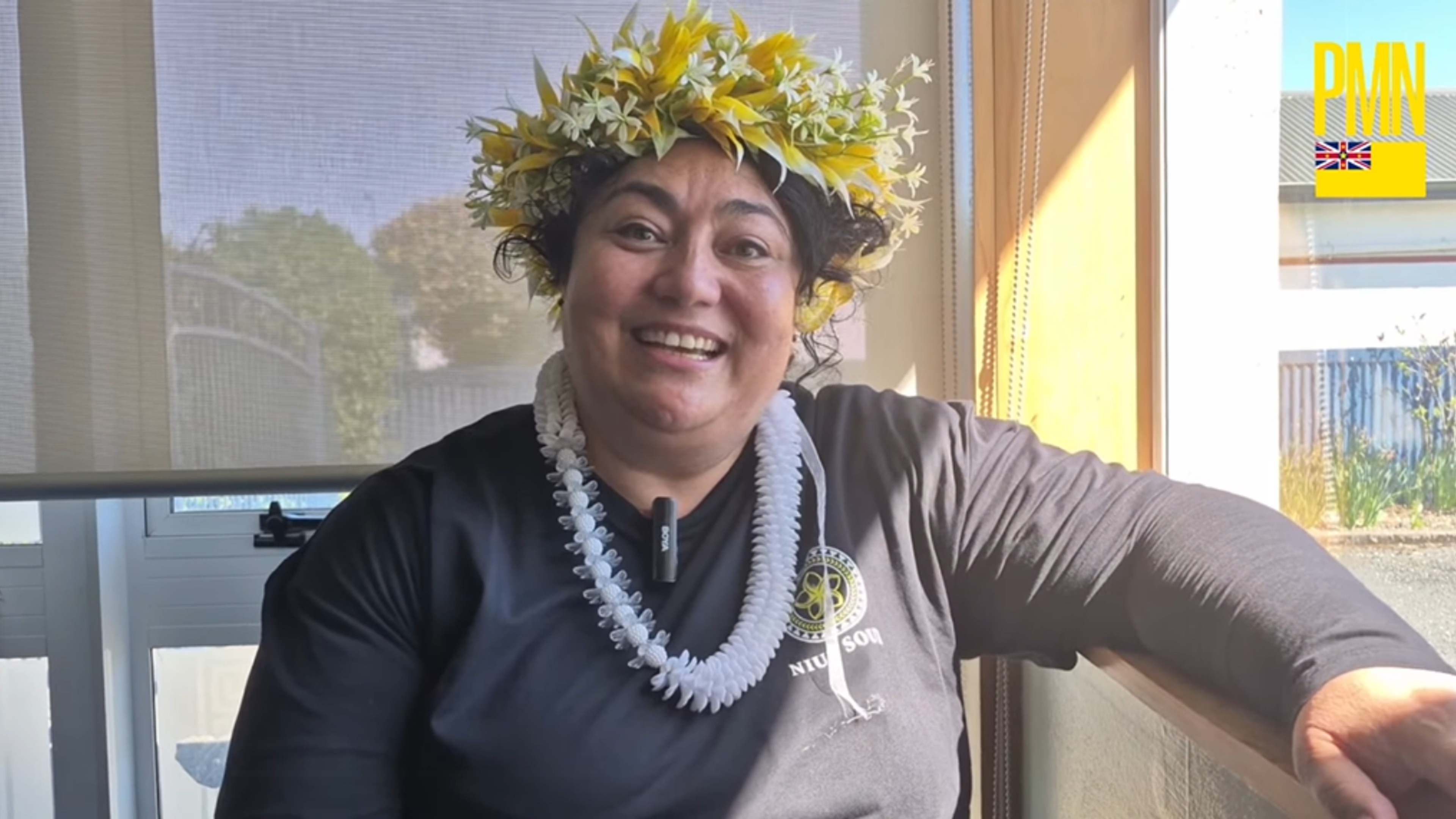
Listen to Julius To'o's full interview with William Terite on Pacific Mornings below as he explains how a new app is helping Sāmoans overseas reconnect with their language, culture and heritage.
New insights from the Ministry for Pacific Peoples’ Leo Moana o Aotearoa project show just how deeply language is tied to identity and wellbeing.
Half of Gagana Sāmoa speakers learned it as a first language while 94 per cent of respondents say using their heritage language is important for wellbeing.
A further 97 per cent believe it is vital for children and future generations to speak Pacific languages, and 51 per cent say they use Pacific languages when speaking to children at home.
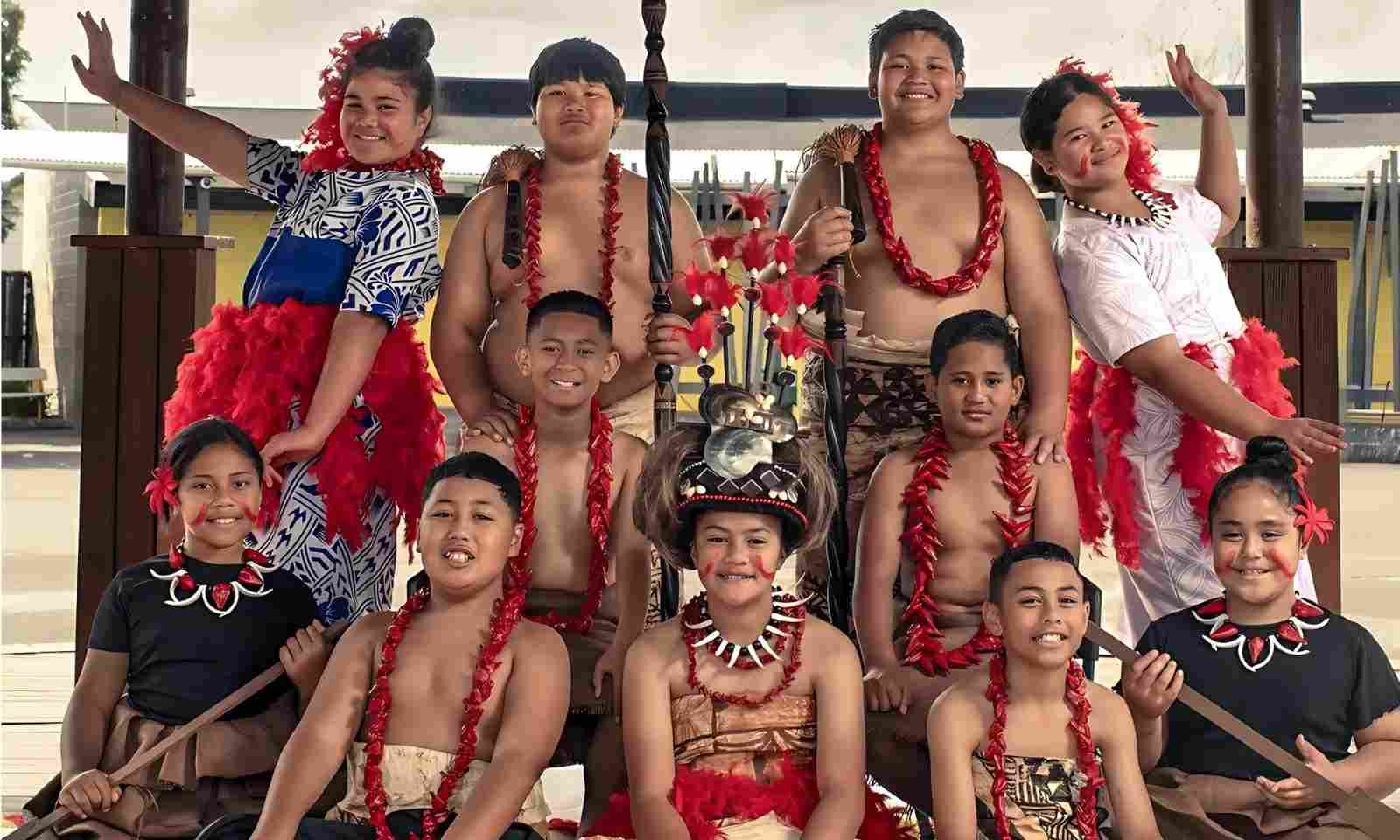
Young Sāmoans celebrate their language and culture during Sāmoan Language Week, helping keep traditions alive for future generations.Photo/MPP
Across many Pacific families, language survival is not happening in classrooms alone. It is happening in living rooms, churches, and bedtime routines.
One example is a new 3D animated resource launched by Pacific Kids’ Learning for Sāmoa Language Week. The animation, “A O Le’i Moe” (Pese 394), is based on a well-known evening prayer hymn used in Sāmoan homes for generations.
For creators, it is designed as both a cultural and spiritual tool for families in the diaspora, helping children connect with language through prayer, music and storytelling.
In many Sāmoan households, the day ends in prayer. Families gather to reflect, give thanks and place the day in God’s hands. It is a practice described by the group as a grounding force in an increasingly busy and disconnected world.
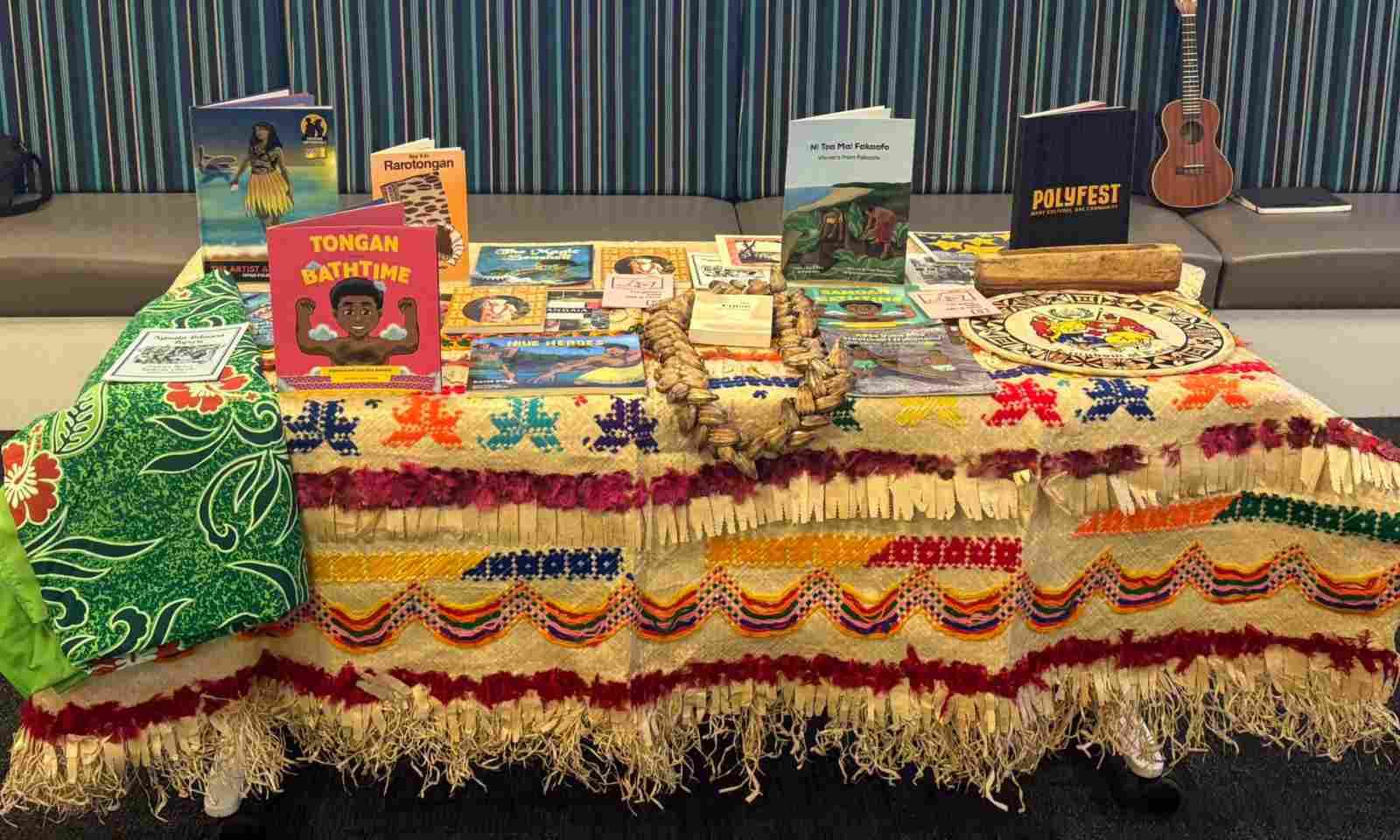
Sāmoan artefacts and literature on display reflect the stories, traditions and language that continue to connect generations of Sāmoans at home and abroad. Photo/Supplied
The resource, available through the Pacific Digital Library, has been created by Sāmoan families and is freely accessible worldwide with downloadable learning worksheets for children.
Community work is also continuing in Sāmoa itself where organisations like the Sāmoa Blind Persons Association (SBPA) are strengthening language through inclusive education.
In April, the SBPA supported eight students who are blind or visually impaired through a targeted literacy and numeracy programme using braille.
The sessions included reading, spelling, mobility training and confidence-building support to help prepare students for national exams.
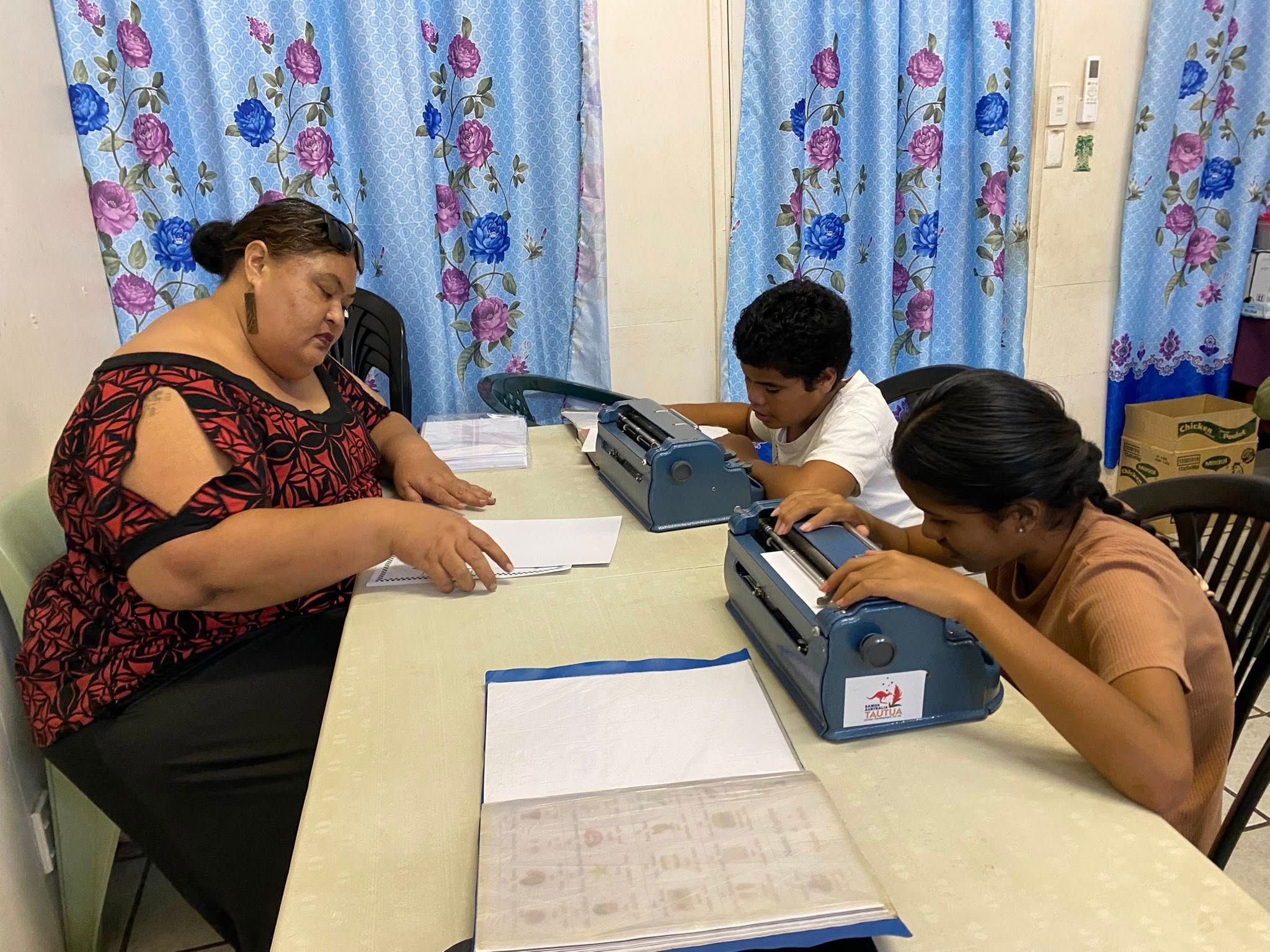
The Sāmoa Blind Persons Association is helping ensure no one is left behind, supporting blind and visually-impaired students through braille literacy programmes that build confidence, independence and learning. Photo/Facebook/SBPA
The association says the goal is not only academic progress but independence and equal access to learning, and ensuring Gagana Sāmoa is accessible to all learners, regardless of ability.
Together, these initiatives reflect a wider shift in how language weeks are being shaped: less about short-term celebration, and more about long-term survival.
From homes to schools, churches to digital platforms, Gagana Sāmoa is being carried forward through everyday practice - not just spoken for a week but carried all year round, in every home and across generations.
More details on Sāmoa Language Week in Aotearoa are available here.

Sāmoans showcase the rich cultural heritage passed down through generations. Photo/Supplied
Watch this all-girl music band in Solomon Islands sing in Sāmoan below.