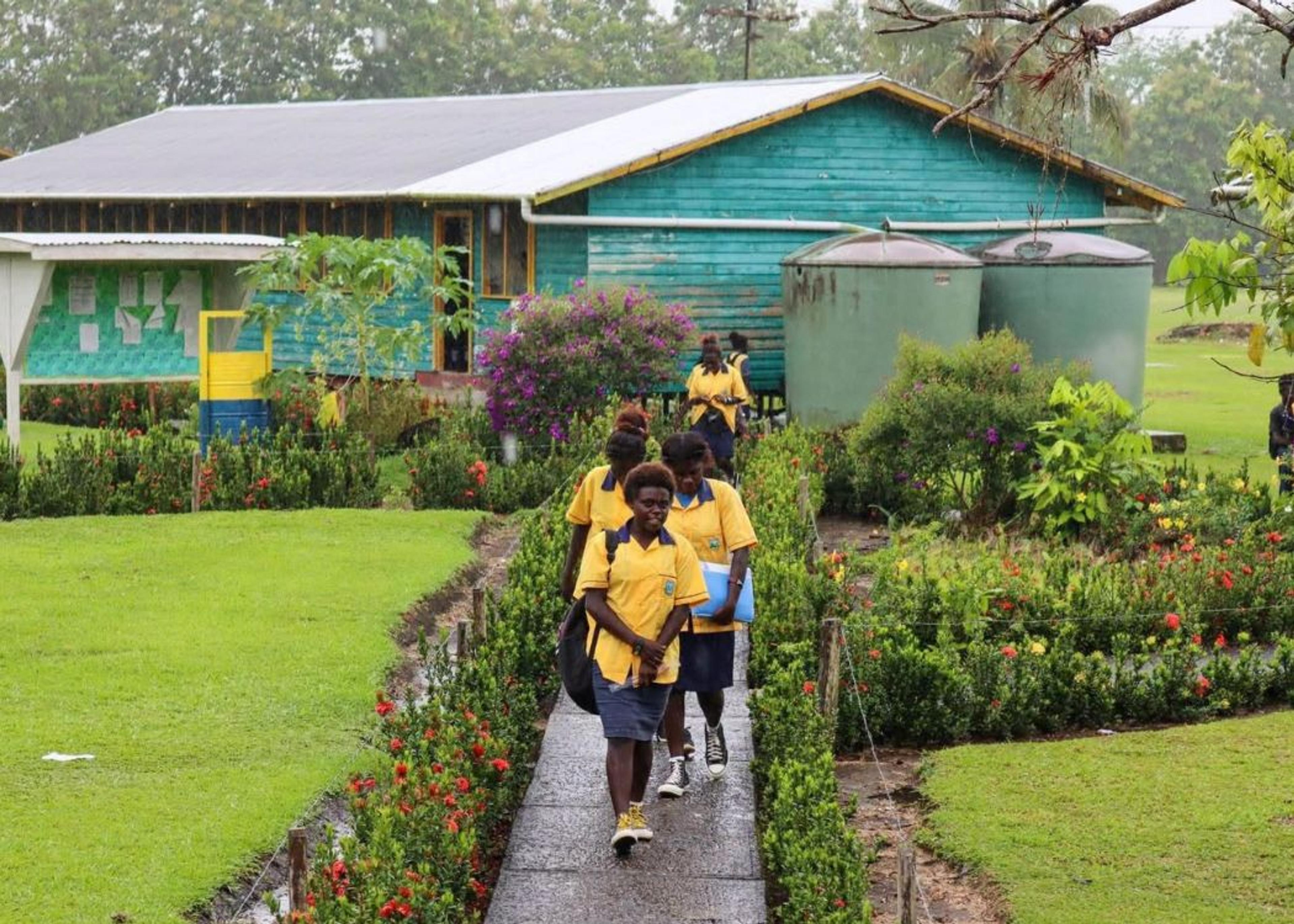
The Fa’ataunau programme uses family, faith, culture and community connections to support young Pacific athletes with their mental wellbeing through grassroots sport.
Photo/Healthy Families Waitākere
Sports
Pasifika-led project puts young athletes' mental wellbeing first
Fa'ataunau, a new grassroots initiative, supports mental wellbeing from an early age while developing sporting talent.

PMN News
Published
01 August 2026, 6:40pm
Share
Copy Link
Top stories
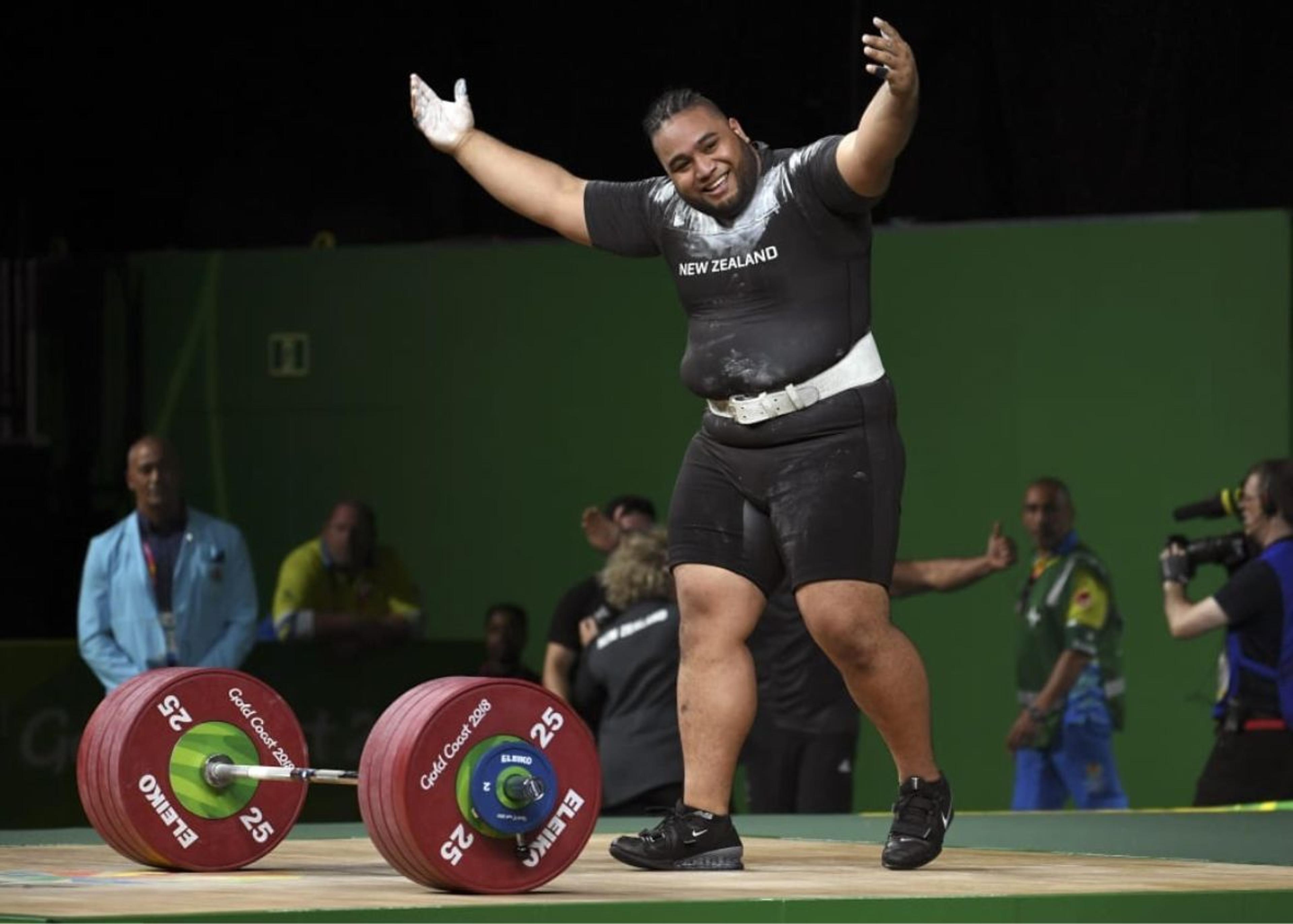
From Ōtara, NZ to Los Angeles: David Liti lifts up the next generation
Elton Lonaratha JnrMon, 19 Oct
Top stories
From Ōtara, NZ to Los Angeles: David Liti lifts up the next generation
Elton Lonaratha JnrMon, 19 Oct
Pacific athletes are making headlines on the world stage, but a new Pasifika-led initiative says success in sport should never come at the cost of young people's mental wellbeing.
Fa'ataunau, a grassroots programme developed through Healthy Families Waitākere, is working with schools, sports clubs and communities to help young Pacific athletes manage the pressures that come with competition before they reach the elite level.
Speaking with Tuilagi William Leolahi on Pacific Huddle, project lead Pelenatino Malo said the programme grew out of research showing many Pacific athletes lacked the mental wellbeing support needed as they progressed through the sporting pathway.
"We saw that there were a lot of Pasifika athletes that were moving into professional sporting spaces, but didn't have that mental well-being support around them," Malo said.
"What we found was that there was so much research, but not enough work happening in grassroots sports spaces."
Rather than taking a clinical approach, Fa’ataunau focuses on strengthening the support systems that already exist within Pacific communities.
Malo said the name reflects the programme's purpose. "It doesn't have a direct meaning, but the meaning is to go into spaces and make things better."
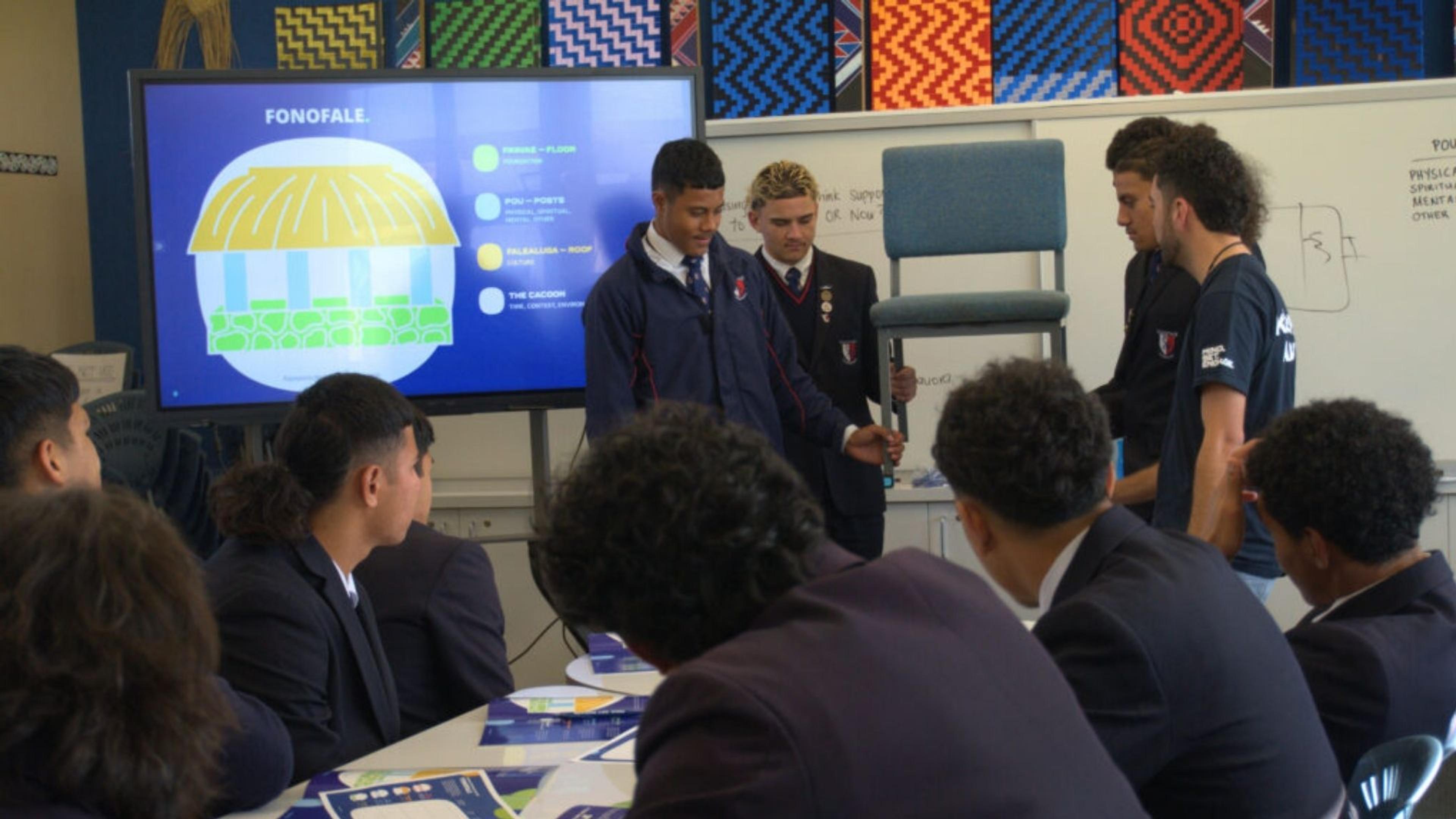
The programme draws on the Fonofale model of health, encouraging young people to lean on family, church, culture and their wider community when facing challenges.
"We believe that by weaving the Fonofale model through our approach, it's a holistic approach. Our village is involved, and we can be the medicine to the problems that we have."
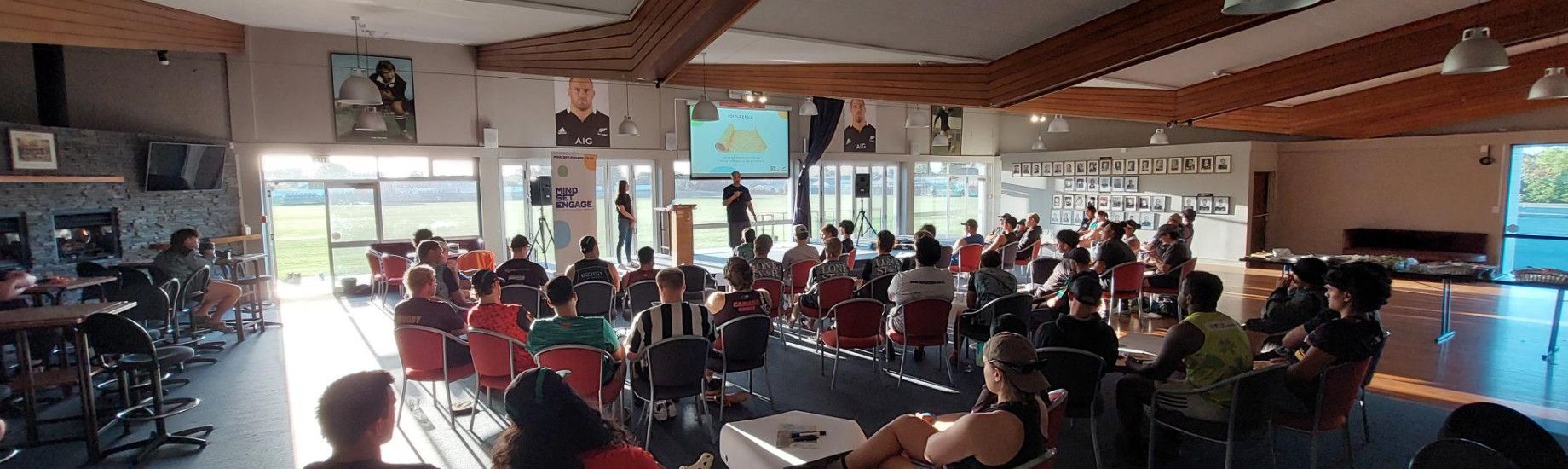
New Zealand Rugby’s Mind Set Engage team works with players, coaches, schools and communities to encourage open conversations about mental wellbeing in rugby. Photo/Mind Set Engage
Working alongside New Zealand Rugby's Mindset Engage team, the programme has already delivered workshops with schools, including Avondale College, where students identified performance pressure, injuries and financial barriers as some of the biggest challenges affecting their wellbeing.
The work aligns with New Zealand Rugby's Mind Set Engage programme, which aims to support players, coaches, schools and clubs to have more open conversations about mental wellbeing.
New Zealand Rugby's Head of Mental Health and Wellbeing, Dr Nathan Price, says making support easier to access is an important part of reducing stigma around mental health.
“We know mental health and wellbeing looks different for everyone, so the app allows our rugby community to learn about this in a manner and speed that suits them best.
"Having an app that is rugby focused with key strategies and tools delivered by All Blacks and Black Ferns also helps to reduce some of the stigma that can be associated with this topic.”
A recent Mind Set Engage impact report found the programme delivered 62 community workshops across Aotearoa, reaching 1853 participants.
After the workshops, participants reported stronger confidence in recognising anxiety, knowing where to get support and starting conversations about mental health.
Malo said many young athletes struggle after injuries because they lose their identity and routine, while others feel pressure to perform despite not having the right equipment or resources.
The workshops help athletes understand the difference between normal nerves before a game and more serious mental health concerns, while also showing them where to seek support.
"You've got your villages, you've got your family, you've got your church, you've got your culture," he told Tuilagi. "Those are also holistic approaches that can support you through those challenges as well."
Malo believes coaches, teachers and parents all have an important role to play, particularly through the language they use with young athletes.
"We're trying to teach our parents, our coaches, let's change the language a little bit."
Listen to Pelenatino Malo's full interview below.
He said creating supportive environments could encourage young people to speak up before small struggles become bigger problems.
His message to young Pacific athletes is simple.
"Prioritise your mental health. I always say in my workshops, if your physical health is good, and your mental health is good, you'll be the best athlete in the world."
"If we have mental wellbeing prioritised just as much as physical health is prioritised, then yeah, the world would be a better place."
Whātau Ānau resources are available through Healthy Families Waitākere, Tuia Waitākere and the programme's social media channels, with organisers hoping to reach more Pacific schools, clubs and communities across Aotearoa.