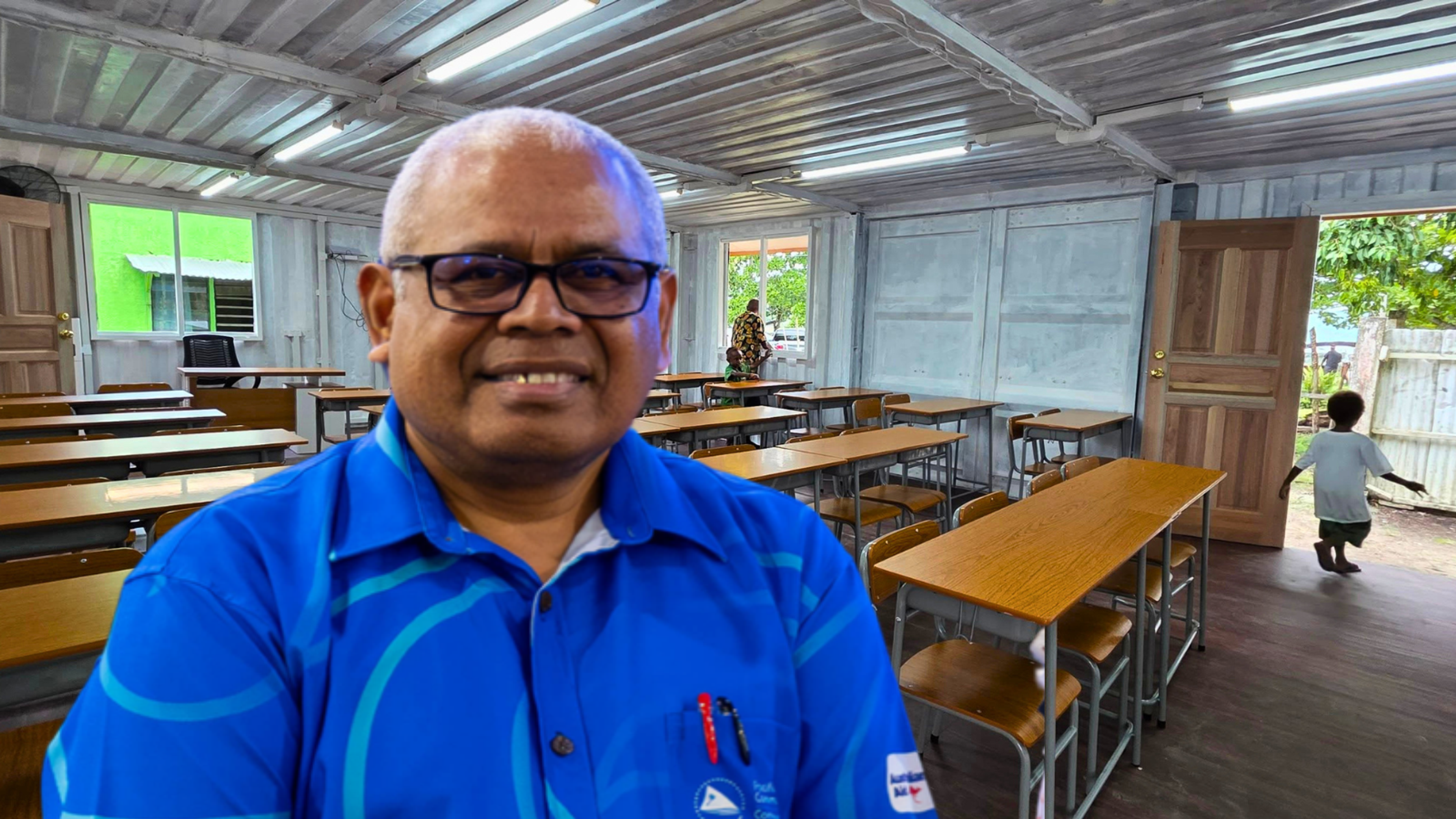
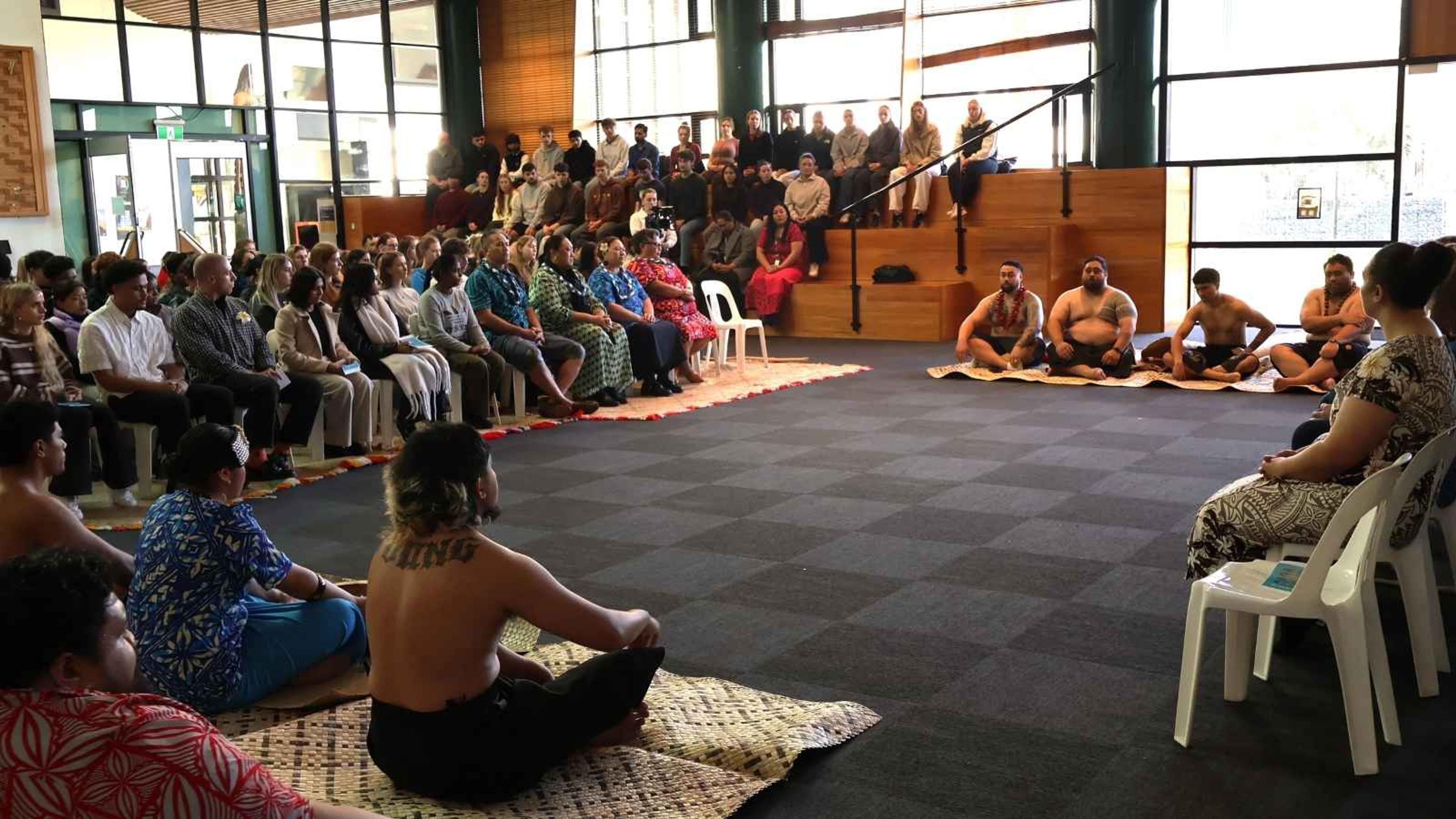
Pasifika partners, Ara ākonga (students) and kaimahi (staff) gathered to celebrate the programme's launch.
Photo/Ara Institute
Health
Pacific education and research leaders reshape health training to tackle inequities
From Christchurch to Dunedin, tertiary leaders are helping redesign how future health workers are trained and how research is carried out.

Aui'a Vaimaila Leatinu'u
Published
31 July 2026, 3:27pm
Share
Copy Link
Top stories
‘I made my own door’: The pro footballer who turned stigma into a global sock brand
Atutahi Potaka-DewesTue, 22 Sep
‘We’re so blessed’: Penrhyn community welcomes NZDF crews
Thomas Tarurongo WynneMon, 21 Sep

Treaty row grows after leaked message links funding and PM's no-confidence motion
Christine RovoiMon, 21 Sep
Top stories
‘I made my own door’: The pro footballer who turned stigma into a global sock brand
Atutahi Potaka-DewesTue, 22 Sep
‘We’re so blessed’: Penrhyn community welcomes NZDF crews
Thomas Tarurongo WynneMon, 21 Sep
Treaty row grows after leaked message links funding and PM's no-confidence motion
Christine RovoiMon, 21 Sep
Pacific communities are taking a bigger role in shaping how New Zealand trains future health workers and carries out research as two new initiatives aim to tackle long-standing health inequities.
The Ara Institute of Canterbury has launched a compulsory Pacific Culture and Health course for first-year Bachelor of Applied Science while the University of Otago has opened a new research laboratory that will work alongside Pacific communities to help set research priorities.
Together, the programmes mark a shift away from designing health education and research for Pacific people and towards building them with Pacific communities.
At Ara Institute in Christchurch, over 90 students have enrolled in the Level 5 Pacific Culture and Health paper, which was launched with an ava ceremony at Te Puna Wānaka.
The course introduces students to Pacific histories, migration, languages, and health frameworks while teaching the importance of vā in building respectful relationships with Pacific communities.
The learning continues through workplace placements in later years.
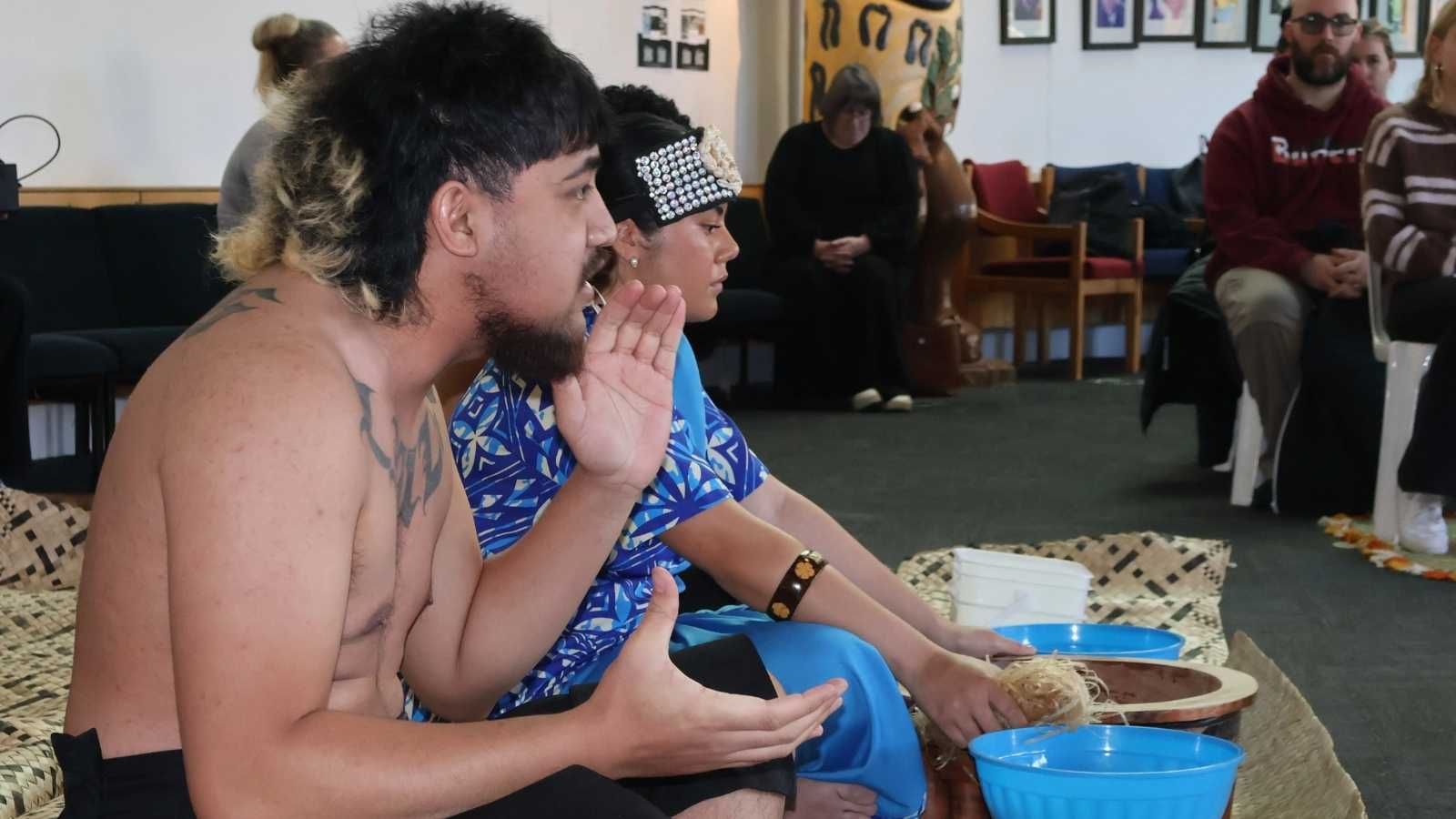
Ava ceremony at the Ara Institute’s programme launch. Photo/Ara Institute
Speaking with Khalia Strong on Pacific Mornings, Sua Tauti, Associate Director for Pacific Success at Ara Institute of Canterbury, says the course fills an important gap for students preparing to work in health.
“When you think about the industry that they're going into, they're going to be working with a lot of our Pacific people through our health promotion, sports science and nutrition,” Tauti says.
“So the aim for the course is to build confidence for all learners to engage with our Pacific communities the right way: respectful and valued.”
Watch Sua Tauti’s full interview below.
He says many students previously felt unsure about entering Pacific community settings, often asking what to wear or who they should approach first.
The programme was developed with Pacific community leaders and organisations, including Health New Zealand - Te Whatu Ora, Pegasus Health, Tangata Atumotu Trust, Vaka Tautua, the Ministry of Education and the Ministry for Pacific Peoples.
Its launch comes as Pacific communities continue to face barriers to healthcare.
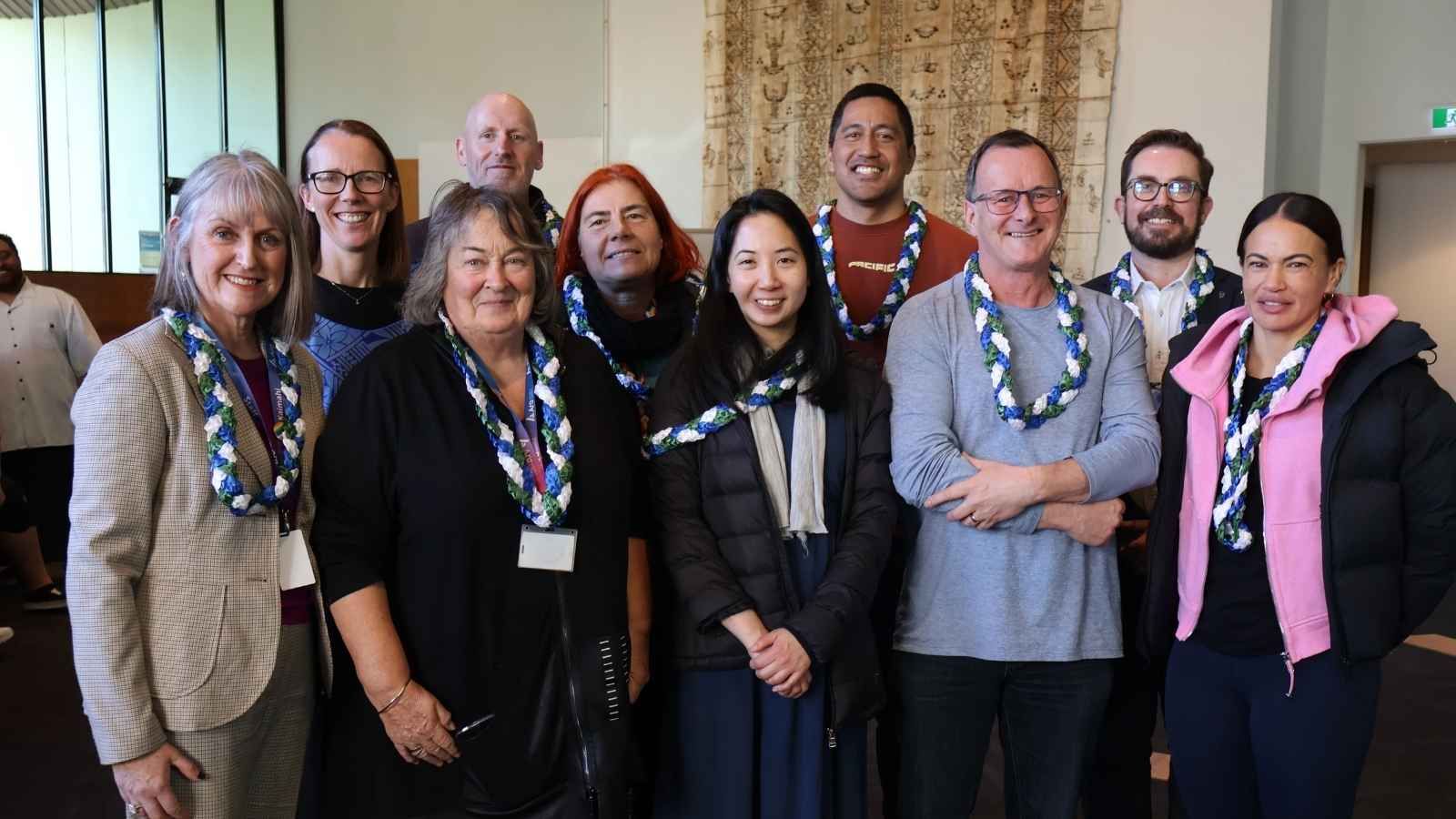
Ara Institute Applied Sciences kaimahi (workers). Photo/Ara Institute
The Ministry of Health's 2024/25 New Zealand Health Survey found that 25.1 per cent of Pacific adults did not visit a GP because of cost.
Meanwhile, the University of Otago has opened the Cause Collective Research Laboratory, bringing together researchers, students and community partners to co-design projects in areas such as health, housing and social policy.
Speaking with Khalia Strong on Pacific Mornings, laboratory coordinator Dr Iki Uele said the space gives Pacific communities a stronger voice in research.
“For me, this laboratory means Pacific communities now have a space where their voices, their experience, their aspirations can generally shape research,” Uele says.
Watch Dr Iki Uele’s full interview below.
In a media release, Lisa Taylor-Haleck-Helu, Pasifika health advisor and cultural humility educator, calls the new course a game changer for the sector.
“The reality is that many of the complexities Pacific communities experience are not always well understood through a traditional Western lens," Taylor-Haleck-Helu says.
"If we want people to provide the best possible care and support, they first need a deeper understanding of the communities they're working alongside.”
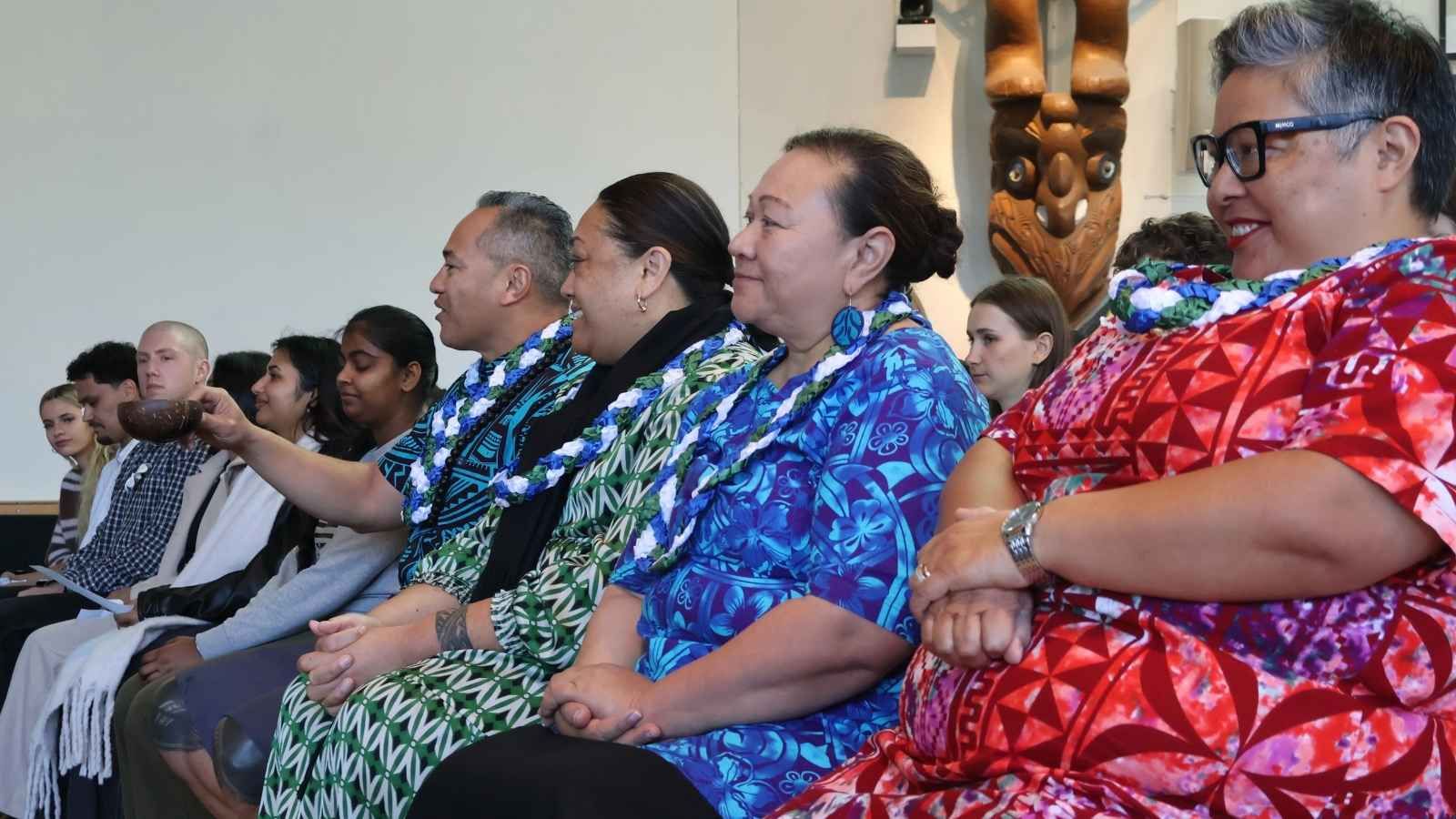
Ara Institute Pacific Culture and Health programme launch audience. Photo/Ara Institute
Uele said working alongside communities from the beginning would help ensure research reflects Pacific realities and produces practical solutions for issues such as family wellbeing, oral health, and housing.
Together, the two initiatives reflect a growing push to ensure Pacific knowledge and lived experience help shape both the people entering New Zealand's health workforce and the research that influences future policy.