Online vault aims to return Pacific research to the community
Aui'a Vaimaila Leatinu'uWed, 21 Oct
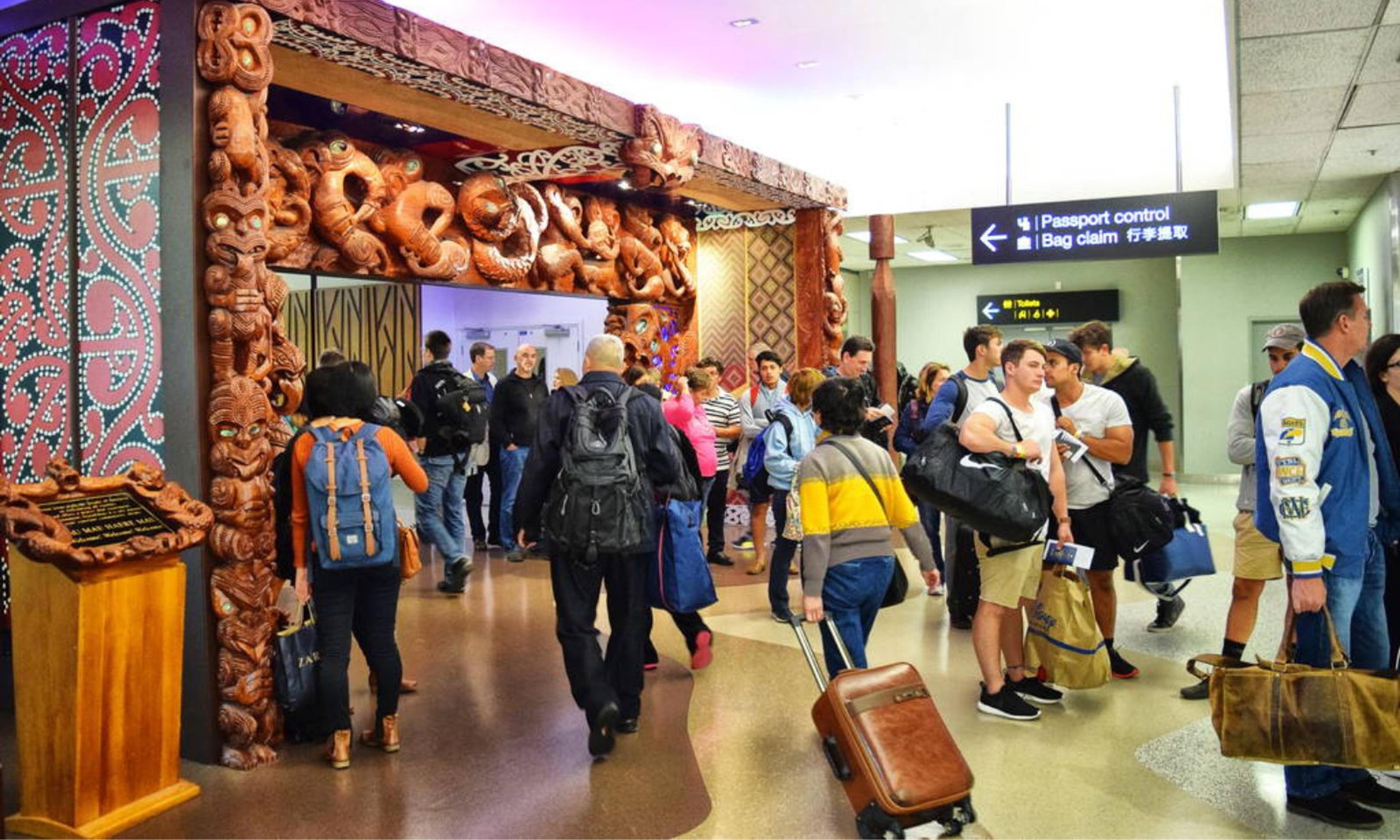
New Zealand and Australia are considering ways to make trans-Tasman travel more seamless, including the use of digital credentials and biometric technology.
Photo/NZ Pocket Guide/file
The industry supports a faster digital airport experience but travellers will still need a valid passport under National’s proposed system.




A proposed paperless travel system between New Zealand and Australia could make crossing the Tasman faster but travellers should not pack away their passports just yet.
National says a re-elected government would work with Australia to trial a fully digital travel process before the 2028 International Cricket Council (ICC) Men’s T20 World Cup.
The plan would allow eligible New Zealand and Australian passport holders to provide their details digitally before travelling then use smartphones, digital credentials, and biometric technology through more of the airport journey.
Julie White, chief executive of the Travel Agents Association, says the industry supports the move but warns the details of how it is introduced will matter.
“Look, I think this is a great step forward. It will be really welcomed by travellers especially if it creates a more efficient, seamless experience at the airport,” she told William Terite on Pacific Mornings.
White says other countries have shown that new border technology can come with problems during the rollout.
Listen to Julie White's full interview below.
“EU [European Union] rolled out their biometrics and this is a great example that our government and the Australian government should keep in mind is that the tech piece failed when they first rolled it out and we, some of our travellers, were caught out in a four-hour delay.”
That experience, she says, shows why implementation will be important.
“So that's where our messaging is that we think it's a really great step forward. But the devil will be in the detail and especially around implementation.”
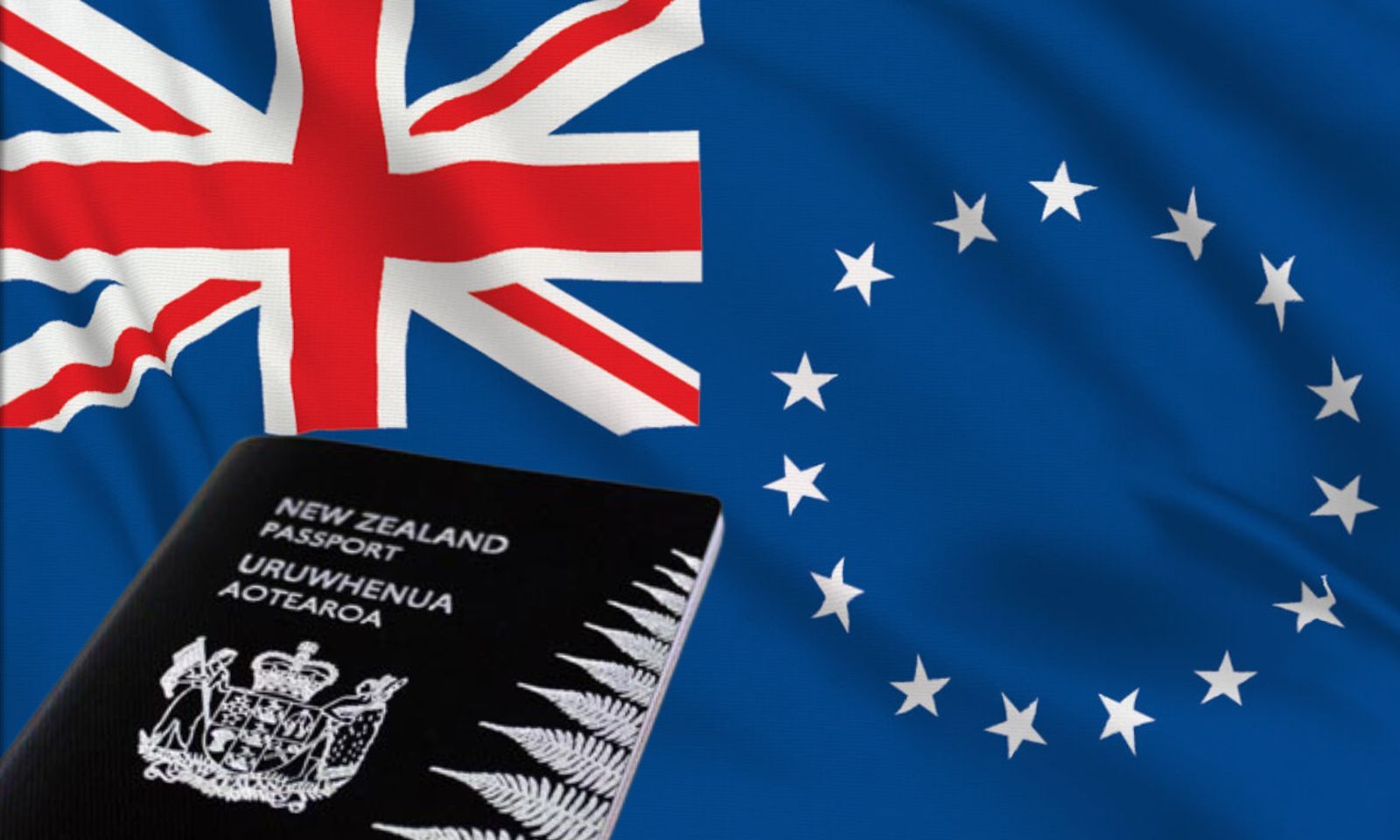
Travellers would still need a valid New Zealand passport under the proposed paperless trans-Tasman travel system. Photo/PMN News composite
One point White wants travellers to understand is that paperless travel does not mean passport-free travel.
“You still need a valid passport. You don't actually have to now physically pull out your passport.”
Travellers would still need to hold a valid passport with their travel and passport details provided digitally before departure.
National says the proposed system would initially operate through Auckland, Wellington, Christchurch and Queenstown airports while existing customs and biosecurity requirements would remain.
Travellers could still be referred for further checks if there was an issue with their identity, passport, or declarations.
White says the system could eventually go beyond airports including digital customs clearance for cruise passengers. “We're thinking that perhaps this could be extended to our cruise industry and having clearing customs digital.”

Auckland Airport is among the four New Zealand airports where National says a digital trans-Tasman travel trial could initially operate. Photo/RNZ
White was also asked whether similar technology could eventually be extended to Pacific island countries such as the Cook Islands and Niue.
White says that would depend on each country's technology and capacity.
“It definitely takes two countries to actually get this off the ground. So it really will be a matter for those other countries to, you know, think about when they're going to launch this digital capability.”
Pacific families are also pushing for fewer barriers to travel between Aotearoa and the Pacific.
Labour deputy leader and Pacific spokesperson, Carmel Sepuloni, told Terite last month that visa requirements can make it costly and difficult for Pacific families to reunite.
“Those of us who have ever been in the position where you've needed to sponsor family members to come over from the Pacific, well, we know that it's costly.
Watch Carmel Sepuloni's full interview below.
"It takes time to complete the administration, and there's never the guarantee that they're going to get approved, or that they're going to get approved on time for whatever the occasion is that you want them to travel for.”
Sepuloni said Labour's proposed electronic travel authority would make movement between Pacific countries and Aotearoa easier.
“It just makes the flow of traffic between our people, our family much more seamless.”
She said the proposal was also intended to strengthen New Zealand's relationship with Pacific countries.
“So there's certainly the foreign policy side to this. There's, of course, the immigration policy side to this. And then for me, as our senior Pacific MP, Deputy Leader of the Labour Party, and Pacific spokesperson, there is, of course, a Pacific people's side to this.”
Other parties have also backed changes to make travel between Aotearoa and the Pacific easier, while proposing different approaches.
Listen to Anae Arthur Anae's full interview below.
Former National MP and Pacific community advocate Anae Arthur Anae has also been campaigning for visa-free travel for Pacific visitors.
After Labour announced its visa-waiver proposal last month, Anae told Terite: “Pacific people have been mistreated for too long.”
ACT leader David Seymour has also backed a trial approach to easier travel for Pacific people, saying visa-free access should operate under the same rules for all countries.
“You don't want discrimination, you just want a fair deal where every country gets treated the same,” he said.
Green MP Teanau Tuiono has previously backed broader visa-waiver access for Pacific nationals, saying it would strengthen New Zealand’s relationship with its Pacific neighbours.
“It would show that we're serious about being part of a family of Pacific nations and I think that's important for us to support.”
Watch ACT leader David Seymour's full interview below.
The proposal comes as parties campaign ahead of the 7 November election.
The PMN-Horizon Research Pacific Issues Election Survey found cost of living is the biggest issue for Pacific voters with nine in 10 saying it will influence their vote. Jobs and wages, health, and housing also ranked highly.
National says its travel proposal is aimed at making trans-Tasman travel easier and supporting tourism but the plan would require cooperation from Australia.
Labour leader Chris Hipkins has said work on making trans-Tasman travel more seamless has continued across successive governments.
Listen to Teanau Tuiono's full interview below.