Winning the battle but losing the people: A Pyrrhic victory?
Thomas Tarurongo WynneWed, 11 Nov
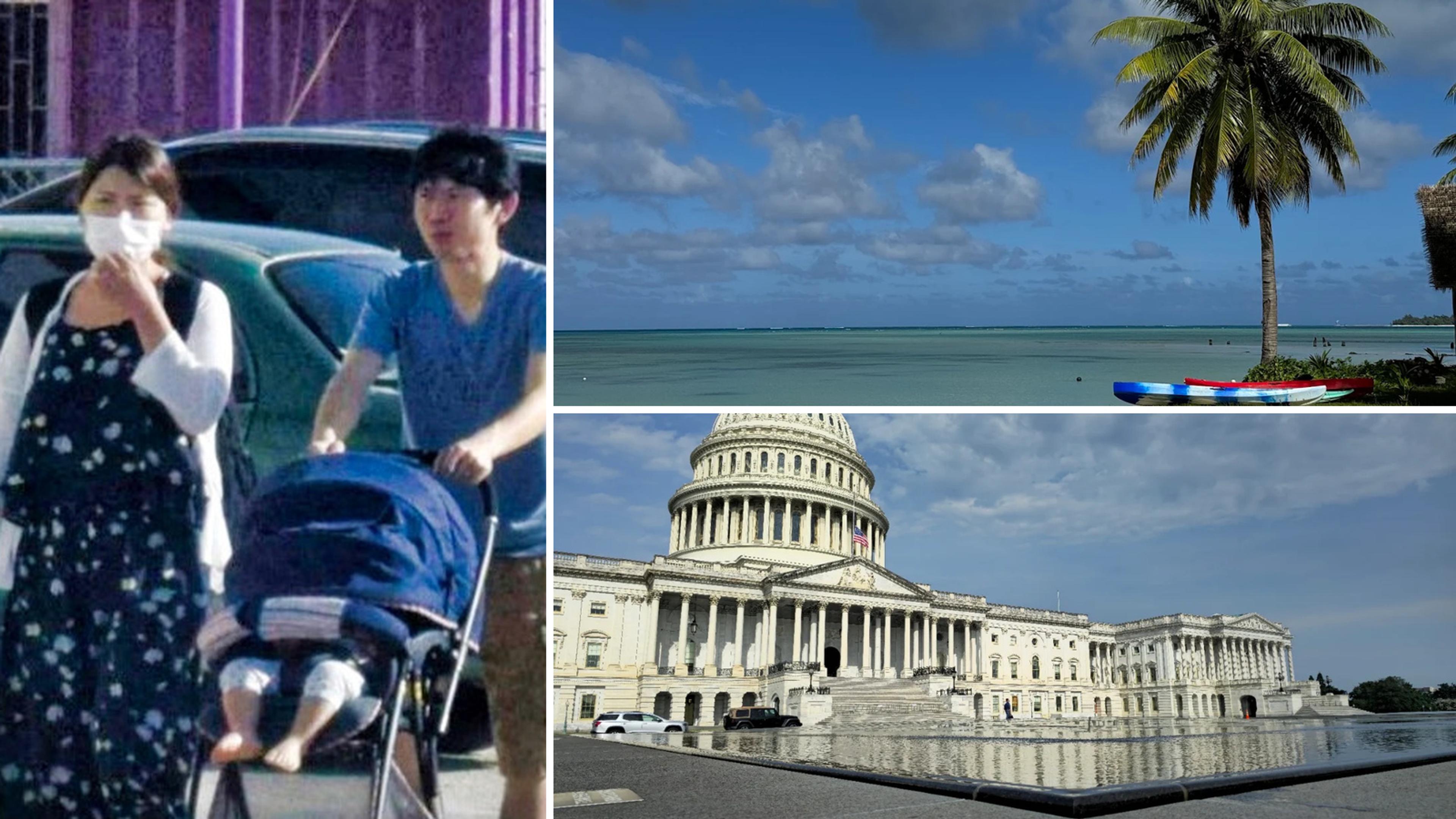
A new US Senate bill could change the citizenship rights of some children born in America's Pacific territories.
Photo/PMN News composite
A new Senate bill would change who qualifies for US citizenship by birth in the territories amid warnings maternal health is already under pressure.


The fight over birthright citizenship in the United States has reached the Pacific.
Guam and the Northern Mariana Islands are now caught up in a push in Washington to change who can automatically become a US citizen at birth.
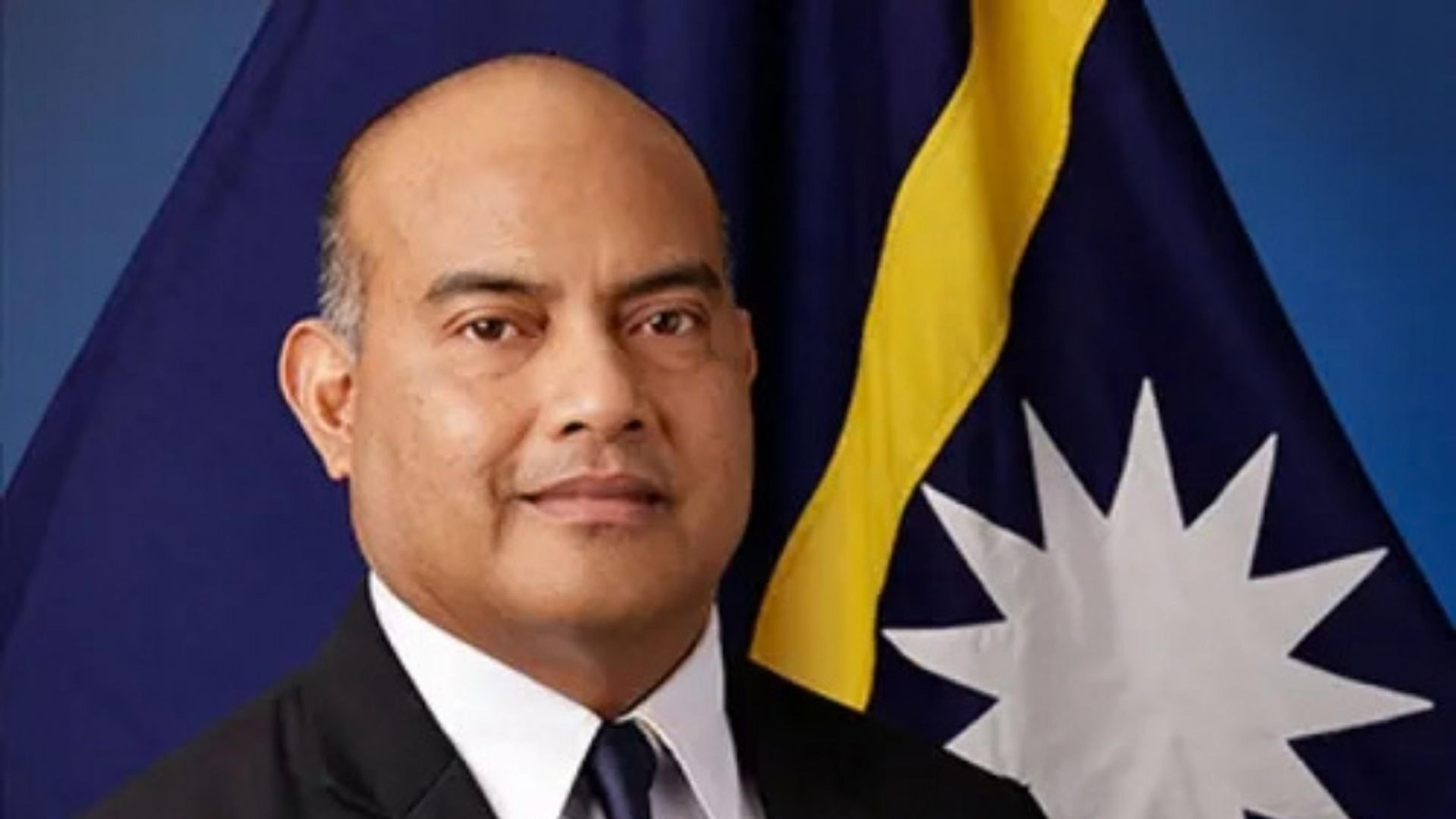
Republican Senator James Lankford has introduced a new Senate bill that would exclude some children born in US territories from automatic citizenship.
This includes efforts already under way in the US House and the Trump administration.
The proposed law would apply to a child whose mother was not lawfully present in the territory and whose father was neither a US citizen nor a lawful permanent resident.
It would take effect immediately if passed.

US Senator James Lankford, who has introduced a bill seeking to restrict birthright citizenship for some children born in US territories. Photo/Facebook/James Lankford
The move comes despite a recent US Supreme Court ruling, Trump v Barbara, which, according to the report, upheld birthright citizenship and said neither the President nor Congress could unilaterally change constitutional citizenship guarantees.
The debate is also raising questions about whether Washington is trying to solve a problem that has already sharply declined in the region.
The political ground has shifted since the midterm elections with Republicans losing control of Congress. That could make it much harder for Lankford's bill to become law, although the fight over birthright citizenship is unlikely to disappear from Washington's agenda.

The US Capitol following the midterm elections, which have changed the political balance in Washington and could affect the prospects of legislation on birthright citizenship. Photo/SkyNews/screengrab
In the Commonwealth of the Northern Mariana Islands, official hospital data shows there were just 47 tourist births in 2025, down about 92 per cent from 581 in 2018.
Tourist births now make up only a small share of total deliveries in the US Pacific territory.
Much of the political debate has focused on claims of Chinese nationals travelling to Saipan to give birth so their children can obtain US citizenship.
But Dr Thomas Shieh, an obstetrician and gynaecologist in Guam, says the focus should not come at the expense of local mothers.
Shieh says he does not take on birth tourism patients but will help tourists who arrive without intending to give birth and need medical care.
“Our resources on Guam for maternal care are bad. The issue at hand is the lack of access to prenatal care on Guam,” he told the Pacific Island Times. “If I wanted to do just birth tourism, none of my patients would have access to prenatal care.

Guam obstetrician and gynaecologist Dr Thomas Shieh says the territory's bigger concern is access to prenatal care for local mothers. Photo/Supplied
“I don’t actively engage in birth tourism. My focus is on our local moms. If there are tourists who come in without the intent to deliver and I get called by hotels to help, I will help, but I do not actively engage in birth tourism," he said.
He says the wider debate should not be framed as an attack on US territories or people who legally travel to them.
“My parents immigrated to the U.S legally and did it the right way. Those who criticise have not offered good solutions.
"That said, let the debate continue, and I will get back to my mission here on Guam for our moms and their babies.”
The legislation also raises a constitutional and political question for the CNMI because of its special relationship with the United States.
The Covenant between the US and the Northern Mariana Islands requires mutual consent for changes affecting their political relationship. It was unclear whether CNMI leaders had been consulted before the legislation was introduced.
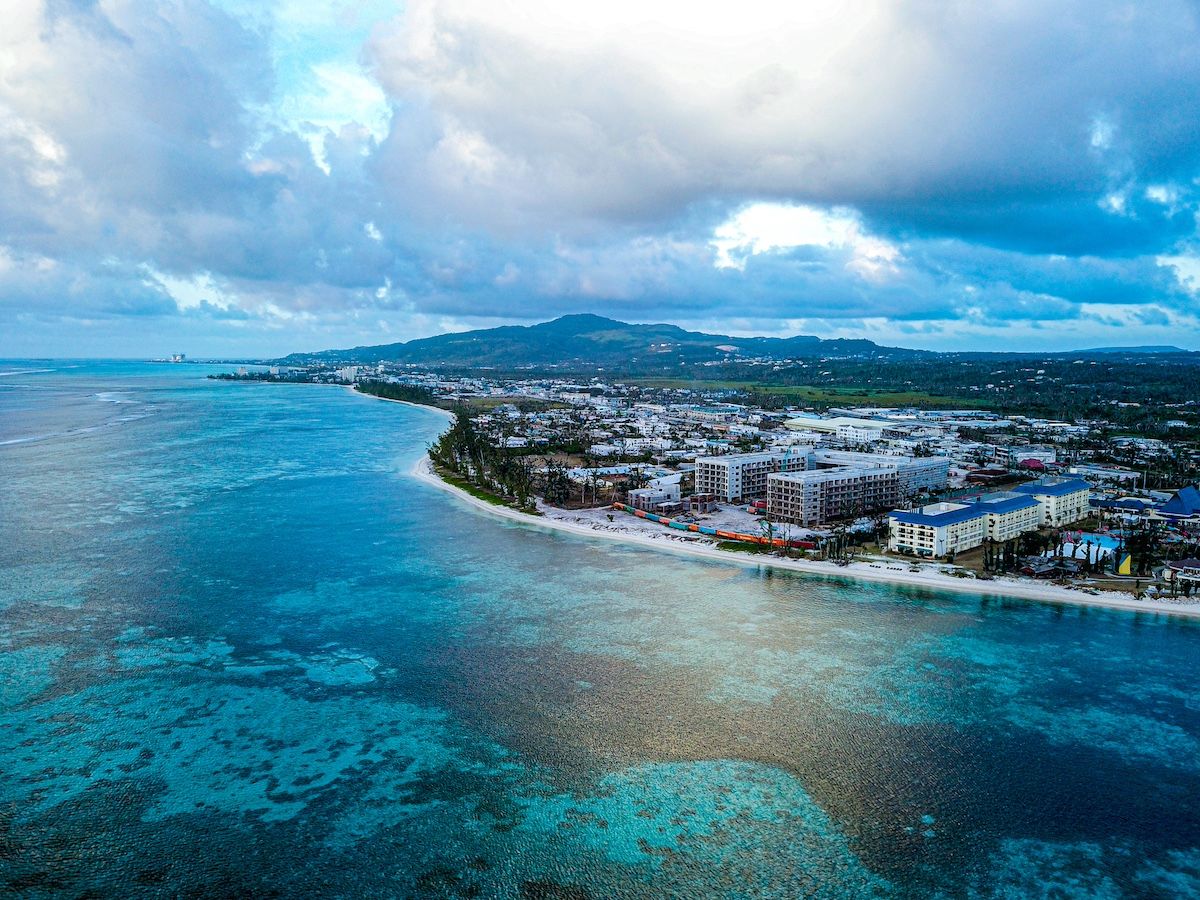
The Northern Mariana Islands, where tourist births have fallen by about 92 per cent, from 581 in 2018 to 47 in 2025. Photo/dlnr.cnmi.gov
Civil rights advocates are challenging the idea that citizenship for people born in US territories can simply be treated differently.
“This effort to redefine who is a citizen by birth in US territories is a disturbing trend built on the assumption that citizenship rights for those born in US territories are not constitutionally protected the same as for those born in other parts of the United States,” Neil Weare, co-director of Right to Democracy, said.
The citizenship debate is unfolding against another major demographic challenge facing the US territories.
A new US Census Bureau projection released this month estimates that American Sāmoa could lose 61 per cent of its population by 2100 while Guam is projected to lose 38 per cent and the Northern Mariana Islands 17 per cent.
The Census Bureau attributes the projected declines to falling birth rates and continued outmigration as more people leave the US Pacific territories than move in since 2000.
Adi Martínez-Román, Right to Democracy co-director, says the projections should force a rethink of the territories' relationship with Washington.
“These Census projections predicting a continued dramatic loss of population in U.S territories are a striking indictment against the status quo relationship with the federal government. Unilateral federal decision making does not serve our interests.”
Weare says the population decline reflects pressures that are already affecting people living in the territories. “No one should have to leave their home and loved ones just to make ends meet or receive the medical care they need.”
He says the birthright citizenship debate is therefore unfolding alongside a much wider question about the future of Guam and CNMI communities including who gets to make decisions about their rights, services and political relationship with Washington.
And whether Washington can change those rules without the consent of the Pacific communities directly affected.