

Pacific Tourism Organisation chief executive Chris Cocker says tourism levels are improving as visitors flock to the Pacific region.
Photo/Composite
Pacific Region
Record NZ travel puts Pacific tourism in strong position - SPTO
Family ties, pent-up demand and the Pacific’s short-haul appeal are helping keep New Zealand one of the region’s biggest tourism markets.

Khalia Strong
Published
18 September 2026, 2:24pm
Share
Copy Link



Record numbers of New Zealand-resident travellers are returning from Pacific destinations with the Cook Islands and Tonga recording their highest totals yet.
Stats NZ figures show 118,000 New Zealand-resident traveller arrivals from the Cook Islands in the year to July, a record for any July year.
Tonga also reached a new high with 30,000 New Zealand-resident travellers returning over the same period.
The figures measure arrivals back into New Zealand rather than visitor arrivals into the Pacific, but they give an indication of the strength of travel between New Zealand and its Pacific neighbours.
Chris Cocker, Pacific Tourism Organisation Chief Executive, says New Zealand remains one of the region’s most important source markets, with family and cultural connections playing a major role.
“There’s a very strong VFR market, visiting friends and relatives, from the diaspora here in New Zealand,” Cocker tells William Terite on Pacific Mornings.

Many of the international arrivals come through Auckland Airport. Photo/File
He says New Zealand’s share of the Pacific tourism market has grown from about 22 per cent in 2019 to 25 per cent.
Australia remains the region’s largest source market at 36 per cent, followed by New Zealand and the United States at 15 per cent.
Cocker says some of the growth is also being driven by pent-up demand after Covid-19 while the Pacific remains an easier short-haul option as global events affect travel to other parts of the world.
Listen to Chris Cocker's full interview below.
“People see the Pacific as a safe option, given what’s happening around the world,” he says.
The latest monthly figures show that demand is continuing. In July, 14,300 New Zealand-resident travellers returned from the Cook Islands, a record for any month, while 9100 returned from Sāmoa, the highest number recorded for a July month.
Fiji accounted for nine per cent of all New Zealand-resident traveller arrivals in July, behind Australia on 37 per cent.
But Cocker says strong demand is only part of the picture.
The region continues to face high travel costs, limited air links, workforce shortages and a lack of accommodation during peak periods.
“The Pacific is not very well connected, our main hub is still Fiji for entry into the Pacific,” he says.
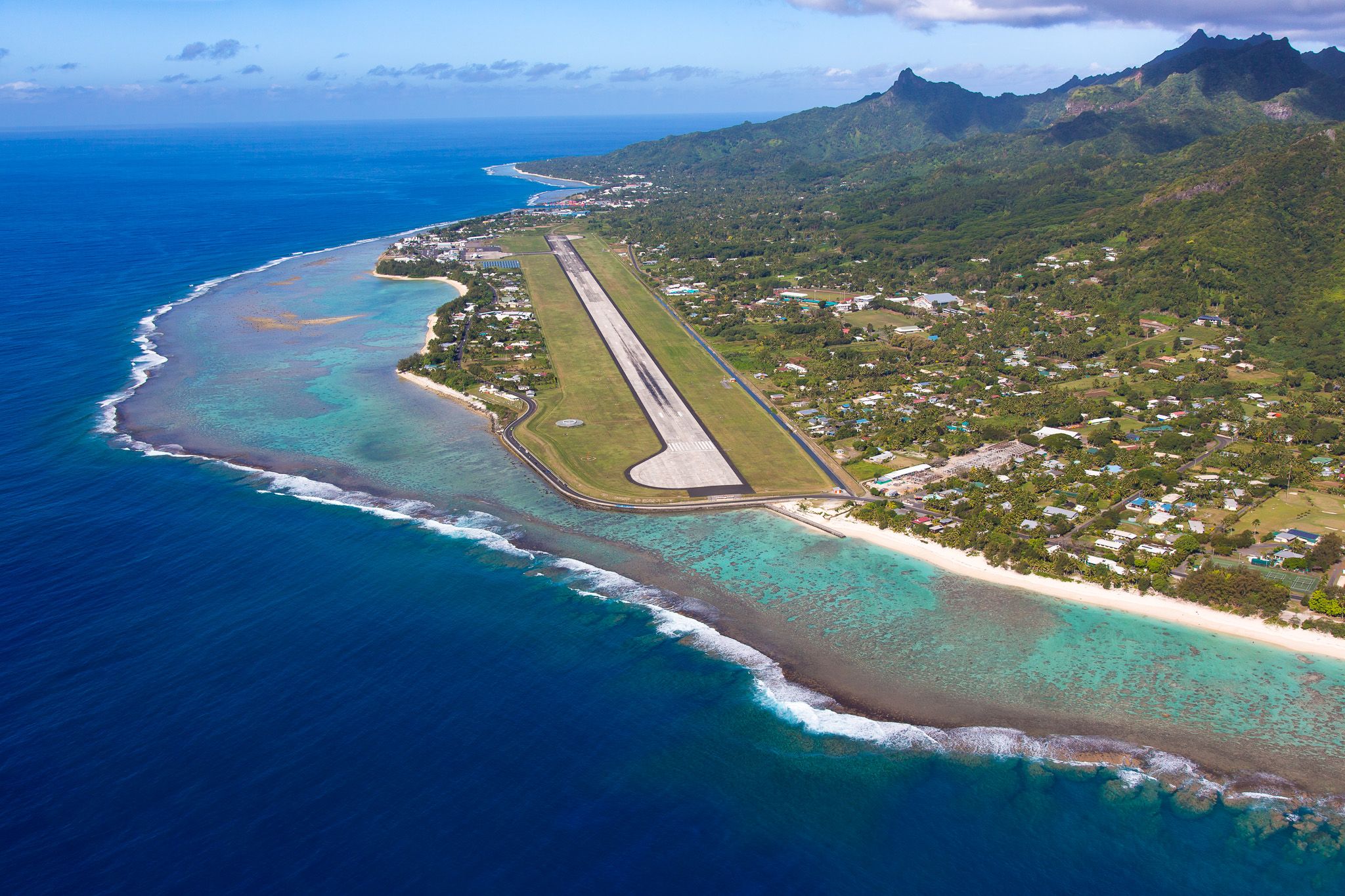
Rarotonga International Airport. Photo/File
“Sometimes during peak periods, there’s no accommodation for tourists, particularly during December when all the diaspora are travelling to some of our islands.”
He says more flights between New Zealand and Pacific destinations would help the region make the most of the growing demand.
That comes as international airfares in New Zealand continue to rise. Stats NZ reported a 4.3 per cent increase in international airfares in August, with prices up 21.5 per cent in the year to August.
Nicola Growden, Stats NZ prices and deflators spokesperson, says the monthly increase was driven mainly by higher fares to Europe and Asia.
Meanwhile, the wider New Zealand tourism market is recovering, with 256,600 overseas visitor arrivals recorded in July and 3.69 million in the year to July.
Tourism and Hospitality Minister Louise Upston says the results are a “positive step” towards the Government’s goal of doubling the value of tourism exports by 2034, “supporting businesses, jobs, and our local communities”.

Passengers collect their luggage at Fiji Airport, 2025. Photo/File
Cocker says the challenge now is making sure airlines, accommodation, workers and other infrastructure can keep pace with the people wanting to travel.
New Zealand is already a major part of that demand, but the next challenge is making sure Pacific destinations have the connections and capacity to turn that interest into long-term tourism growth.