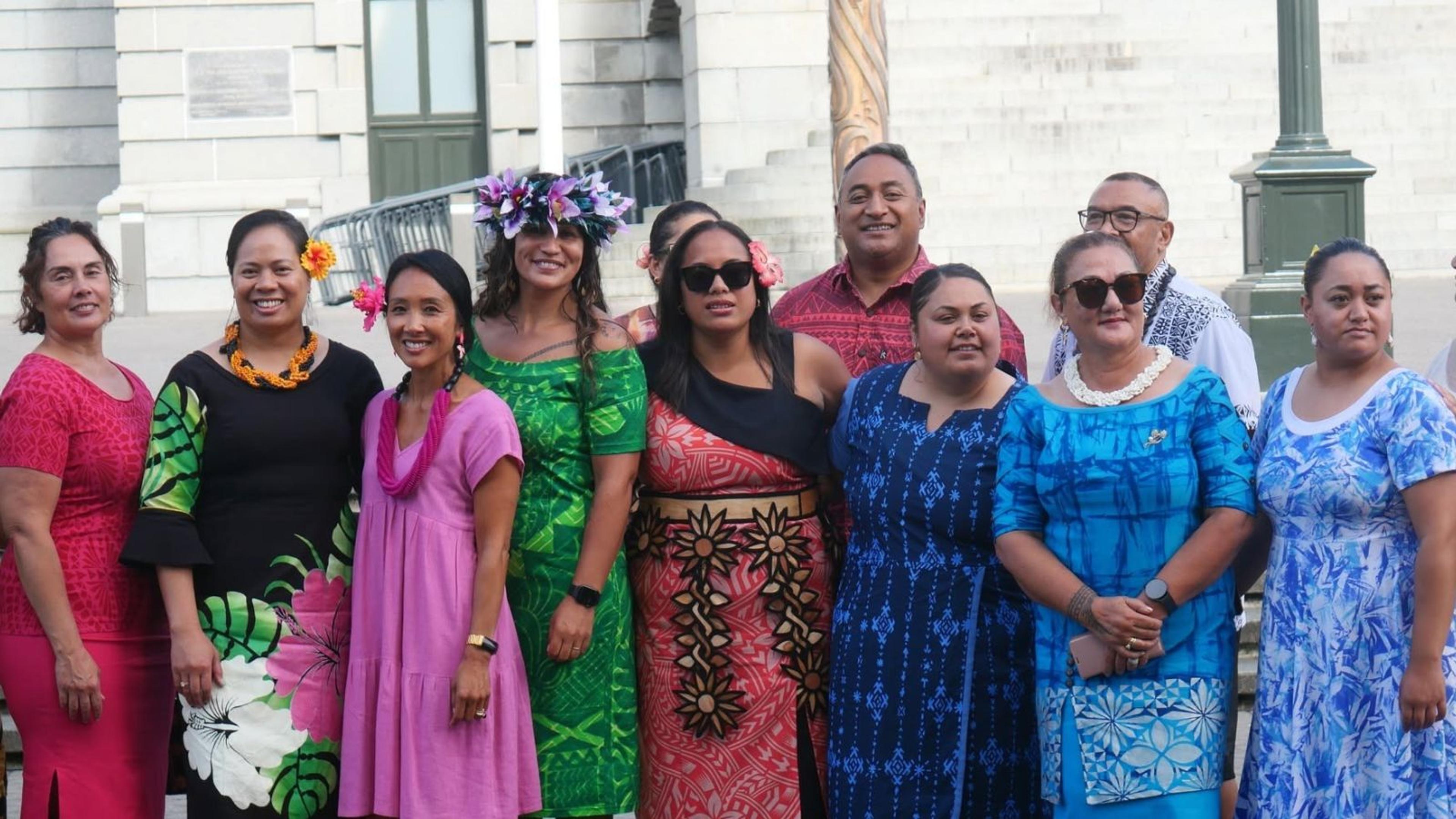
Pacific people gather at Parliament to deliver a Visa Free travel petition. Signed by nearly 50,000 people.
Photo/Facebook/Pacific Justice
Election
Pacific visa access has become an election battleground as NZ First challenges Labour
Winston Peters questions what Labour’s proposed visa waiver would mean for Pacific families while an academic says voters should scrutinise election promises.

Thomas Tarurongo Wynne
Published
22 September 2026, 12:26pm
Share
Copy Link
Top stories
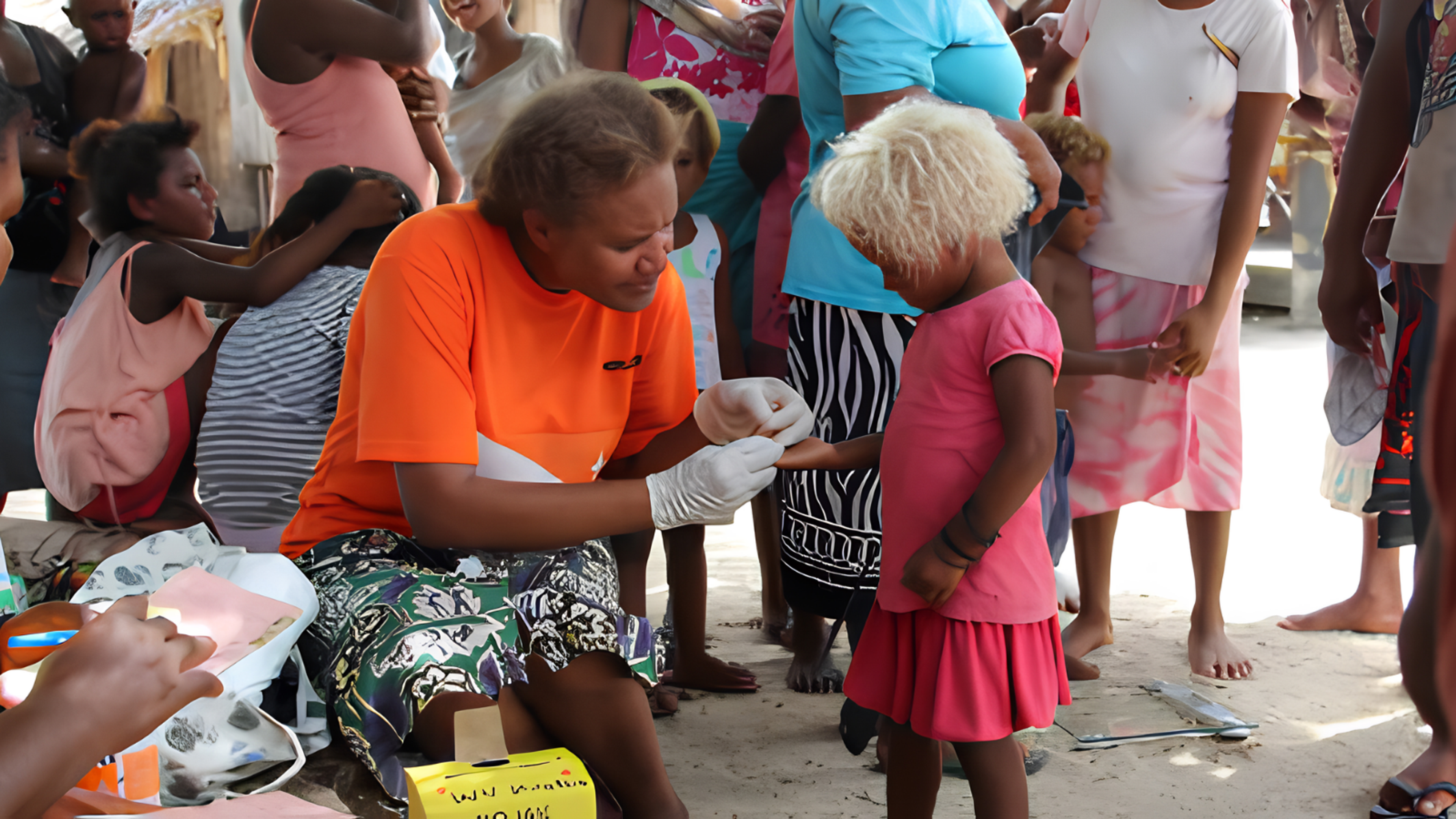
World Vision warns children will pay for aid cuts beyond the Pacific
Thomas Tarurongo WynneMon, 12 Oct
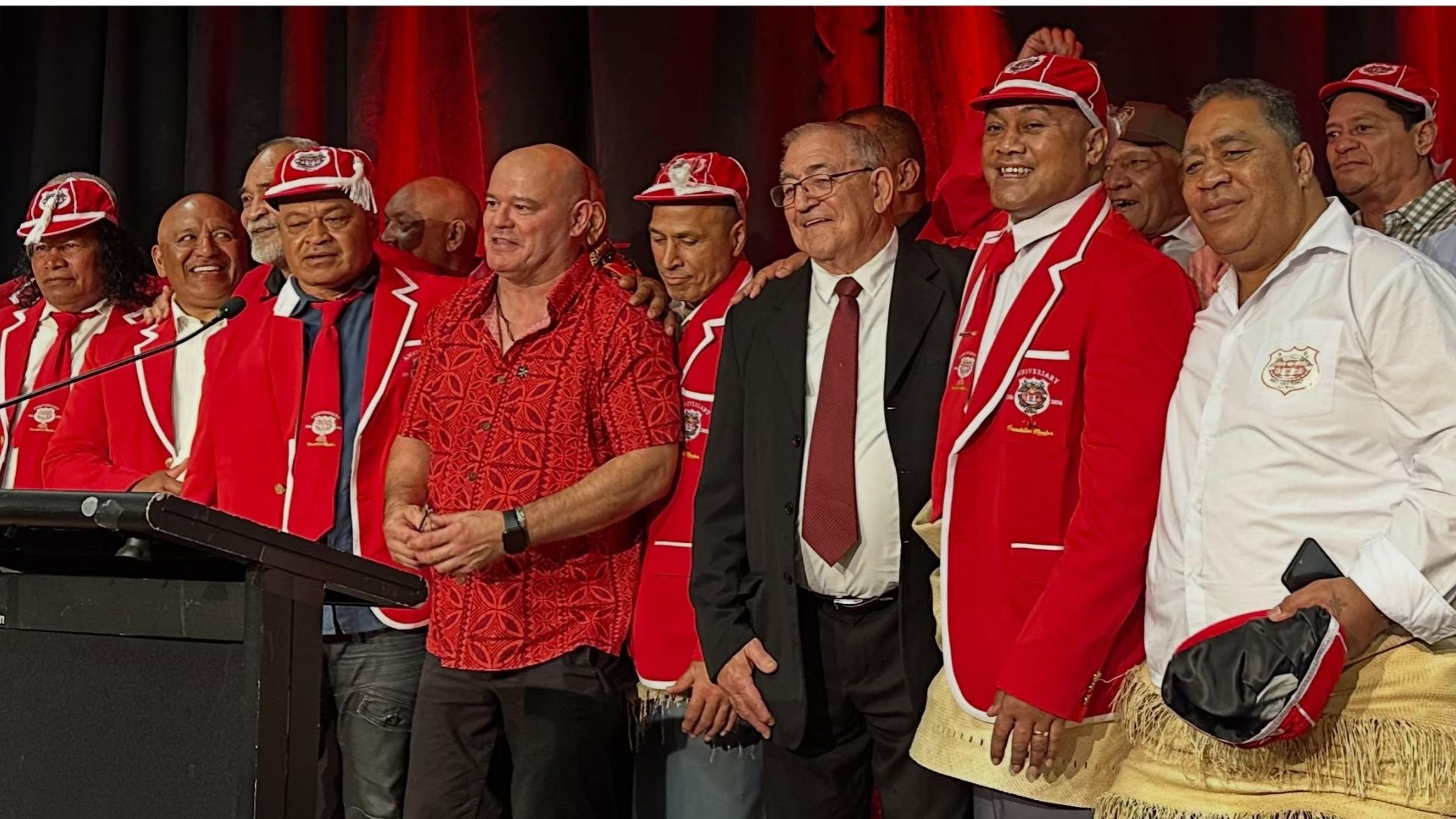
Mate Ma’a Tonga’s 40-year legacy lives on through generations
Elton Lonaratha JnrMon, 12 Oct

David Seymour wants tougher welfare rule as Labour targets hidden costs in 2026 election
Thomas Tarurongo WynneFri, 09 Oct
Top stories
World Vision warns children will pay for aid cuts beyond the Pacific
Thomas Tarurongo WynneMon, 12 Oct
Mate Ma’a Tonga’s 40-year legacy lives on through generations
Elton Lonaratha JnrMon, 12 Oct
David Seymour wants tougher welfare rule as Labour targets hidden costs in 2026 election
Thomas Tarurongo WynneFri, 09 Oct
Pacific visa access is becoming a key election issue with New Zealand First leader Vaovasamanaia Winston Peters challenging Labour’s promise to expand visa-waiver travel for Pacific Islanders.
Peters says NZ First has already committed to easing visa access and has questioned Labour’s pledge, saying it lacks detail on how the policy would work.
"They say they'll expand the visa waiver panel to Pacific Island citizens. Look at the press statement and tell me, where's the policy? They're going to want to know in the islands, yes, what does that mean?" Peters told William Terite on Pacific Mornings.
Labour announced last week that it would expand visa-waiver access to citizens of Pacific Islands Forum countries, saying the change would make it easier and more affordable for Pacific families to visit loved ones in New Zealand.
Peters says NZ First wants the Immigration portfolio if it is part of the next coalition government, arguing this would give the party confidence its policies would be delivered.
That promise comes against a backdrop of concern about whether political parties understand Pacific communities.
Watch Winston Peters' full interview below.
The PMN-Horizon Research Pacific Issues Election Survey found 59 per cent of Pacific respondents said NZ First did not understand Pacific communities well.
"I'm confident we'll get the sentiment across the line and policy across the line, but I'm saying at the same time, we want the portfolio,” Peters said. “That's our only confidence that it'll be done properly."
The competing proposals come after NZ First announced a two-year clemency period for Pacific people who have overstayed their visas.

Competing proposals come after NZ First announced a two-year clemency period for Pacific people who have overstayed their visas. Photo/RNZ /Yiting Lin
Under the policy, Pacific overstayers would have 24 months to apply to remain in New Zealand legally on a valid visa. NZ First says the policy would apply only to overstayers of Pacific origin.
Peters says he has also spoken with Pacific leaders who are concerned about the impact of making it easier to move to New Zealand.
"They're very, very worried about depopulation," he says. "So we're going to have to handle this carefully so we don't offend our Pacific neighbours."
He says the approach should recognise the relationship between New Zealand and Pacific countries.
"Cousins can treat cousins fairly and cousins don't rip each other off," he says.
Dr Suliana Mone, from the University of Auckland Law School, says voters should look beyond campaign announcements and consider parties’ records.
Watch Dr Suliana Mone's full interview below.
"You kind of need to look at what promises have been made before by particular parties and then track the record of honouring those promises," she told Terite.
Mone says coalition negotiations can also change what parties are ultimately able to deliver.
"Some policies might need to be narrowed, and some even completely traded off and put aside in order for particular political parties to form a coalition government."
She says there is no legal mechanism to force a government to deliver an election promise.
"I think the legal mechanism we have, the accountability mechanism, is voting at the next election," she says.
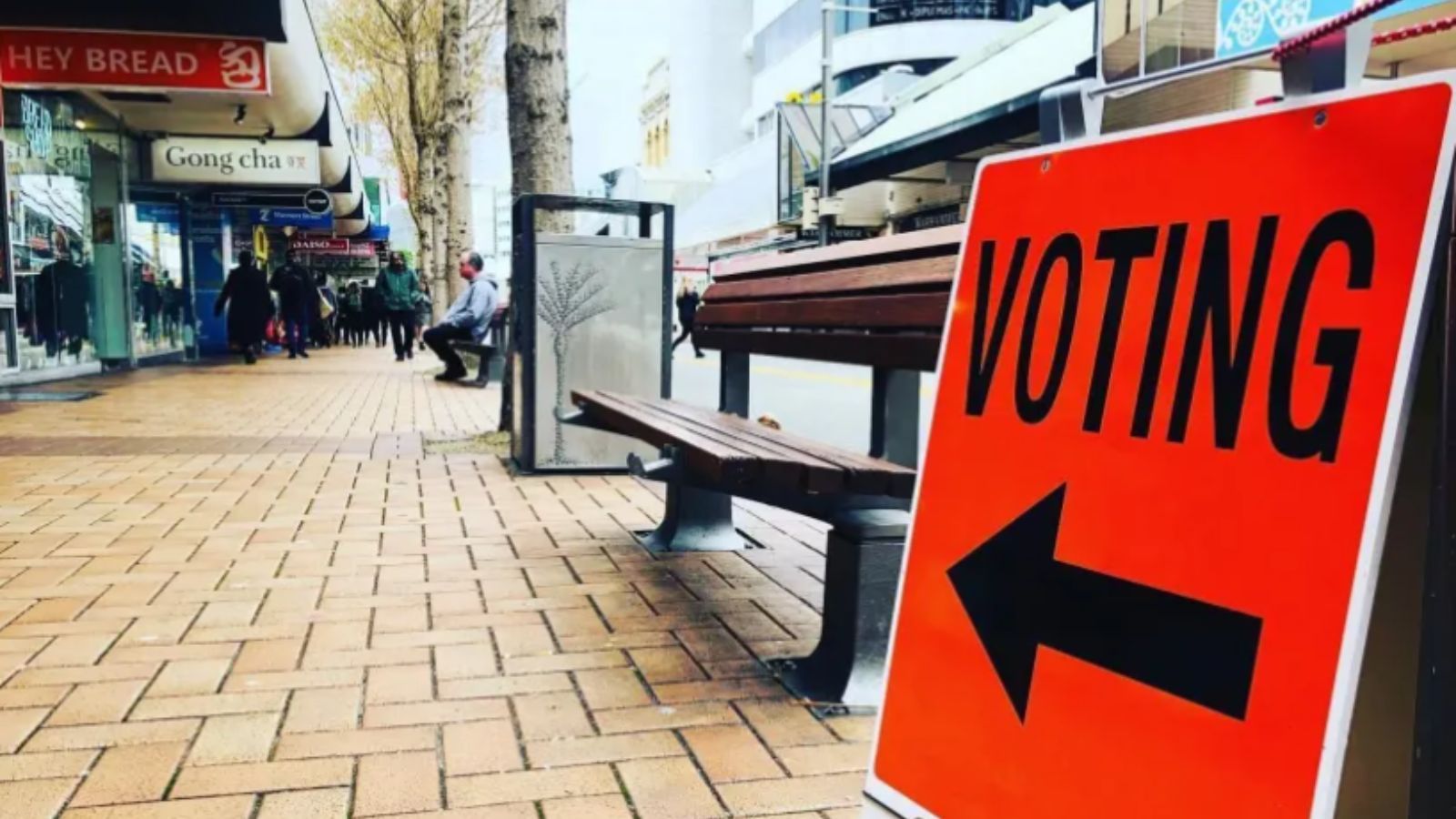
The legal mechanism we have, the accountability mechanism, is voting at the next election. Photo/VNP/Daniela Maoate-Cox
Mone says Pacific communities should continue engaging with politicians after the election and hold them to the commitments made during the campaign.
"We need to keep people in government accountable for the promises they make during election campaigns."
The election is on 7 November with advance voting beginning on 26 October.