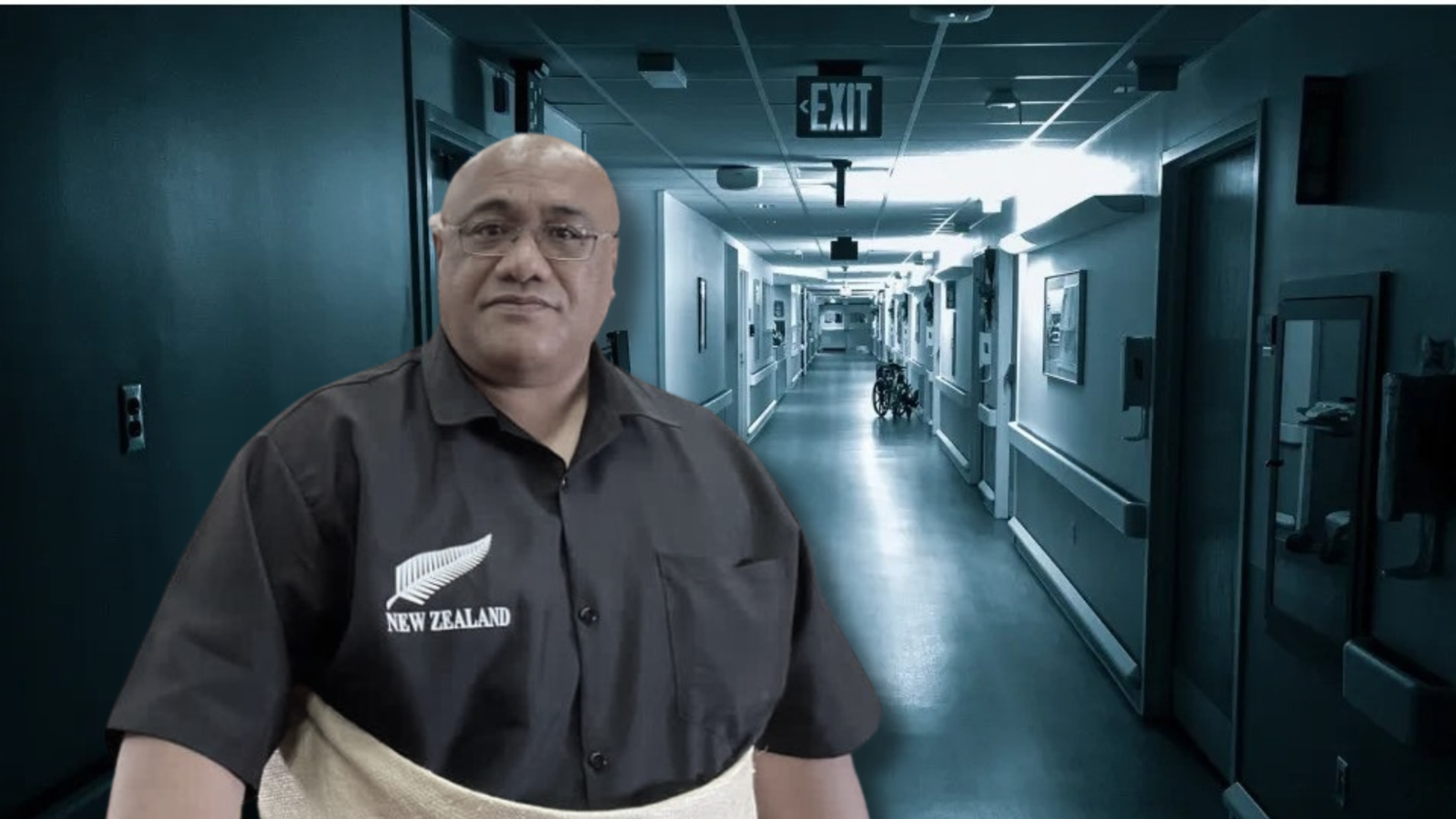
We need system change and transformation and we need it urgently because it's life or death,said Matua Collectives, Pakilau o Aotearoa Manase Lua
Photo/PMN News/Composite
Health
Pacific health needs more than election promises - adviser
Pakilau says voters should weigh three priorities when deciding who to support at the 7 November election: wellness, wait time and workforce.

Thomas Tarurongo Wynne
Published
09 October 2026, 3:46pm
Share
Copy Link
Top stories

Deep sea mining could give investors a legal route to challenge climate action - experts
Christine RovoiThu, 08 Oct
'Cheap as chips' but Pacific families face big barriers to treating gout
Thomas Tarurongo WynneThu, 08 Oct
Top stories
Deep sea mining could give investors a legal route to challenge climate action - experts
Christine RovoiThu, 08 Oct
'Cheap as chips' but Pacific families face big barriers to treating gout
Thomas Tarurongo WynneThu, 08 Oct
Pacific communities are under growing pressure and a health system change is urgently needed to prevent more people becoming seriously ill before they can get help, a Pacific health adviser says.
"We need system change and transformation and we need it urgently because it's life or death," Pakilau o Aotearoa Manase Lua told PMN News.
The Mātua Collective executive member says voters should weigh three priorities when deciding who to support at the 7 November general election: wellness, wait time and workforce.
The three Ws reflect priorities in Te Mana Ola, Te Whatu Ora's Pacific Health Strategy. Wellness. They cover health and wellbeing, timely access to services, and building Pacific leadership and capability across the health workforce.
"Absolutely. Right now we are seeing our communities under immense stress and pressure," he says
He says a community organisation whose board he sits on has seen "a flood of highly vulnerable family members" seeking whānau ora support, counselling and mental health services.
Listen to Pakilau o Aoteara Manase Lua's full interview below.
The PMN-Horizon Research Pacific Issues Election Survey reinforces the importance of health in the election debate. While 66 per cent of Pacific respondents said health would influence how they vote, 54 per cent said political parties should prioritise Pacific health services.
Health New Zealand's latest figures show nearly one in four emergency department patients wait longer than six hours, while one in three patients wait at least four months for a first specialist assessment. More than one in four wait at least four months for elective treatment.
The figures are improving, but for families, particularly Pacific families the question remains: is a health system improving on paper improving for the people who depend on it?
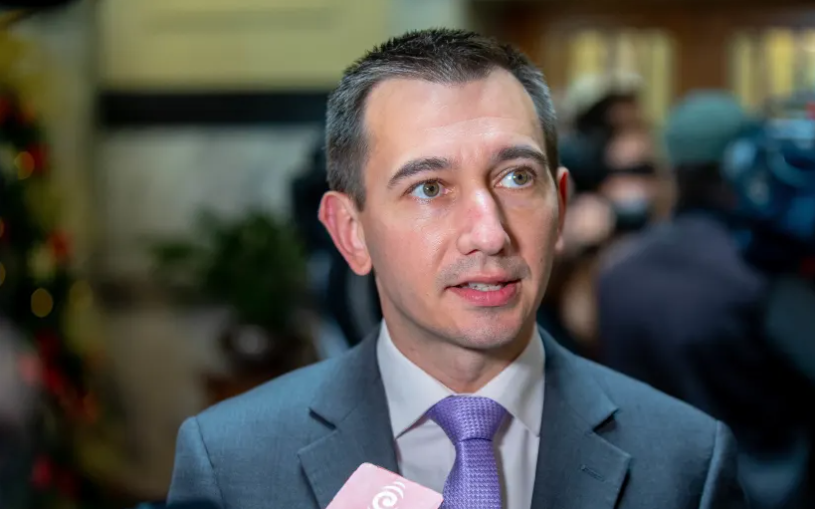
Counties Manukau has had the biggest improvement of any district in emergency department waits said Health Minister Simeon Brown. Photo/RNZ/Mark Papalii
Pakilau says some delay seeking help until their health has worsened. "We are seeing people going to emergency departments instead of seeing their GP, the ambulance at the bottom of the cliff sort of thing."
The strain is visible in South Auckland. A PMN News report in May found the average wait for the Counties Manukau outpatient diabetes dietitian service had fallen from 252 days to 130 days after changes. But the waitlist has since risen again to 152 patients.
Loviani, an Auckland woman of Tongan descent diagnosed with Type 2 diabetes last year, says appointment times can be difficult to manage alongside full-time work.
"Appointments are hard to access when you need it," she says.
Health NZ says patients are seen within "clinically appropriate timeframes" and puts the rise in the waitlist down to "normal staffing turnover”.
Health Minister Simeon Brown says Counties Manukau has had the biggest improvement of any district in emergency department waits. “Too many people are still waiting too long, and we will not stop until every New Zealander has timely access to care,” he says.
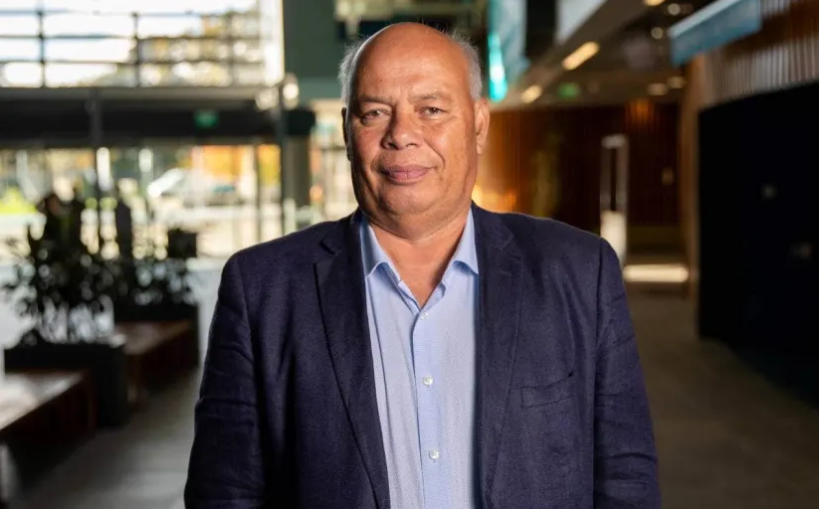
The sooner politicians are honest about health spending in our country, the better off we will be, says Dr Colin Tukuitonga. Photo/RNZ/Ryan Anderson
Labour health spokesperson Dr Ayesha Verrall says: “New Zealanders shouldn’t have to wait for a healthcare crisis before the Health Minister acts.”
The third priority is the health workforce. Professor Sir Collin Tukuitonga, co-director of Te Poutoko Ora a Kiwa, Centre for Pacific and Global Health at the University of Auckland, says New Zealand does not "spend a lot of money as a country on health".
He says that is "why we don't have enough doctors where they're most needed," with Māori and Pacific people hit hardest.
"The sooner the politicians are honest about health spending in our country, the better off we will be," Tukuitonga says.
He says parties offer "short-term lollies" during election campaigns while the health gap remains.
"Our communities continue to be the most sick, the most at-risk, and the people who are dying the youngest, and that's been for the last two decades or more," he says.
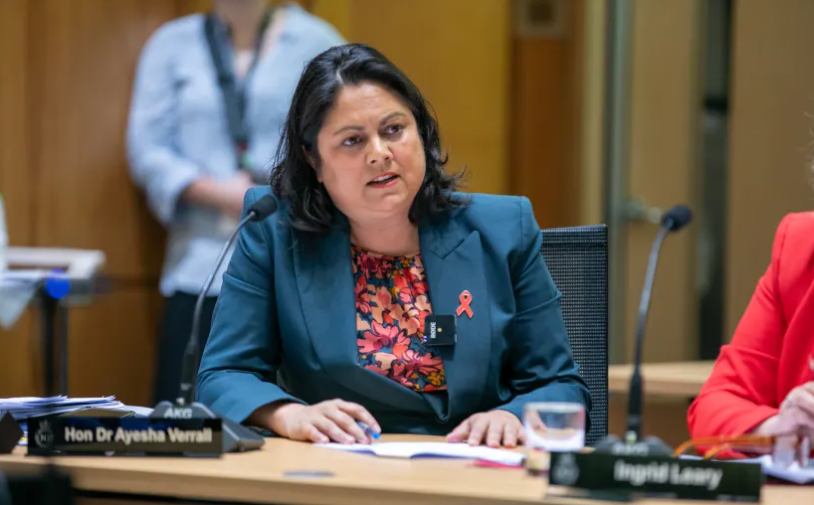
Labour health spokesperson Dr Ayesha Verrall says: New Zealanders shouldn’t have to wait for a healthcare crisis before the Health Minister acts. Photo/RNZ/Louis Collins
Pakilau urges Pacific families to seek help early. For the health system, he says, small adjustments are no longer enough.
"We're sick of dabbling at the edges. We don't want tinkering," he says. "They've had enough of tinkering. I think we need total change."
Advance voting starts on 26 October ahead of the general election on 7 November.