
Kiwis admit Australia are still the benchmark after Rugby League World Cup final defeat
Christine RovoiMon, 16 Nov
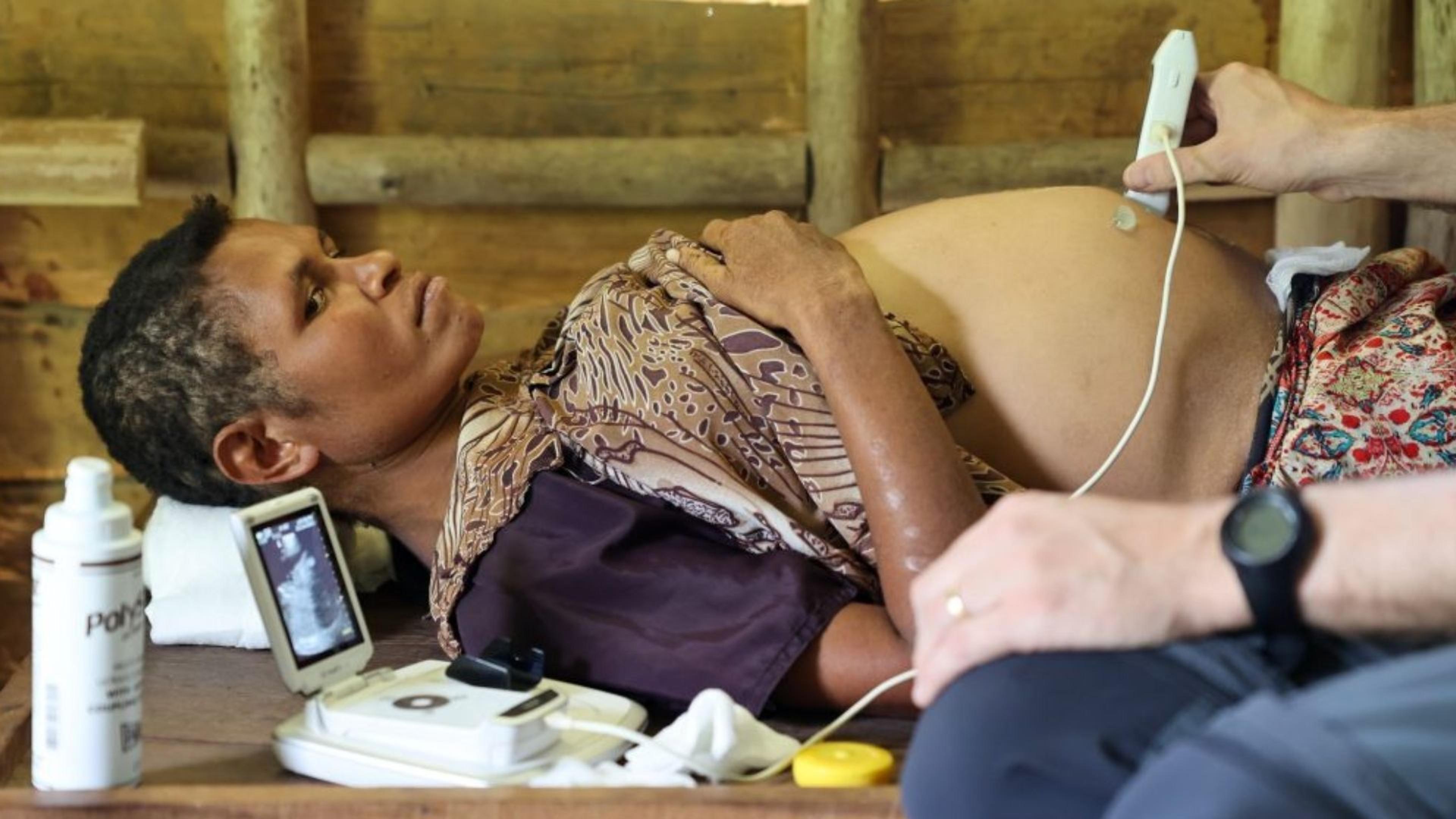
Photo/Facebook/Mission Aviation Fellowship/Annelie Edsmyr
Kingtau Mambon says the gap between the number of tamariki women want and the number they have shows why access to contraception should come before any family size limit.




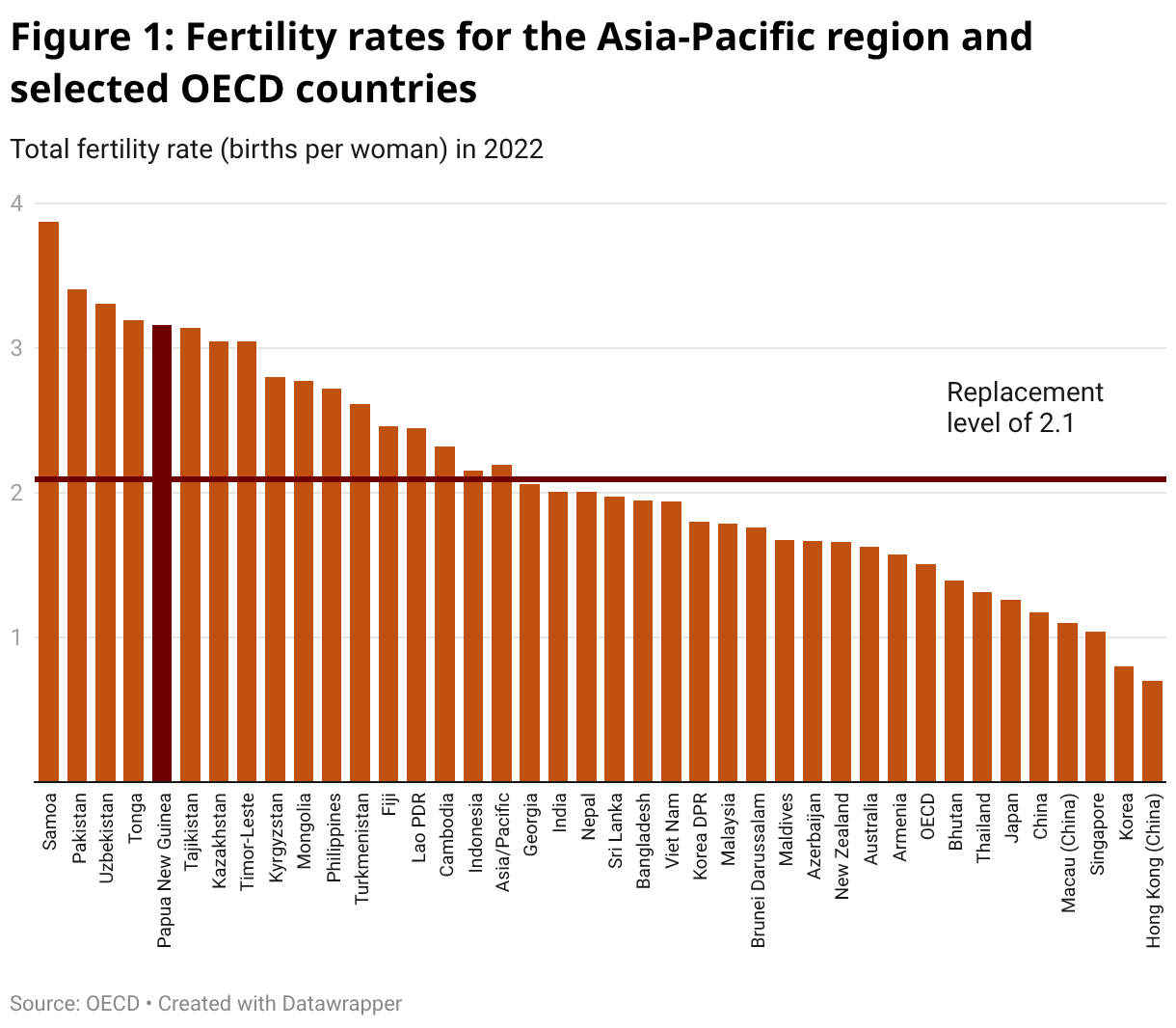
Women in Papua New Guinea want about three children but are having about four.
This highlights a gap between family plans and what many wāhine are able to achieve, an economist says.
The finding comes as Prime Minister James Marape encourages young couples to consider having two or three children as PNG's population passes 10 million.
Kingtau Mambon, an economics lecturer at the University of Papua New Guinea, says the focus should be on helping women who already want smaller families.
“Women actually wanted about three children … but they are having four children, so there's about one extra kid,” he tells PMN News.
Mambon's research for the government's PNG Reset@50 project draws on the 2016-18 Demographic and Health Survey, which found only 59 per cent of total demand for family planning was being met.
Listen to Kingtau Mambon's full interview below.
The survey found 88 per cent of currently married women knew at least one contraceptive method but only 37 per cent were using contraception.
Mambon says that gap points to problems with access and not a lack of knowledge.
“Most of the rural hospitals or clinics are run by faith-based organisations … some of them even speak out publicly against contraceptives,” he says.
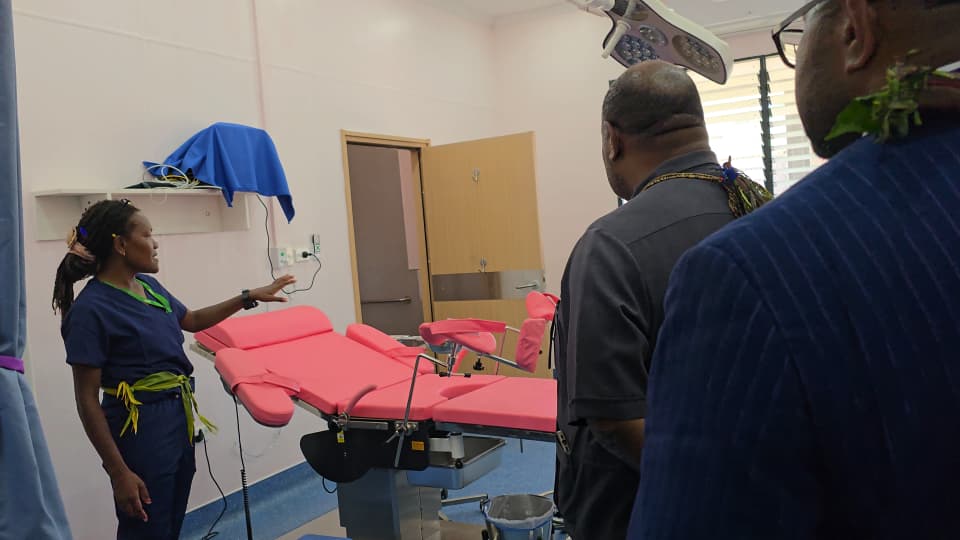
PNG's Prime Minister James Marape visits a maternity ward. Photo/PM's Office in PNG
A separate study by the United Nations Population Fund (UNFPA) found some women hid visits to family planning services because they feared rejection from church communities.
There are also challenges with supplies. A 2022 national health facilities survey found 91 per cent of facilities had run out of at least one contraceptive method in the previous three months, while 57 per cent had run out of at least three.
The survey also found 24 per cent of births occurred within two years of a previous birth, while at least 28 per cent of births were unplanned, including pregnancies that were mistimed or unwanted.
Marape initially proposed a three-child limit before shifting his emphasis to responsible parenthood and a national discussion about family planning.
“Young couples must understand that a few moments of pleasure can result in more than 20 years of financial and emotional responsibility,” he said in a statement.
“We must also recognise that customary land is becoming increasingly scarce in many communities as populations grow and land is divided among successive generations.”
But Mambon says family planning also needs to involve men as cultural expectations shape decisions about family size.
"Men need a lot of kids to look after the land, protect the land and carry on the tribes' legacy or name," he says.
PNG's population is growing by about 2.6 per cent a year and has now exceeded 10 million, putting more pressure on public services and the economy.
Mambon says the country is already struggling with shortages of doctors, teachers and police, while there are not enough formal jobs for a growing population.
“There’s a lot of people doing nothing, and that increases law and order issues which is affecting investors in the country as well. So in terms of raising revenue, governments should look into getting resource projects up and running, and that can create jobs for people.”
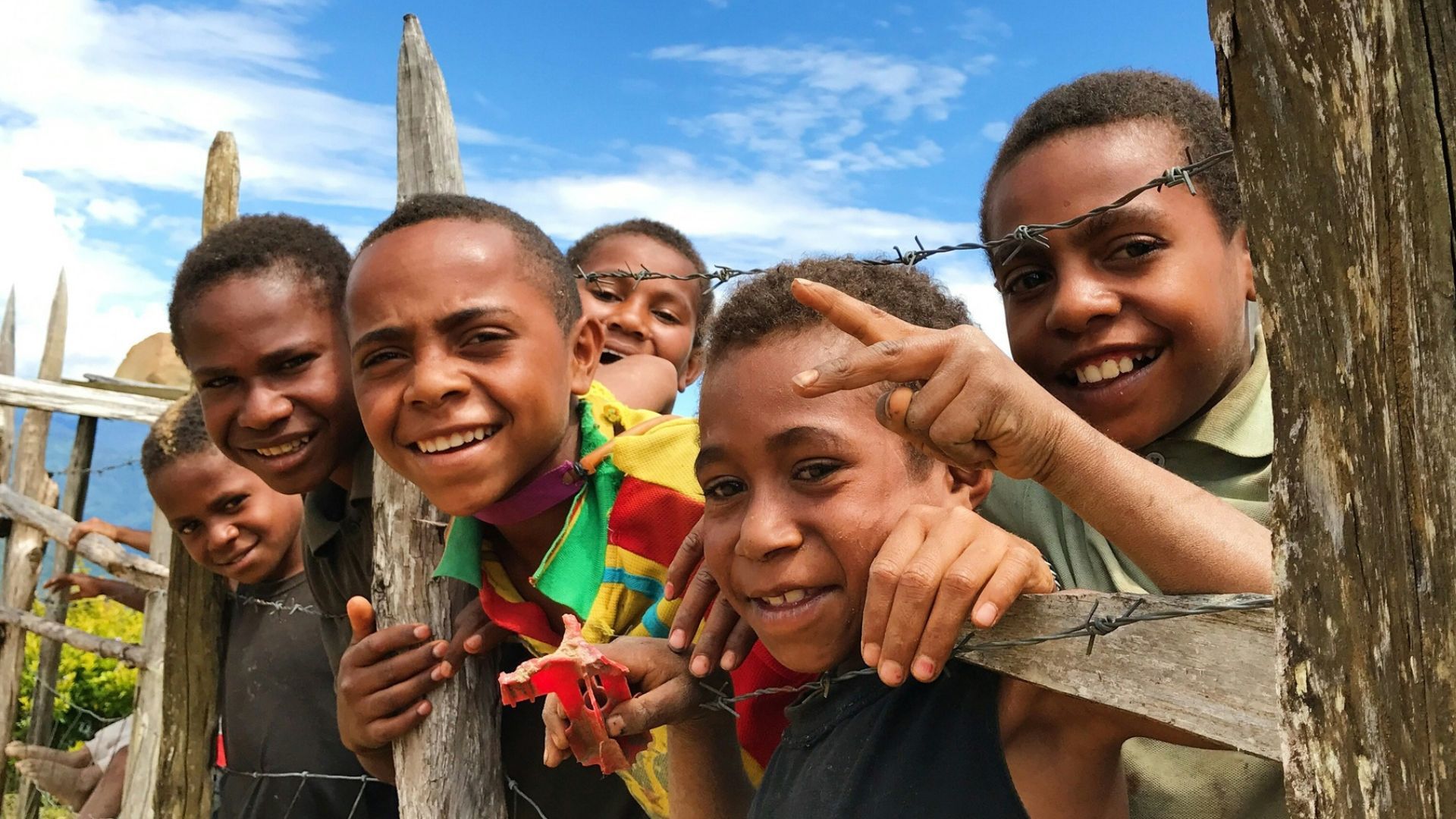
Children in the Eastern Highlands Province, Papua New Guinea in 2020. Photo/Unplash/Vika Chartier
Mambon says the population debate should start with the women who already want to have fewer children but are not getting the support to do so.
The issue, he says, is not simply how many children families should have but whether people have the information, services and choice to decide for themselves.