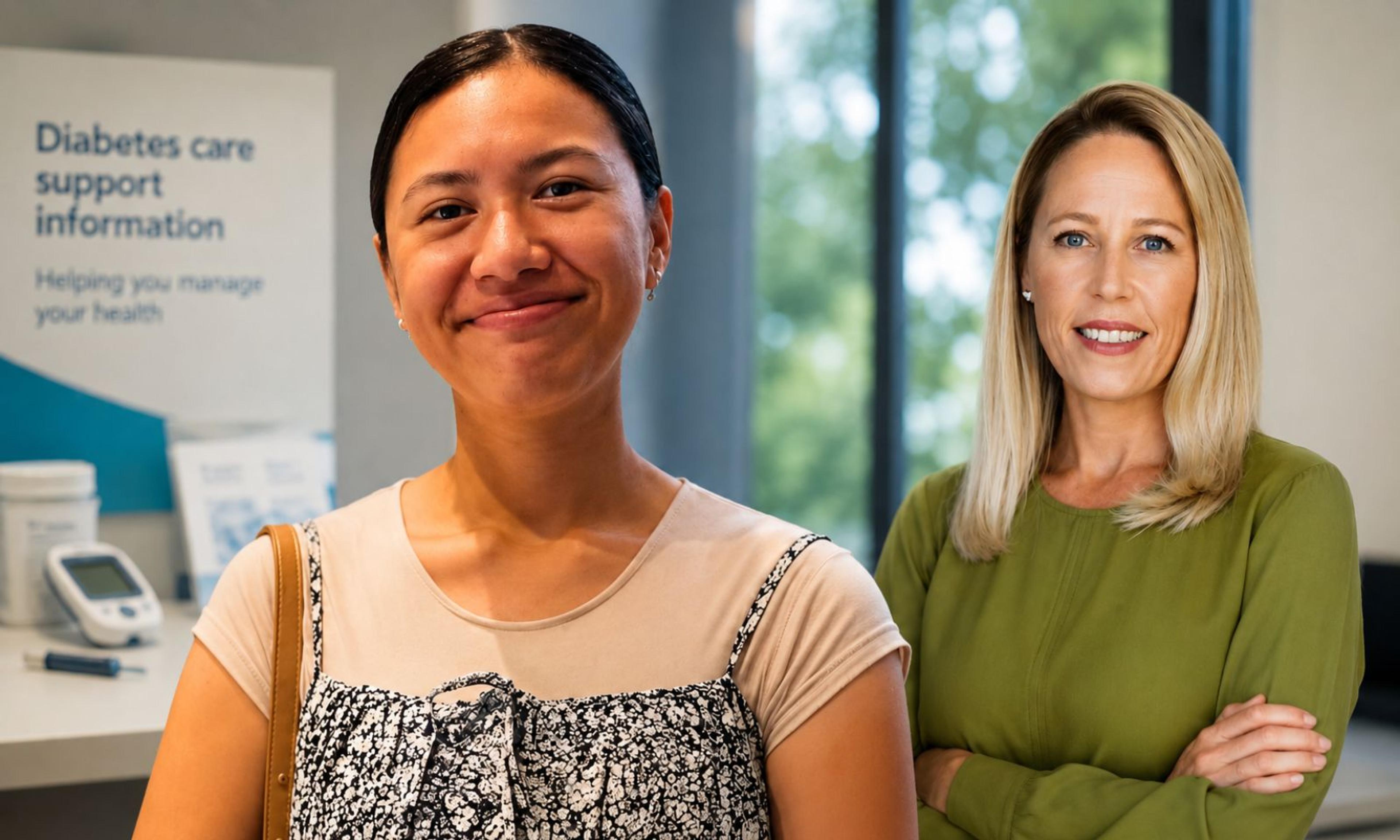
Zaria Kenese (left) says support helped her manage Type 1 diabetes following her diagnosis at 17. Counties Manukau dietitian Genevieve Jardine (right) says diabetes service changes have aimed to improve access to care.
Photo/PMN News Composite
Local Democracy Reporting
Diabetes wait times fall in Counties Manukau but pressure on public services rise: HealthNZ
Te Whatu Ora says changes to Counties Manukau’s diabetes dietitian service have nearly halved patient wait times, although waitlists are rising again amid staffing turnover.

Taelegalolo'u Mary Afemata
Published
19 May 2026, 6:30pm
Share
Copy Link
Top stories

Deep sea mining could give investors a legal route to challenge climate action - experts
Christine RovoiThu, 08 Oct
'Cheap as chips' but Pacific families face big barriers to treating gout
Thomas Tarurongo WynneThu, 08 Oct
Top stories
Deep sea mining could give investors a legal route to challenge climate action - experts
Christine RovoiThu, 08 Oct
'Cheap as chips' but Pacific families face big barriers to treating gout
Thomas Tarurongo WynneThu, 08 Oct
Diabetes patients in South Auckland are waiting less time to see a specialist dietitian, but pressure on the service is rising again as demand grows and staff changes affect capacity.
Health New Zealand Te Whatu Ora says changes to the Counties Manukau diabetes dietitian service have nearly halved average wait times.
But the department says the number of people waiting has started climbing again.
Figures provided by Health NZ show average wait times dropped from 252 days to 130 days after changes were introduced.
At the same time, the average number of patients waiting fell from 136 to 75. But the current waitlist has risen to 152 patients.
Health NZ says the increase is due to “normal staffing turnover”, and new dietitians are being brought into the service. It expects wait numbers to reduce again once staffing stabilises.
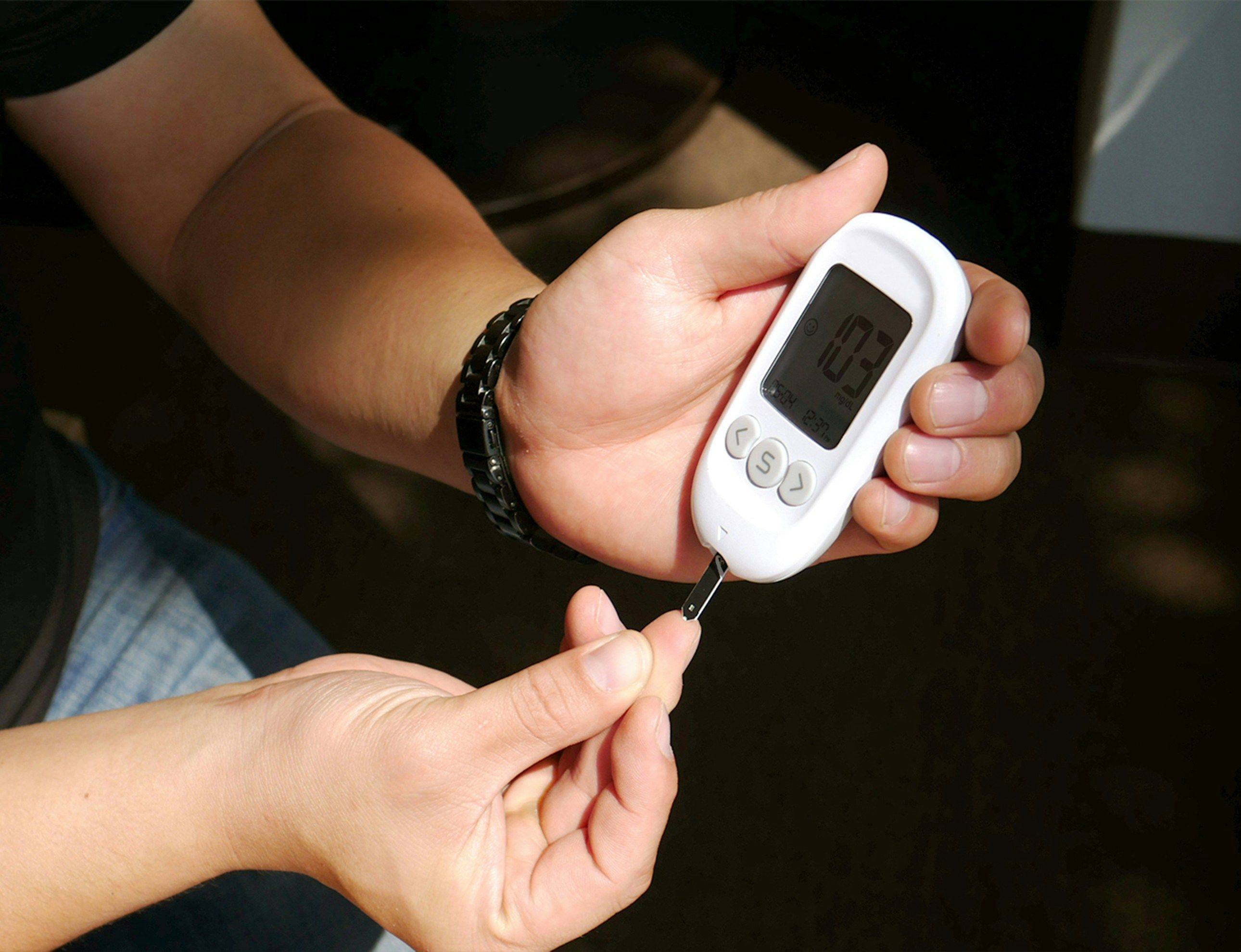
Health NZ says average wait times for Counties Manukau diabetes dietitian appointments have reduced, although staffing turnover has contributed to renewed pressure on waitlists. Photo/Unsplash
Asked whether the service is meeting demand, Health NZ said patients are being seen within “clinically appropriate timeframes” and are supported by specialists, nurses, and GPs while waiting.
The agency said the service remained sustainably funded but did not specify what clinically appropriate timeframes mean in practice or how unmet needs are measured.
The Counties Manukau service mainly supports people with Type 1 diabetes and more complex Type 2 cases through Hospital and Specialist Services.
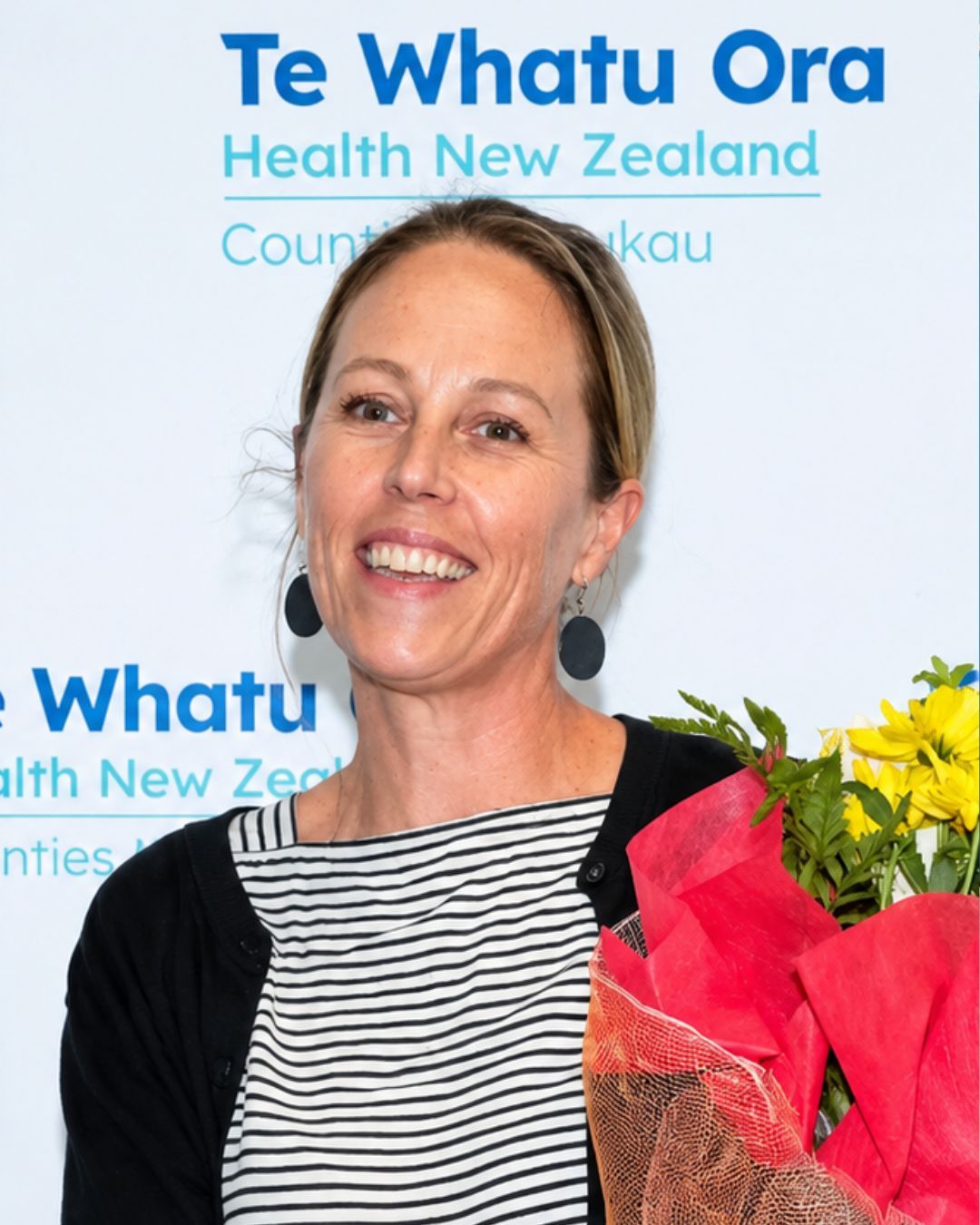
Counties Manukau dietitian Genevieve Jardine says diabetes service changes have aimed to improve access to care. Photo/Health NZ
Inside the service, changes have focused on making appointments easier to access for patients balancing work, family, and transport costs.
Genevieve Jardine, a dietitian at Counties Manukau who leads the outpatient diabetes dietitian service, said changes aimed to reduce barriers.
“We wanted to make attending our appointments as easy as possible,” Jardine said. “What that meant was less appointments for the patient."
Describing multidisciplinary clinics where patients can access several specialists in one visit, Jardine said: “It’s like a one-stop shop.”
“Time is money, save them petrol coming in to clinic,” Jardine said. “We cater to a wide range of age groups, a wide range of cultures. We ultimately try and meet the patient where they’re at to the best of our ability.”
For some patients, that support has made a real difference. South Auckland student Zaria Kenese, who is of Sāmoan and Cook Islands descent and studies culinary at MIT Ōtara, was diagnosed with Type 1 diabetes after months of fatigue, thirst and falling asleep in class led to hospital tests.
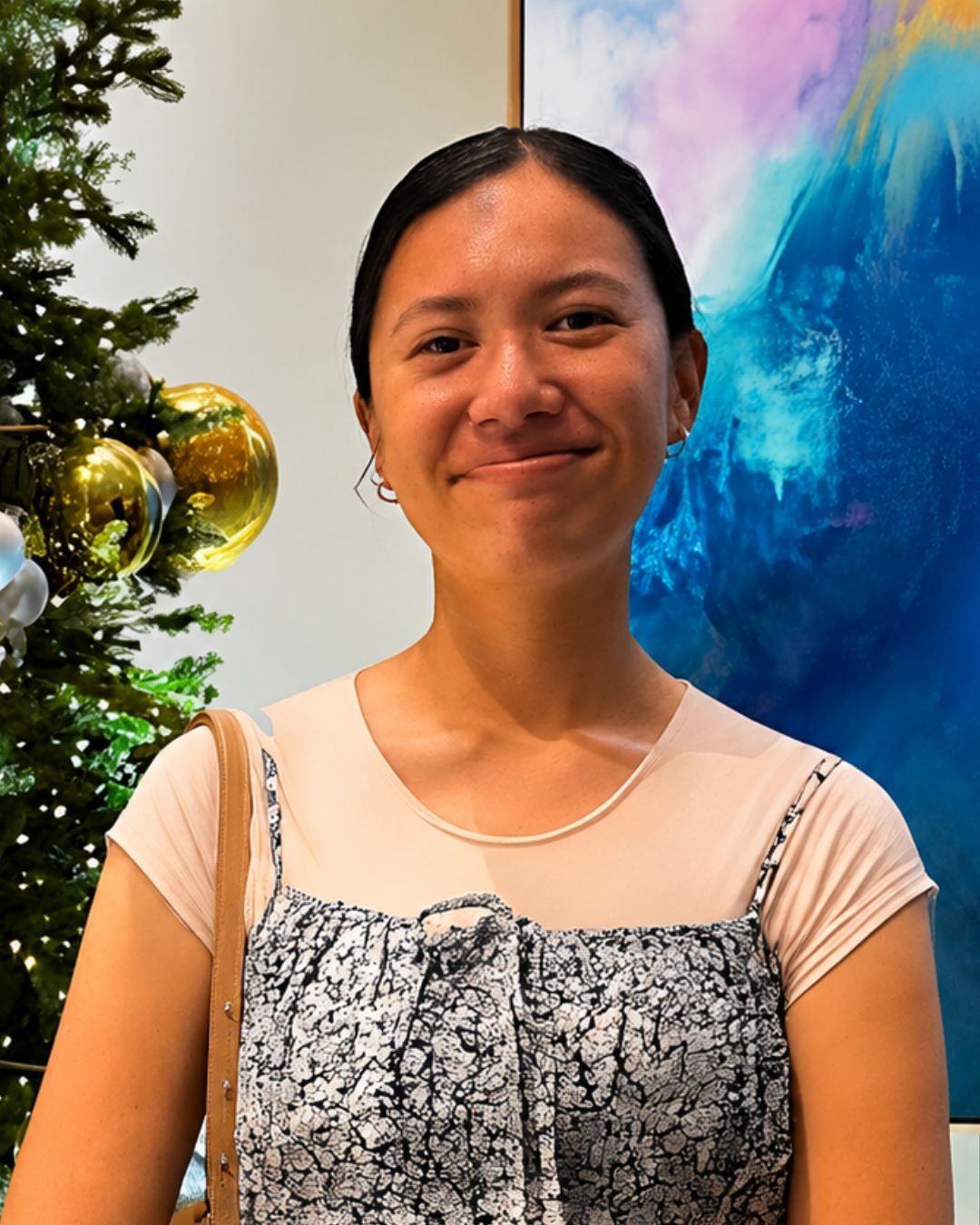
South Auckland student Zaria Kenese says support from the Counties Manukau diabetes team helped her better understand and manage Type 1 diabetes following her diagnosis at 17. Photo/Supplied.
“I was very confused, to be honest,” Kenese said.
At the time of her diagnosis, she was 17 years old in high school.
“I think that it was just very odd for someone like me to be diagnosed with diabetes, especially because of how I was very active in school and I was pretty healthy.”
Kenese said her family had no prior experience with Type 1 diabetes.
“I had no knowledge of it. Nor did we have any knowledge of anybody in our family having Type 1 diabetes.”
“At first, I struggled really hard with how to manage and cope with the diabetes. But every appointment that I had with Gen and the team basically helped me understand my body a bit more and how to manage it.”
She now uses an insulin pump and says ongoing support has helped her manage daily life more confidently.
“If I didn’t have the support, I would have been all over the place,” Kenese said. “They kept on pushing me to keep going and encouraging me to keep going.”
Health NZ says Māori and Pacific communities continue to experience earlier onset of diabetes and higher complication rates, and improving equity remains a national priority.
The National Diabetes Roadmap, launched in March, aims to improve prevention, earlier diagnosis and support, including expanding community care and strengthening the diabetes workforce.
A full implementation plan is due later this year. The roadmap is separate from the Counties Manukau specialist service and focuses primarily on Type 2 diabetes nationally.
For some Pacific patients, however, access remains a day-to-day challenge.
Auckland woman Loviani, who is of Tongan descent and was diagnosed with Type 2 diabetes in 2025, says fitting care around work is difficult.
“Not easy at all. It doesn’t fit into my full-time work. Appointments are hard to access when you need it.”
Loviani said South Auckland communities did not have enough support to prevent or manage diabetes. “No, unless the culture changes.”
On what she would like to see change under a roadmap aimed at improving diabetes outcomes, Loviani said: “Improve prevention.”
Asked whether plans and strategies felt meaningful on their own, she said: “Practical changes first.”
LDR is local body journalism co-funded by RNZ and NZ On Air.