
Politics behind keeping 15,000 New Zealanders on the tag football field
Christine RovoiTue, 10 Nov
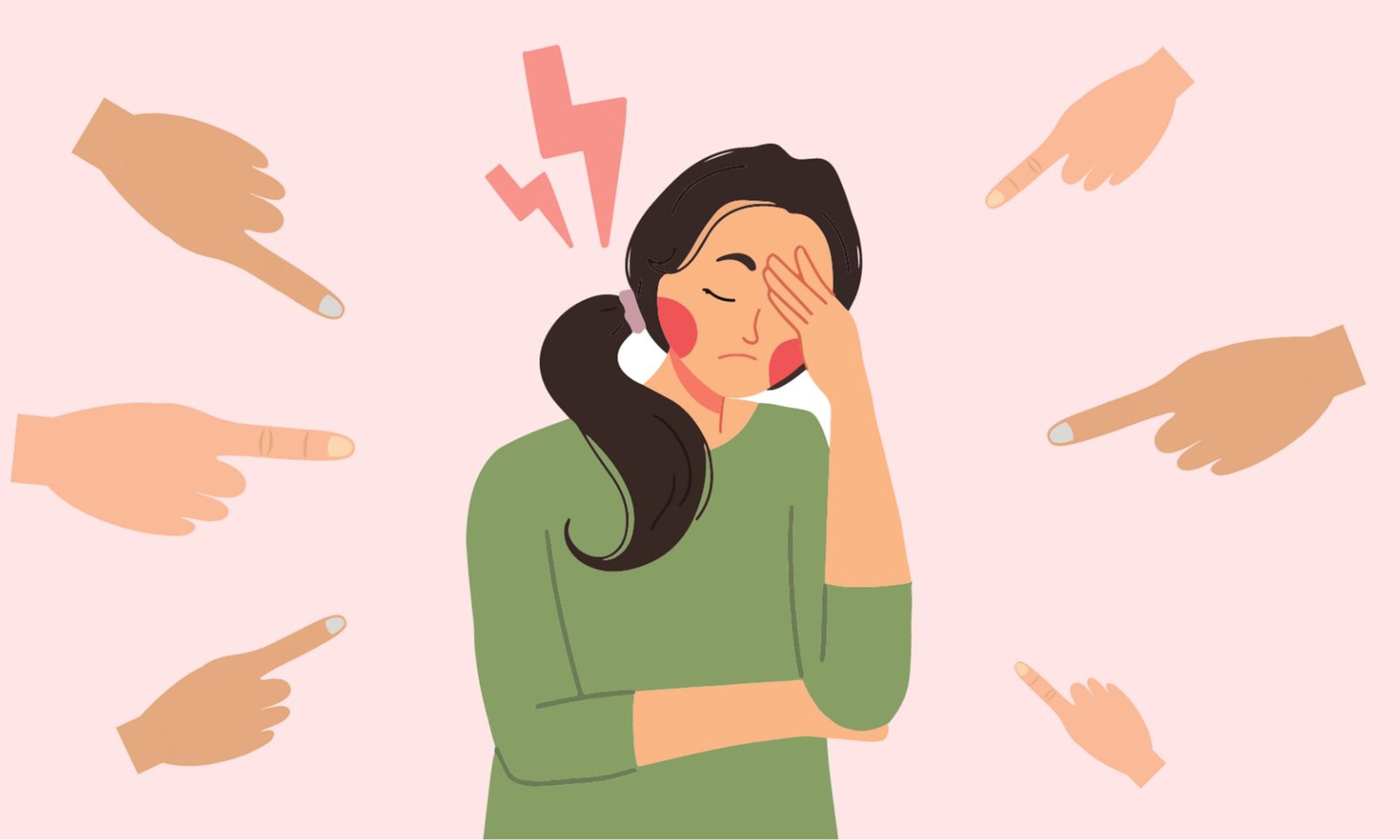
According to Diabetes NZ, 80 per cent of those living with diabetes face blame, shame or judgement, and up to 53 per cent have been treated differently because of their condition.
Photo/Type1Better
Diabetes New Zealand says worry about how family and church communities will react is leading some Pacific people to hide their condition, and is aiming to erase that stigma.


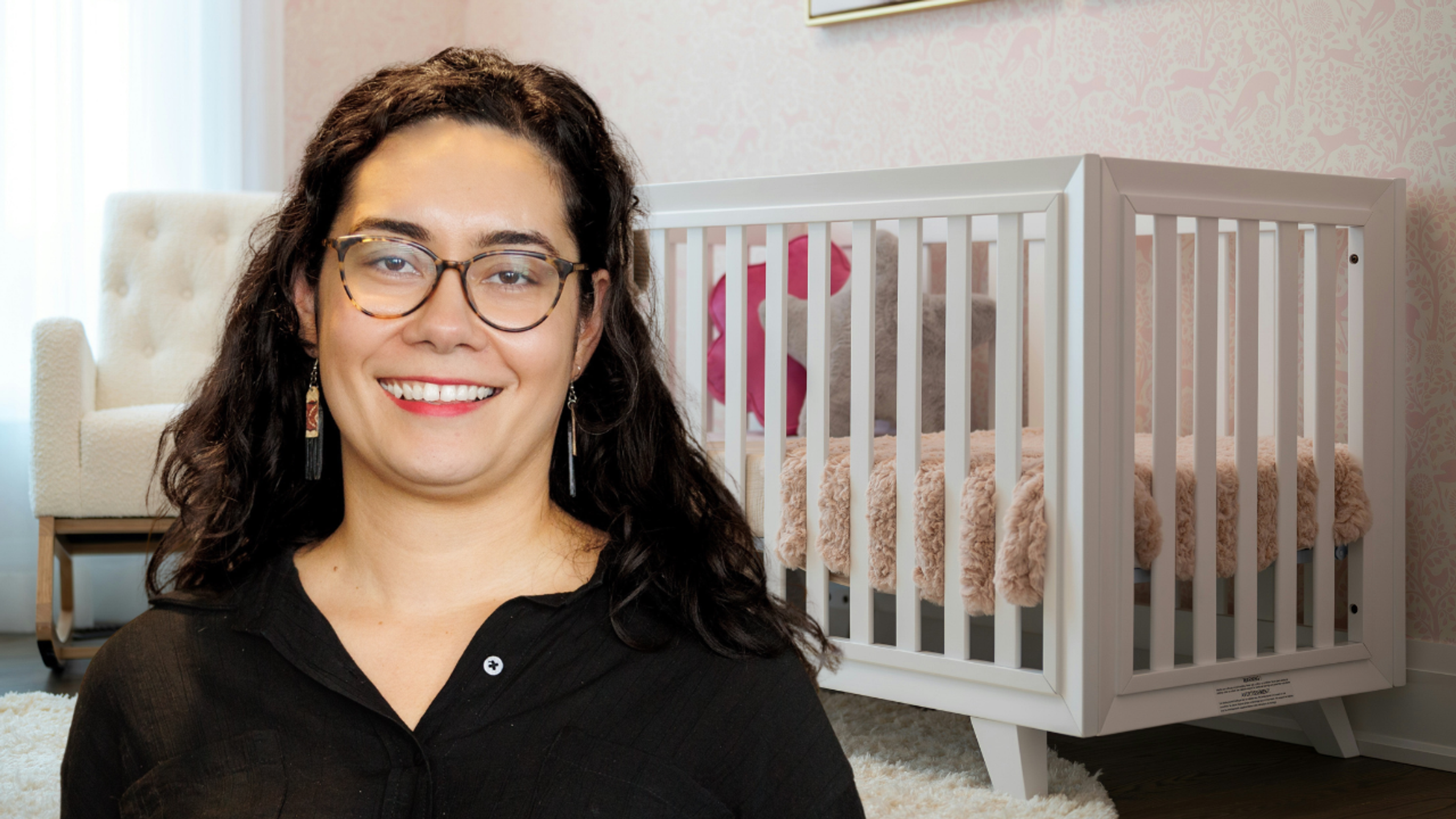

Concern about how family and church communities will react is leading some Pacific people to hide their diabetes, says Diabetes New Zealand.
November is Diabetes Action Month with this year’s campaign “End Diabetes Stigma."
The organisation says stigma remains one of the biggest barriers to better health for the 365,867 New Zealanders living with the condition.
Diabetes Community Coordinator Ruana Taito says Pacific communities, which have a higher risk of type 2 diabetes, feel this keenly. The fear of being judged can make it harder for people to talk openly about their diagnosis, and that affects how they manage their health.
“People feel like if some people, or if whānau or family members or church members do know that they have the condition, they can look upon them as bad luck. They can look upon them as a curse, or you are less fortunate.”
Taito told PMN’s Pacific Days the stigma can keep people from medical care. She has seen people skip GP visits because they expect to be scolded or are afraid of what their test results will show.
“Telling off is a put-off. People will not go to GP visits because they are afraid of that telling-off or they are afraid of their numbers because they know that they’re not eating well, they know that they haven’t been checking. They are very fearful of the recent blood test because it might say something very bad.”
According to Diabetes NZ, 80 per cent of those living with diabetes face blame, shame or judgement, and up to 53 per cent have been treated differently because of their condition.
Dr Elizabeth Holmes-Truscott, a leading researcher on diabetes stigma, says it makes the already demanding job of living with diabetes even harder.
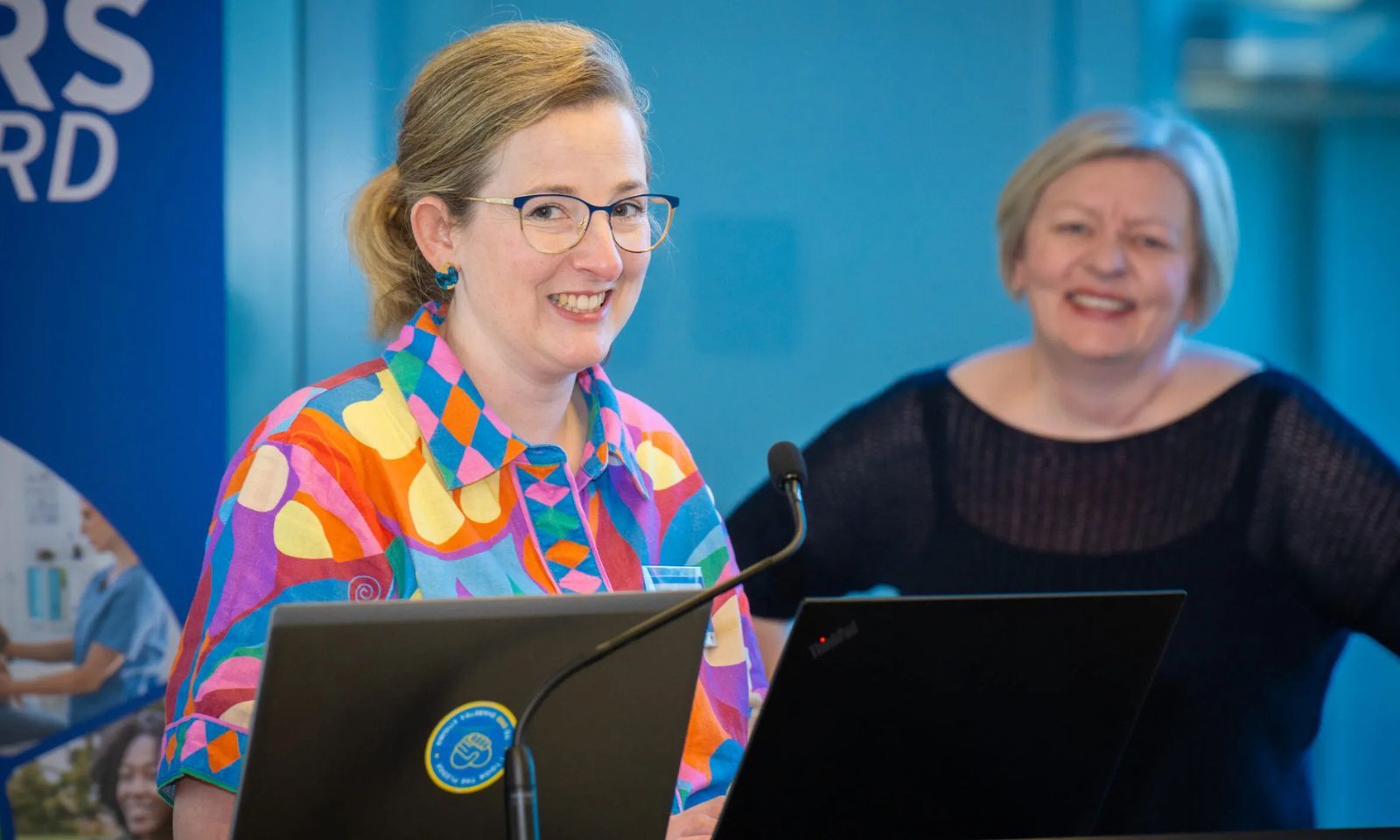
Dr Elizabeth Holmes-Truscott is a health psychologist and Senior Research Fellow who serves as the Deputy Director of the Australian Centre for Behavioural Research in Diabetes (ACBRD). Photo/ACBRD
“Research shows diabetes stigma is associated with greater distress, social isolation, disengagement from care, and poorer health outcomes.”
Food adds another layer. In Pacific cultures, sharing a meal signifies love and hospitality, so changing what you eat at a family gathering can be difficult.
Taito says that the attitudes of relatives sometimes don’t help.
“Sometimes it can be awkward, and when you try to make changes... sometimes you can be mocked.”
Taito’s work is personal. Her mother lives with diabetes, and she says including herself in the conversation helps people open up.
To help families support a relative with the condition, Diabetes NZ runs a Self-Management Education course, working with church ministers and community leaders so whole congregations can learn together.

Ruana Taito says she has seen people skip GP visits because they expect to be scolded or are afraid of what their test results will show.Photo/medicFirstAid
For families wanting to start somewhere, Taito suggests setting one small goal, an approach taught in the course, such as adding a salad to the family meal.
“Think about one thing that you can change. Stepping stone, baby steps.”
She has a message to anyone recently diagnosed, or hiding their condition.
“You are not alone. You’re not the only one. You have hope. You didn’t choose diabetes.
“Talk openly about your condition. Don’t be ashamed to talk openly about it to your family.”
Ramanjot Singh Thiara was diagnosed with type 1 diabetes at 17 and has lived with it for nearly nine years.
Watch Ruana Taito's full interview below.
“My first thought was a bit of fear and a little bit of self-blame or guilt. I don’t know whether I caused it or if it was my fault. I wish people just knew that diabetes is not anyone’s fault.”.
Thiara says diabetes doesn’t limit or define him or anyone living with the condition.