High blood pressure a silent killer, Solomon Islands calls for stronger action
Lachlan EddieFri, 23 Oct
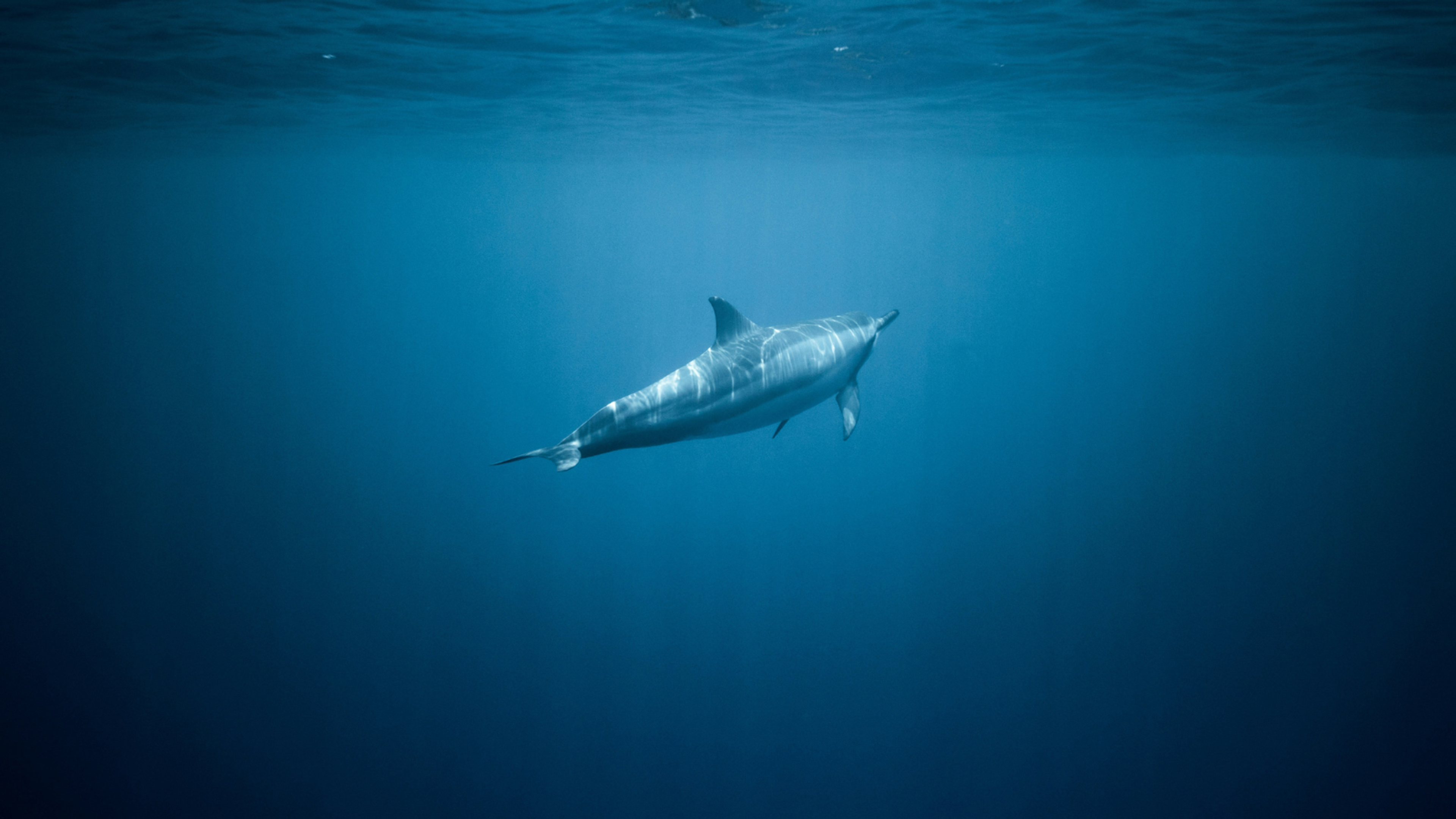
Some marine life will have now have grounds for legal protection under the High Seas treaty.
Photo/Unsplash
The landmark agreement now gives the world a legal framework to protect marine biodiversity in international waters.




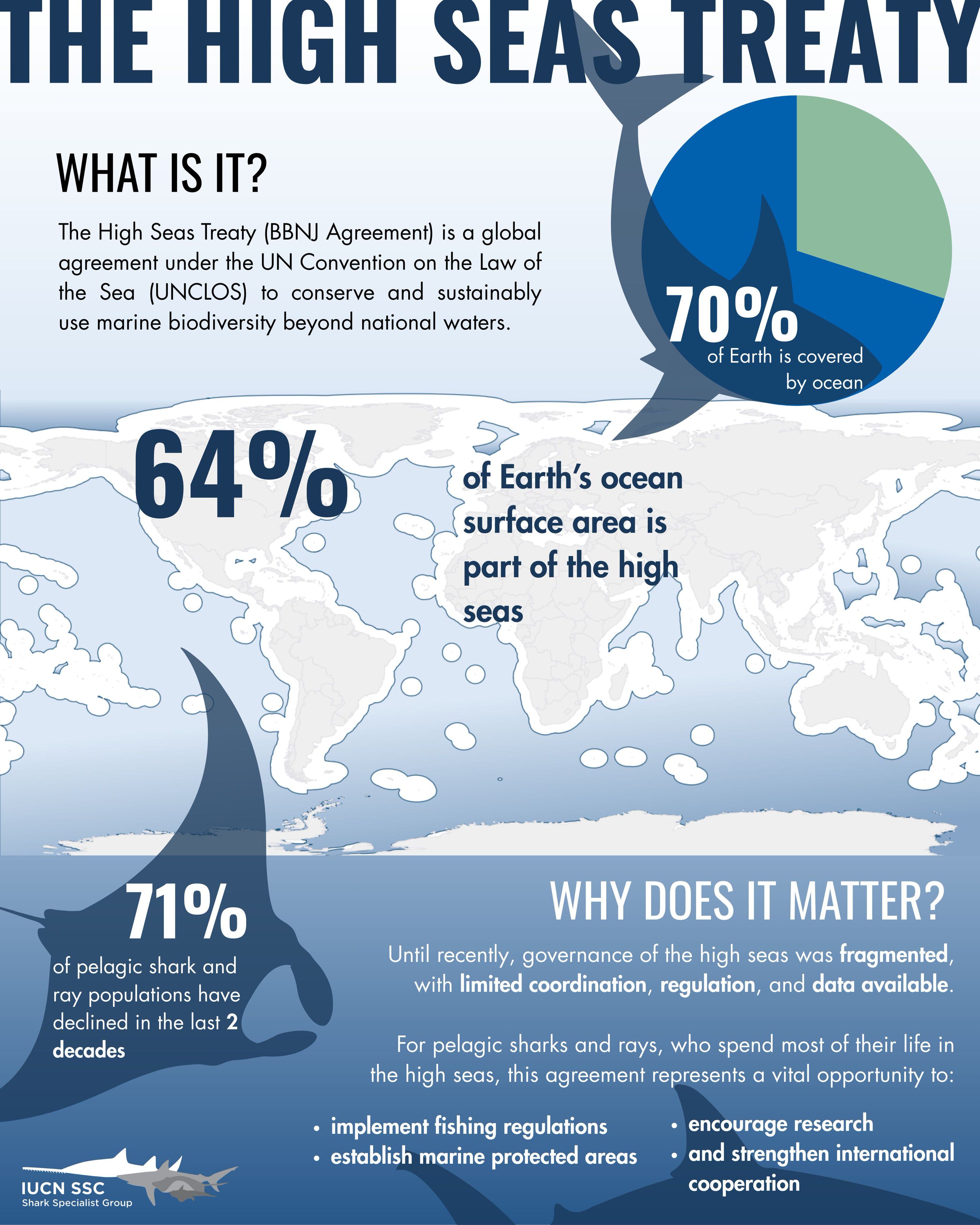
The High Seas Treaty officially came into force over the weekend, giving the world its first global rules to protect the ocean beyond national borders.
It covers nearly half the planet and sets standards for conservation, sustainable use, and equitable access to marine resources.
These areas were previously governed by a patchwork of rules under the previous treaty called Biodiversity Beyond National Jurisdiction (BBNJ).
The new treaty allows countries to create Marine Protected Areas, assess environmental impacts, share knowledge and resources, and prevent any single nation from exploiting the ocean at others’ expense.
Kevin Chand, Senior Director of Pacific Ocean Policy at National Geographic Pristine Seas, says the treaty is a historic step for global ocean protection.
“The entry into force of the High Seas Treaty is a historic victory for nearly half of our planet's surface, the High Seas,” Chand says in a statement.
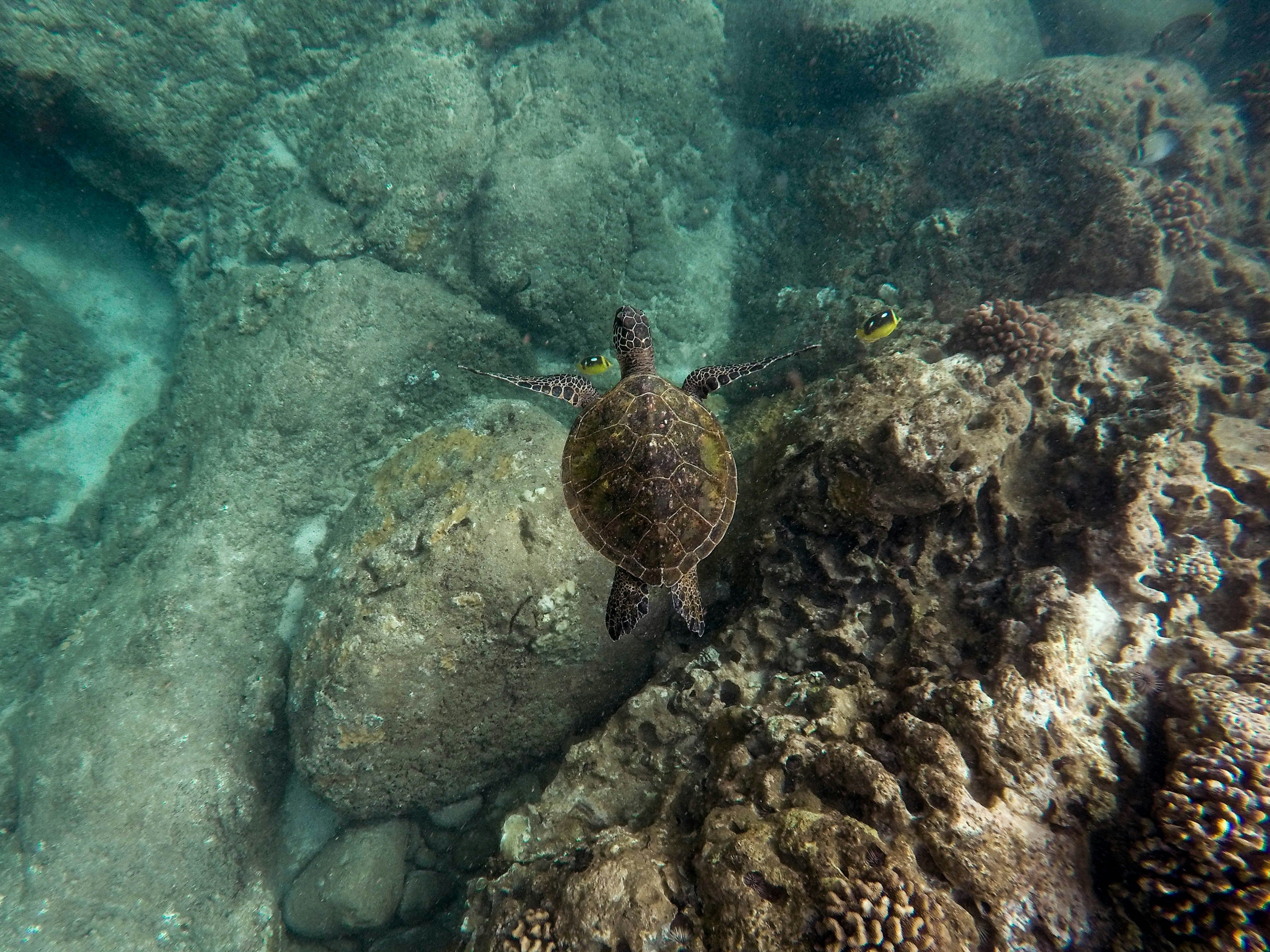
The legally binding UN treaty covers the ocean zones that lie beyond national waters (the high seas) and the international seabed area. Photo/Unsplash
“For the first time, the global community has a legal mechanism to protect the parts of the ocean that belong to no one state.
“This is a monumental step forward, and we celebrate the Pacific nations whose bold leadership and relentless efforts during the BBNJ negotiations brought this global vision into a reality for the High Seas and the planet.”
Palau became the first country to ratify the treaty on 22 January 2024, and 81 countries have come on board since then.
Speaking at the United Nations’ General Assembly in September, Palau’s President Surangel Whipps Jr said the achievement would usher in “a new era of stewardship for the High Seas”.
“Together, we are protecting marine biodiversity, advancing climate action, and ensuring that our ocean remains healthy and resilient for generations to come,” he says.
“This is not just a victory for the ocean, it is a victory for our planet and all who depend on it. Healthy oceans, healthy planet.”
The High Seas are home to rich ecosystems, from plankton and migratory fish to whales and deep-sea plains. They regulate climate, support fisheries, and livelihoods worldwide.
Conservationists warn that protecting these areas is critical as the world faces climate change and biodiversity loss.
By creating Marine Protected Areas in international waters, the treaty aims to rebuild biodiversity, strengthen ecosystems, and support coastal communities.
Watch: The High Seas treaty enters into force
Implementation begins now. Governments will establish institutions and decision-making processes ahead of the first Conference of the Parties (COP) scheduled within a year.
That meeting is expected to set the stage for the first Marine Protected Areas on the High Seas.
Supporters say the treaty is proof that international cooperation can deliver real results for the planet and the Pacific is helping lead the way.
“With the treaty now in force, the hard work begins,” Whipps told the UN. “Pacific nations will continue to lead on the global stage, working to establish Marine Protected Areas, share knowledge, and ensure our oceans remain healthy and resilient for generations to come.”