El Niño tightens grip on Pacific as authorities warn of drought and extreme weather
Lachlan EddieFri, 23 Oct
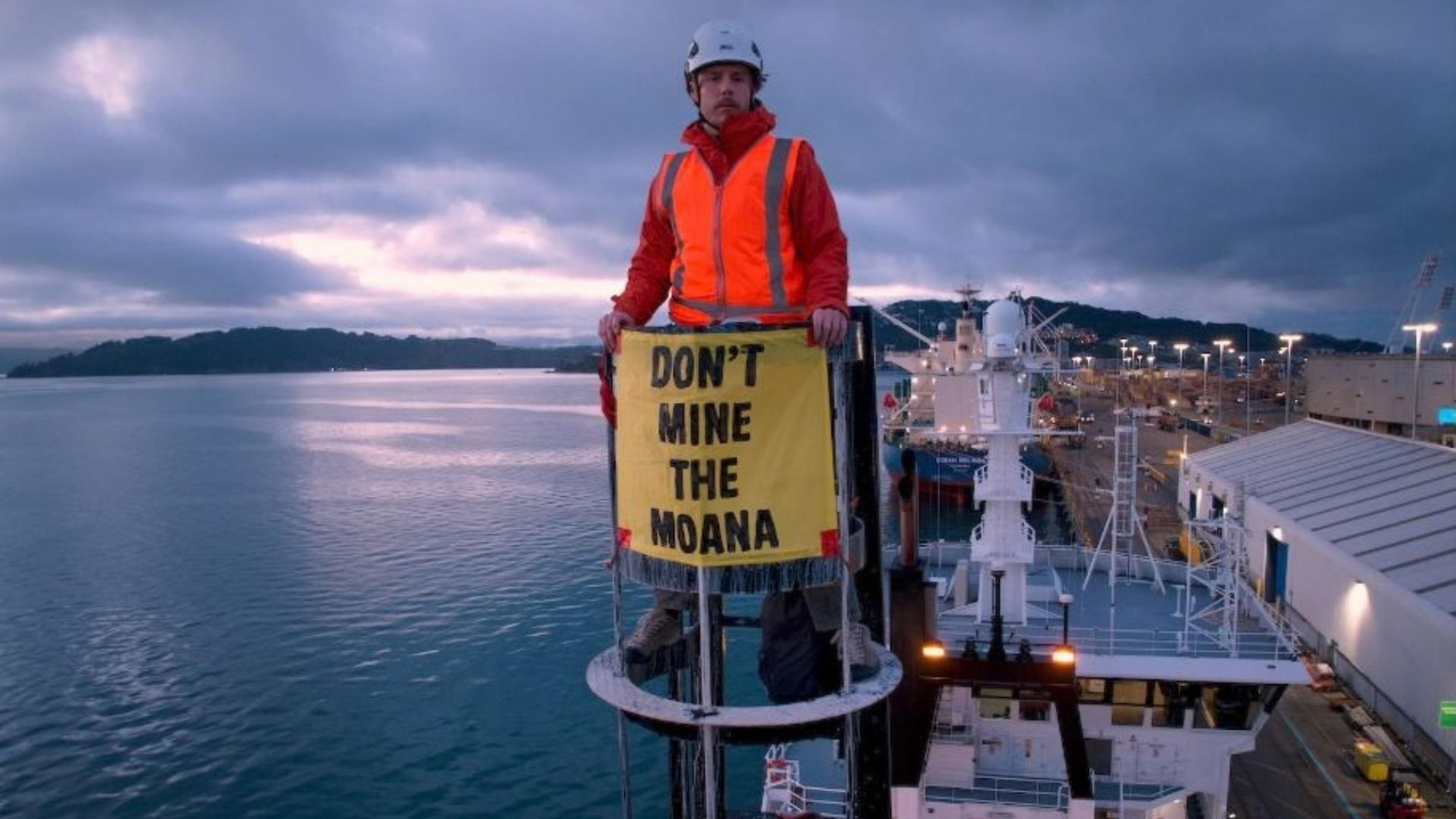
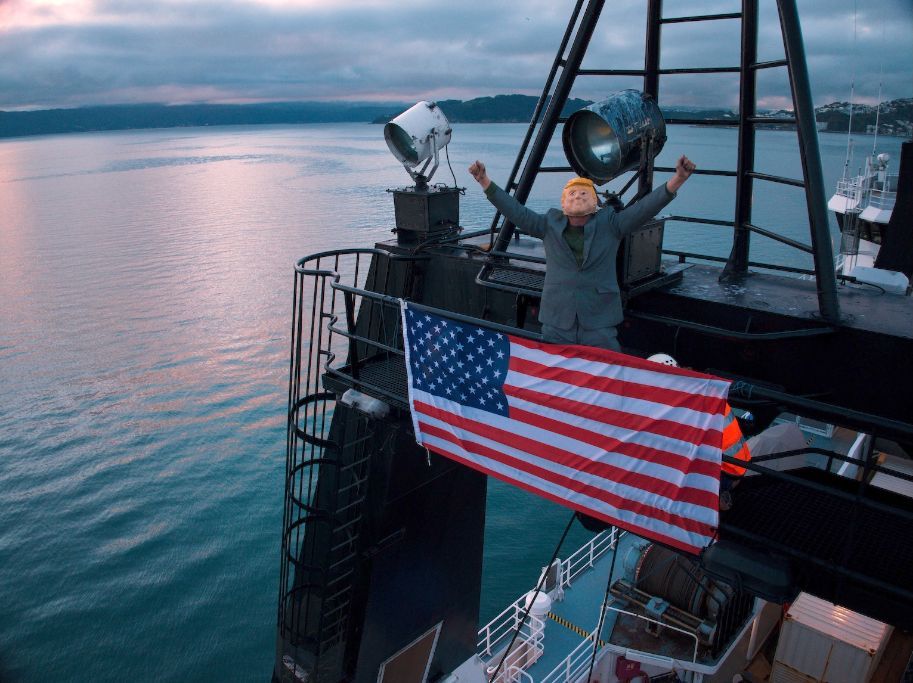
Greenpeace activists protest aboard the government-owned research vessel RV Tangaroa in Wellington Harbour on Saturday, opposing deep sea mining in the Pacific.
Photo/Supplied
Campaigner Juressa Lee says the group is challenging New Zealand’s role in deep sea mineral exploration and warning of wider consequences for Pacific communities and the ocean.

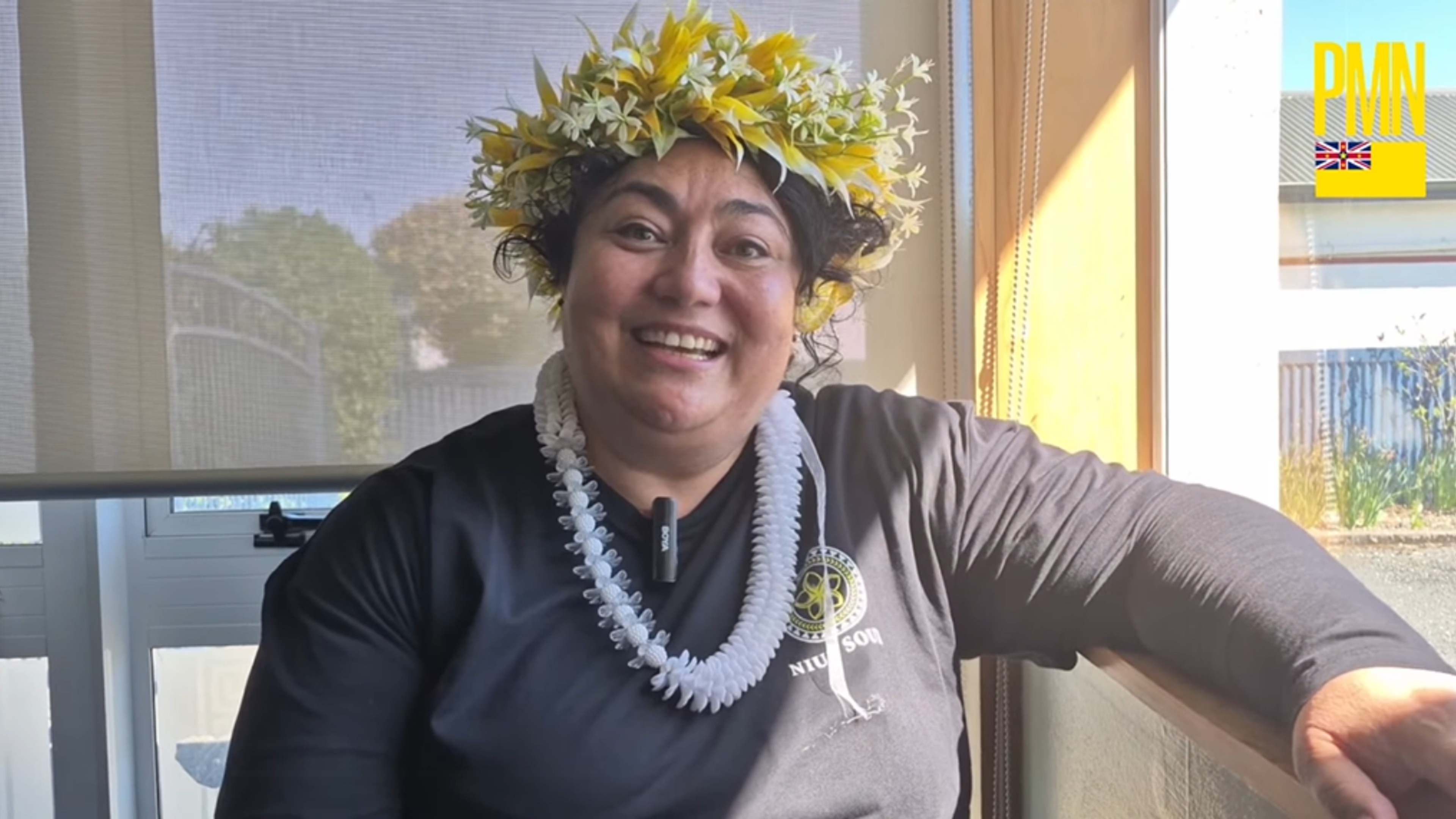

Greenpeace says it has no regrets about boarding a New Zealand government-owned research ship as the group steps up its opposition to deep sea mining in the Pacific.
Five activists were removed from the RV Tangaroa by police in Wellington Harbour on Saturday after boarding the vessel, which had just returned from a 65-day survey of seabed minerals in the Clarion-Clipperton Zone in the Pacific.
Police are considering whether to lay charges.
Speaking with William Terite on Pacific Mornings, Greenpeace campaigner Juressa Lee said the protest was aimed at stopping deep sea mining and challenging Aotearoa's involvement in mineral exploration linked to an American company.
“I guess, ultimately, we are trying to oppose deep sea mining.”
Lee said Greenpeace was particularly concerned about the United States pushing ahead with deep sea mining outside the International Seabed Authority process.
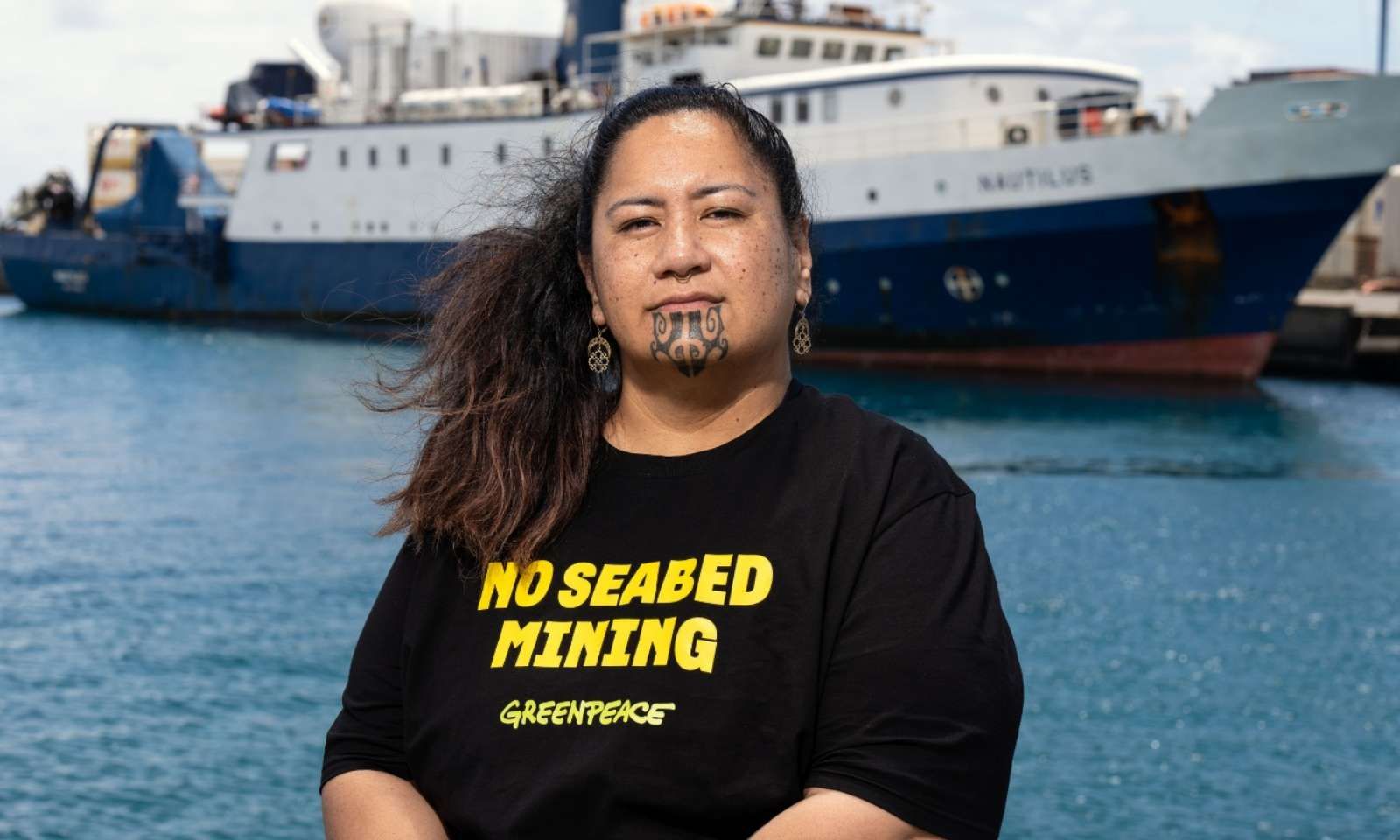
Greenpeace campaigner Juressa Lee says the group is standing by its decision to board the RV Tangaroa as part of its opposition to deep-sea mining. Photo/Greenpeace
“And we're just going to go ahead and do it despite what all these other nations think.”
Greenpeace says the Tangaroa's survey work was carried out for UK Seabed Resources, a subsidiary of US company Glomar Minerals, which has said it intends to begin commercial exploitation of the seafloor as early as 2027.
Lee said the issue was bigger than one protest or one research vessel. “We're watching that mineral grab already trying to happen. We're seeing this geopolitical tug of war happening between non-Pacific superpower countries, basically.”
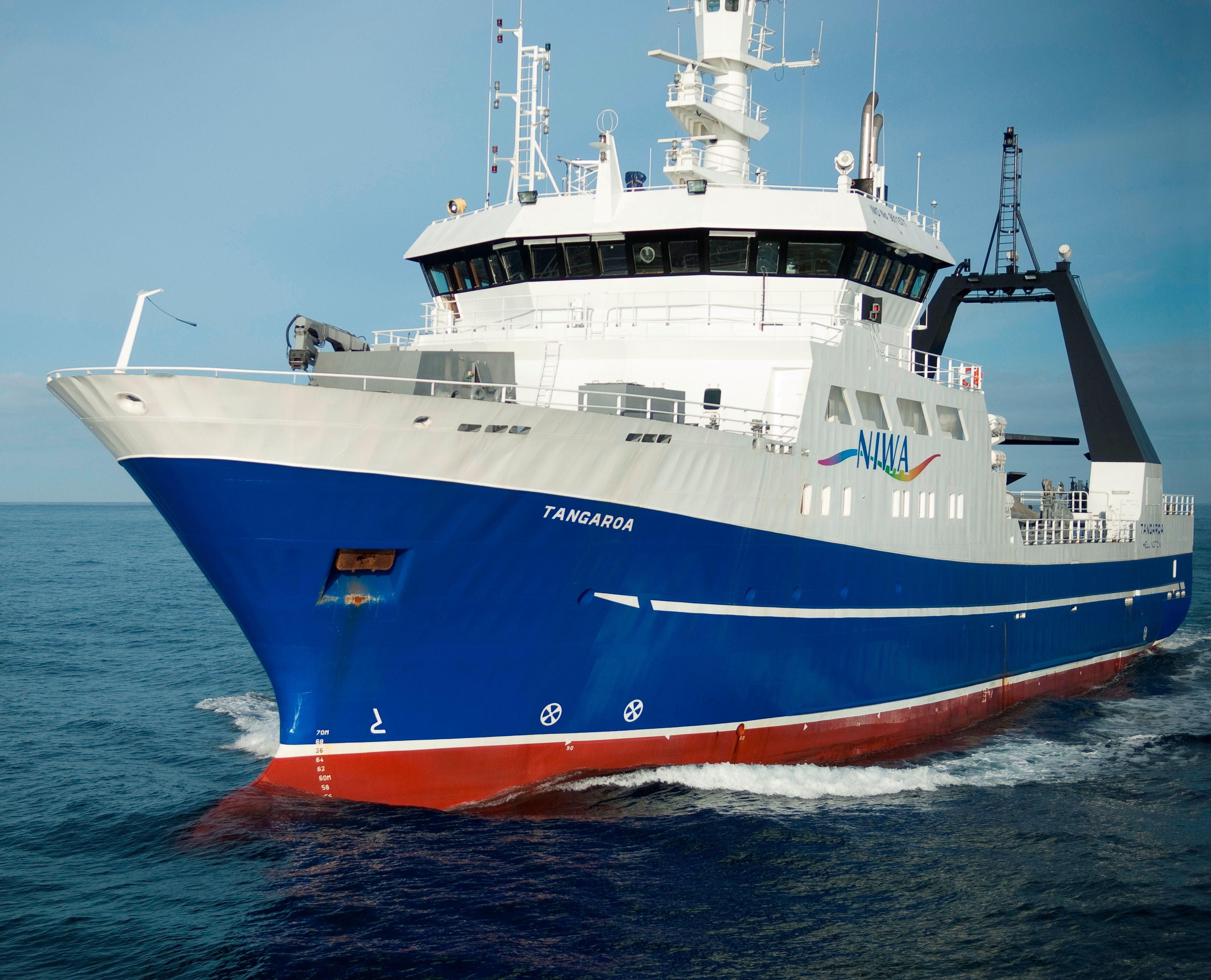
The government-owned research vessel RV Tangaroa returned to Wellington after surveying deep-sea minerals in the Pacific. Photo/Niwa
She said Greenpeace had raised its concerns directly with Earth Sciences New Zealand, the state-owned organisation that operates the Tangaroa but had not received a response.
“We have written to Earth Sciences, which is formerly NIWA. A few weeks back, we've had no response to either of those letters.”
But Resources Minister Shane Jones has defended the vessel’s use for mineral research.
He told RNZ the Tangaroa is run by an independent board and can be used for both domestic and international work.
“Tangaroa is run by an independent board and a government-owned agency obviously driven to generate revenue as a part of its scientific mandate.
"From time-to-time, I’ve no doubt the Tangaroa is used for both domestic and international purposes: no one should be surprised by that.”

Resources Minister Shane Jones has defended the use of the RV Tangaroa for mineral research, saying the vessel operates under an independent board. Photo/RNZ/Mark Papalii
Jones said the scientists working on the vessel should not be caught up in the protest.
“I think Greenpeace are trying to scare and catastrophise and intimidate Kiwis. Kiwis are about to vote and they’re going to vote for resource development within guardrails.”
Earth Sciences New Zealand has also defended its role, saying it provides independent scientific research to national and international organisations and has expertise in deep ocean environments, marine ecology and marine geology.
It said its surveys collect data to better understand deep sea environments and potential impacts, which allows regulators and other stakeholders to make decisions based on scientific evidence.
Greenpeace says the survey data could help support future deep sea mining while the US government has also launched Project Vault to build supplies of critical minerals for military and industrial purposes.
Those links are part of Greenpeace's argument that New Zealand should not be involved.
Project Vault is a US initiative focused on securing critical mineral supplies, which Greenpeace says could support military and industrial purposes. Photo/Supplied
Lee said the five activists understood there could be legal consequences for boarding the ship.
“They feel so passionately about it that they want to make a stand either way. Many of our activists will put their bodies on the line because they feel so strongly about this.”
For Greenpeace, she said, protecting the ocean is ultimately about protecting the communities and generations that depend on it.
“They all do and they also understand that there's a need to protect it, not just so that they can continue to enjoy it, so that many people after us can continue to enjoy it and live from it because it sustains life on Earth.”
Lee also rejected the argument that deep sea mining is needed to secure minerals for future technology and a low-carbon economy.
“There is evidence that we don't need to mine the Moana in order to access minerals and metals for our future.
Listen to Juressa Lee's full interview below.
“But what we can't do, if we want that kind of future for us, is divert any minerals and metals to purposes such as making weapons of war.”
New Zealand has supported a conditional moratorium on deep sea mining in international waters since 2022.
The Tangaroa protest has now put a sharper focus on the role of Aotearoa's publicly owned research vessels in deep sea mineral exploration and what that could mean for the Pacific as the push to mine the ocean floor continues.