‘Digging into what we know’: Pacific culture offers a clearer path to better mental health
Atutahi Potaka-DewesTue, 13 Oct
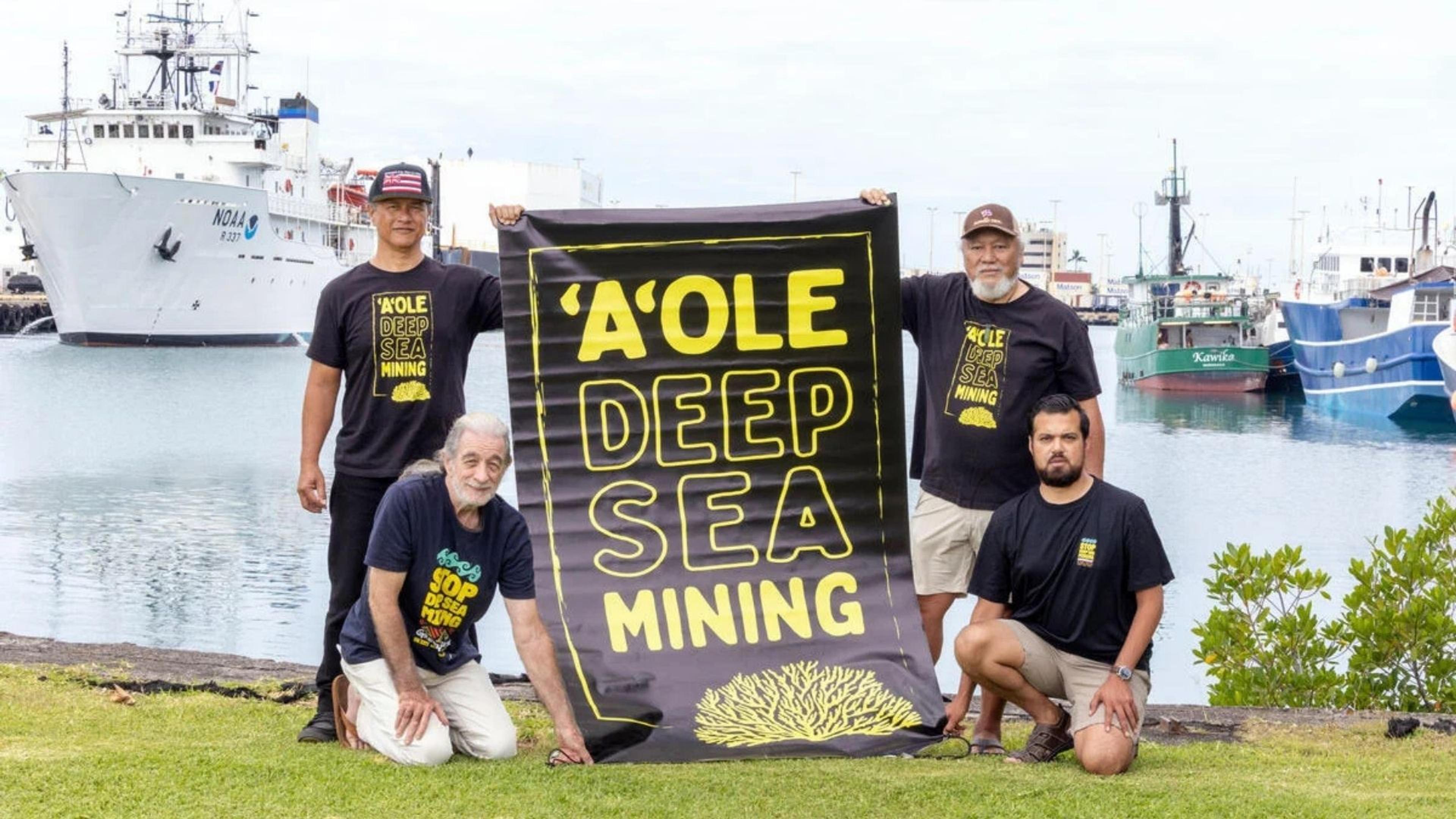
American Sāmoa is at the centre of a growing debate after the United States moved a step closer to opening federal waters off the territory to deep sea mineral exploration, drawing strong opposition from local communities, churches and environmental groups.
Photo/Greenpeace
The United States is moving closer to opening more than 31 million acres of federal waters for deep sea mining despite tens of thousands of objections.

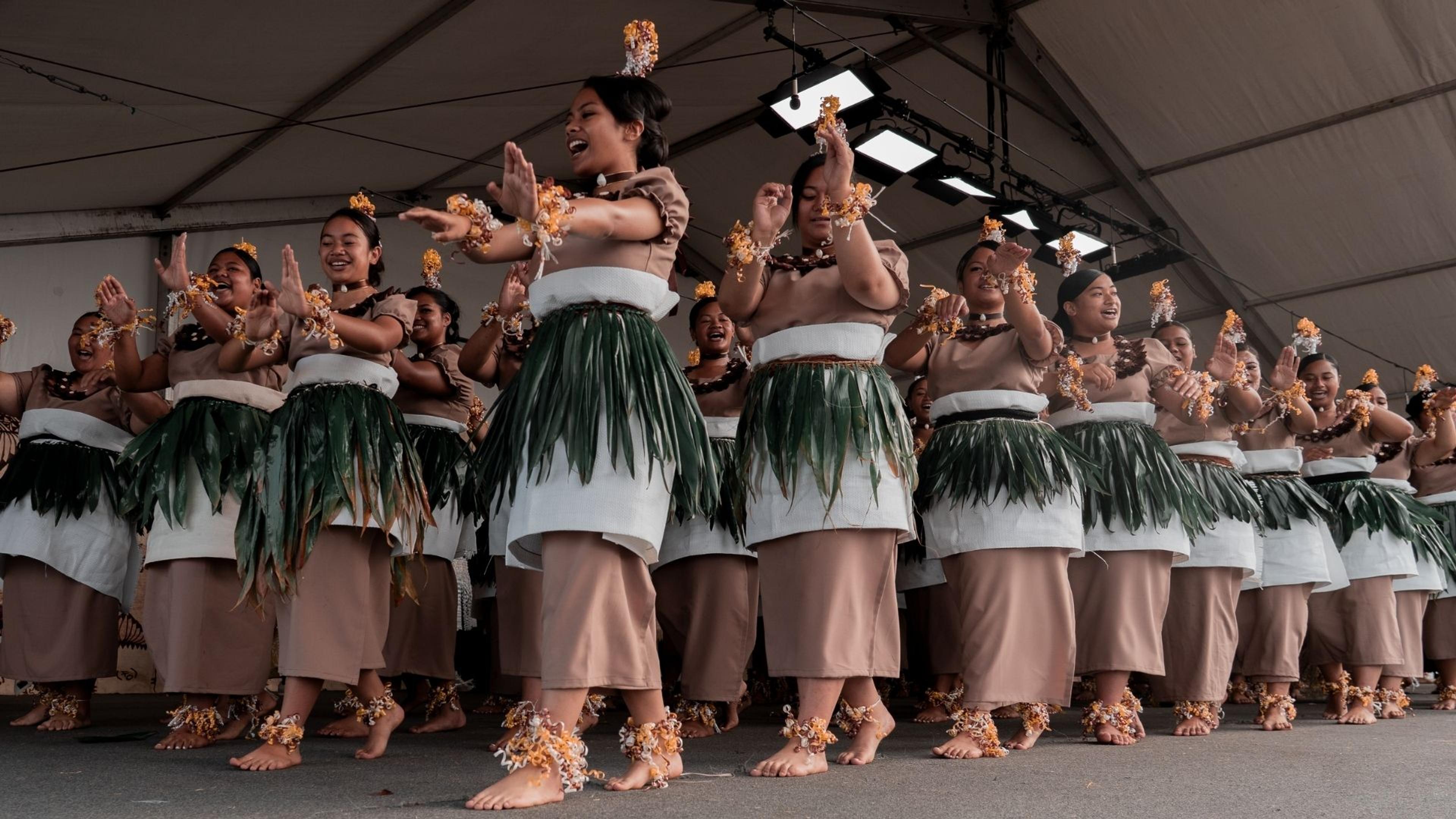
American Sāmoa is the latest Pacific territory to find itself at the centre of the growing battle over deep sea mining.
Governments, scientists and communities across the region remain divided over whether deep sea mining should go ahead.
While countries including Palau, Fiji and Sāmoa support a moratorium or precautionary pause on seabed mining, others such as the Cook Islands are exploring the industry's potential economic benefits.
The debate has become one of the Pacific's most closely watched environmental issues. Many leaders argue the science is still too uncertain to justify mining the ocean floor.
Pacific Islands Forum Secretary-General and former Nauruan President, Baron Waqa, has previously argued seabed minerals could provide new opportunities for Pacific economies.
"We see this new mining of these nodules to be something that will benefit the world of tomorrow," he said during discussions on seabed mining.
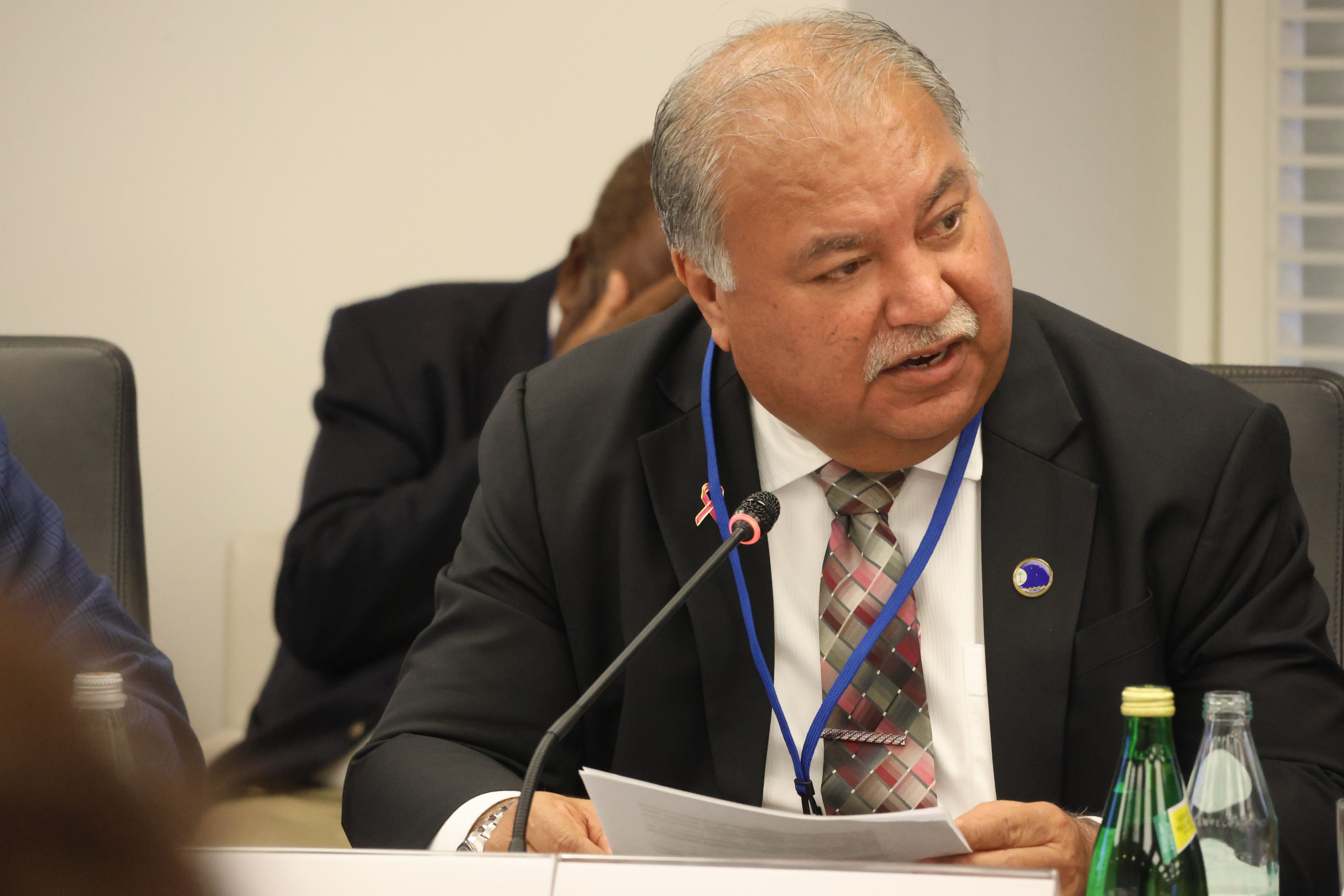
Pacific Islands Forum Secretary-General Baron Waqa has previously argued seabed minerals could provide new economic opportunities for Pacific nations while supporting the global transition to cleaner energy. Photo/Pacific Islands Forum
"I believe that Nauru will benefit greatly. My government continues to look for other revenue sources for Nauru, not just now, but for the future."
Cook Islands Prime Minister Mark Brown has also defended seabed exploration as a way to create jobs and keep people living in the islands.
"If we want our people to stay, if we want to show them that there is a future, here in our country - then come and help us pick our golden apples that have been waiting for the right time to be harvested," he said during public consultations ahead of a Pacific Islands Forum leaders meeting.
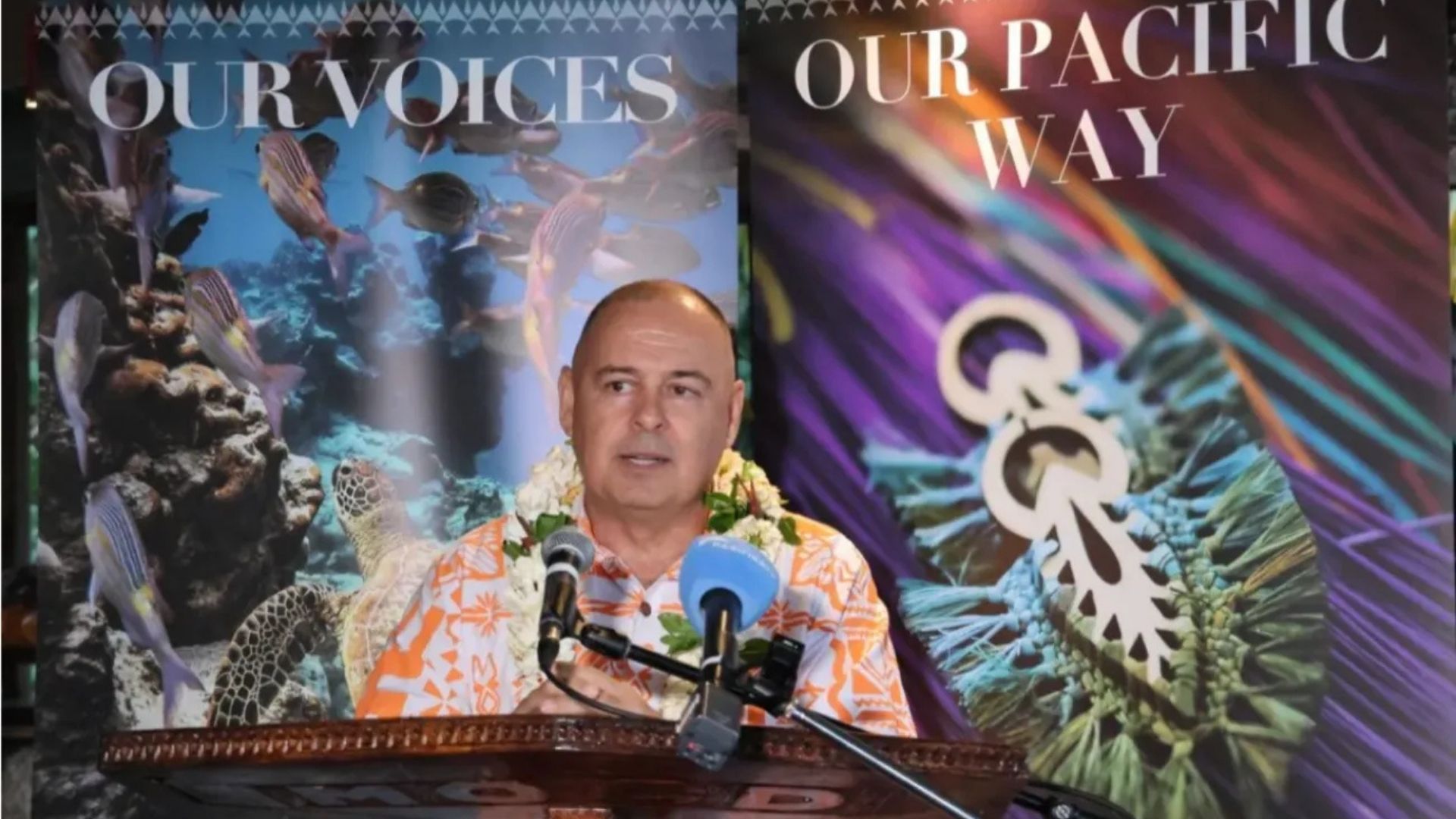
Cook Islands Prime Minister Mark Brown says responsible seabed mineral exploration could help diversify the country's economy and create opportunities for future generations. Photo/Ministry of Foreign Affairs, Cook Islands
"This new industry will provide us the opportunity to diversify our economy."
Now, American Sāmoa is facing its own fight after the United States moved a step closer to opening more than 31 million acres (12.5 million hectares) of federal waters to deep sea mineral exploration despite more than 76,000 public submissions opposing the proposal.
Dr Sabrina Suluai-Mahuka, of the local environmental group Finafinau, told Andre Fa'aoso on Pacific Mornings the proposal goes far beyond minerals and economics.
"They can schedule a lease but they'll never take that piece away from us," she said.
"Our genealogy will always be tied to this ocean. It doesn't matter geopolitical boundaries or statuses, American Sāmoan people, this is our ocean, this is our history."
The founder of Finafinau was responding after the US Bureau of Ocean Energy Management (BOEM) issued a Proposed Leasing Notice, moving one step closer to auctioning exploration rights for more than 31 million acres of federal waters east of Ta'u Island.
Listen to Dr Sabrina Suluai-Mahuka's full interview below.
The proposed lease sale is scheduled for 19 November 2026.
The area contains polymetallic nodules rich in minerals including nickel, cobalt and copper, which the United States says are needed for electric vehicle batteries, advanced technology and national security.
Supporters of seabed mining argue those minerals are essential for the global shift to cleaner energy.
Brown has also said: "We are an ocean nation. Our country is 99.99% ocean... The World Bank estimates that more than 3 billion tonnes of minerals and metals will be needed by the year 2050... By us helping the world, we also help protect ourselves."
But Suluai-Mahuka says the ocean is central to Sāmoan life.
"The ocean is not a resource, but a source, identity, culture, history... inheritance. Our families depend on the ocean's health and wealth."

The Trump administration is backing efforts to open federal waters near American Sāmoa to deep sea mineral exploration, arguing access to critical minerals is important for energy security and national interests. Photo/US government
She said fishing, spear fishing and work in the territory's tuna canneries all rely on healthy seas.
"We need to be stewards of the land and the ocean because it takes care of us as well."
But many Pacific academics and environmental advocates say the risks remain too great.
Speaking an academic symposia, Professor Steven Ratuva, Director of the Macmillan Brown Centre for Pacific Studies at Canterbury University, has warned: "Deep sea mining is extraction for the sake of profit. It tramples the very things that make us Indigenous, that tie us to our land and moana [ocean]..."
The proposal has already drawn more than 76,000 public submissions, most opposing the project.
Suluai-Mahuka says local people have largely been left out of the decision-making process.
"There have not been meetings between the federal government and actual community. They've only been talking to the American Sāmoa government officials."
She said the current consultation period allows only Governor Pulaaliʻi Nikolao Pula to formally comment during a 60-day review period ending in September.
"It should be open to everyone because it's not the governor or just the government that's to have to deal with all the consequences if deep sea mining proceeds."
Opposition is also growing among churches.
The Congregational Christian Church of American Sāmoa (CCCAS), which represents over 120 congregations across the Pacific, New Zealand, Australia and the United States, has unanimously backed a resolution calling for a precautionary moratorium on deep sea mining.
General Secretary Rev Nafatali Falealii said the church viewed the issue as much more than an economic decision.
"As a Pacific church whose identity is inseparably tied to the ocean, we heard with deep concern about the growing threat posed by proposed and ongoing seabed mining," his statement read.
"It may bring irreversible harm to marine biodiversity, fisheries, and the health of ocean systems, with profound consequences for Indigenous communities whose cultures, livelihoods, and spiritual heritage are rooted in the moana."
Fiji is among the Pacific countries calling for a precautionary pause on deep sea mining.
The Fiji government has also maintained its support for a precautionary pause, saying: "Fiji's position is clear: we support a precautionary pause or moratorium on deep-sea mining in international waters until there is sufficient scientific evidence to show that mining can be carried out safely without irreversible damage to marine ecosystems."
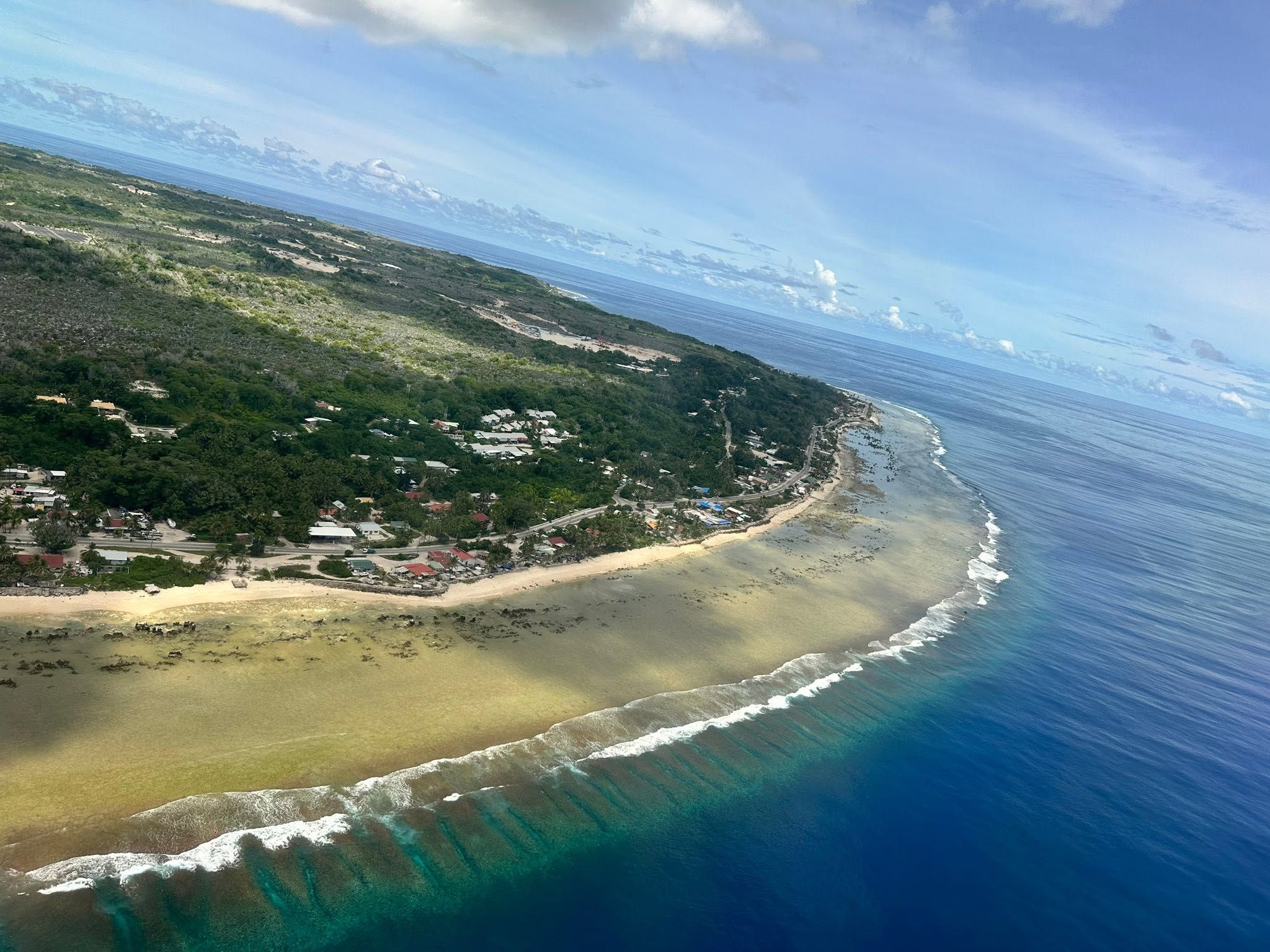
Fiji is among the Pacific nations calling for a precautionary pause on deep sea mining until there is enough scientific evidence to show it can be carried out without causing irreversible environmental damage. Photo/Facebook/Sakiasi Ditoko
Suluai-Mahuka says the proposal could affect far more than American Sāmoa.
"Whatever happens to American Sāmoa's waters will not be an isolated event. Our currents run far and wide."
She is calling on Pacific governments and communities to stand together.
"I know that a lot of the Pacific nations have already taken a stance for a moratorium or precautionary pause. I think we could still amplify that because all of the waters connect us.
"As Pacific islands, we stand together in this in terms of being stewards of the ocean," Suluai-Mahuka said.
If the federal government proceeds after reviewing the Governor Pula's submission, a final leasing notice is expected in October ahead of the proposed lease auction on 19 November.