Winning the battle but losing the people: A Pyrrhic victory?
Thomas Tarurongo WynneWed, 11 Nov

Sāmoan community leader and former National MP Anae Arthur Anae says Pacific MPs must turn increased representation into real results for Pacific communities.
Photo/PMN News Composite
The Sāmoan community leader says representation will mean little unless those seven MPs can turn their seats into real gains for Pasifika.


New Zealand is set to have more Pacific members in Parliament after the election but a former Pasifika MP says the community should now be asking a harder question: what will they actually deliver?
The preliminary result has returned New Zealand First's Alfred Ngaro to Parliament and brought Green Party MP Tania Waikato into the House, adding to Labour's five Pacific MPs. National, however, has no Pacific MP.
With the final result still subject to special votes, the preliminary numbers point to seven Pacific MPs across three parties.
But Anae Arthur Anae says the size of the group is less important than what it does with its influence.
“Whether it's one or 100, it doesn't matter. One, fighting hard, will achieve a lot more than Tania did. So those are the issues we've got to look at,” Anae tells Levi Matautia-Morgan on Pacific Mornings.
The former National MP and Sāmoan community leader says Pacific voters should be watching what their representatives do once Parliament gets back to work, rather than celebrating the increase in numbers.
Listen to Anae Arthur Anae's full interview below.
“We need a voice in there who's got the guts, and I mean that, who's got the guts to tell his party, you have to wake up and look at the Pacific issues and support them.”
That challenge comes as the incoming Parliament takes shape and coalition talks begin with Ngaro returning to the House for NZ First.
Ngaro says having Pacific MPs from different parties can be a strength because Pacific communities do not all think the same way. "Oh, look, it's great. It's always good to have more representation," he told William Terite earlier on the show.
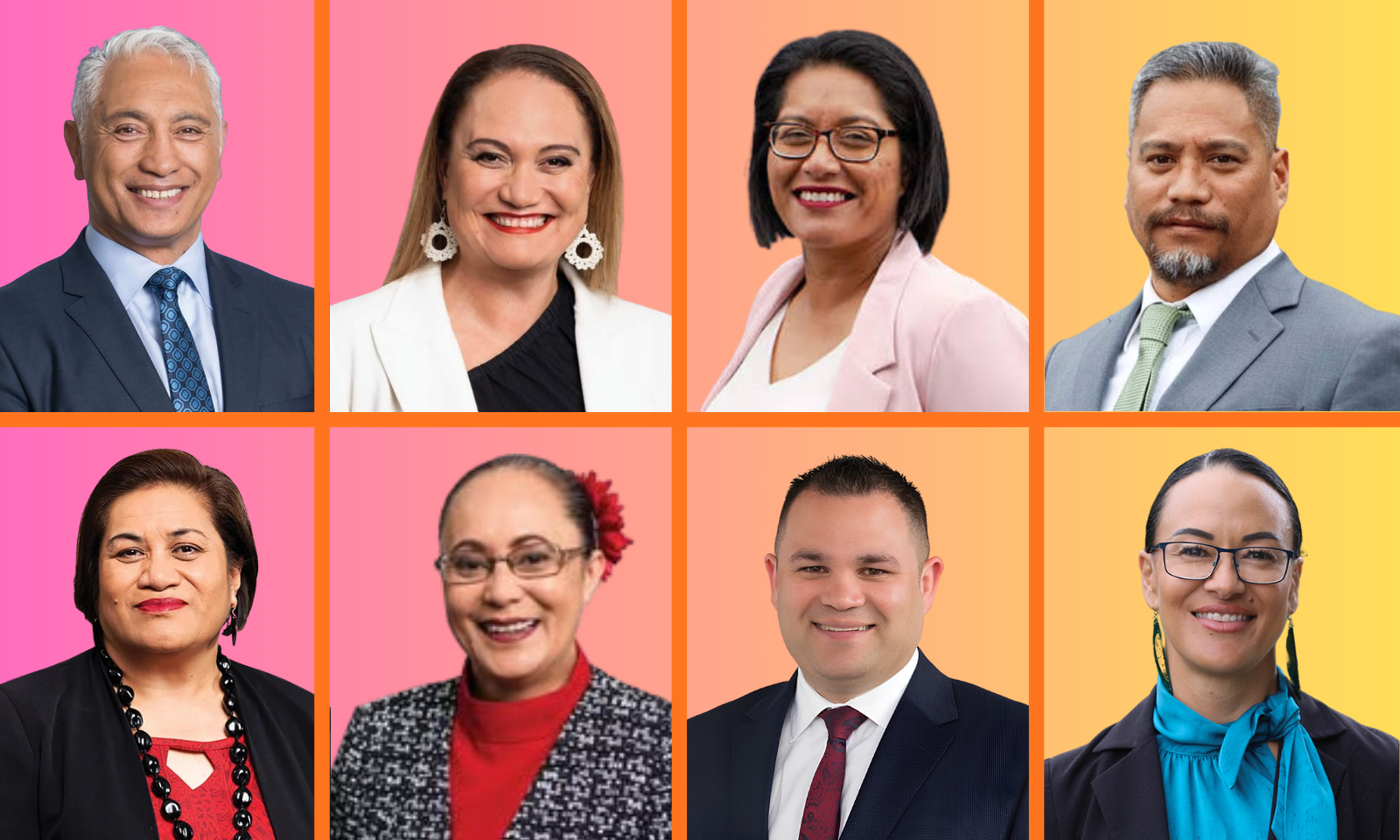
Some Pacific candidates who contested the 2026 general election. Photo/Supplied
"And then it also shows that, you know, as Pasifika people, we're growing in our different points of view, right? And I think that's really important. We don't all think the same way, act the same way.”
But Ngaro says the real measure of representation will be whether Pacific communities see results.
“I think really when it comes down to it, this is where, you know, our Pasifika communities should hold us to account in regards to what is it that we do and what we achieve.”
Anae says National's continued lack of Pacific representation remains a major concern.
“Why should any Pacific people consider National when National doesn't consider us in any way at all to make sure we get representation in Parliament?”
He says the issue is not about having a Pacific face on the benches but having someone prepared to challenge their own party when Pacific interests are at stake.
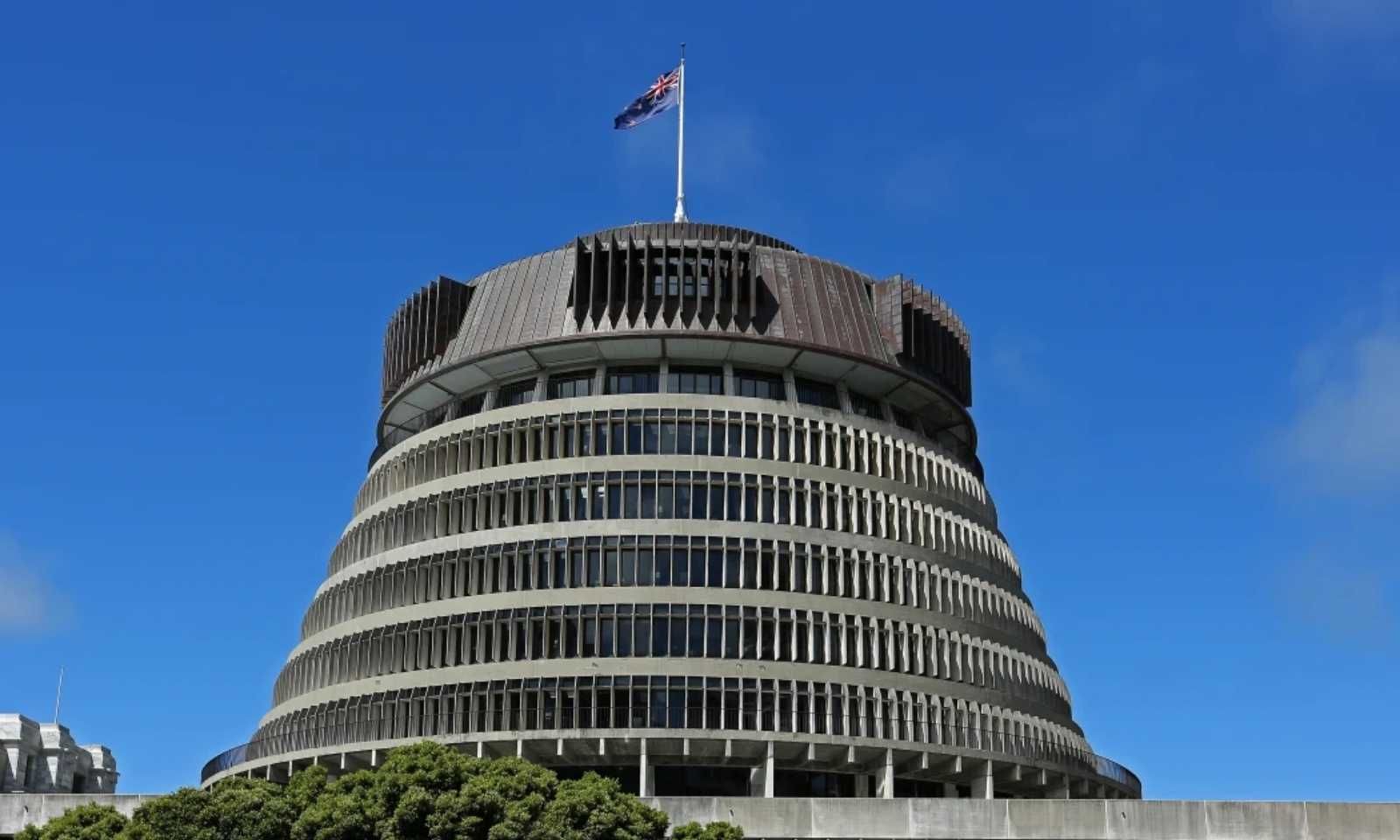
New Zealand's Parliament, where seven Pacific MPs are expected to be represented based on the preliminary 2026 election results. Photo/Supplied
“If they're not listening and they don't want to capture what you're trying to say on behalf of our community, don't waste your time with them.
“Move on somewhere else with a team that's going to go together and support the issues we need.”
Ngaro says the next phase will be particularly important as NZ First enters coalition negotiations and portfolios are discussed.
“Once you've got that, then you can get on with the business. So that's what I'm keen to see happen.”
That is where the preliminary election result starts to become more than a set of numbers for Pacific communities.
The seven Pacific MPs will sit across Labour, the Greens and NZ First, which give the community voices on different sides of the political divide.
Watch Alfred Ngaro's full interview below.
But Anae says those MPs now have a clear responsibility to the people who helped put them there.
“All I can say to any Pacific MP that's there today, if you haven't listened to the voices of the people and if you don't start acting on their behalf and be seen to be acting on behalf, you don't deserve to be there. Full stop.”
The official election results, including special votes, are due on 27 November. Until then, the numbers may still change.
But Anae says the expectation from Pacific communities is already clear: representation is only the starting point.