
Deep sea mining could give investors a legal route to challenge climate action - experts
Christine RovoiThu, 08 Oct
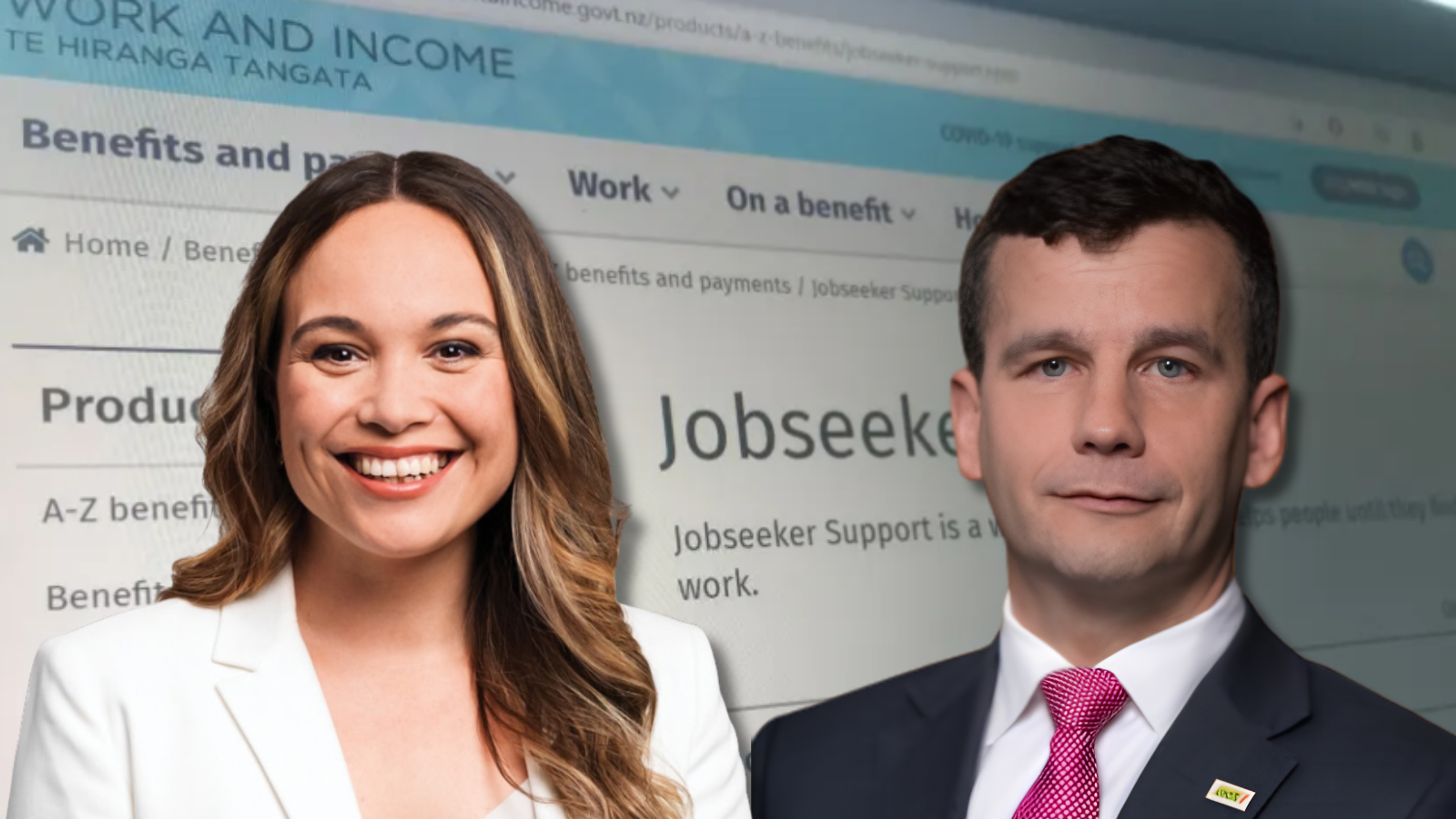
Labour MP Arena Williams and ACT leader David Seymour have offered sharply different answers to the cost-of-living squeeze with welfare rules on one side and the everyday costs facing Pacific families on the other
Photo/PMN News/Composite
The ACT leader says taxpayers deserve a stronger voice in the benefits debate while Labour’s Arena Williams says hidden fees, junk insurance and flight cancellations add pressure to household budgets.



ACT leader David Seymour and Labour MP Arena Williams have offered sharply different answers to the cost-of-living squeeze with welfare rules on one side and the everyday costs facing Pacific families on the other.
Speaking with William Terite on Pacific Mornings, broadcasting live from Sydney, Seymour argued taxpayers were being overlooked in the debate over benefits.
Williams said Labour wanted to stop consumers being hit with costs they did not expect.
The PMN-Horizon Research Pacific Issues Election Survey found nine in 10 Pacific respondents said the cost of living would influence how they vote in November. Jobs and wages followed at 75 per cent, with health at 66 per cent and housing at 65 per cent.
When asked what parties should prioritise for Pacific families, 67 per cent named the cost of living, 54 per cent chose Pacific health services and 51 per cent highlighted housing and home ownership.
For Seymour, it is the taxpayer. “When people talk about beneficiary policies, they don’t talk about the taxpayer who’s funding the benefit,” he says.
Watch David Seymour's full interview below.
The ACT leader wants people receiving Jobseeker Support to face drug testing and, under ACT policy, move to a payment card for essentials after four months.
Seymour pointed to workers in dangerous industries such as forestry, who must undergo drug testing.
“Why should a person who is supposed to be using a benefit as a temporary source of income, while they search for a job, be unable to do that job?” he said.
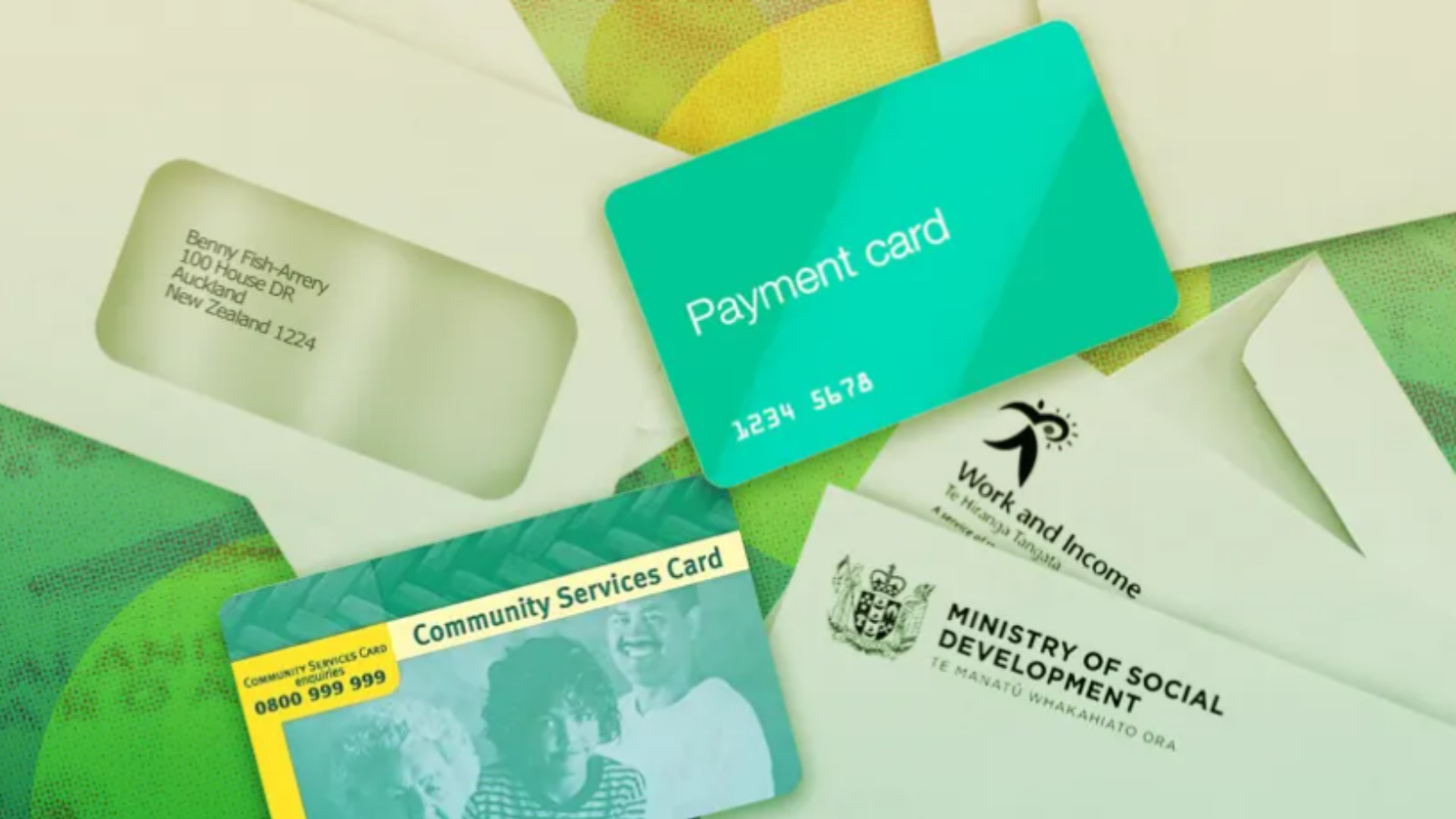
The ACT leader wants people receiving Jobseeker Support to face drug testing and, under ACT policy, move to a payment card for essentials after four months. Photo/RNZ/Quin Tauetau
National plans random drug testing for some Jobseeker recipients from next year, with 10,000 tests in the first year. From 1 April 2028, people who have received Jobseeker Support for two of the previous three years would move to a lower rate.
But Seymour questioned why ACT should wait that long.
“Why wait for two years? The second question is, if the person genuinely can’t get a job after two years, because they’re ill or have some sort of problem, then why would you cut their benefit?” he said.
Under ACT’s plan, people on Jobseeker Support for four months would receive a payment card that could be used for essentials.
“By which we mean a plastic card that works at Pak’nSave for the essentials,” he said.
Williams’ focus was on costs that can quietly eat into family budgets, particularly for Māori and Pacific households managing tight finances.
Watch Arena Williams' full interview below.
“This is something that is really important to me as the MP for Manurewa when I see Māori and Pacific families really managing their budgets tightly, but things like hidden fees and junk insurances adding up,” she said.
Labour’s proposed Fair Go law would target add-on insurance sold at car yards, including cover for navigation systems and paint, and require sellers to show the full price upfront.
Williams said a concert ticket advertised at $100 could cost $138 by the time fees were added at checkout.
Labour has also promised refunds for cancelled or significantly changed flights.
“At the moment, New Zealand consumers, unlike other consumers around the world, aren’t entitled to a refund when a cancellation of their flight occurs,” she said.
“Labour’s saying, no, we’re the party that stands up for the little guy. We’re the party that stands up for consumers,” she said.

Labour’s proposed ban on price gouging would cost taxpayers nothing because consumers and groups such as Consumer NZ could bring cases. Photo/123RF
The two also clashed over government spending. Seymour said every part of government needed to save money, including foreign aid, which he said “has got out of control”. National plans to shift more than $820 million into health, with more than half of the money coming from aid outside the Pacific.
Williams said enforcing Labour’s proposed ban on price gouging would cost taxpayers nothing because consumers and groups such as Consumer NZ could bring cases.
National disputes Labour’s spending approach. Social Development and Employment spokesperson, Louise Upston, said: “A Labour coalition would squander surpluses, hike debt and hit Kiwis with nine new taxes to pay for its spending plans.”
Seymour’s coalition partner, NZ First leader Winston Peters, told media: “How quickly can that go straight from there to fascist behaviour?”
New Zealand’s general election is on 7 November with advance voting opening on 26 October.