Opinion: If we are at the climate table, why are we still on the menu?
Thomas Tarurongo WynneMon, 05 Oct
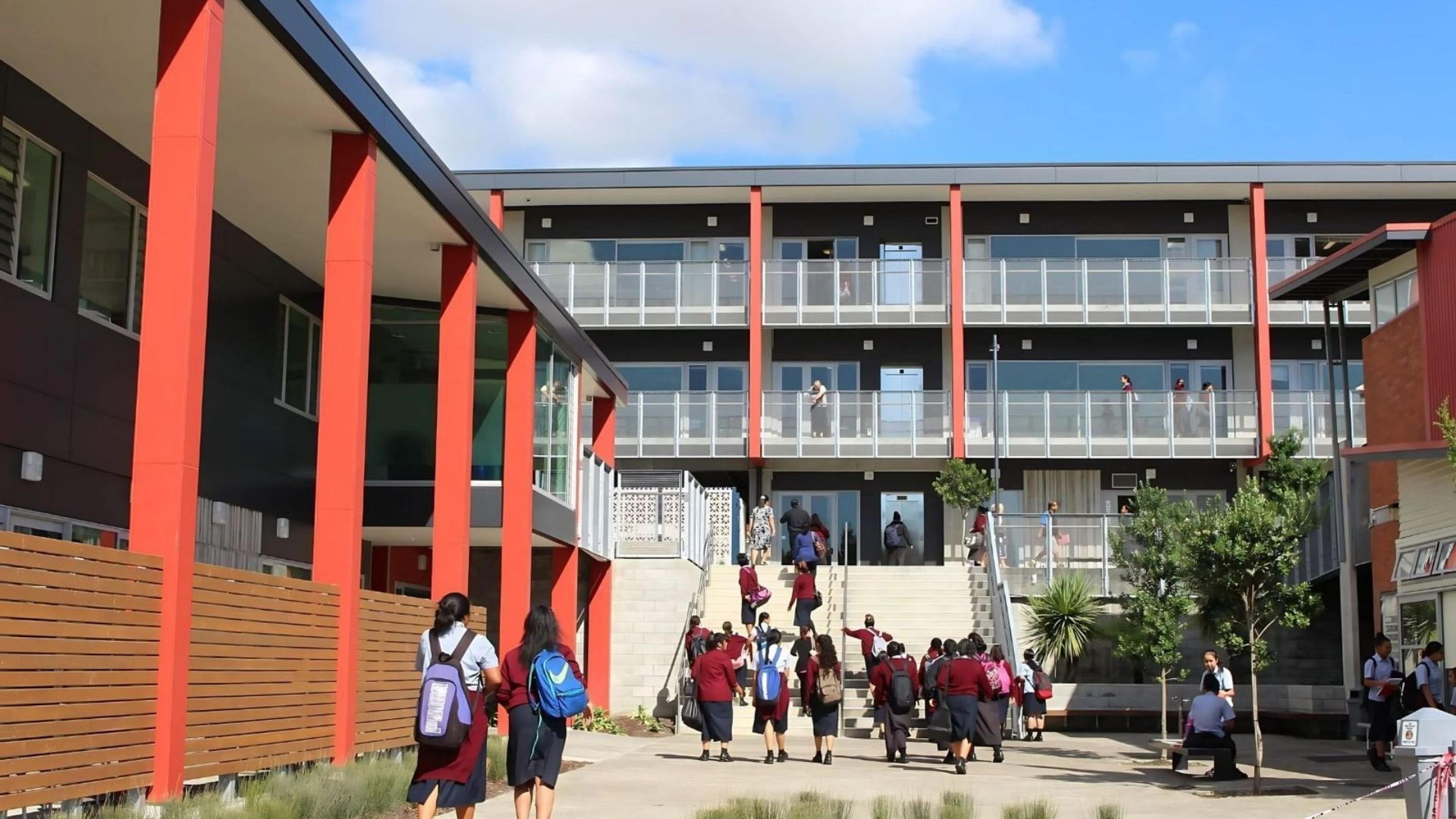
Concerns are growing over how the proposed replacement for NCEA could affect Māori and Pacific students.
Photo/Supplied
New modelling suggests more than two in five Pacific students who achieved NCEA Level 2 could be exposed under the proposed replacement as teachers warn it could also widen existing gaps.

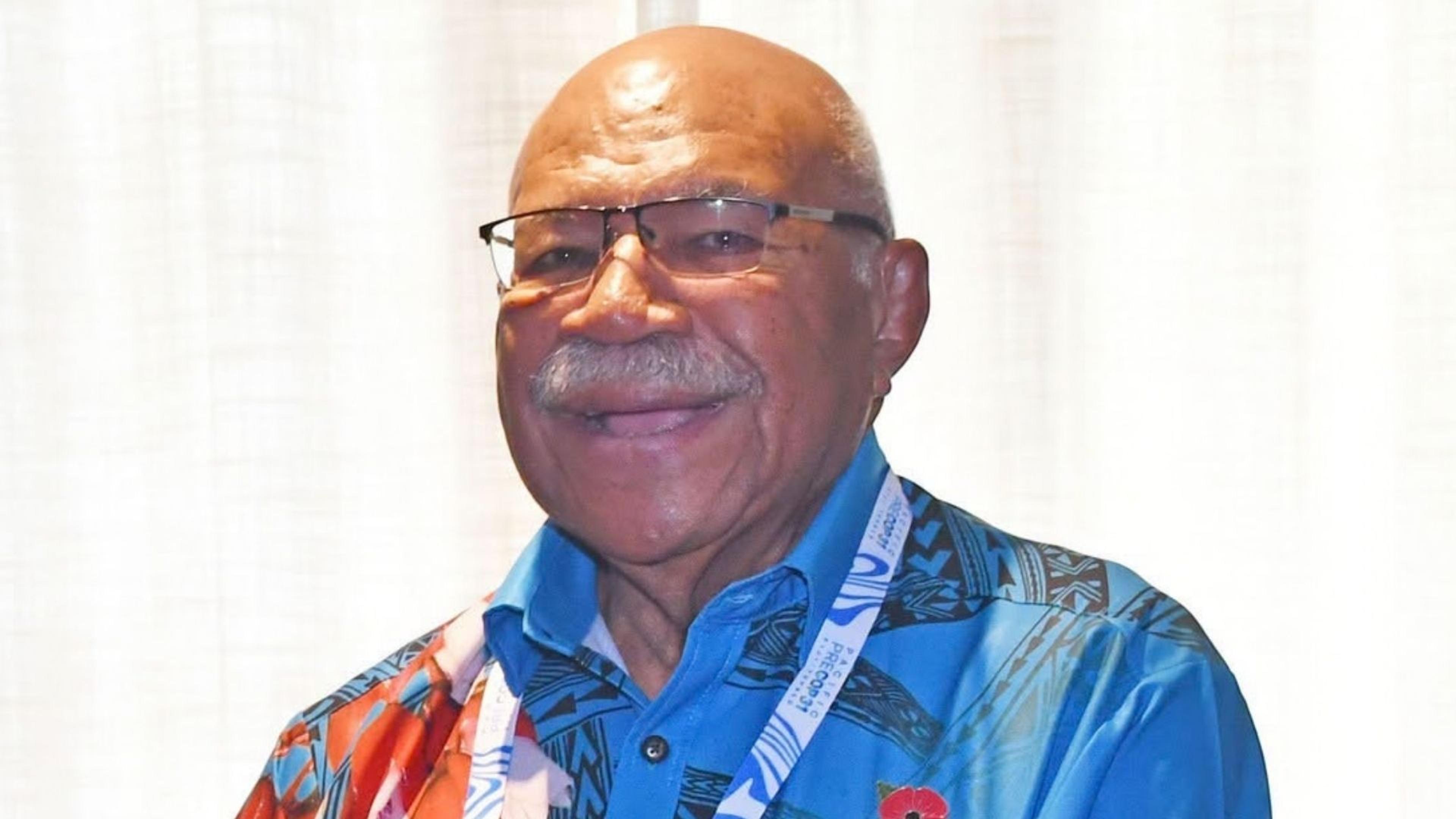
More than two in five Pacific students, who achieved the National Certificate of Educational Achievement (NCEA) Level 2 last year, could be at risk under the Government's proposed replacement for the qualification, teachers are warning.
New modelling cited by the Post Primary Teachers' Association (PPTA) suggests almost 15,000 students, who achieved Level 2, could struggle under the new system.
This includes more than 6700 Māori and Pacific learners, the PPTA says.
For Pacific students, teachers say the concern is not about changing how qualifications are awarded. It is about losing the flexibility that allows schools to shape learning around the students in front of them.
Anna Perelini-Savage, Napier Girls' High School PE teacher, told William Terite on Pacific Mornings that the figures were “very, very scary”.
As a teacher, she says flexibility in NCEA can help schools take account of students' cultural backgrounds, prior knowledge, and different ways of learning.
Watch Anna Perelini-Savage's full interview below.
“If they can see themselves in their learning because we have the flexibility to be able to choose different standards here and there or choose different contexts. That's a great thing. And it keeps lots of students engaged.”
Perelini-Savage says that flexibility can be especially important for Māori and Pacific students whose strengths may not always show up in traditional academic subjects.
“You put them on a Kī-o-rahi field and they go for gold. And they are the ones that are teaching the rest of the class about tikanga and the skills that are involved.”
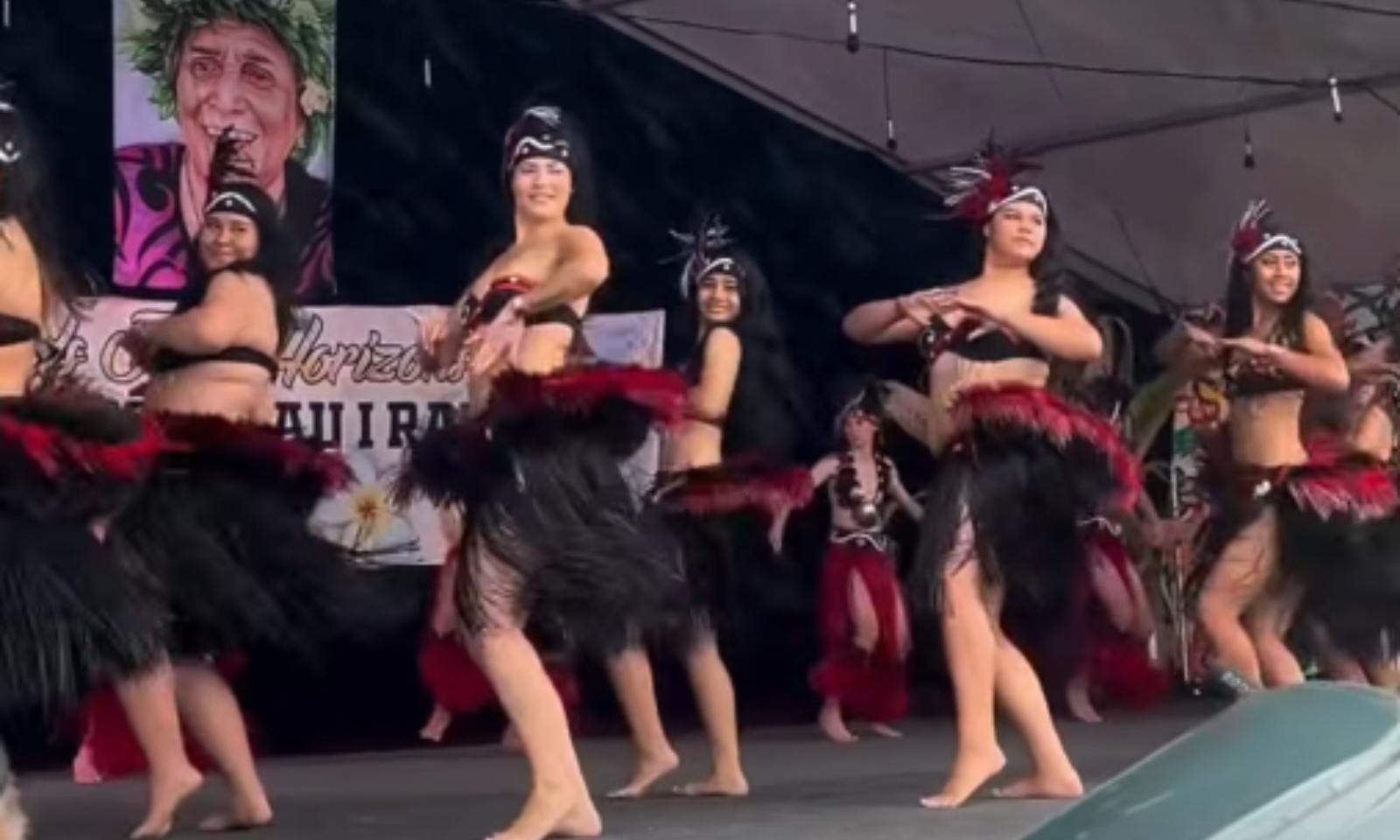
Under NCEA, students could earn credits by taking part in cultural performances such as Polyfest. Photo/PMN News
Perelini-Savage says those strengths can currently be recognised through NCEA credits and standards. But she fears a more rigid qualification could shut out students who are already struggling to stay engaged at school.
“I think if this goes ahead, it's going to shut out so many kids that are kind of on the edges, that are, you know, just hanging in there.”
Her warning comes as recent Ministry of Education data shows Pacific students' regular attendance has improved while their sense of belonging has fallen. The proportion, who say they feel they belong, dropped from 74 per cent to 65 per cent while 26 per cent now say they feel like an outsider.
Tapuala Malo Toe, a Pacific parent, says the concerns around a more rigid assessment system are already familiar.
Toe, whose two daughters are working through NCEA, previously told PMN News that they can struggle when learning becomes more individual and exam-focused.
“When they’re individual, they get flustered and they give up so easily,” he said.
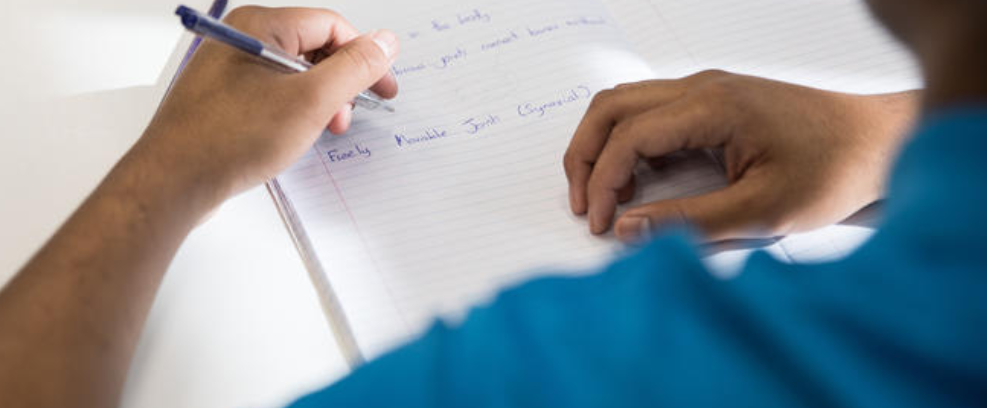
Exams could become a compulsory part of the new high school curriculum. Photo/RNZ/Cole Eastham-Farrelly
He said his daughters often did better in creative and cultural subjects, highlighting the different ways Pacific students can engage and show what they know.
Perelini-Savage says relationships between teachers and Pacific students are central to keeping them engaged.
“Relationships with our Māori and Pasifika students are, you know, probably, if not the most important thing first, and then comes the academics and the learning and the classroom.”
That concern is also shared by Pacific young people who say students need room to find their strengths rather than being pushed into one pathway too early.
PPTA president Chris Abercrombie says it is not too late to slow the reform down.
“Absolutely not. No final decisions have been made as far as we know, and so there's time to do this,” he told Terite.
Listen to Chris Abercrombie's full interview below.
He says teachers are not against reform but believes the proposed move from a flexible system to a more rigid one could disadvantage Māori and Pacific learners.
“I think at the moment, the flexibility of NCEA is used to its fullest potential with Māori and Pasifika students for many reasons.
“And I think we're going to be moving from a flexible system to quite a rigid system. And that move is going to disadvantage a significant number of students.”
Abercrombie also says schools could face up to $58 million in extra costs from training, professional development, relief teachers and the time needed to implement the new system.
“We need to know what your plan is,” he says, calling for more detail on how schools will be supported financially.
The Government says the new qualifications are intended to be clearer, more consistent and internationally comparable, with subject-based assessment replacing NCEA. The new system is planned to begin rolling out from 2028.
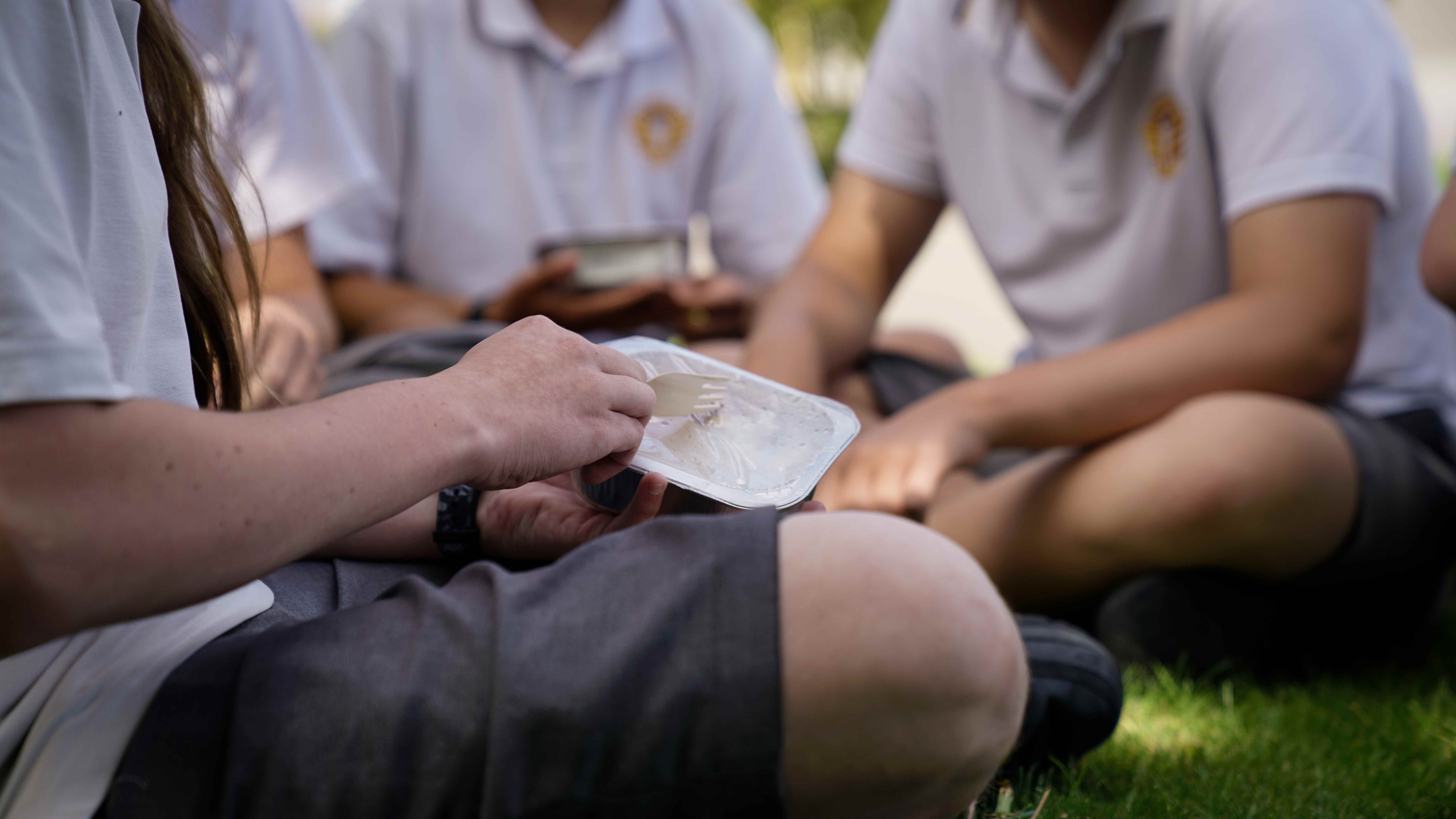
The Government is preparing to replace NCEA with a new senior secondary qualification. Photo/Ka Ora, Ka Ako Healthy School Lunches Programme
But Perelini-Savage says the test should be whether the new system gives the greatest number of young people a chance to succeed.
“I would say, let's not have those 15,000 students be written off as, you know, the price to pay for this new reform that supposedly is going to be amazing for everyone.
“I think those 15,000 students are very important and if they're not succeeding, then we're doing something wrong. So please listen to us.”
The new system is due to begin rolling out in 2028, giving the Government time to address concerns before the new Year 12 and Year 13 qualifications are fully in place.