High blood pressure a silent killer, Solomon Islands calls for stronger action
Lachlan EddieFri, 23 Oct
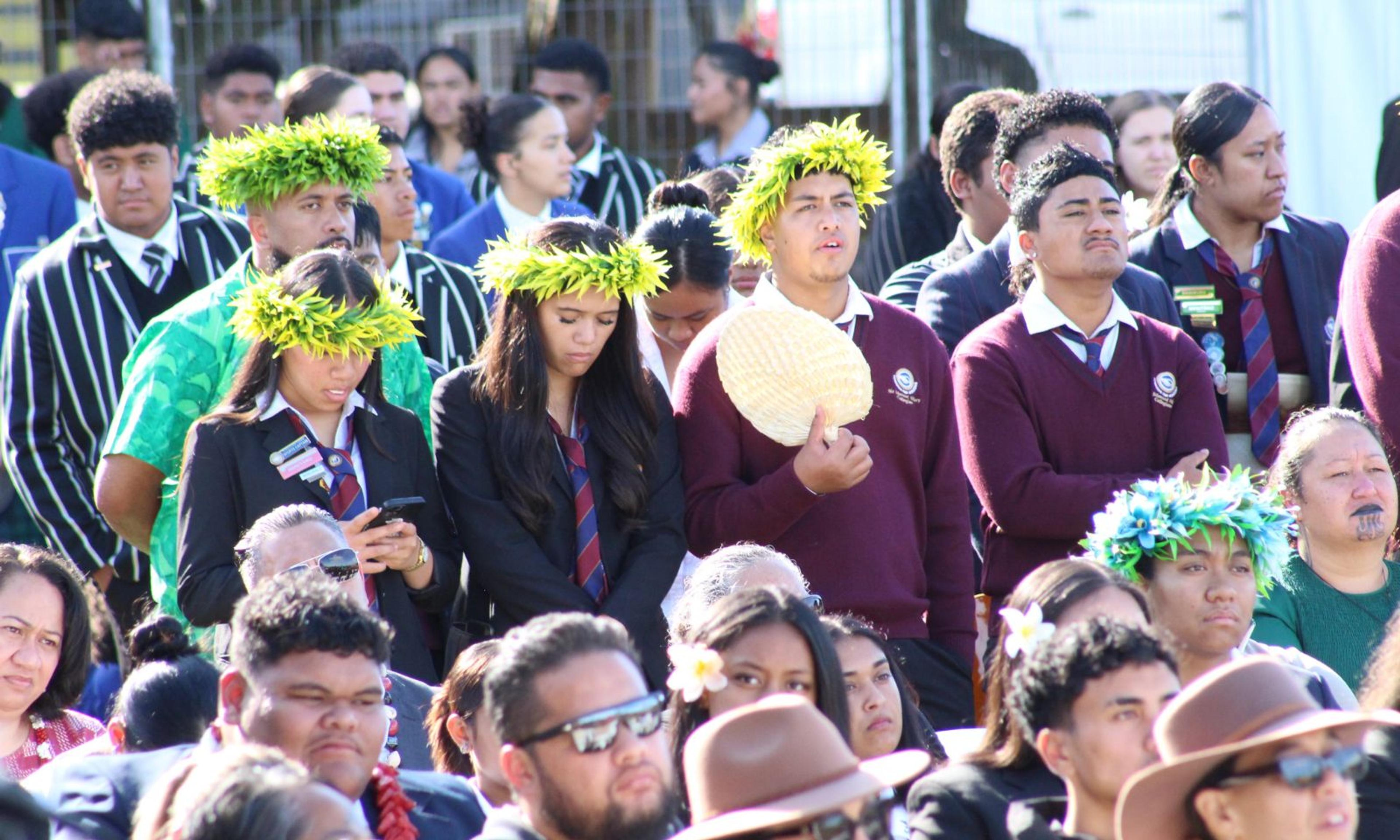
Pacific students arrive at school in greater numbers but new data shows a growing gap in their sense of belonging.
Photo/PMN News/Candice Ama/file
The latest education figures reveal a sharp rise in Pacific attendance but falling belonging, shrinking early childhood workforce, and fewer students in tertiary study are raising fresh concerns.




Pacific students are turning up to school in much greater numbers but a sharp fall in their sense of belonging is exposing a deeper strain across the education pathway.
The latest Ministry of Education data shows regular attendance among Pacific students has risen from 26.3 per cent in Term 2, 2022 to 51.4 per cent - a 25.1 percentage-point increase.
But the Action Plan for Pacific Education Measurement Framework Data Update shows the proportion of Pacific learners who say they feel they belong has fallen from 74 per cent to 65 per cent, according to the
The same data shows fewer Pacific staff working in early childhood education, fewer Pacific learners in tertiary study and fewer Pacific apprentices.
Pacific Mornings host William Terite spoke with education leaders and advocates about what the figures mean for Pacific learners, from early childhood through to tertiary study.
Porirua College principal Ragne Maxwell says the figures reflect a school system under heavy pressure from constant change while Pacific families are also dealing with the cost of living.
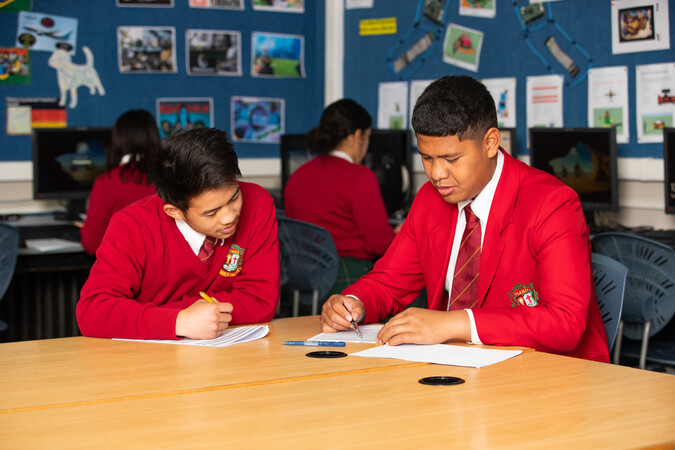
The latest Ministry of Education report highlights rising attendance alongside concerns about Pacific students’ connection to school. Photo/Ministry of Education
“Our time to focus on being culturally connected and integrated and making learning relevant for our students has been entirely undermined by the amount of sheer change we are dealing with every single day in the education sector,” she said. “And it's completely overwhelming.”
Maxwell says many Pacific secondary students are also under pressure to leave school early and help their families financially.
“Long term, and I'm sure we've seen this across our secondary schools as well, is that our young people, as they're coming into year 11, 12, and 13, they are leaving school in alarming numbers because they have to go to work.”
Watch Will's Word by Pacific Mornings host William Terite below.
She says the cost of living crisis is shaping the choices young people are making.
“The cost of living crisis that we're living in is determining the futures for our young people and they're going into work.”
At Flat Bush Primary, principal Banapa Avatea says the fall in Pacific students' sense of belonging is deeply concerning.
“I find that quite alarming, actually, to be fair,” he said. “My school is, I think, 79 per cent Pasifika, and certainly to hear that, it really hurts my heart.”
Avatea says schools need to recognise Pacific culture as a strength and not something separate from learning.
“At the end of the day, we want our children to actually feel that within the school, that their culture is their superpower, that their culture is just the taonga that they bring into the school every single day.”
Watch Ragne Maxwell and Banapa Avatea's full interview below.
He also wants the Education Ministry to provide better data on Pacific bilingual units and said they are performing strongly on attendance and achievement in his school.
The pressure starts even earlier.
Pacific early childhood education staff have fallen from 2395 in 2021 to 2012 in 2025 - a drop of 383 staff. At the same time, the number of Pacific children participating in early learning has increased.
Jacoba Matapo, Professor of Pacific Early Childhood Education at the Auckland University of Technology, says the workforce decline risks weakening the cultural foundations children build in their earliest years.
“We know our Pacific teachers bring with them their cultural knowledge. They bring with them their cultural expertise and also their pedagogies, which is really important to teaching and learning.”
Matapo says the sector needs stronger pathways into early childhood education (ECE) qualifications, including more scholarships and support for Pacific students to complete their studies.
Watch Jacoba Matapo's full interview below.
Without that, she warns Pacific early learning services could face closures.
“I think in five years time, if we don't see this turn around, we're actually going to see, and I don't want to see this happen, but closures of our Pacific early childhood services because they're impacted first and foremost.”
Further up the education pathway, the ministry data shows Pacific tertiary learners fell by 1820 in 2025 versus 47,365 in 2022.
Tschan Hagai, Auckland University Pacific Island Student Officer, says cost is a major factor, with some students choosing work and family responsibilities over study.
“It is a harsh reality that many of our students face where they have to toss up whether tertiary education is more important or helping their family.”
Hagai says removing financial barriers means looking beyond tuition fees.
Watch Tschan Hagai's full interview below.
“This goes into transport because lots of us live out South, out West, and it's like $10 a day just to get to campus.”
Associate Education Minister David Seymour says the rise in attendance is encouraging but accepts getting students through the school gate is only the first step.
“Now stage two is not guaranteed just because you're there, but if you're not there and you fail at stage one, then you're definitely not going to get the benefits of education.”
Seymour says charter schools are part of the answer, pointing to Sisters United, a Māori and Pasifika girls’ charter school in Auckland, as an example of what he says can happen when schools have more freedom to shape their approach around their students.
Seymour says the Government's target is 80 per cent regular attendance for all students.
But he rejects the view that schools should focus more heavily on Pacific identity, language and culture, arguing the priority should be academic learning and skills.
Watch David Seymour's full interview below.
“What they really want from their school is to be given the rigorous academic opportunity to learn.”
Seymour also defended the pace of the Government's education reforms, saying change had been necessary despite the pressure it placed on schools.
But Pacific educators say the latest figures point to a challenge that goes beyond getting students through the school gate - ensuring they feel they belong, have access to Pacific educators and pathways, and can stay in education through to tertiary study.