

Tautalaleleia Sa’u is underwhelmed by the National party's proposed changes to student loan repayments.
Photo/Supplied
Politics
Pasifika student questions if lower loan repayments will keep graduates in NZ
Tautalaleleia Sa’u says saving $39 a fortnight may help but bigger financial pressures are facing Pacific students before they even graduate.

Khalia Strong
Published
31 August 2026, 12:19pm
Share
Copy Link
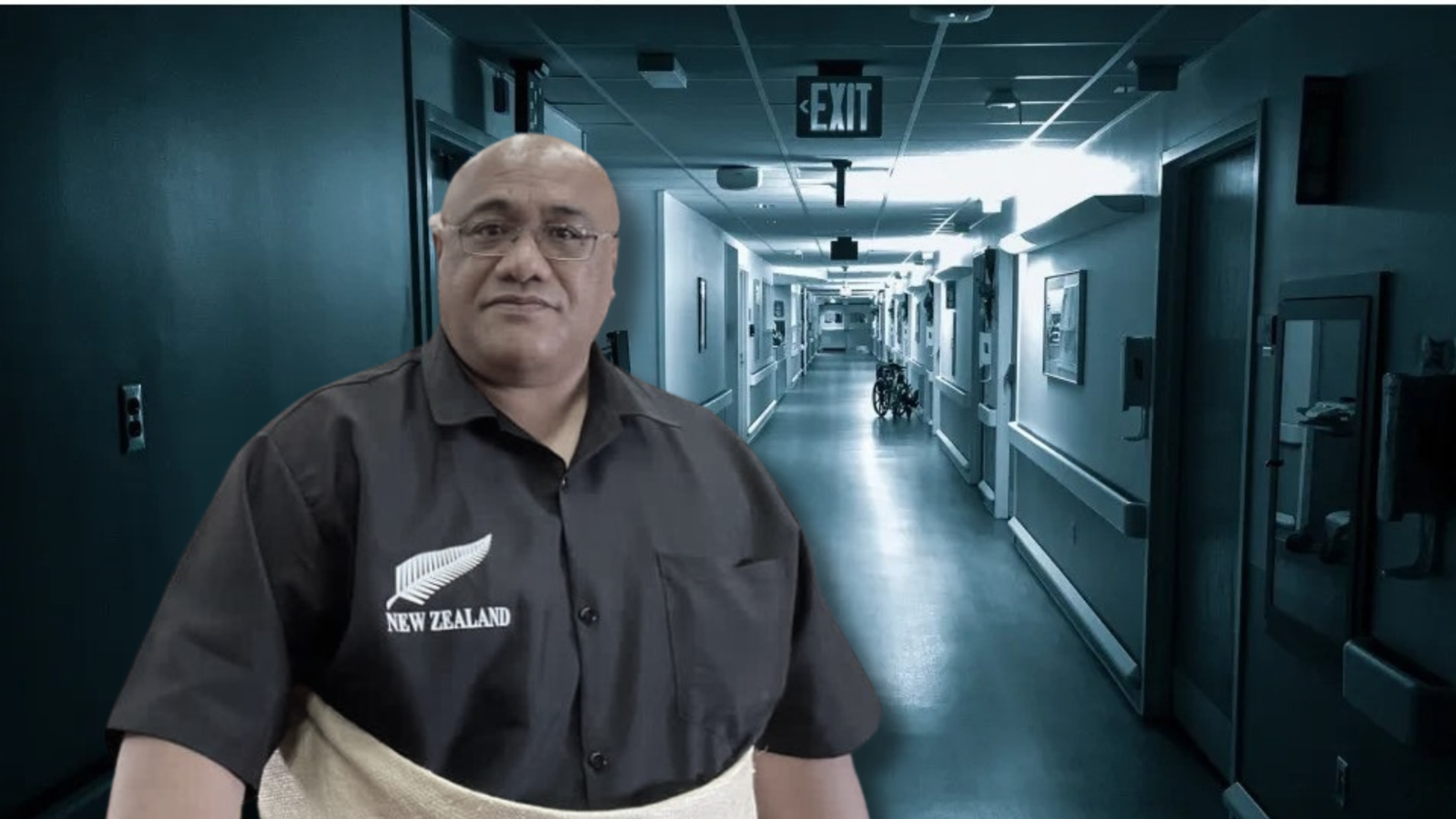


For Tautalaleleia Sa’u, the question is not simply how much he will repay on his student loan after university in New Zealand.
It is whether Pasifika students can afford to get through university in the first place.
The 19-year-old is the first in his family to attend university and is now in his second year of a Bachelor of Law and Bachelor of Commerce at Victoria University of Wellington, where he is also president of the Pasifika Students’ Council.
His comments come after National announced on Sunday plans to reduce compulsory student loan repayments from 12 per cent to 10 per cent above the $24,128 threshold if the party is re-elected.
Nicola Willis, National Finance spokesperson, told media the change would mean an accountant earning $75,000 a year would keep an extra $39 a fortnight, or about $1000 a year.
Sa’u welcomes the proposal but questions whether that saving would be enough to influence where graduates choose to build their futures.
“For someone struggling, every dollar matters,” Sa’u tells PMN News.
“But I struggle to believe that $39 a fortnight is going to be the deciding factor for a graduate who is comparing their long-term opportunities in New Zealand with what they could potentially earn and save overseas.”
Willis says overseas-based borrowers account for $4.5 billion of overdue student loan debt, and argues tougher penalties along with lower repayments, could encourage more graduates to stay in Aotearoa.
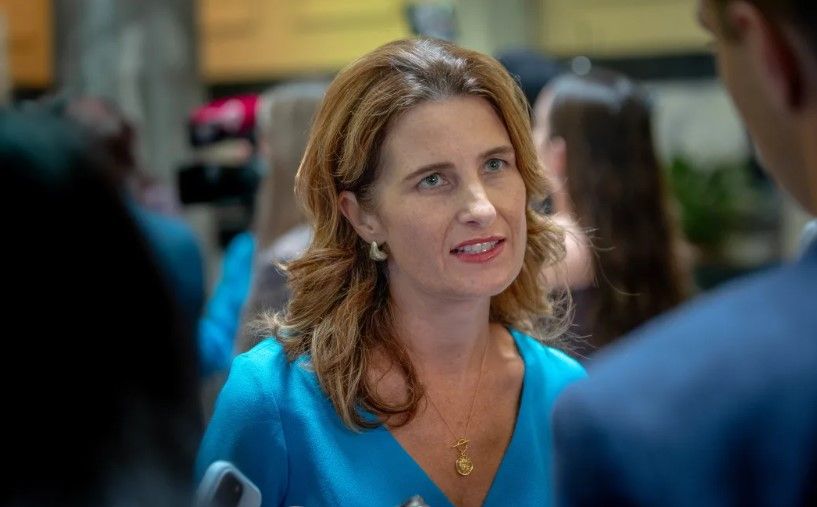
National's finance spokesperson Nicola Willis says the changes should encourage more graduates to stay in NZ. Photo/RNZ/Mark Papali'i
But Sa’u says leaving is not always about wanting to leave.
“It can simply become a financial decision: Where can I build the most stable future for myself and my family?”
For Pasifika students, Sa’u says, the financial pressure starts well before graduation.
“The basic costs of living - particularly rent, food, and healthcare,” he says.
“Some students are balancing university and working 30–40 hours a week just to keep themselves afloat, while also contributing to family, church, or cultural commitments such as a fa'alavelave.”
Sa’u says the Government should also look at reducing the debt students build up while studying.
He supports reinstating and strengthening the Fees Free Scheme, saying this could make a much bigger difference for students from families who cannot easily cover the cost of tertiary education.
“I am incredibly fortunate to have received scholarship support …but for other students, it would have been $11,000 to $10,000 less for a student.”
Sa’u says lower loan repayments are a positive step, but retaining Pasifika graduates will take more than reducing repayments once they enter the workforce.
“While lowering repayments provides some immediate relief, I think we need to be much more ambitious if the goal is genuinely to retain our graduates,” he says.
National is also promising tougher penalties for borrowers who leave New Zealand without repaying their loans.
The changes would include adding one per cent to the annual interest rate on overseas-based borrowers' balances, taking it to 6.6 per cent, restricting KiwiSaver withdrawals for people who permanently leave New Zealand and making it easier to seek arrest warrants for serious, sustained defaults.

Proposed changes to student loan repayments could save new graduates $39 extra per fortnight. Photo/File
Shanan Halbert, Labour tertiary education spokesperson, says National is reversing a student loan repayment increase it introduced in 2012.
“Any relief for graduates will be welcome. But young people will judge National on its whole record,” Halbert said in a statement.
For Sa’u, the bigger question is what happens before a student ever reaches the point of repaying a loan.
If Aotearoa wants more Pasifika graduates to stay, he says the Government needs to make studying, living and building a future in New Zealand more affordable in the first place.