High blood pressure a silent killer, Solomon Islands calls for stronger action
Lachlan EddieFri, 23 Oct
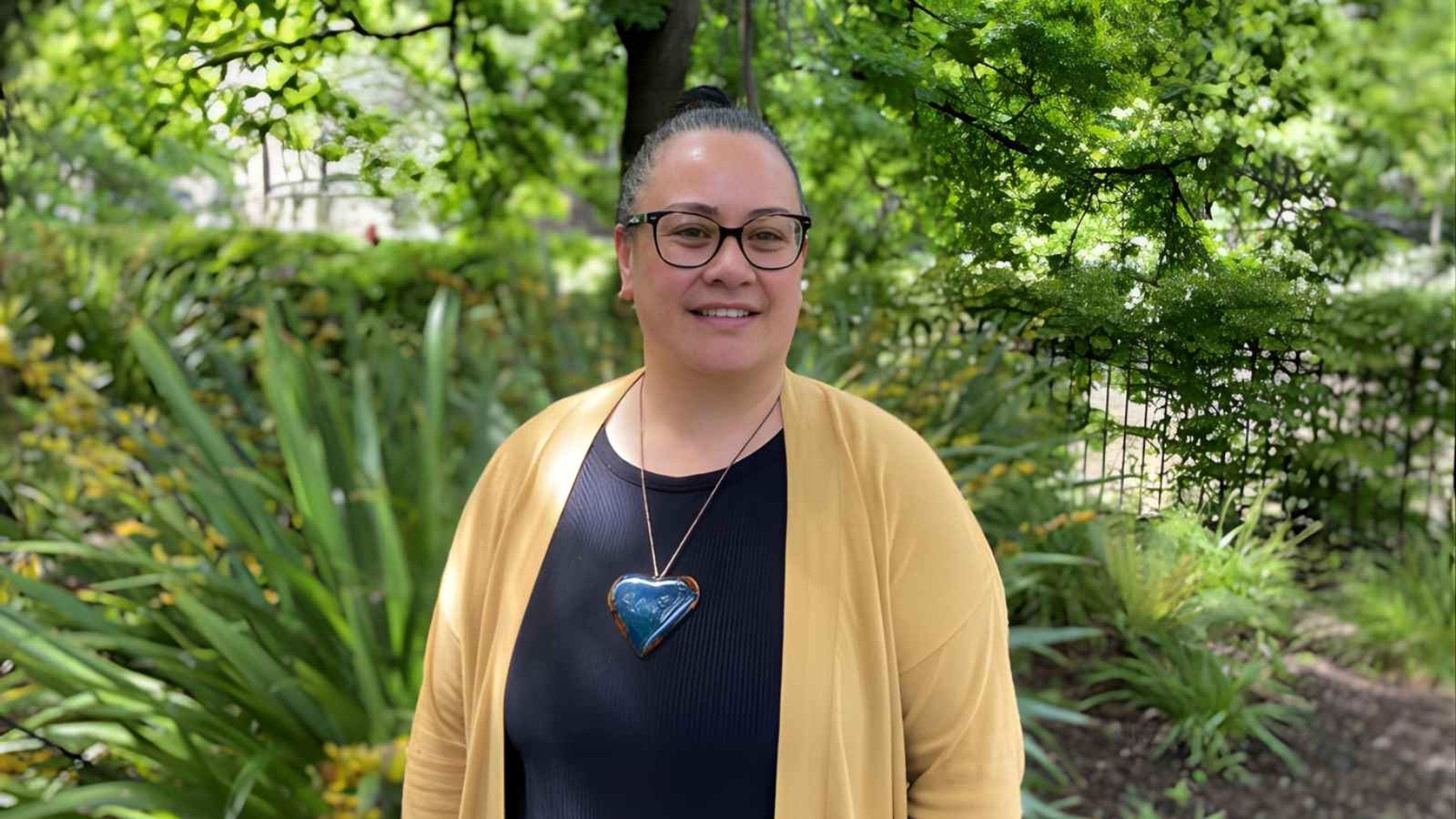
Dr Wahineata Smith.
Photo/Royal Society Te Apārangi
Dr Wahineata Smith, inspired by her Tongan-Māori children, is rethinking how data collection captures multi-ethnic experiences.

Too often, children of Māori-Pacific heritage are reduced to a single checkbox on a form.
For Dr Wahineata Smith (Ngāti Korokī Kahukura and Ngāti Ranginui), a mother of Tongan-Māori children, that simple act erases the richness of multi-ethnic identity.
She says her research aims to change that. Inspired by her children, Smith is reshaping how data collection works with dual heritage, which she says highlights the nuances of multi-ethnic experiences that are often overlooked.
Smith is embarking on a four-year fellowship, the Mana Tūāpapa Future Leader Fellowship, worth NZ$820,000, beginning in April 2026.
Her work aims to address systemic gaps while celebrating the richness of multi-ethnic whakapapa.
Smith’s earlier research, including her paper Intersecting Whakapapa: Rethinking Data Sovereignty For Māori-Pacific whānau, analysed Māori-Pacific data sovereignty through two pilot studies involving families in Dunedin and Hamilton.
Speaking with William Terite on Pacific Mornings, Smith says her inspiration comes from her lived experience as a mother of four children with Māori and Tongan heritage.
She says current institutional systems often fail to capture the complexity of dual identities, frequently reducing individuals to a single "tick box" ethnicity.
“If you're more than one ethnicity, only the first one is counted in most cases. So without also exploring or examining the whole person and at home, what their lived realities are,” Smith says.
“We're not a one-size-fits all for our education, health system and justice system. So it's taking that holistic approach and finding out what our people are doing when we have dual or multiple ethnicities.”
Watch Dr Wahineata Smith’s full interview below.
Smith also hopes her research will help government agencies recognise and value multiple ethnicities.
She plans to physically connect whānau to their roots through trips to Tonga and iwi in Waikato, while also supporting cultural practices at home, like “doing lotu [prayer] or karakia every day” in different languages to build children’s confidence.
“My hope is that families and children can be proud of who they are, who they come from and where they come from,” Smith says.
“I hope that families can be confident in their cultural context, whether they're at a funeral or tangi or birthday, they know and feel confident in those situations what to do.
“I hope that this research can make a real intergenerational impact on the families that I'm directly working with and beyond that.”
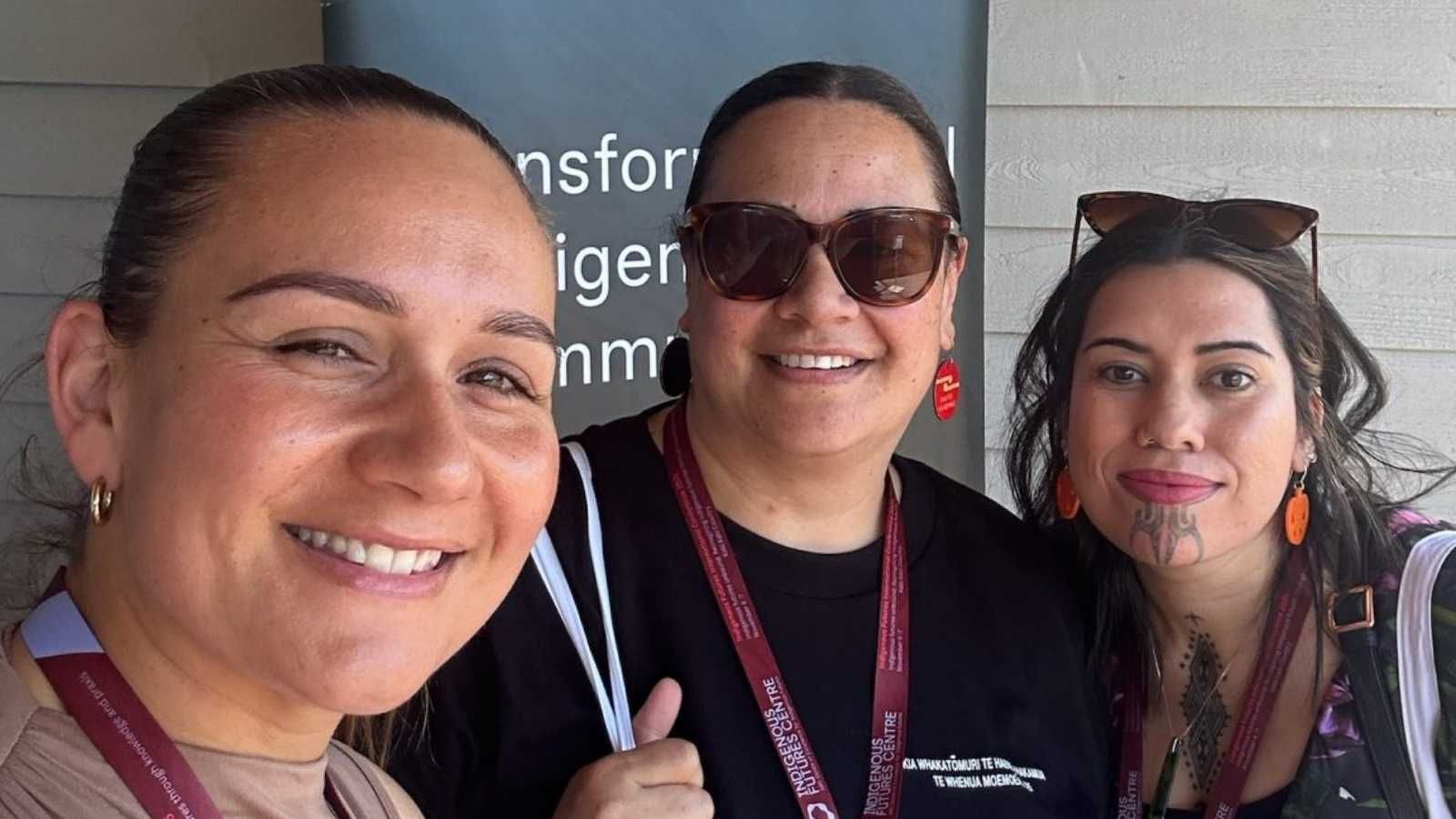
(From left to right) Erana Severne-Takataka, Dr Wahineata Smith and Arianna Nisa-Waller. Photo/Otago University
Smith's work has already demonstrated impact. At the Indigenous Futures International Conference 2025, she co-presented alongside participating mothers to ensure whānau voices were integrated throughout the process.
Arianna Nisa-Waller, one of the mothers, praised Smith for moving beyond "Western research parameters", while Erana Severne-Takataka highlighted the research’s importance as Aotearoa sees "more blends of Tongan and Māori children".
According to Otago University, Dr Martin Gagnon, acting deputy vice-chancellor (research and enterprise), Smith’s fellowship highlights the talented researchers at the institution and the potential of her work to shape the future of Māori-Pacific whanau.