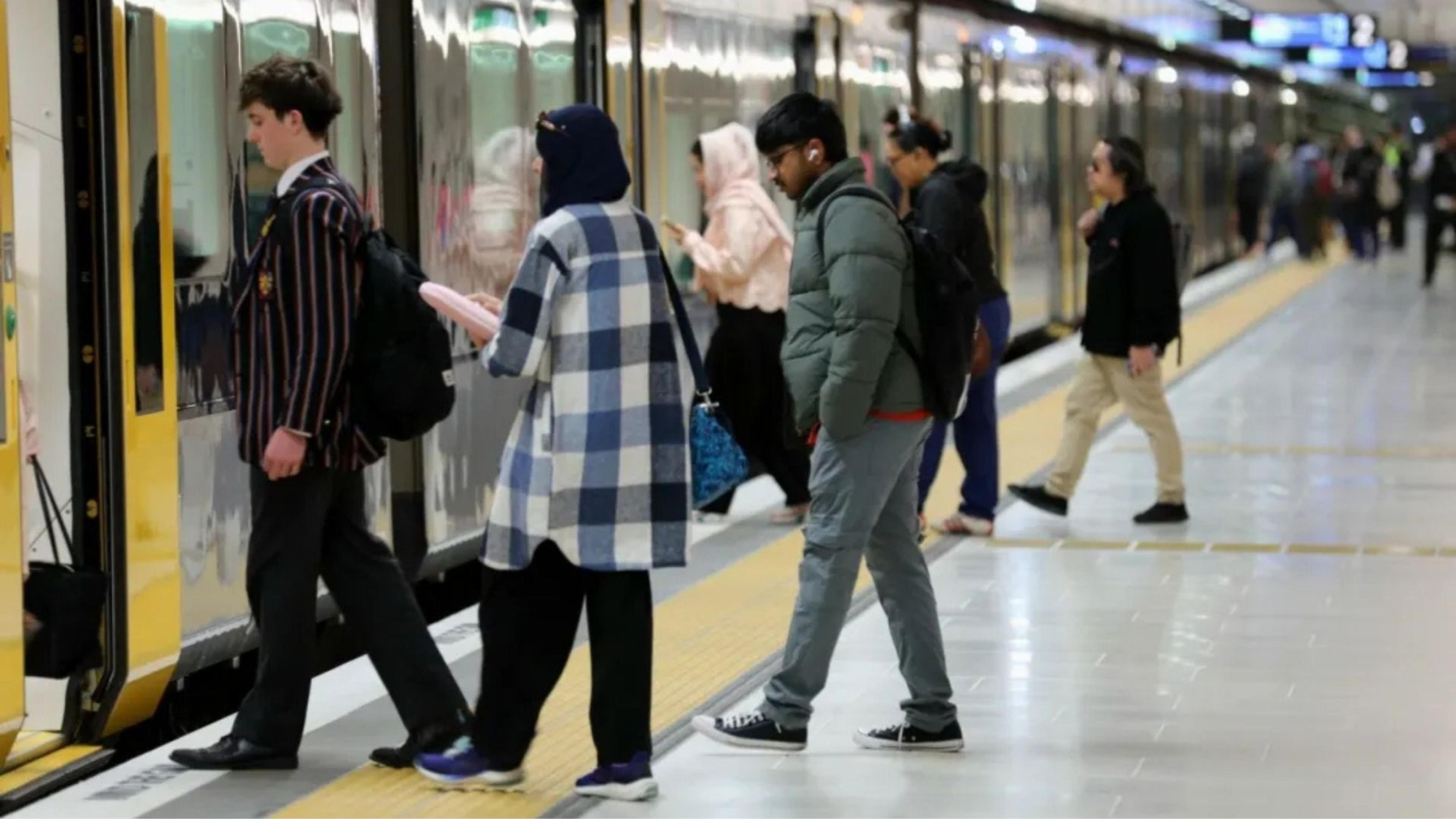
Auckland’s new City Rail Link enters its first weekday rush hour, putting the long-awaited network to its first major test.
Photo/RNZ/Nick Monro
Community
South Auckland commuters face first real test of Rail Link
Advocates says the new service could be a game changer for rangatahi but its success will depend on more people choosing public transport over roads.

PMN News
Published
14 September 2026, 1:12pm
Share
Copy Link
Top stories

'Cheap as chips' but Pacific families face big barriers to treating gout
Thomas Tarurongo WynneThu, 08 Oct
Tongan wrestler eyes final shot at Olympic dream in Los Angeles
Elton Lonaratha JnrThu, 08 Oct
Top stories
'Cheap as chips' but Pacific families face big barriers to treating gout
Thomas Tarurongo WynneThu, 08 Oct
Tongan wrestler eyes final shot at Olympic dream in Los Angeles
Elton Lonaratha JnrThu, 08 Oct
Auckland’s City Rail Link is facing its first real weekday test with South Auckland commuters among those expected to see whether the new rail connection can make a difference to daily travel.
The $4.4 billion project opened to passengers on Sunday, with about 61,000 people boarding Auckland trains by 5pm, more than three times the number recorded at the same time the previous Sunday.
Monday marks the first rush hour since the long-awaited link opened.
South Auckland Pacific councillor Alf Filipaina was among the early passengers, catching the first train from Ōtāhuhu into central Auckland.
“It was really cool yesterday morning getting up to catch the first train into town from Otahuhu,” he told William Terite on Pacific Mornings.
Filipaina said travelling through the new tunnel to Waitematā was more than just an engineering milestone. “It is a game breaker for our community and Tāmaki Makaurau,” he said.
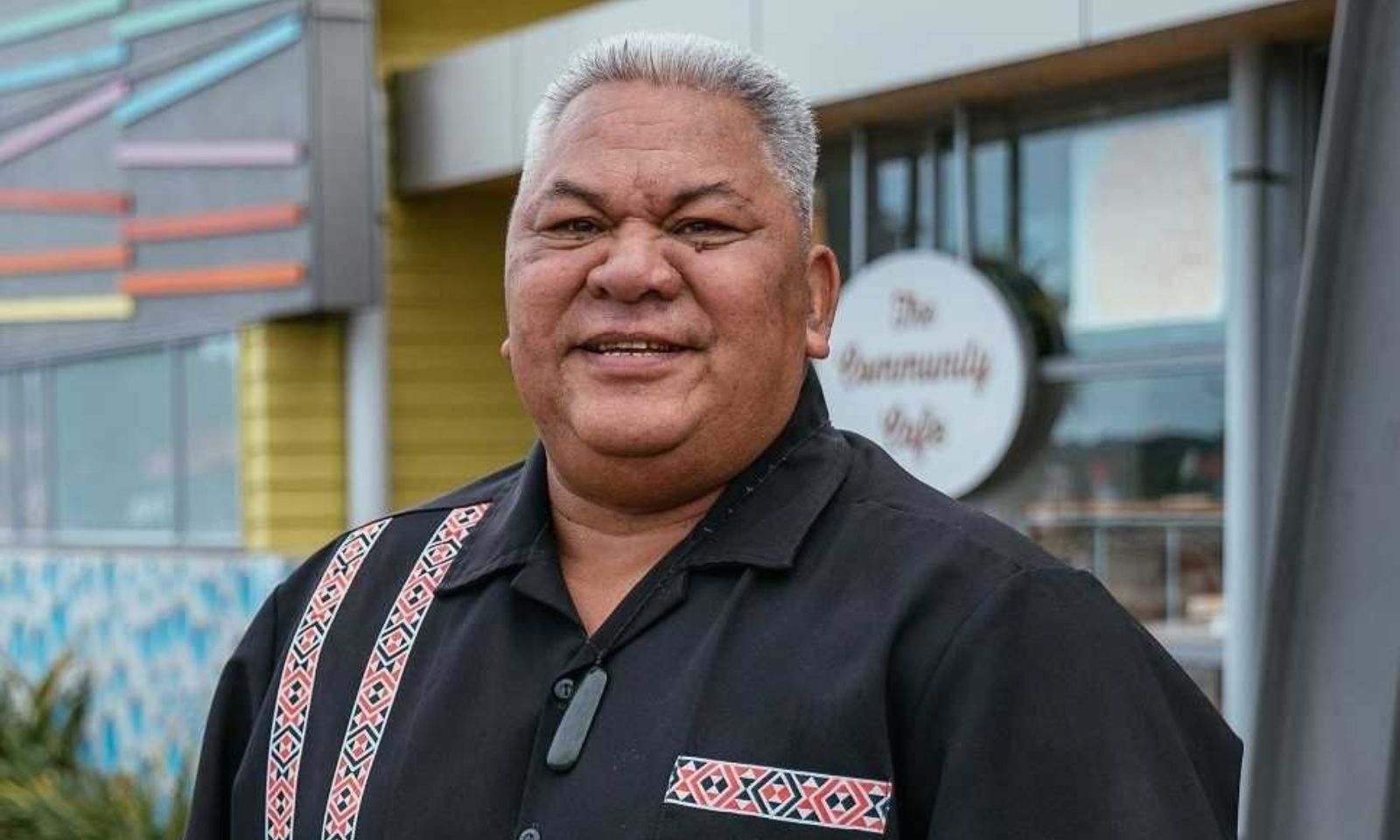
South Auckland councillor Alf Filipaina says the City Rail Link could be a game changer for communities in the south. Photo/file
The benefits are already being felt by some South Auckland commuters. CBD finance worker Maria Latu and her friend Katinia Hafoka both commute from Ōtāhuhu Station to work around Queen Street and Victoria Street.
Latu told RNZ the new service is saving them about 15 minutes of walking each day by allowing them to get off at the new Te Waihorotiu Station.
She says the train trip from Ōtāhuhu used to take about 30 minutes but now takes about 15 minutes.
Arriving at Te Waihorotiu Station for the first time, Hafoka described it as “luxurious”.
The excitement was shared by other passengers from the south. Twenty-three-year-old Taylor travelled from Drury to Ōtāhuhu, arriving at 3.40am to catch the first passenger service through the CRL.
“It’s exciting to see Auckland’s future coming to fruition,” Taylor told the Franklin Times. “It’s definitely worth getting up early for.”
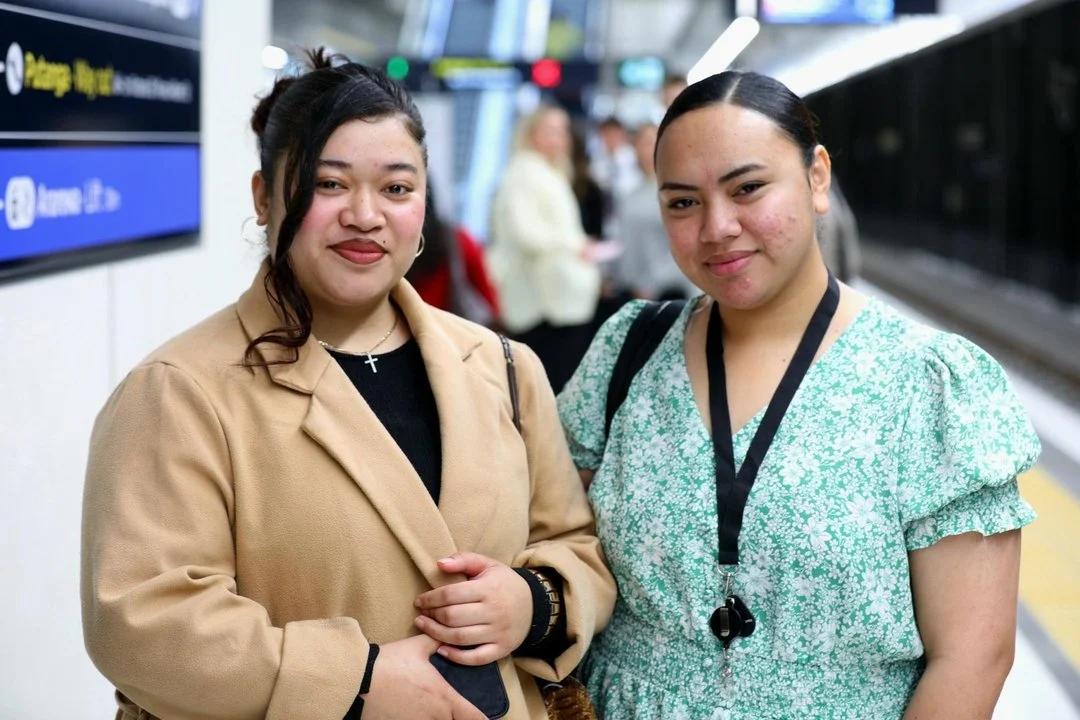
Auckland CBD workers Maria Latu and Katinia Hafoka commute from Ōtāhuhu to work, saving about 15 minutes with the opening of Te Waihorotiu Station.
For South Auckland, Filipaina says, one of the biggest gains could be for young people travelling to tertiary education. “I think it has and for me it is around getting or having public transport for our young ones that go into AUT University to tertiary institutions just to go into town is going to be good for those out south.”
But Filipaina says getting a project of this scale across the line was far from simple.
He has seen the City Rail Link debate stretch across successive governments and local councils, dating back to his time at Manukau City Council.
“It’s not easy to get especially the project like the CRL,” he said. “There was issues and problems about the budget but it's not a project that everybody sort of says, yeah they signed it, let's get building, that's it.”
Now the focus shifts from building the link to whether Aucklanders actually use it.
Filipaina hopes greater public transport use will help reduce pressure on Auckland’s motorways and main roads, particularly for people travelling from the south.
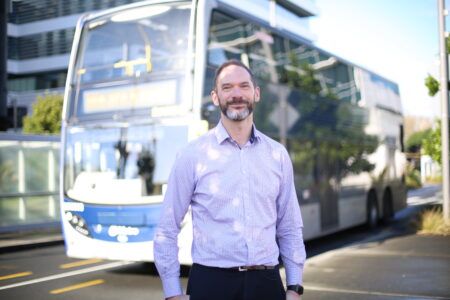
Auckland Transport director Richard Harrison says strong passenger numbers show Aucklanders are embracing the new City Rail Link. Photo/Supplied
Richard Harrison, Auckland Transport director of public transport and active modes, says Aucklanders have embraced the new network. “This shows how the City Rail Link will revolutionise the way Aucklanders move around their city,” Harrison told The Times.
Harrison says more than double the usual capacity of train units was running on Sunday as passengers got used to the new CRL routes.
“We’ve also had more than double the usual capacity of train units operating today, and we’ve certainly needed them with Aucklanders out in force getting to know the new CRL routes,” he said.
The first weekday morning commute is now the bigger test, with trains running every four to five minutes through the new stations during peak hours.
“I’m hoping that it does and they see the benefits around taking the public transport, whether it be the CRL, the trains or the buses, you know, especially from the south,” Filipaina told Terite.
He says rangatahi could be among the biggest beneficiaries if the new service makes travelling into the city faster and easier.
Listen to Alf Filipaina's full interview below.
“That’s why I said at the beginning, around our rangatahi and that taking the train instead of either the bus, train will be quicker and even getting mum and dad to drop you off.”
The opening also comes as National proposes 50 new police officers to work across Auckland’s transport network, a move Filipaina supports. He says dedicated transport police could provide powers that Māori and Pacific wardens and transport officers do not have.
“If we have Māori wardens, Pacific wardens, even with our transport officers, there will be times that there'll be incidents and they won't be able to hold on to them, won't be able to end up enforcing the powers that the police have.”
Filipaina also used the interview to connect Māori Language Week with Pacific communities. He says Pacific people have long recognised Māori as tangata whenua and supported their rights as Indigenous people.
“With Māori Language Week, our community will always get behind and enjoy our languages, whether it be our Pacific own, but look forward to this week, definitely.”
For South Auckland, the first weekday rush will now show whether the promise of the CRL translates into easier, faster journeys for the communities it is meant to serve.