MPs wait on special votes as election result hangs in the balance
Thomas Tarurongo WynneWed, 18 Nov
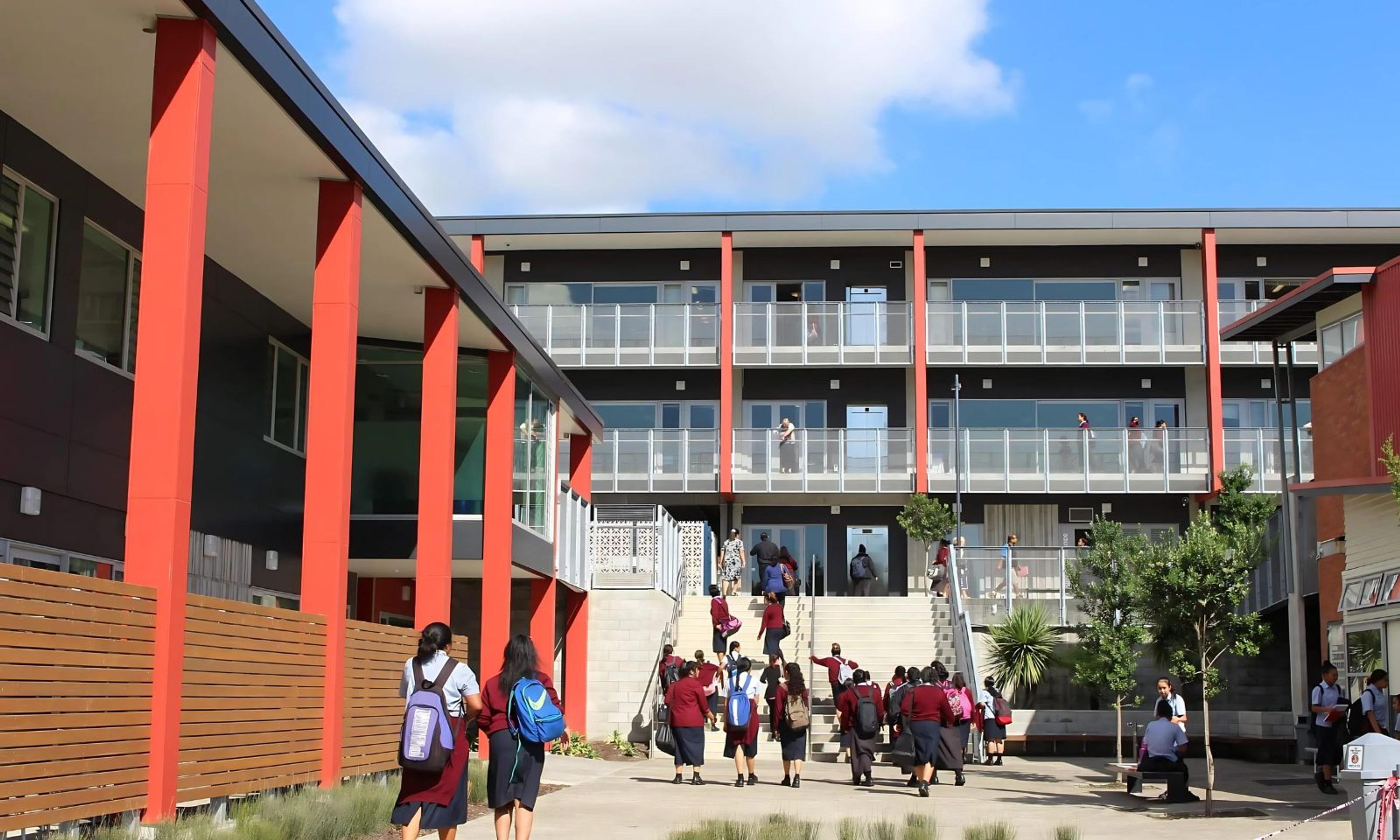
Students arrive at school as NCEA exam disruptions put fresh pressure on New Zealand's online assessment system.
PPTA president Chris Abercrombie says students should not have to worry about an exam crashing amid questions by schools and parents.

Students should not have to sit a National Certificate of Educational Achievement (NCEA) exam wondering whether the system will crash, says Post Primary Teachers’ Association president Chris Abercrombie.
His comments comes as fresh problems with online exams put New Zealand Qualifications Authority's (NZQA) digital testing system under pressure.
More than 32,000 Year 11 students were affected by disruption to this week’s Level 1 English exam with some reporting lost answers and schools having to move students to paper exams.
It followed a separate outage during the Level 2 English exam last week.
Abercrombie says students should not be carrying the worry of whether the technology will work on top of the pressure of an exam.
“It's a real concern. Our kids shouldn't be worried about, is my exam system going to crash? That shouldn't be one of their concerns going into an exam," he told William Terite on Pacific Mornings.
Listen to Chris Abercrombie's full interview below.
He says the system needs to be reliable enough to cope with the known number of students sitting an exam.
“We need it, it needs to be bulletproof, to be frank. It needs to be absolutely lockdown bulletproof and provide the service expected for our young people.”
NZQA has apologised for the disruption and says it will carry out a full independent review.
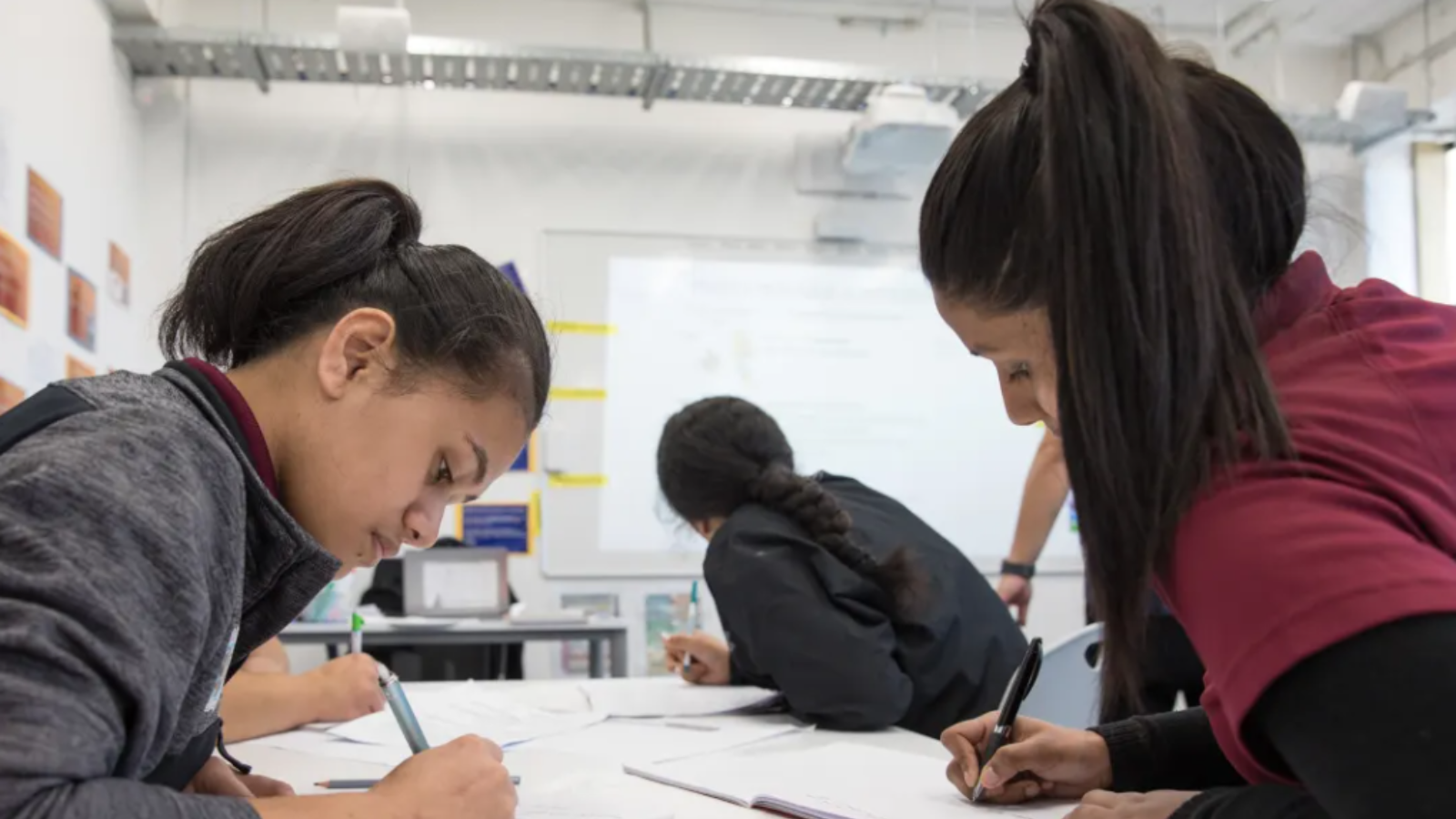
Students were moved to paper exams after problems with the online system disrupted this week's NCEA Level 1 English exam. Photo/RNZ/Cole Eastham-Farrelly/file
But Abercrombie says the sector needs more than assurances.
“My questions around the provider, did we pick the right provider? Are they meeting their contract? These are the questions we need to be asking.”
He says NZQA and the Government need to explain what went wrong and how it will be fixed.
“Because we need more than assurance of that in the moment. We need concrete sort of facts and evidence about what's going on.”
The disruption is also putting extra pressure on schools, which have to manage alternative arrangements and, where needed, work through derived grades.
Abercrombie says that can be manageable for one or two students but becomes a much bigger task when thousands are affected. “It adds time, it adds pressure to the system.”
More than 32,000 Year 11 students were affected by disruption to this week's online NCEA Level 1 English exam. Photo/Supplied
For students already under exam pressure, he says another layer of uncertainty can be particularly hard.
For Pacific learners, who may already find traditional exam settings difficult, he says the disruption can raise another question: whether it is worth coming back to the next exam.
“If you're already sort of worried about the exam, you're already worried about how you're going to do, this adds to that. And you think, well, do I want to go to the next one? You know, what's the point? Is this going to happen again?”
The latest disruption also comes amid wider concerns about how changes to NCEA could affect Pacific learners.
Napier Girls' High School teacher Anna Perelini-Savage previously told Terite that flexibility in NCEA can help keep students engaged by allowing learning to reflect their culture, strengths and different ways of learning.
“If they can see themselves in their learning because we have the flexibility to be able to choose different standards here and there or choose different contexts. That's a great thing. And it keeps lots of students engaged.”
Watch Anna Perelini-Savage's full interview below.
A Year 11 student, Ethan, described a similar experience during the Level 1 English exam. “It's just continuous, we couldn't get out of it,” he told 1News.
He said students were unsure what work had been saved when their screens froze. “The supervisor told me that we would try our best to try and get the work back but we just didn't know what was saved and what wasn't.”
The disruption has also affected students at De La Salle College in Māngere East, one of Auckland's largest Pasifika secondary schools.
The school has confirmed students were affected by the outage during the Level 2 exams and has since said it will have printed exam papers ready as a back-up for remaining NZQA exams.
Anya Zohrab, Parents Alliance co-founder and executive director, says the focus now should be on making sure students get a fair chance to succeed.
“New Zealand should not leave NCEA unchanged for the next two years while another government funded working group considers it.”
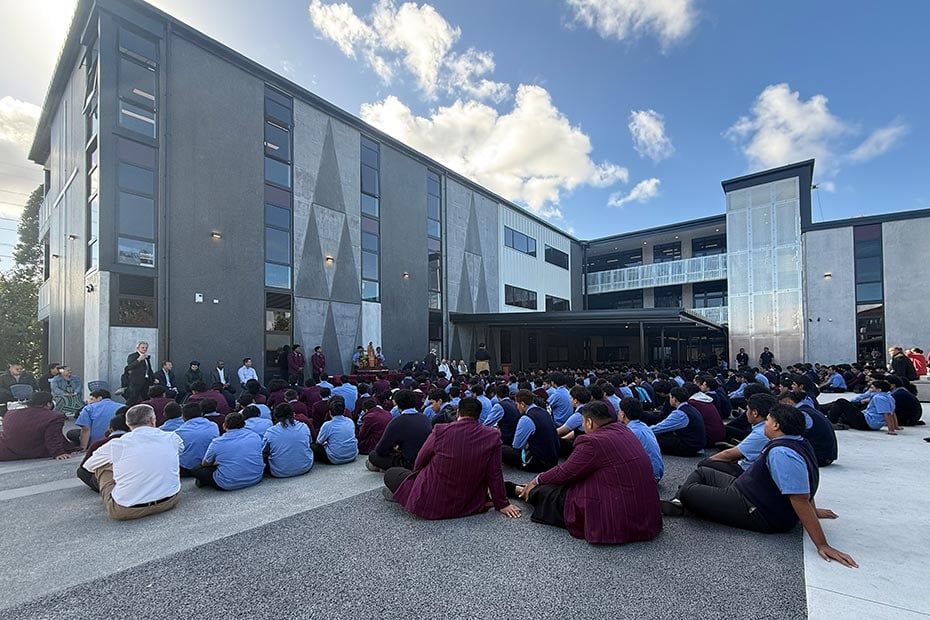
Students at De La Salle College in Māngere East were among those affected by the NCEA online exam disruption, with the school preparing printed papers as a back-up. Photo/De La Salle College
She says any move to a new qualification must be properly planned and supported by educators.
“The challenge now is ensuring the transition to the new qualification is well planned, adequately funded and underpinned by the experiences of our best educators.”
The exam failures have also opened a wider question about whether New Zealand should be moving so quickly towards digital exams and AI in education.
Abercrombie says teachers have not been properly involved in that discussion.
“Do we actually want digital exams? Do we actually want AI marking? Do we want AI involved?”
He says the country should step back after this year's exam period and decide whether digital assessment is actually the best option.
The problems come as the Ministry of Education also faces criticism over AI-generated curriculum videos containing basic errors.
Abercrombie says the wider education system needs more stability, not constant changes.
“Teachers are sick of the pillar to post, the uncertainty and the political bickering and point scoring that's occurring.”
He says schools, teachers and students need a long-term plan that does not change with every government.