
Politics behind keeping 15,000 New Zealanders on the tag football field
Christine RovoiTue, 10 Nov

Cook Islands hospitality businesses are facing seasonal staff shortages as the government considers a 12-month pilot to bring young overseas travellers into short-term tourism and hospitality work.
Photo/Cook Islands News
The proposed 12-month scheme would give young overseas travellers a faster route into seasonal hospitality work amid protections for locals.

The Ministry of Foreign Affairs and Immigration is developing a proposal for a 12-month pilot in 2027 allowing young overseas travellers to take up short-term work in the hospitality industry through a faster, simpler process, with registered employers and clear conditions.
The Cook Islands Restaurant and Hospitality Association (CIRHA) proposed introducing a working holiday visa for short-term employees from Australia, New Zealand, Canada, Europe and North America.
The tourism and hospitality sector is the main economic driver for the Cook Islands, accounting for 70 percent of the nation's Gross Domestic Product. New Zealanders make up the majority of the annual visitor arrival, comprising up to 65 percent of total international arrivals.
"We thank the Cook Islands Restaurant and Hospitality Association for its proposal and for the constructive way it has engaged with us," MFAI's secretary Elizabeth Wright-Koteka said.
"We appreciate the pressure that staff shortages are placing on hospitality businesses, particularly during the busy season, and we share the industry's goal of maintaining the standard of service our visitors expect."
She said that MFAI agreed that Cook Islands' current immigration settings were largely designed for longer-term employment and not well-suited to short-term seasonal work.
CIRHA president Philip Nordt met with Cook Islands Immigration Minister Tingika Elikana in May with the proposal that would allow the industry to fill the labour gaps.
"Great response and a nice way forward to make this happen for the hospitality industry," Nordt said about the ministry's plan for the pilot.
Wright-Koteka said that in designing the pilot, the ministry aimed to balance speed and flexibility for employers with other important considerations.
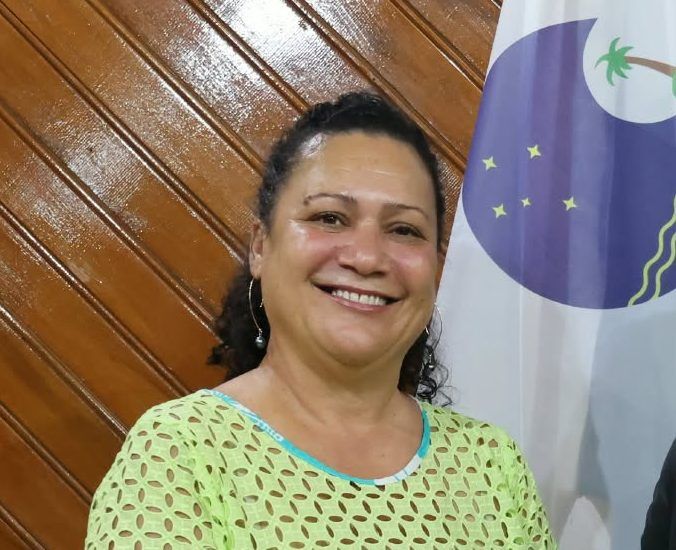
Elizabeth Wright-Koteka says the proposed pilot aims to help hospitality businesses manage staff shortages while protecting local jobs, worker welfare and community interests. Photo/Cook Islands News
These include protecting job opportunities for Cook Islanders, particularly young people entering the workforce; the welfare of overseas workers; pressure on accommodation; and health and community safety, as well as ensuring that delivery by a small Immigration team will have minimal impacts on the timely processing of other permit applications, including those from the CIRHA's members.
"Starting with hospitality, over a defined period with proper evaluation, allows us to test the model where the need is greatest. The pilot is subject to government consideration and approval, and we have written to CIRHA and will be inviting them to work with us on the detail," she added.
"CIRHA's proposals on youth training and wage support fall largely outside the Immigration mandate have been referred to the relevant agencies. We look forward to continuing to work with CIRHA and the wider tourism industry on practical solutions."
CIRHA had also proposed a $20 per hour wage for school-leavers to retain youth and reduce the numbers leaving for New Zealand after school.
The CIHRA proposed the introduction of a fast-tracked tourist visa with work rights, subject to the required medical checks.
Where possible, these medical requirements could be completed while the employees are in the Cook Islands, rather than undergoing the standard work visa process prior to arrival.
This will enable a quick and more efficient turnaround wherever possible for both employers and employees.
The proposal seeks to create a flexible labour support mechanism that assists businesses during seasonal peak demand periods, supports economic growth and tourism service delivery, encourages cultural exchange and international connectivity, provides flexibility for young international travellers, reduces excessive administrative barriers for short-term seasonal workers and strengthens the Cook Islands' reputation as a modern, progressive Pacific destination.
Nordt said the Cook Islands hospitality and tourism sector experiences severe labour shortages during peak tourism months.
Under the proposal, workers will get an initial permit period of six months, which can be extended to an additional three months.
According to CIHRA, the proposed Working Holiday Permit framework would increase available labour during peak tourism periods.
It added it would also improve customer service standards, support tourism growth targets, increase visitor spending, support small and medium-sized enterprises, increase taxation revenue through business growth, reduce operational stress on existing staff, enhance destination competitiveness and encourage longer visitor stays and repeat visitation.
This story was first published in the Cook Islands News.