
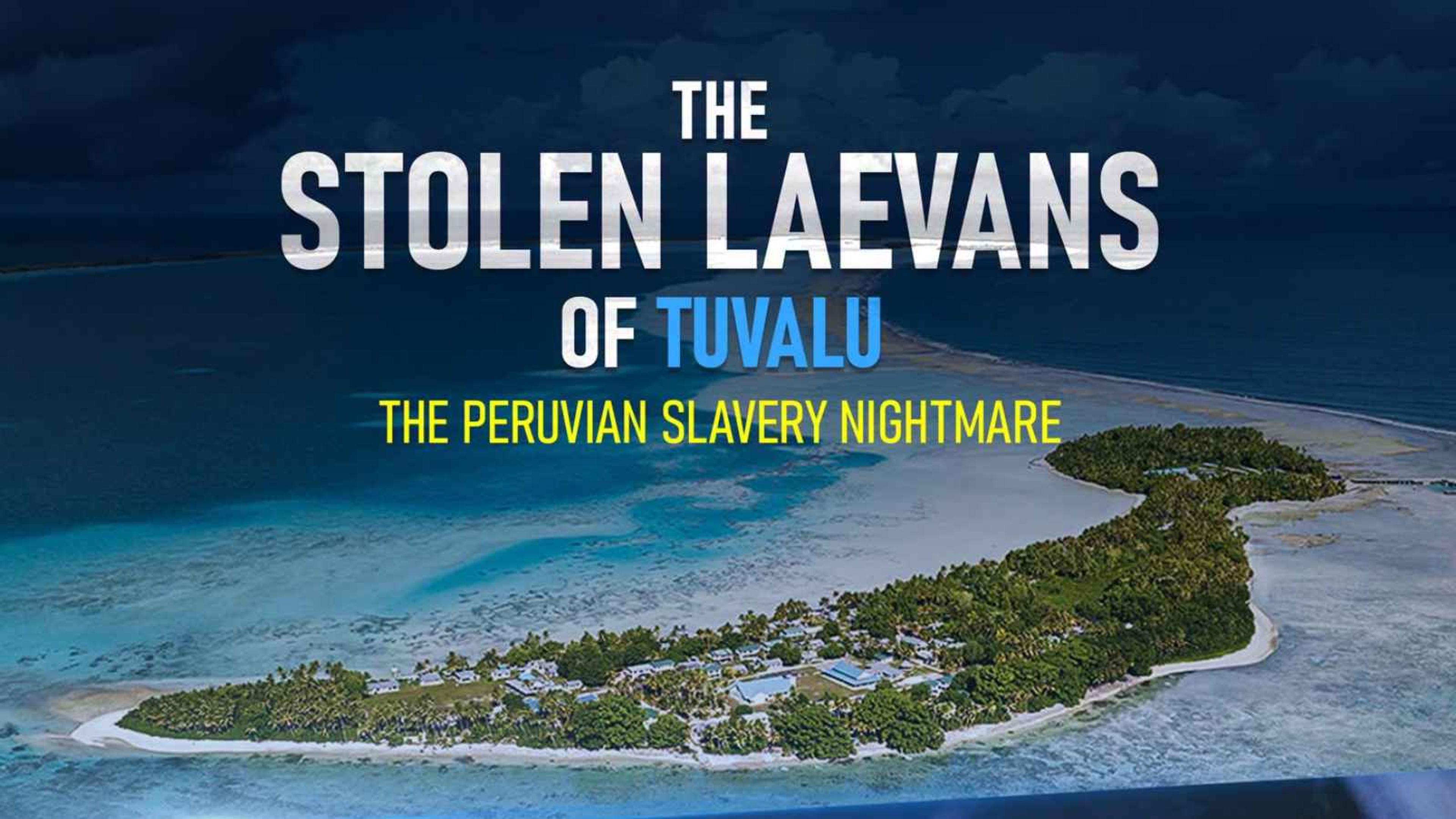
The Stolen Laevans of Tuvalu: The Peruvian Slavery Nightmare in Tuvalu premiered at the Fakaapo Tuvalu Arts Festival last month.
Photo/Facebook/The University of Fiji
Arts
Tuvalu blackbirding story to head towards international screens
The Stolen Laevans of Tuvalu aims to take a painful chapter of Pacific history beyond Nukulaelae.

Aui'a Vaimaila Leatinu'u
Published
30 September 2026, 3:39pm
Share
Copy Link
Top stories

'Very insulting': Pacific candidates lock horns over Ministry’s future
Thomas Tarurongo WynneWed, 21 Oct
Israel’s Pacific Forum breakthrough triggers political backlash in NZ
Kaya Selby, RNZ Pacific journalistWed, 21 Oct
Online vault aims to return Pacific research to the community
Aui'a Vaimaila Leatinu'uWed, 21 Oct
Top stories
'Very insulting': Pacific candidates lock horns over Ministry’s future
Thomas Tarurongo WynneWed, 21 Oct
Israel’s Pacific Forum breakthrough triggers political backlash in NZ
Kaya Selby, RNZ Pacific journalistWed, 21 Oct
Online vault aims to return Pacific research to the community
Aui'a Vaimaila Leatinu'uWed, 21 Oct
A documentary telling the story of how most of Nukulaelae’s population was taken from the Tuvaluan atoll in 1863 is heading for international film festivals after an emotional world premiere.
The Stolen Laevans of Tuvalu: The Peruvian Slavery Nightmare in Tuvalu, was produced by the University of Fiji and the Kaupule of Nukulaelae and premiered at the Fakaapo-Tuvalu Arts Festival in August.
The film revisits the blackbirding raid in which about 80 per cent of Nukulaelae’s population was taken by slave vessels and forced to work in Peru’s guano mines and plantations.
But the filmmakers say the story is not only about what was taken from the island.
It also looks at the resilience of generations that followed and links the history of displacement to the challenges Tuvalu faces today, including climate change, rising sea levels and the possibility of an entire culture being displaced.
In a media release, Professor Shaista Shameem, the Vice-Chancellor of The University of Fiji, says the documentary started as a Journalism and Media Studies project after lecturers were told about the history of the slave trade in Tuvalu.
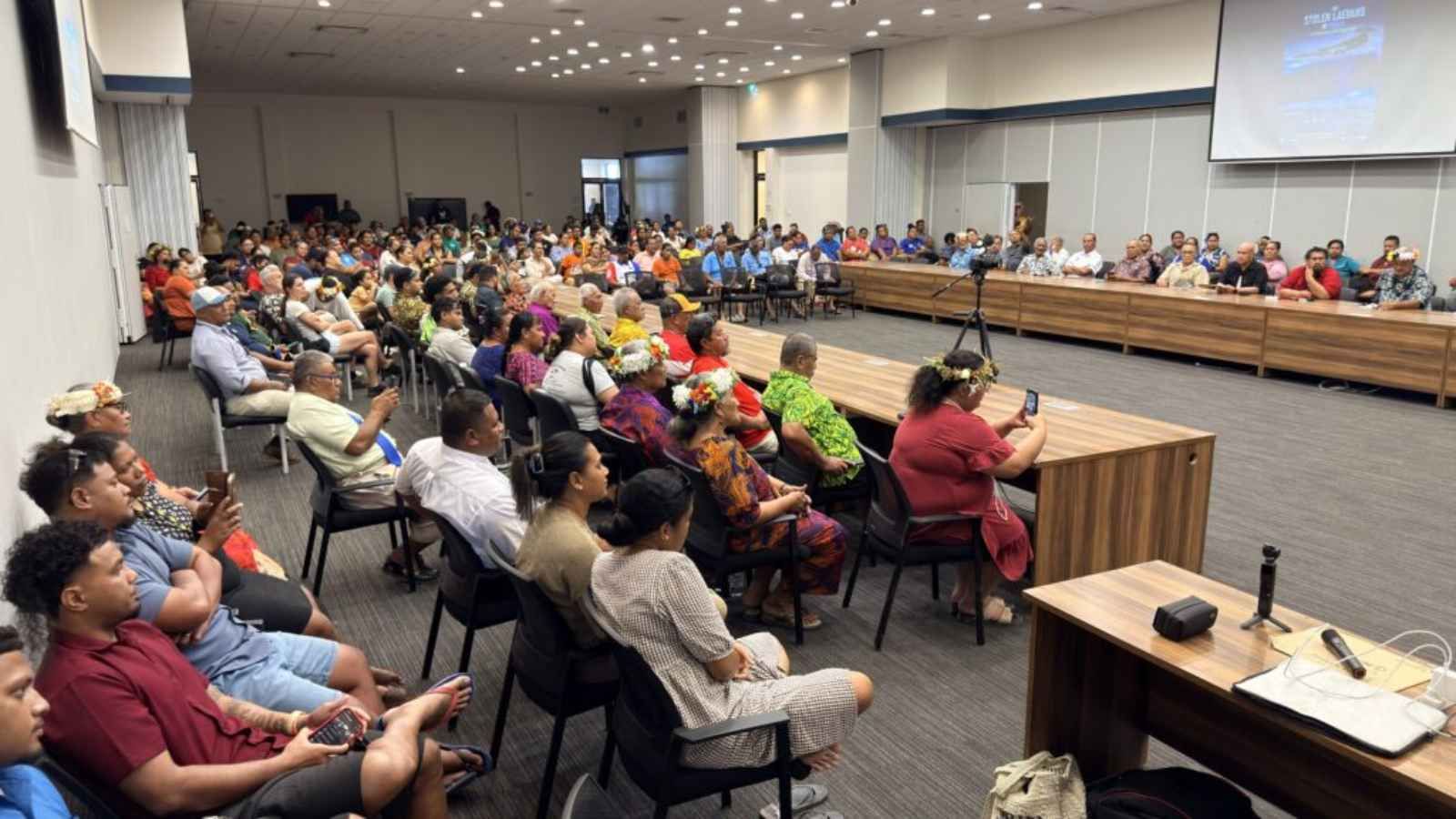
Delegates and audiences at the August premiere of the film. Photo/The University of Fiji
"The film was made as part of our Journalism and Media Studies Documentary course. The two lecturers teaching the course decided to take a story they had been told about the slave trade in Tuvalu, undertake further research with the help of their students, and develop it into a film for a wider audience internationally.
“The film had its World Premiere at Tuvalu’s first Arts Festival and will have its Fiji Premier in September before being taken to international film festivals,” Shameem says.
The film’s international journey comes as Tuvalu continues to deal with questions around displacement, identity, and protecting its culture in the face of a changing climate.
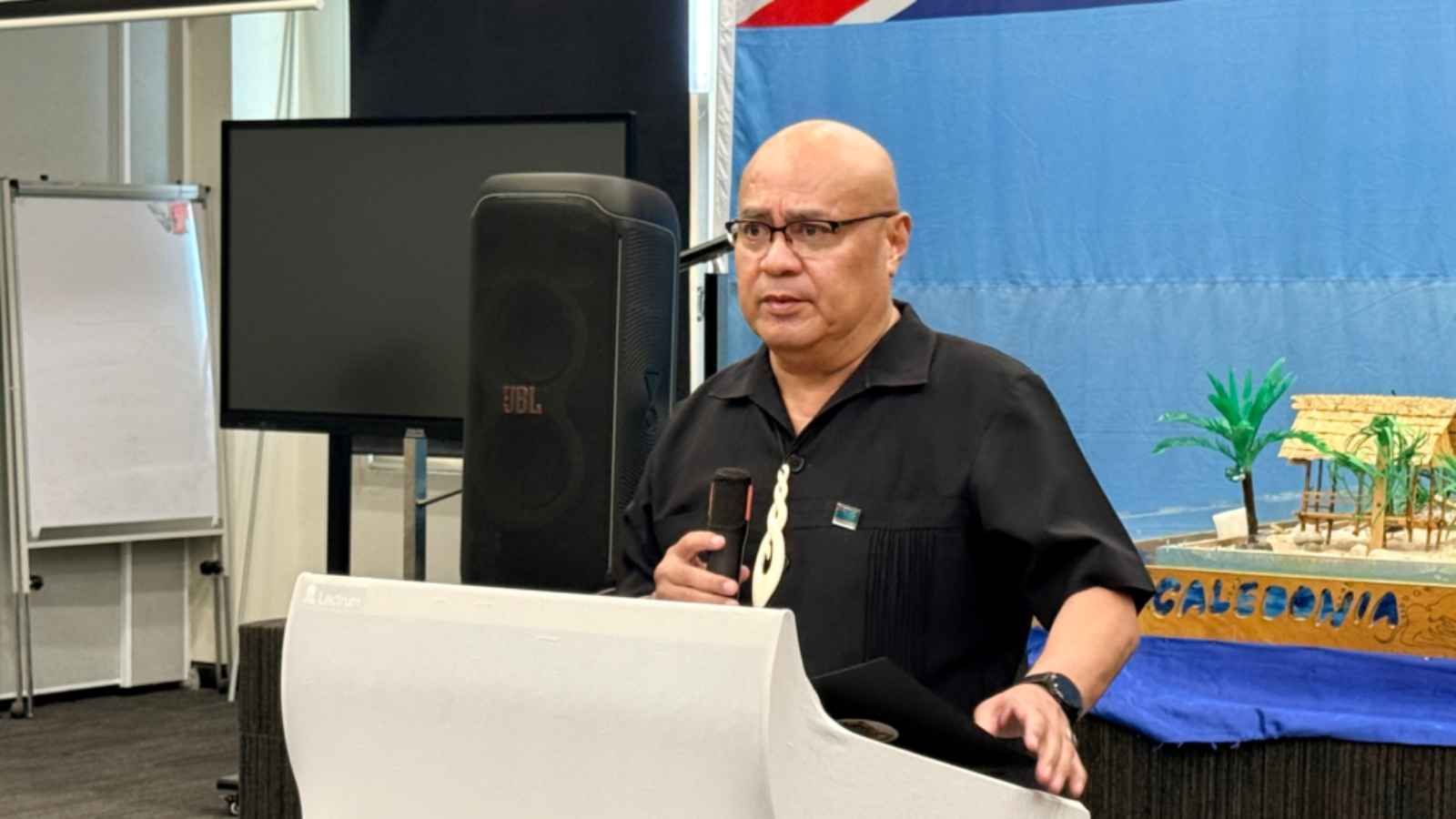
Tuvalu Prime Minister Feleti Teo says the film is crucial in remembering the injustice of the Peruvian slavery era. Photo/The University of Fiji
Prime Minister of Tuvalu, Feleti Teo, says the film also raises the question of what justice could look like for the descendants of those taken.
"The film is a powerful reminder of the injustices and inequities that our people were subjected to in those darkest and unforgettable years. I congratulate the island of Nukulaelae and the University of Fiji for the production of the film,” Teo says.
“I would venture further to suggest some form of reparation or compensation should be in order. My government stands ready and willing to support the efforts to promote the key messages delivered by the film.”
The response at the Tuvalu premiere showed how close the history remains for the community.
Seve Paeniu, the Head of Corporate Services at The University of Fiji, says some audience members were visibly shaken by what they saw.
"The premiere attracted a huge audience and many expressed shock and horror of what had occurred to the Stolen Laevans, with some visibly shaken and with tears of heartbreak,” Paeniu says.
"This powerful film resonates really well with Tuvaluans, and our Laevan ancestors will never be forgotten.”
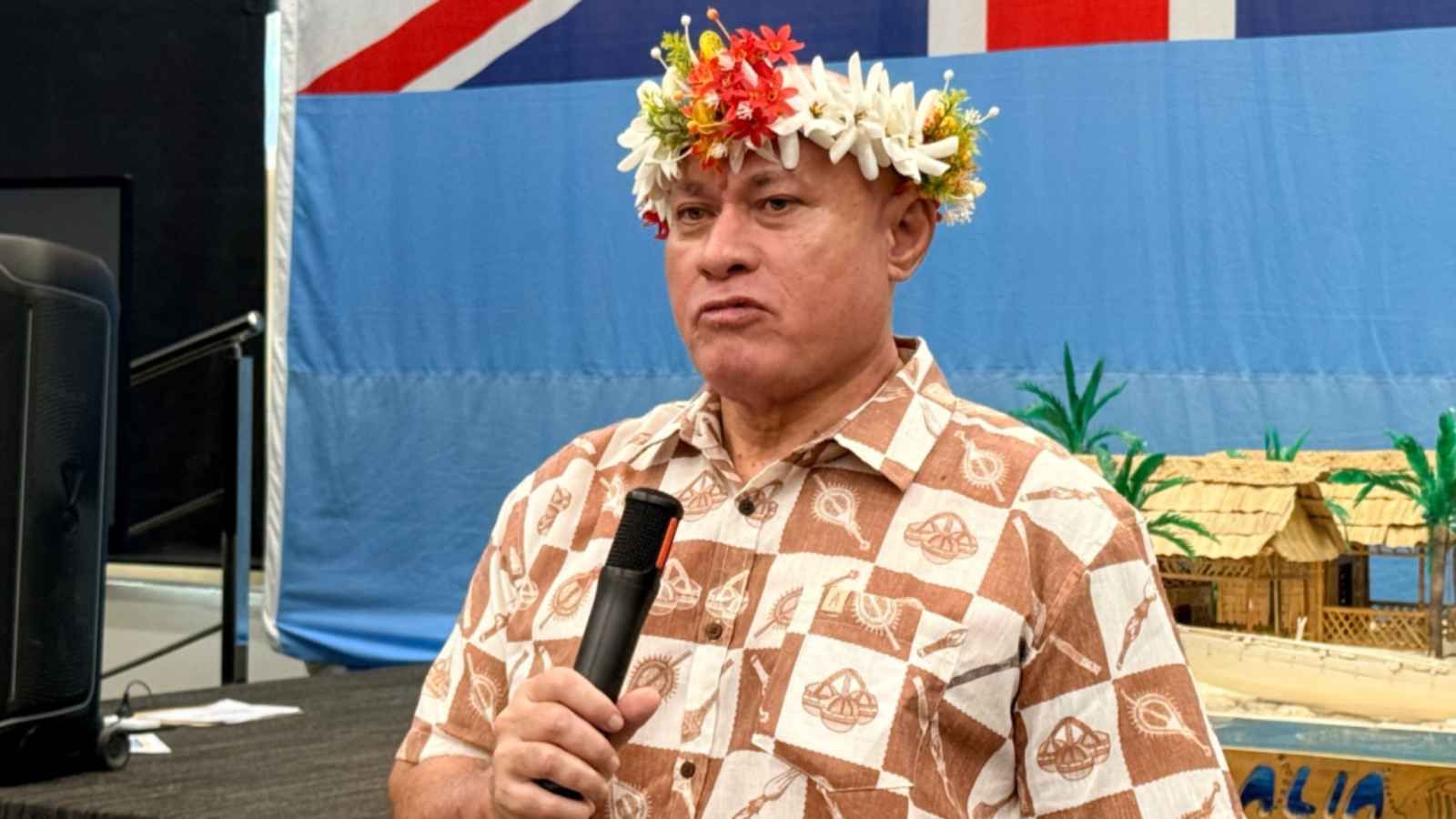
Seve Paeniu. Photo/The University of Fiji
The University of Fiji says the film is intended to preserve an important chapter of Tuvaluan and Pacific history while opening wider discussions about blackbirding, resilience and restorative justice.
From Nukulaelae's stolen generations to the threat of climate-driven displacement today, the film carries a story of survival that its creators now want audiences beyond the Pacific to hear.
Following its premiere in Fiji this month, the documentary will now head to international film festivals, taking Nukulaelae’s story of blackbirding, resilience and the call for restorative justice to a wider audience.